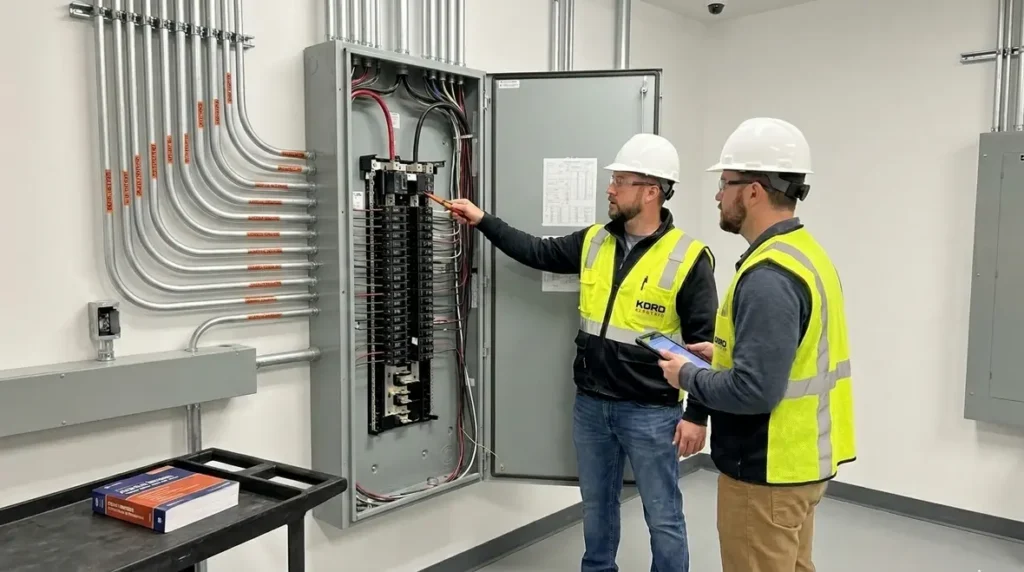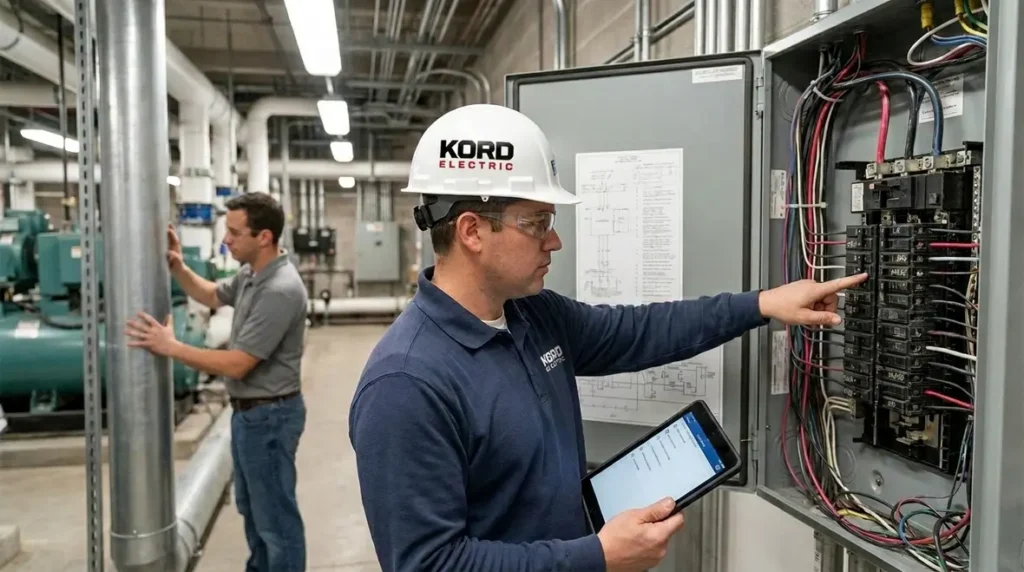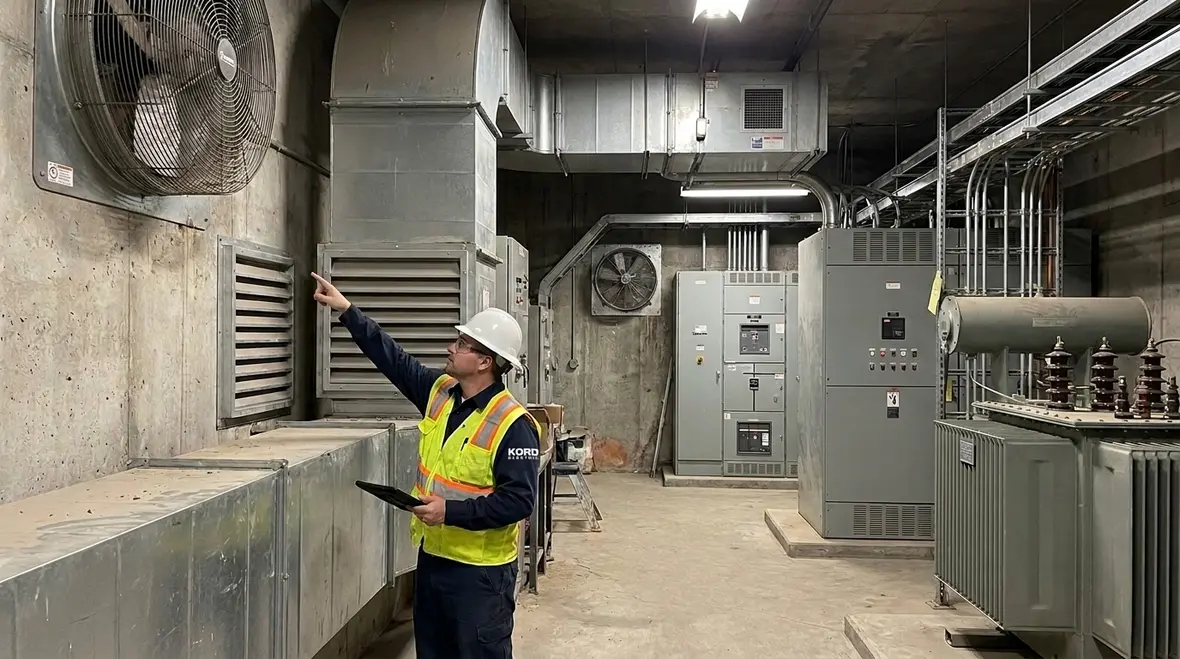
Kord Electric NEC Vault Tunnel Ventilation Code NFPA 70 110.77
Kord Electric helps commercial and industrial facilities stay compliant with the NEC vault tunnel ventilation code long before an inspector shows up with a clipboard and the patience of a sitcom judge. In our world, we do not treat NFPA 70 Section 110.77 like a trivia question. We treat it like the rules that protect people and keep electrical systems working when they need to most. And yes, ventilation rules can sound boring, like watching paint dry, except the paint is life safety and the inspector is not buying snacks.
As our expert service staff explains in the field, this rule governs how electrical equipment located in vaults and tunnels receives ventilation. That matters because heat, gases, and moisture do not negotiate. Therefore, we design and review systems with clear airflow paths, safe operating temperatures, and proper detection and maintenance plans. Then we document what we did, so the facility team and the authority having jurisdiction can move forward with confidence.
Understanding NFPA 70 Section 110.77 in practical terms
NFPA 70 Section 110.77 focuses on ventilation for electrical equipment installed in vaults and tunnels. In other words, when equipment is enclosed underground, inside a vault, or within a tunnel setting, the installation must not trap heat or allow unsafe conditions to build up.
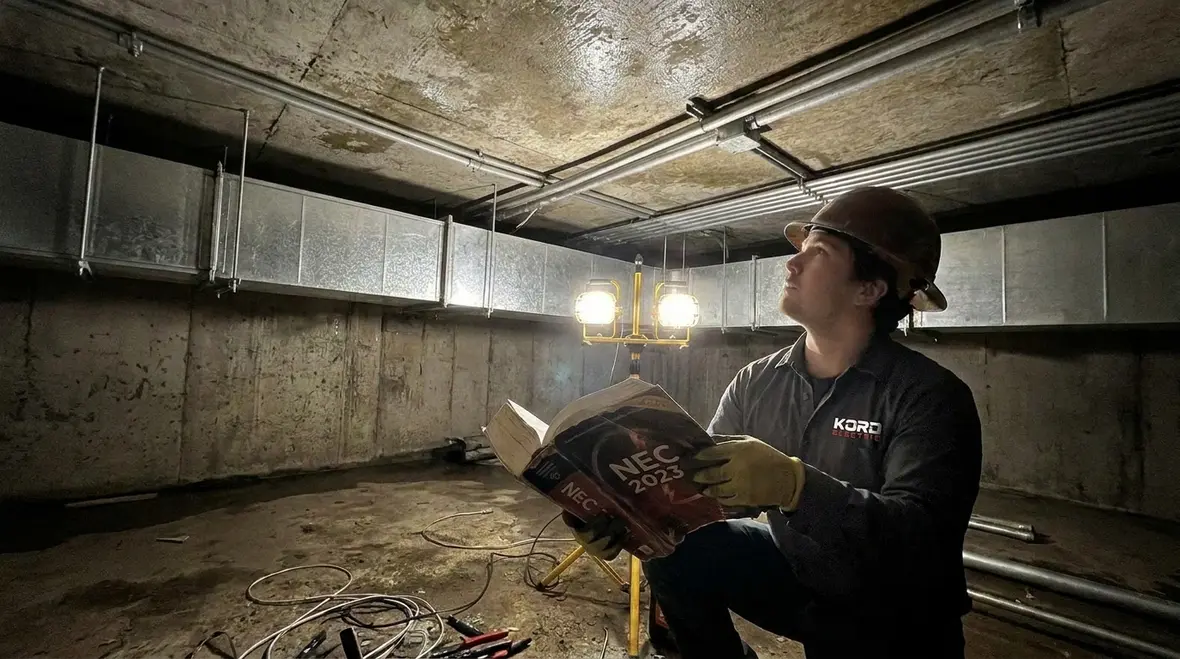
First, the rule pushes the facility toward controlled ventilation methods that match the electrical load and environment. Next, it aims to prevent conditions that reduce equipment life or create hazards. Finally, it supports safe operation under normal and abnormal circumstances. Our technicians take this seriously, because the real world includes dust, humidity, maintenance delays, and the occasional “We thought it would be fine” decision that shows up two years later.
And here is the key point: ventilation is not only about comfort. It is about electrical performance and safety. When heat rises without a path to escape, components run hotter. When moisture accumulates, corrosion risks increase. When gases or combustion products are present, you get a different set of safety concerns. So we approach NEC vault and tunnel ventilation as an integrated design and maintenance problem, not a single checkbox.
If you want more code context while you plan vault and tunnel work, you can also review our in-depth article Understanding NFPA 70: The National Electrical Code Explained for 2026, which explains how NEC rules like Section 110.77 fit into the broader 2026 National Electrical Code direction for commercial and industrial facilities.
How vault and tunnel environments change the ventilation design
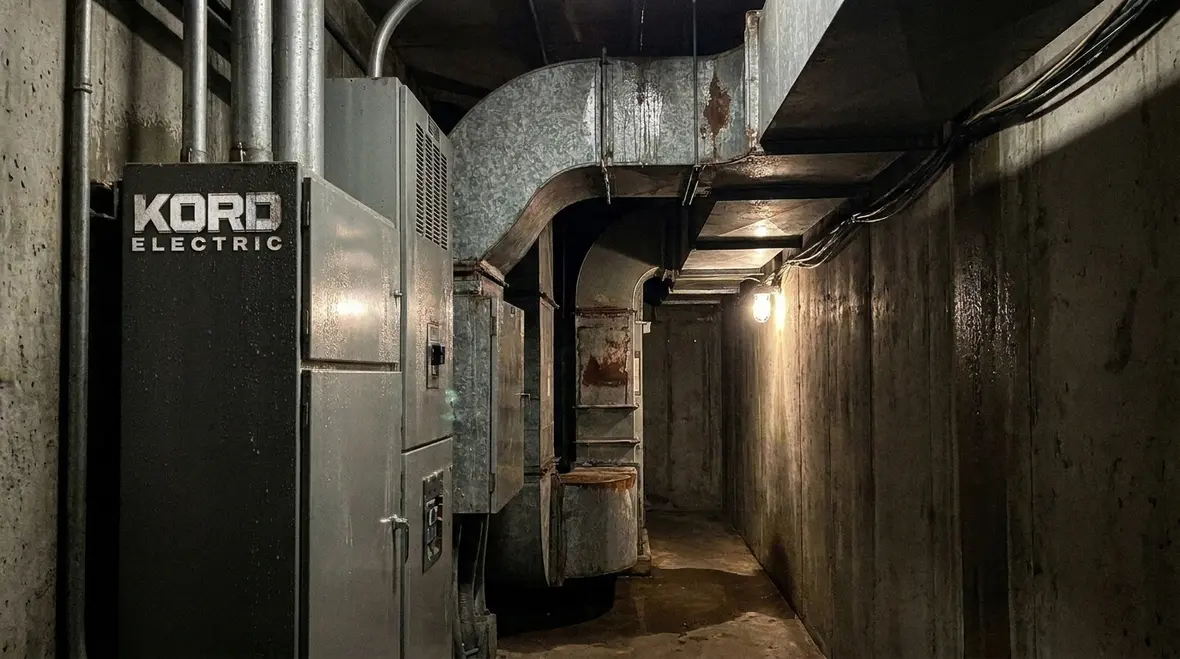
Commercial and industrial buildings often place feeders, switchgear, transformers, or other electrical equipment in underground or enclosed spaces to protect them from damage and to improve site planning. However, once you put equipment in a vault or a tunnel, you change the physics. Then you change the requirements.
For instance, natural airflow becomes unreliable. Temperature gradients can keep warm air trapped. Then humidity condenses on cooler surfaces. In addition, vehicle traffic, nearby mechanical systems, and adjacent building operations can influence pressure and airflow direction. Therefore, a ventilation plan has to consider more than average conditions.
We also see how operational schedules matter. If a facility runs high loads during certain shifts, heat output rises and the ventilation needs to handle that demand. Meanwhile, maintenance access schedules can affect performance, because filters, louvers, fans, and dampers may need service. Our expert service staff helps facility managers plan for that reality.
In short, we treat ventilation design as a living system. It has to work today, and it has to stay effective after months of use. If someone tells you, “Just add a fan later,” we usually smile in that calm, professional way and then we say: later is often when issues become expensive.
Ventilation methods, airflow paths, and equipment heat management
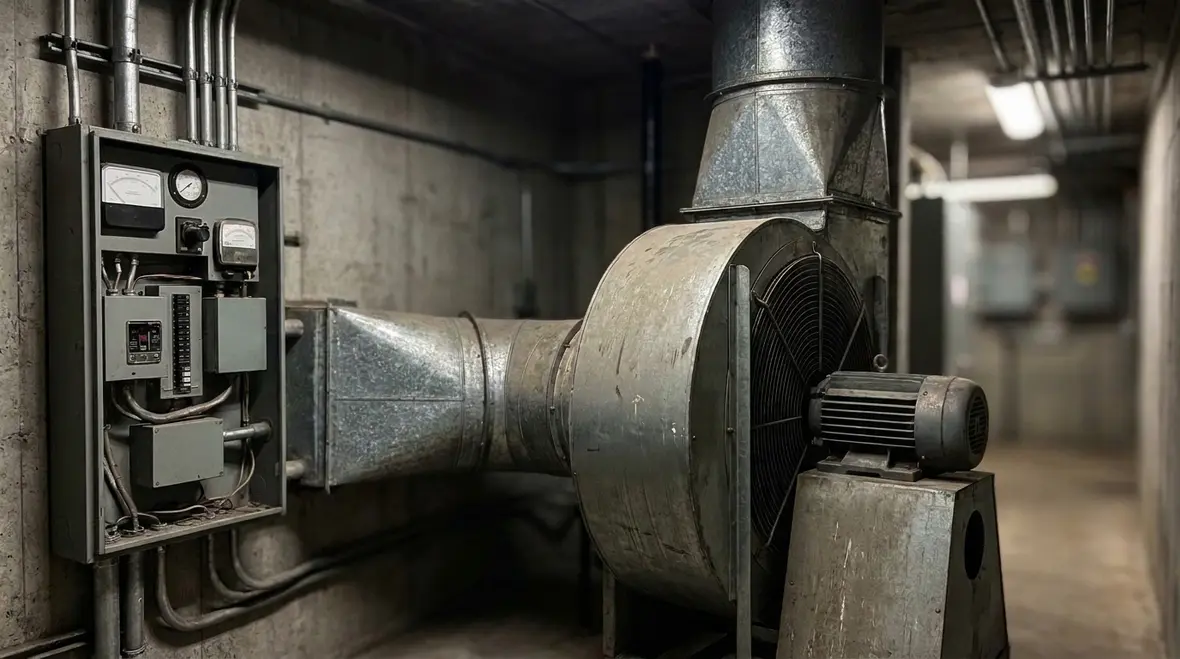
To meet the intent of NEC vault and tunnel ventilation requirements, installations need clear airflow paths and ventilation methods that reduce the risk of excessive temperatures and unsafe air conditions. While exact design choices depend on site conditions, our process stays consistent: we verify expected heat output, we check enclosure layout, and we plan for controlled air movement.
Typically, ventilation strategies include forced ventilation, ducted air supply and exhaust, or other engineered methods that create predictable airflow. However, we do not just pick a method and hope. We coordinate with the electrical design, because airflow affects how effectively the space can remove heat.
Next, we confirm airflow does not short circuit, meaning the supply air cannot just exit immediately without passing around the equipment. Therefore, we pay attention to baffles, clearances, and the arrangement of openings. Then we verify that exhaust locations help keep the equipment area clear of hot air buildup.
Our technicians also focus on heat management at the equipment level. If equipment runs near its thermal limits, ventilation margins shrink. That is why we align ventilation performance with load conditions and equipment ratings. And if the facility later adds capacity, we recommend re-checking the ventilation basis instead of pretending it still matches.
We reference the NEC framework and guidance described by major code resources, including the explanations Kord Electric publishes for NEC readers. For example, our team breaks down how the NEC views ventilation as a system requirement tied to safety and equipment operation. Then we apply that view to real commercial and industrial layouts.
Coordination with electrical rooms, fire safety, and inspection realities
Ventilation for vaults and tunnels never exists in isolation. It connects to electrical protection, fire safety planning, and operational procedures. So, we coordinate these elements early, which reduces rework and helps projects move faster.
First, electrical equipment inside vaults and tunnels interacts with protective systems like circuit protection and switching arrangements. If ventilation fails, thermal stress can increase and that affects performance. Therefore, we look at how the electrical design depends on stable operating conditions.
Second, fire safety concerns often overlap with enclosed spaces. Ventilation can influence smoke movement or combustion product pathways during emergencies. Consequently, any fan, damper, or duct system must integrate with the site emergency design intent.
Third, inspection realities matter. Our service staff helps teams prepare documentation that shows the ventilation method, maintenance approach, and any monitoring or interlocks where applicable. Then we confirm field installation matches the design.
If you work with fire and life safety teams, you already know the goal: keep systems predictable under stress. Organizations that support code education and safety planning emphasize how ventilation and electrical safety link through smoke and heat management. We bring that same mindset to our projects.
Meanwhile, we also remind facility operators of a simple truth. A ventilation system that looks good on paper still needs upkeep. Louvers clog. Fans wear. Dampers stick. Filters become “mystery dust.” Therefore, we plan maintenance the same way we plan electrical inspections.
Maintenance, monitoring, and keeping ventilation effective over time
Here is where many facilities get surprised. Ventilation systems do not stay perfect forever. Yet ventilation rules matter most when conditions drift away from normal. So we build maintenance and monitoring into the installation plan, not as an afterthought.
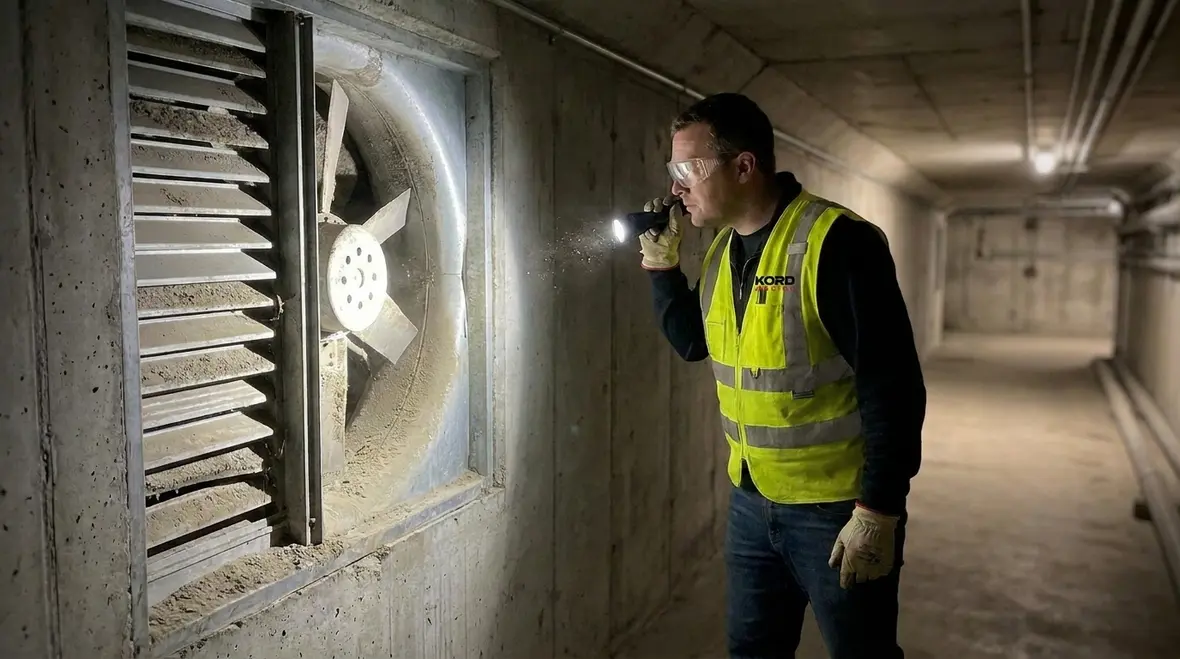
Our expert service staff typically recommends scheduled inspections of fans, ducts, dampers, louvers, and openings. Additionally, we check for blockage and verify airflow performance indicators where systems include monitoring. We also review how the facility handles cleaning and housekeeping in vault and tunnel areas.
Next, we confirm that any alarms or control logic operate as intended. If an interlock exists, we verify it triggers the right response. Then we test restart and fallback behavior where required by the design approach. After that, we document the results so future troubleshooting does not depend on memory or luck.
For commercial and industrial facilities, maintenance continuity matters. Teams rotate. Contractors change. Therefore, we provide clear service notes and, when needed, training for the internal maintenance group. That helps prevent the classic scenario where someone disables a control because it “keeps alarming,” without understanding what the alarm actually protects.
We also plan for system changes. If load increases, expansions occur, or new mechanical systems get added nearby, we reevaluate ventilation assumptions. That keeps the NEC vault and tunnel ventilation code intent aligned with current operation.
Common compliance pitfalls we help facilities avoid
Over time, we notice patterns. Facilities can meet the idea of ventilation but still miss the actual compliance details. So we focus on practical pitfalls that show up during plan review or field verification.
First pitfall: unclear ventilation basis
First pitfall: unclear ventilation basis. A project team may describe a “general ventilation plan” but not tie it to equipment heat load and enclosure layout. Our technicians help define how airflow supports safe temperatures and safe operation.
Second pitfall: poor airflow routing
Second pitfall: poor airflow routing. If air pathways do not reach the equipment area, you can move air without removing heat effectively. Therefore, we verify flow paths and separation between supply and exhaust points.
Third pitfall: missing maintenance provisions
Third pitfall: missing maintenance provisions. A ventilation system without a service plan often fails slowly. Then failure becomes urgent. We help teams schedule inspection and cleaning so performance does not drift.
Fourth pitfall: weak coordination
Fourth pitfall: weak coordination. Vault and tunnel spaces connect with fire safety and emergency procedures. So we coordinate ventilation design choices with the site safety strategy instead of treating it as a standalone electrical item.
And yes, we have heard every version of the same joke: “We will check it after the grand opening.” Unfortunately, equipment does not wait for the ribbon cutting. So we help facilities handle ventilation requirements during the build and during the life of the asset.
FAQ: NEC vault and tunnel ventilation code and NFPA 70 110.77
Why Kord Electric treats ventilation as a safety system
At Kord Electric, we serve commercial and industrial facilities and major property buildings, and we handle ventilation like it matters, because it does. Our technicians and expert service staff do not just install equipment. We review the full path from electrical load to enclosure airflow to ongoing maintenance. Then we help your team document the design intent and keep the system performing long after turnover.
If you want confidence with NFPA 70 Section 110.77 and the NEC vault and tunnel ventilation code, contact us for a site review and plan alignment. For facilities in Southern California and surrounding regions, our dedicated Los Angeles County electrical services team can help you integrate ventilation, electrical upgrades, and code compliance into one coordinated plan instead of a series of urgent fixes.
To explore how NEC ventilation rules fit with other parts of the code, you can also connect this article with Kord Electric resources such as our NEC wiring planning fundamentals and NFPA 70 reading guides. Together, they give facility teams a practical, grounded way to move from “We think it is fine” to “We know this installation matches the NEC vault tunnel ventilation code and the rest of our safety strategy.”
If you are planning new vault or tunnel installations, or suspect existing ventilation does not quite match the load anymore, our field-tested approach helps you move from rough assumptions to documented, inspected reality—before that inspector with the clipboard shows up.
Kord Electric can also pair this work with broader NFPA 70 compliance reviews, so your vault and tunnel ventilation strategy lines up with overcurrent protection, equipment ratings, emergency power, and the rest of your electrical infrastructure. That way, you do not just pass this inspection; you position your facility for the next decade of safe, reliable operation.
When you are ready to align your NEC vault tunnel ventilation code approach with real-world operations, we are ready to help.