NEC Vault Tunnel Fixed Ladders and NFPA 70 110.79
In commercial and industrial facilities, the NEC vault tunnel fixed ladders we install and maintain help people reach equipment safely when conditions get tight, dark, and crowded. Early on, we see how NFPA 70 Section 110.79 is often treated like fine print, yet it controls the real-world safety of access to vaults and tunnels. Therefore, we guide our clients through compliance with clear explanations, and our technicians take time to answer questions instead of hiding behind jargon. In other words, we do not just “wire the job,” we build a path people can use confidently. And yes, we know ladders are not glamorous, but neither is plumbing, and nobody jokes about wet shoes until it is too late.
What NFPA 70 Section 110.79 actually demands
When we talk about NFPA 70 Section 110.79, we focus on how fixed ladders inside vaults and tunnels must support safe access to electrical systems. Specifically, the rule targets the situations where a person must climb to reach electrical equipment that cannot be reached from normal floors. As a result, the requirements reduce slip risk, prevent unsafe ladder use, and support predictable maintenance access.
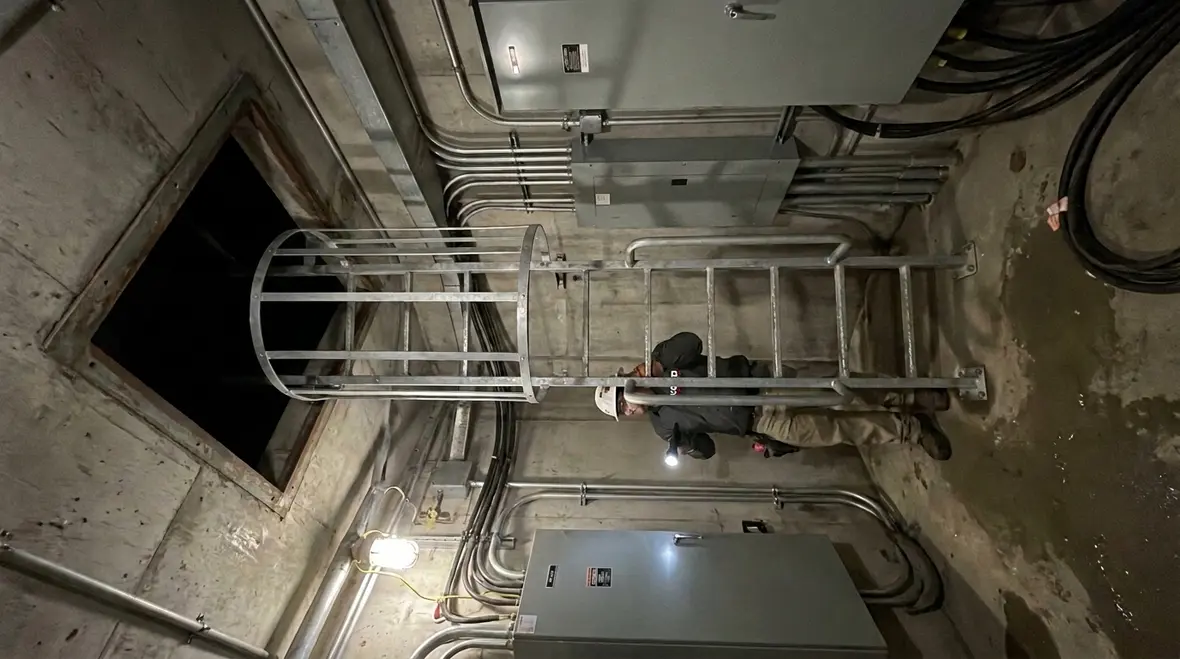
In practice, we evaluate several items: where access points sit, how a ladder connects to landings, and whether the ladder arrangement helps workers climb without improvising tools. Additionally, we consider the environment, since vaults and tunnels often involve limited light, uneven surfaces, and space constraints around conduit runs and equipment. Our expert service staff explains what the standard expects in plain terms, and then we verify the details on site rather than guessing from drawings.
From a business standpoint, this matters because an access failure becomes a downtime event. Then, the equipment you rely on stays stranded like a superhero stuck in the wrong building. So we plan for safe access up front.
Why vault and tunnel access gets treated differently
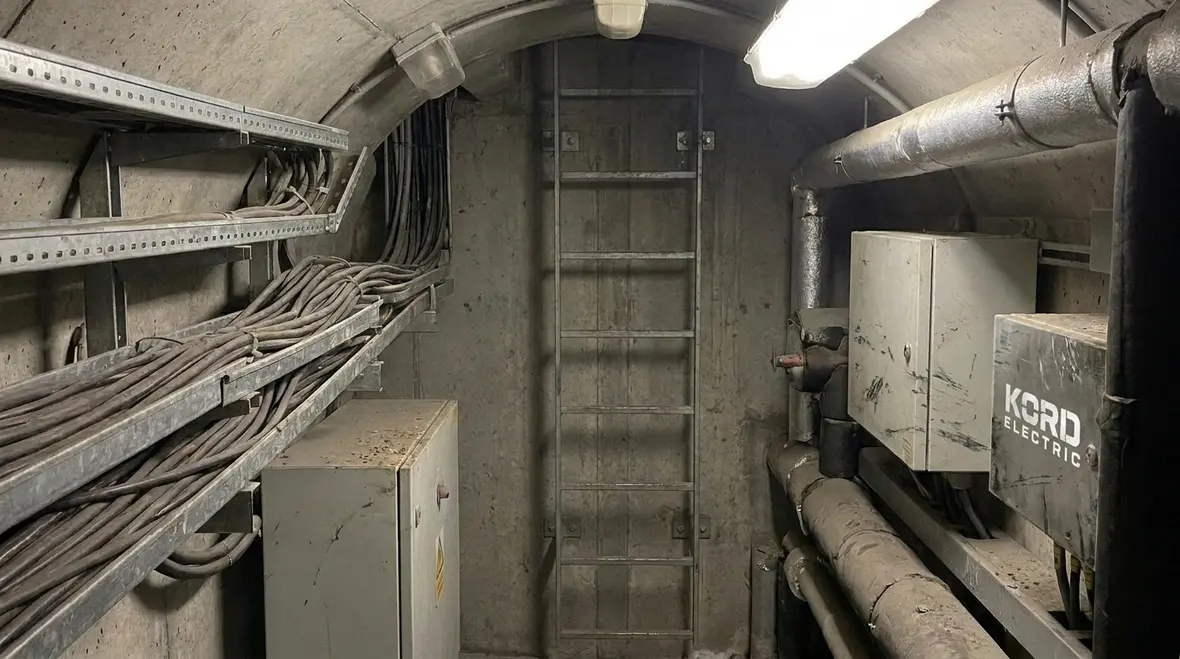
Many commercial and industrial spaces have access points, but vaults and tunnels behave differently. For example, they often limit visibility and crowd pathways with piping, cable trays, and power equipment. Moreover, the space can trap heat and humidity, which affects how materials age over time. Consequently, the ladder is not just a metal piece on a wall, it becomes a long-term safety system.
NFPA 70 sections link electrical safety to practical work conditions. That means we treat ladder design and installation as part of the electrical system’s readiness, not an afterthought handled by whoever happened to be available. When we review a facility, we look at how personnel actually move: how they approach the access, where they grip, and how they transition at the top. Then we confirm that the arrangement supports safe entry and exit.
We also coordinate with other trades, because ladders do not exist in a vacuum. If someone reroutes a conduit or adds a pump skid later, it can shift clearances. So we recheck clearances during upgrades, not only at original construction.

Clearances, landing points, and climb practicality
To keep people safe, fixed ladders need more than just “being there.” Therefore, we focus on climb practicality: how the ladder aligns with the opening, how it leads into a landing, and how obstructions affect the climb. In many facility audits, we find issues that look minor on paper but become major during a real work day.
For instance, if a ladder toe or side rail ends up too close to a conduit run, the worker cannot maintain stable hand placement. Similarly, if the ladder does not guide the person to a solid landing or causes awkward body angles, the risk rises during routine inspections. Then, even a trained technician can lose footing, especially when gloves are on and lighting is not ideal.
Our technicians check these details using site measurements and a methodical approach. We explain to the facility team what we found, why it matters for compliance, and how we will correct it without disrupting operational power. In other words, we make sure the fix works in the real world, not just in a checklist.

Material aging and the maintenance side nobody wants to talk about
Fixed ladders endure. However, vault and tunnel environments fight back with moisture, corrosion, vibration, and constant traffic from maintenance crews. Over time, ladder hardware loosens, coatings fail, and ladder surfaces develop wear patterns. Consequently, a ladder that passed at installation may not pass later.
That is why we help commercial and industrial properties build a maintenance rhythm. First, we inspect ladder components and attachment points. Next, we verify ladder surfaces remain safe to grip. Then we check for damage around openings and transitions. Finally, we document findings so facility managers can plan repairs before issues turn into incident reports.
Our expert service staff explains that maintenance is not paperwork for its own sake. It prevents surprise shutdowns. It also protects the workers who climb. And yes, we have heard the joke that “metal lasts forever,” but we all know metal lasts exactly as long as the environment allows it. We just plan for that reality.
Working around power equipment without breaking clearances
Vaults and tunnels house electrical gear, and gear does not politely stay where you put it. When a facility adds panels, switches, or power distribution, the space changes. Similarly, cable tray layouts evolve as demand grows. Therefore, we coordinate ladder access planning with electrical equipment layouts so the ladder supports safe access even after modifications.
We follow a practical workflow. We review the equipment and access needs, then we map how workers will move through the space. After that, we confirm the ladder does not conflict with clearances around energized components. Finally, we address obstructions and verify the final setup still supports safe entry and exit at the top.
This approach aligns with how other NEC topics treat safety as a system. For example, the NEC explains the intent behind safe installation and working conditions, and we apply that same mindset during ladder planning. If your facility operates like a living organism, then the safety system has to adapt too.
How Kord Electric supports compliance for major properties
Kord Electric serves commercial and industrial facilities and major property buildings. That focus shapes how we work. We do not treat each project like a one off puzzle. Instead, we build a repeatable process that fits large properties with multiple access points, shared plant areas, and teams that cannot shut down for long.
Our technicians review the site conditions and explain what the requirements mean on your specific ladder route. Then we plan corrections that work with your schedule and your operational needs. We also document recommendations in a way that facility leads can understand, approve, and track.
When clients ask about the NEC and related compliance concepts, we point to the broader code context and how it supports safe installation practices. For those who want a deeper dive into the bigger picture, we often point facility leaders toward resources like Understanding NFPA 70: The National Electrical Code Explained for 2026 alongside other guides from the same ecosystem. We also coordinate with fire and electrical service planning teams when relevant, because vaults and tunnels often connect to life safety considerations.
And look, codes can feel like they were written by a committee of librarians who never climbed anything in their lives. But our job is to translate those rules into equipment access that keeps people safe and keeps power flowing.
FAQ: NEC vault tunnel fixed ladders and Section 110.79
Call Kord Electric for a safe access plan
If your facility uses electrical vaults and tunnels, do not treat ladder access like an afterthought. We help commercial and industrial property teams evaluate NEC vault tunnel fixed ladders, align your installation with NFPA 70 Section 110.79 intent, and improve safety without disrupting operations.
Our team also understands that vault and tunnel access ties directly into the rest of your electrical system. When we build a safe access plan, we coordinate with your power distribution, maintenance, and uptime priorities so ladder improvements support the way your facility actually runs every day.
For organizations across Southern California, especially those that rely on complex electrical infrastructure, pairing a ladder and vault access review with broader Los Angeles County electrical services helps keep both the NEC details and the big-picture reliability on track.
Contact Kord Electric to schedule an on site assessment with our expert service staff. Then we will explain the findings clearly, recommend practical fixes, and document next steps so your team can act with confidence and keep people safe every time they climb into a vault or tunnel.