NEC Manhole Access Requirements Code and 110.75
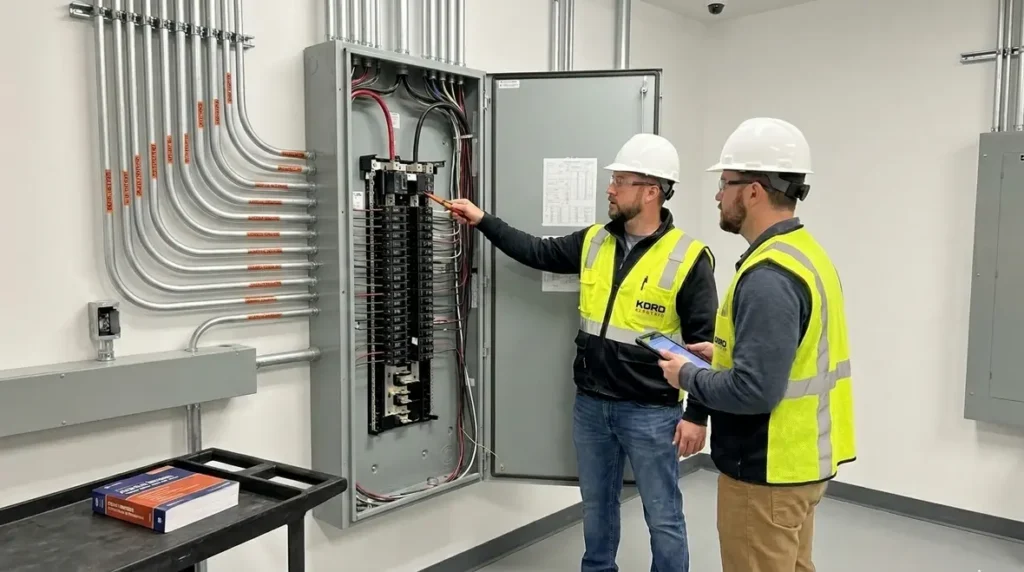
When a facility has underground conductors or cables, people eventually ask about access. In the middle of that conversation sits NFPA 70 Section 110.75, and the NEC manhole access requirements code gives a clear direction: openings must allow safe entry and work, manholes must include proper space and access for the intended tasks, and installers must treat access as a life safety issue, not an afterthought. In fact, we at Kord Electric build our field practices around these rules for commercial and industrial facilities, because others can call it “boring paperwork” while our technicians call it “the difference between work and risk.” And yes, we have heard the joke that manholes are “where cables go to think.” We prefer they go there with a clear path to return.
In this article, we explain what the code requires, why it matters, and how our experienced service staff helps building owners and electrical contractors stay aligned. Also, we do it in plain language, because the goal is not to impress the calendar. The goal is to keep your site compliant and operable.
Why Section 110.75 shapes safe manhole work
Section 110.75 does not just say “have access.” Instead, it sets expectations for how workers reach and handle equipment in confined underground spaces. Therefore, when a facility owner reviews drawings, installs a new run, or upgrades an existing system, we treat access planning as part of the electrical design, not as a separate construction detail. If someone waits until the cables are already in place, then access requirements become expensive, stressful, and occasionally comedic in the worst way.
Our technicians often explain that underground electrical systems behave like a long hallway. If the hallway has no doors where maintenance must occur, then every repair turns into a detour. However, when access points fit the intent of NFPA 70 Section 110.75, the site supports inspection, troubleshooting, and safe cable handling over time.
Key NEC manhole access requirements code points for commercial and industrial sites
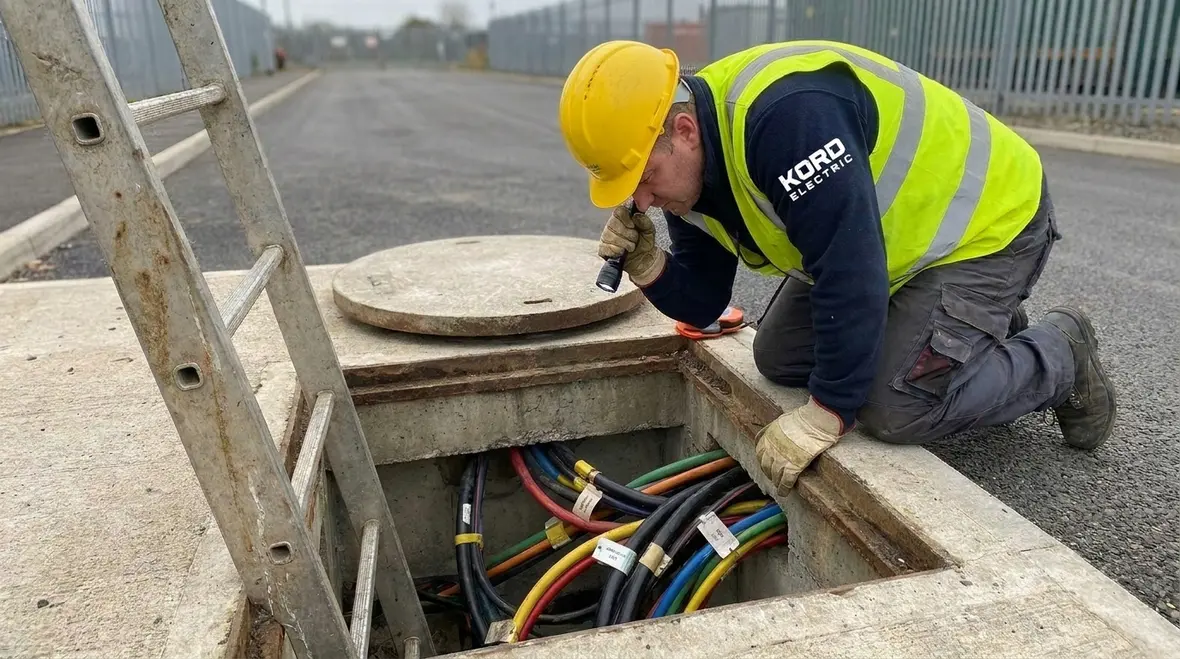
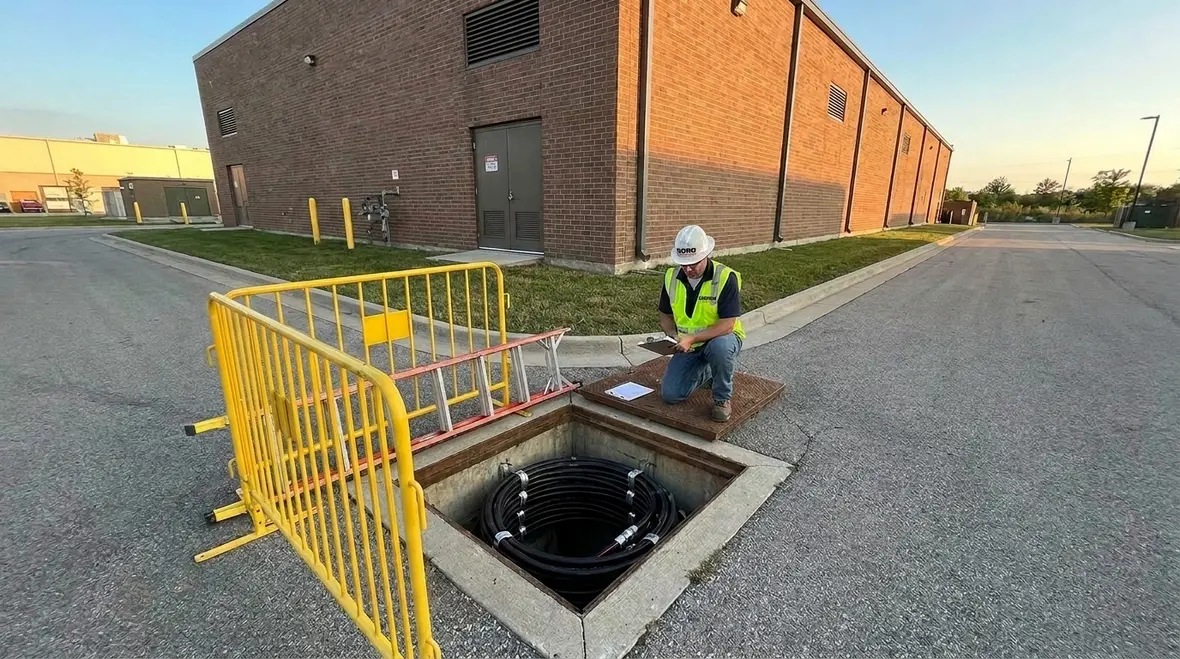
To keep the facility team aligned, we break the topic into practical categories. First, we look at where a manhole exists and what it needs to support. Next, we examine whether the installed conditions allow a worker to enter safely and to work without improvising. Finally, we check how the manhole supports cable pulling, splicing, and ongoing inspection.
In the field, we emphasize these ideas that connect directly to the NEC manhole access requirements code and its real world meaning:
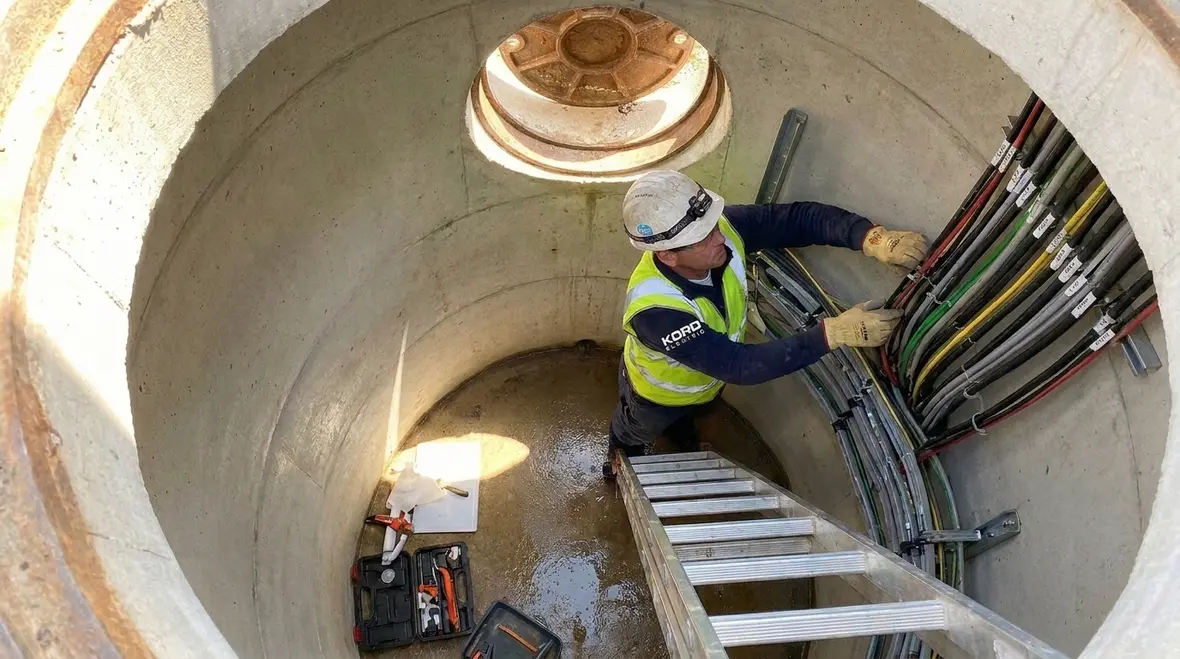
- Access openings must allow safe entry and use. If an opening is too small or obstructed, then maintenance becomes unsafe and the electrical system becomes harder to support.
- Space and layout must support the tasks. Workers must be able to perform work without unsafe body positions, awkward reach, or blocked pathways.
- Protection from hazards matters. Even when the electrical work is correct, poor access can create a new hazard chain.
- Continuity of compliance matters. If later modifications restrict access, then the original compliance goal fails even though the original installation looked fine.
And yes, facilities sometimes discover access issues after construction closes in the area. Then everyone asks, “How did this happen?” We answer with the kind tone our expert service staff uses: it happened because access was treated as an afterthought, the same way people treat “just one more email” until midnight becomes a lifestyle.
How we interpret manhole access rules for real installations
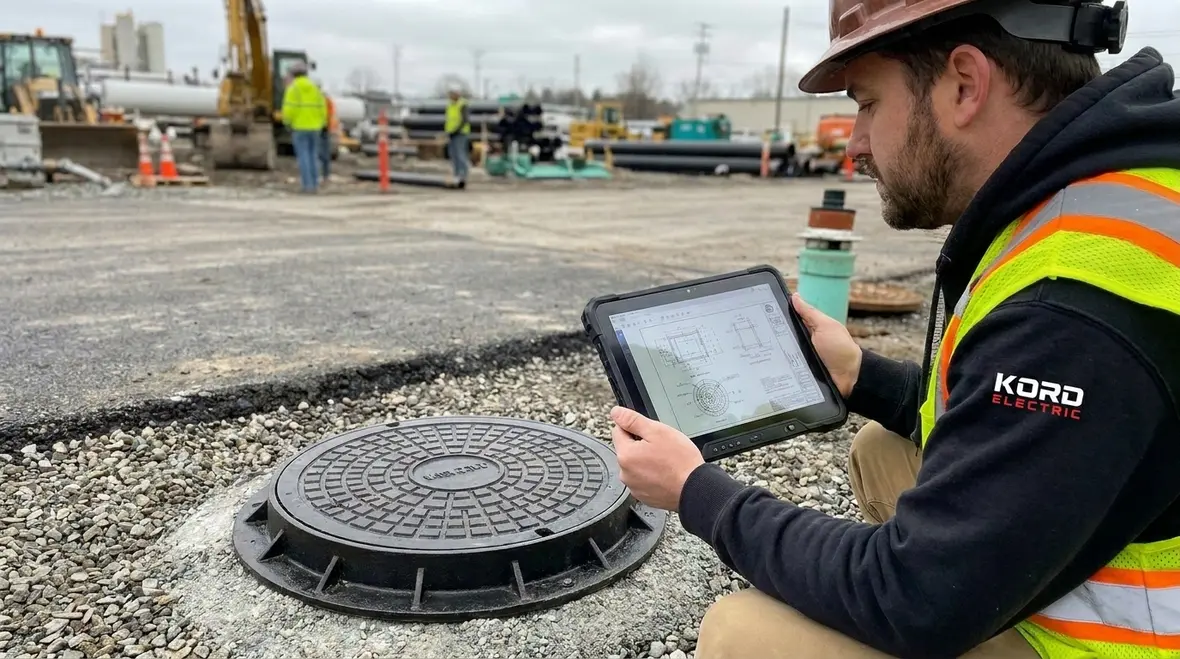
Regulations do not stay in a book. They show up in trench layouts, covers, ladder placement, and cable routing. Therefore, our approach at Kord Electric focuses on how the rules apply to commercial and industrial systems, including major property buildings. We review the design intent and then confirm what the construction team actually installs.
Here is the practical workflow we use with project teams:
- Plan review: we compare drawings to site constraints like pavement changes, adjacent structures, and future landscaping.
- Access verification: we check that openings and internal space align with safe entry needs for maintenance tasks.
- Cable system mapping: we confirm where splices and terminations occur so the manhole can support actual work, not just paperwork.
- Documentation: we help teams capture the compliance intent so future owners and maintenance crews understand the “why,” not only the “what.”
When our technicians explain the requirements, we usually tell this story: a facility once wanted to “make it easier” during installation by altering access conditions in the field. Later, a service call required entry, and the maintenance plan had to change. In other words, the shortcut worked for one day and hurt for years. We would rather spend the extra time upfront than spend every future year learning the hard way.
Common failure points we see during upgrades and inspections
Even well built facilities can drift away from compliance through modifications, equipment changes, or simple neglect. Consequently, our expert service staff watches for recurring access problems that show up during electrical upgrades and routine inspections. We do this because the manhole is not a static object. It is part of a living electrical system.
Some frequent issues include:
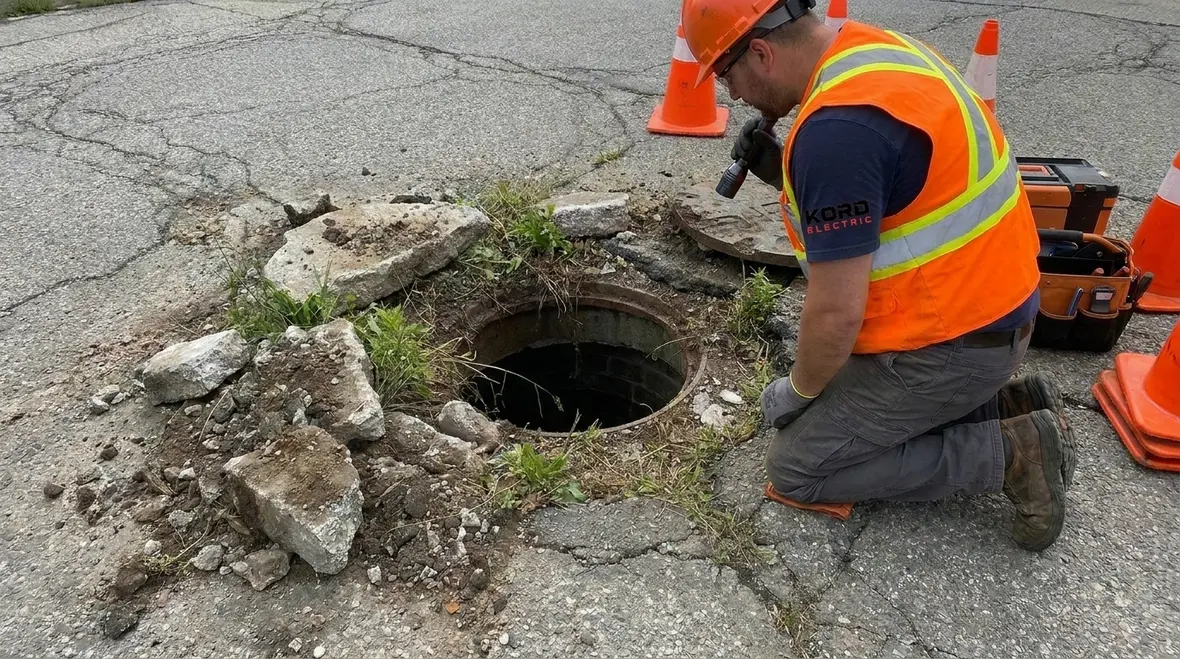
- Restricted openings from added layers, new grade changes, or equipment placed too close to access points.
- Missing or obstructed clear paths that force workers to enter and maneuver in a way the original plan did not support.
- Poor coordination between electrical, civil, and facilities teams, where one group changes grade or placement without notifying the others.
- Deferred maintenance on covers, ladders, or internal conditions, which later affects safe entry.
In addition, facilities sometimes assume that if the cover fits and the cable run works, then access must be fine. That assumption can be as reliable as a “minor” change that turns into a major schedule delay. Therefore, we encourage teams to validate access conditions as part of every major electrical scope, not just when problems appear.
Coordination with standards and related code guidance
NFPA 70 does not operate in isolation. We also consider how the NEC framework supports overall safety goals for electrical installations. For example, when owners evaluate the NEC for 2026 updates or align policy across jurisdictions, we find it helpful to connect the manhole access section with broader electrical safety and construction expectations. Then, when the facility team also references fire and electrical coordination, they reduce the chance of mismatched requirements across departments.
At Kord Electric, we stay aligned with guidance published by trusted code educators and regional resources, including the work that explains NEC concepts for 2026 and practical compliance for the field. Our article Understanding NFPA 70: The National Electrical Code Explained For 2026 helps facility teams connect high level code expectations with day to day decisions. We also keep an eye on related industry resources that help facilities think clearly about electrical safety and systems reliability, including where fire protection teams interface with electrical infrastructure. If your facility includes fire pumps or coordinated safety systems, then electrical access planning becomes even more important because downtime affects more than one department.
And on that note, we have a simple rule of thumb: if the electrical team and the fire protection team can’t agree on access and maintenance realities, the building will eventually force that agreement the hard way. We help prevent that.
How Kord Electric technicians support compliant manhole access
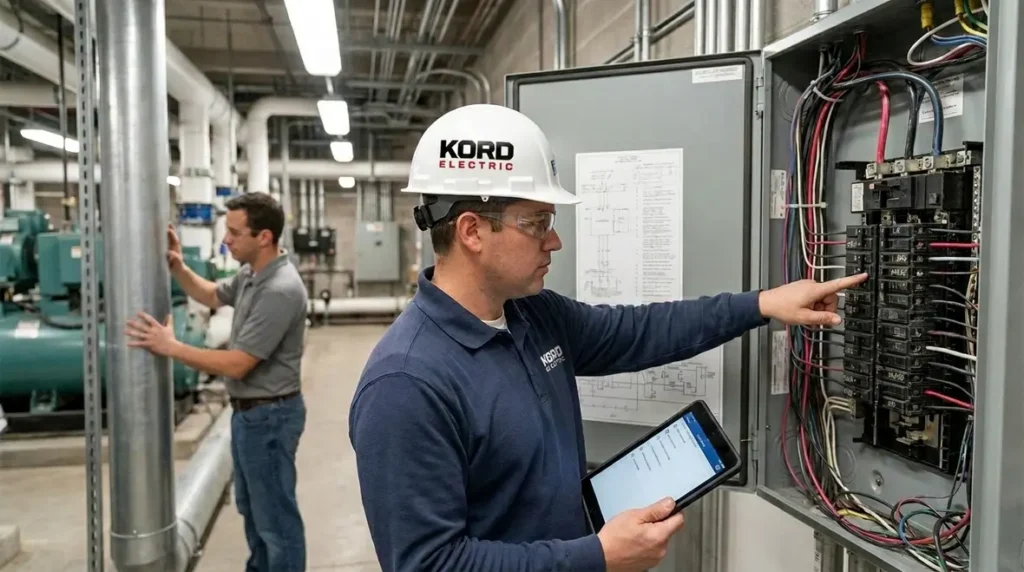
Commercial and industrial facilities need more than generic advice. They need field based confirmation, clear explanations, and service teams that show up prepared. That is where we focus. Our technicians and experienced service staff guide owners and contractors through access related compliance so the electrical system stays maintainable.
When Kord Electric supports a project, we work with the facility team to confirm access conditions and maintenance usability. We explain what the standards mean, and we also explain what it looks like on site. Therefore, decision makers understand tradeoffs early, and maintenance crews get a manhole configuration that supports inspection and repair.
To keep it business friendly, here is what you can expect from our service approach:
- Clear communication: we translate compliance into actions the jobsite can follow.
- Field realism: we review access based on actual layout, not idealized drawings only.
- Long term support: we help teams avoid future problems that come from rushed installs or later changes.
If you want, we can also align your electrical infrastructure planning with the rest of your facility’s safety goals. That includes coordination where electrical access affects other life safety systems. After all, we operate for facilities that cannot afford surprises.
For facilities in Southern California and across the region, our dedicated Los Angeles County electrical services team connects these NEC manhole access requirements code principles with broader electrical troubleshooting, upgrades, and preventative maintenance support so your underground systems stay as dependable as your above ground operations.
FAQ
Final call for compliant electrical underground access
If your facility has underground electrical pathways, then manhole access cannot be a guess. At Kord Electric, we help commercial and industrial property teams confirm compliance with NFPA 70 Section 110.75, explain what the requirements mean in plain language, and verify that the installed conditions support safe maintenance. Contact us so we can review your manhole access setup, catch access risks early, and keep your electrical infrastructure dependable. Let us handle the code, so your crew can handle the work, not the paperwork.
About our guidance and resources: We base our explanations on NEC and NFPA 70 concepts and practical field interpretation. If you want project specific support, reach out to our team at Kord Electric or explore related resources in the Kord Electric blog that connect NEC manhole access requirements code discussions with broader electrical safety planning.