

Kord Electric NFPA 70 Section 646.32 IT Emergency Lighting
Kord Electric breaks down NFPA 70 Section 646.32 IT emergency lighting circuits for commercial teams
When we design and service electrical systems for commercial and industrial facilities, we cannot treat emergency lighting as an afterthought. In fact, NFPA 70 Section 646.32 IT emergency lighting circuits sets clear expectations for how power should support emergency lighting in IT and similar arrangements. In the first moments of a power event, the lights must keep working long enough for people to move to safety and for critical systems to stay online. That means we look at how circuits are routed, how they stay powered, and how they behave during faults. Then we document it, test it, and we stand behind it.
Our expert service staff at Kord Electric explains this the way we want it explained to us: calm, clear, and focused on real-world outcomes. Think of it as the electrical equivalent of a fire drill, but with fewer surprises and more compliance. And yes, compliance can sound boring, but it does prevent the “we should have checked that sooner” moment. Nobody wants that scene.
NFPA 70 essentials that matter for emergency lighting in IT spaces
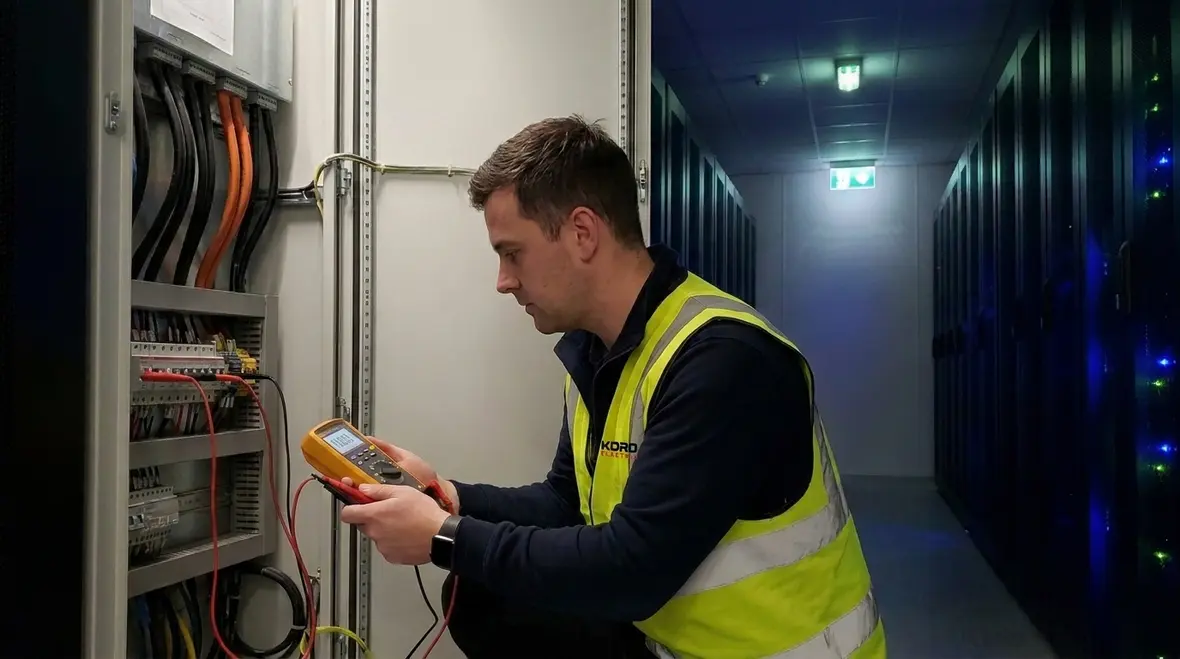
To understand NFPA 70 Section 646.32 IT emergency lighting circuits, we start with the bigger structure of the National Electrical Code. NFPA 70 does not just list rules for the sake of rules. Instead, it creates a consistent safety framework for how conductors, equipment, grounding, and emergency loads should function. Emergency lighting sits at the intersection of life safety and system reliability, so the code also connects emergency circuits to how the electrical system as a whole is built.
In practical terms, we focus on three areas. First, we confirm the emergency lighting loads receive power in the way the installation expects during abnormal conditions. Second, we examine how the source is arranged so that a normal failure does not take out emergency function. Third, we ensure the wiring method and circuit separation make sense for the environment in a commercial or industrial setting. Meanwhile, our technicians coordinate with facility teams so the design also fits operational realities, not just the drawings.
Other providers may toss around general talk. We prefer specifics. After all, if a circuit fails during an event, “general safety” does not relight anything.
What Section 646.32 requires and how we apply it in the field
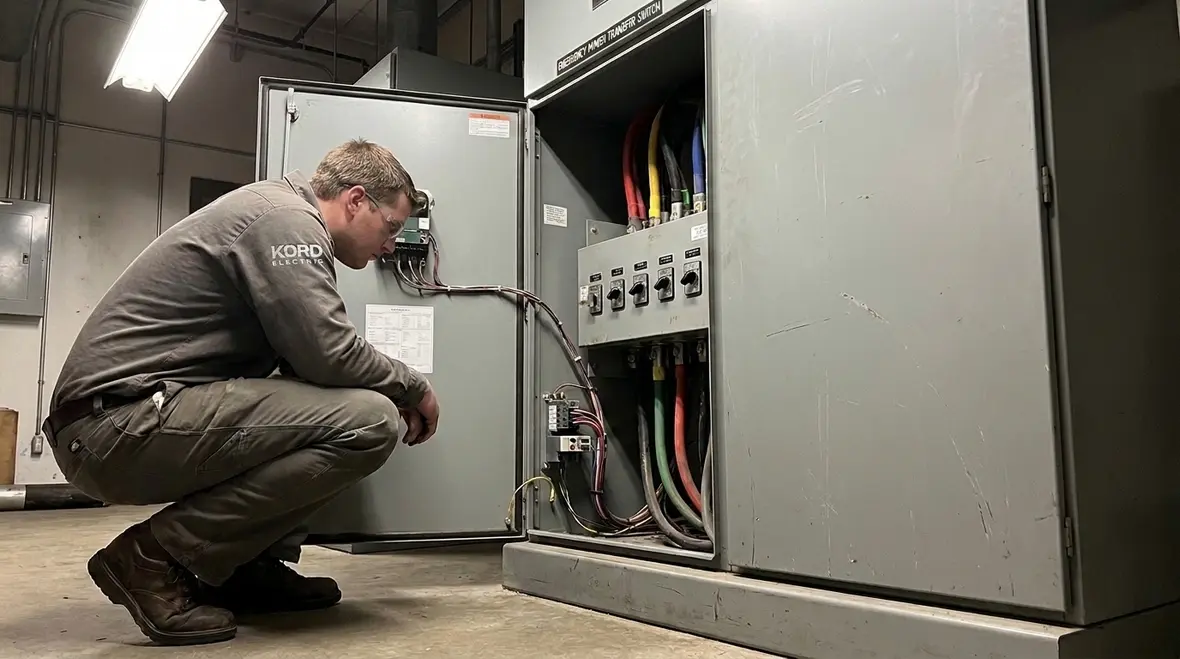
Section 646.32 addresses IT emergency lighting circuits, and we treat it like a set of performance targets. The goal is simple: during a loss or disturbance of normal power, emergency lighting needs to keep operating as intended. However, the path to that goal has details that we cannot ignore.
First, we help our clients understand that these circuits relate to IT environments where equipment needs continuity and where emergency lighting also supports occupant safety. Therefore, we verify that the emergency lighting circuits are designed to meet the code’s expectations for their source and operation. Next, we confirm that the wiring and connections remain dependable during fault conditions. Then we look at how the system is supervised or protected, depending on the arrangement.
Our expert service staff explains what this means in plain terms. We do not just say, “It must comply.” We say what we check, what we document, and what we test. For example, we verify proper circuit labeling, we confirm that emergency loads run on the correct source path, and we check that the installation does not invite unwanted interactions with other circuits. If a facility has data rooms, control rooms, or process areas, we pay special attention to how power transitions behave.
Also, we think about future changes. When businesses expand, add racks, or modify lighting, the emergency circuit design cannot become a “mystery meat” setup. So we build with change in mind and we keep records that future teams can trust.
Power sources, transfers, and separation: where installations usually slip
Even strong plans can break down at the edges. That is where we see the most trouble: power source behavior, transfer switching, and circuit separation. In commercial and industrial facilities, emergency lighting often connects to generators, UPS systems, transfer devices, or other engineered arrangements. Therefore, we evaluate how the source responds during interruptions and how fast the emergency lighting path engages.
When we review an installation, we ask the same practical questions every time, and we do it with evidence. We look at the intended source for the emergency lighting and we confirm that it stays available when normal power fails. Then we check transfer equipment operation and we ensure the emergency lighting load does not get stranded by an incorrect control sequence. After that, we verify wiring separation so emergency loads are not exposed to fault paths that could knock them out.
At this stage, we also coordinate with fire safety partners and facility management. If a building relies on code-driven life safety outcomes, we cannot treat electrical and fire protection as separate worlds. That approach aligns with what NFPA 70 resources and related guidance emphasize, and we keep our process consistent with industry expectations reflected in Kord Electric’s broader technical focus and Kord Fire’s fire life safety perspective.
And yes, sometimes the issue is as simple as a circuit labeled wrong. That is the electrical version of finding the left sock in a different zip code. The system works, but someone will still trip over it.
Testing, documentation, and inspections for commercial compliance
Once the installation is designed and built, we do not stop. We test and we document. For IT emergency lighting circuits, the testing plan must prove that the circuits will perform during relevant operating scenarios. Therefore, we confirm that emergency lighting turns on and stays on as intended, using the facility’s actual operating conditions. We also validate that the behavior matches the design intent, not just what the installer hoped would happen.
Our technicians and expert service staff use a steady, methodical approach. First, we verify circuit identification and connections. Then we check protective devices and ensure they align with the design. Next, we perform functional verification to confirm the emergency lighting load transfers and operates. After that, we create clear records that facility teams can use for audits, ongoing maintenance, and future upgrades.
Documentation matters because commercial and industrial properties evolve. Ownership changes. Tenants renovate. Engineers retire and new staff inherit the system. When we keep the paperwork clean and the testing results organized, the next team does not have to guess. They can move forward with confidence.
We also coordinate with inspection timelines so teams are not scrambling at the last minute. If the facility runs critical operations, we plan around downtime needs and we communicate clearly ahead of work.
How we handle retrofits in major property buildings without disrupting operations
Retrofitting emergency lighting circuits in large facilities requires care. We serve commercial and industrial properties and major property buildings, so our projects often involve tight schedules, live systems, and spaces that cannot go dark. That is why we design retrofit steps around operational reality.
First, we evaluate existing conditions. We confirm what is already installed, how circuits are routed, and how the current emergency power path behaves. Then we compare it to the requirements tied to NFPA 70 Section 646.32 IT emergency lighting circuits and its related expectations for emergency function during abnormal states. Next, we plan circuit changes in phases, so critical areas stay supported.
Then we address the hidden risks that show up during retrofits: old labeling, aging components, and wiring pathways that no longer match current design standards. We also consider how emergency lighting loads change over time. For example, new office layouts, added corridors, or updated occupancy needs can alter the load profile. If the retrofit adds LED fixtures or adjusts control wiring, we ensure the emergency circuit design still meets the code targets.
To keep things organized, we sometimes use a two-column build plan for our internal workflow, pairing “what we verify” with “what we change.” This helps us move quickly without missing critical steps.
Verification and Retrofit Actions
| What we verify | What we change or correct |
| Emergency power source path behavior | Correct transfer or protection settings, as required |
| Circuit identification and routing | Update labeling, separation, and wiring as needed |
| Functional operation of emergency lighting | Repair or replace components that fail tests |
| Documentation completeness | Deliver clear records for ongoing compliance |
Future-proofing emergency lighting circuits as standards and facilities evolve
Standards evolve, and so do buildings. When major property teams plan new data rooms, industrial expansions, or campus-level renovations, we help them avoid last-minute compliance fixes. Instead of treating NFPA 70 Section 646.32 IT emergency lighting circuits as a one-time checklist item, we treat it like part of a long-term reliability plan.
That means we design with spare capacity where reasonable, we keep circuit pathways clear for future updates, and we coordinate with the fire life safety strategy from day one. We also ensure that the emergency lighting solution aligns with the facility’s operational priorities, especially when IT equipment and critical systems share the same spaces.
We stay informed through industry resources, and we cross-check our approach with related guidance from fire and electrical specialists. For example, NFPA 70 overviews discussed by teams focused on electrical life safety and emergency power reliability help us keep our engineering mindset sharp. We also lean on the same practical thinking found across Kord Electric and Kord Fire content, including guides like What Is NFPA 70? Understanding the National Electrical Code, because emergency lighting is not just electrical work. It is part of the building’s safety story. And in a real event, that story has to hold up under stress.
So yes, we can talk code. But we do it for a purpose: to keep people safe and to keep operations running when they need power the most.
FAQ about NFPA 70 Section 646.32 IT emergency lighting circuits
Ready for a code-strong emergency lighting plan? Kord Electric is the steady hand
We help commercial and industrial facilities build and maintain dependable emergency lighting that performs when it matters. Our technicians and expert service staff review your existing setup, validate emergency power behavior, and deliver testing and documentation you can trust. If you are planning a retrofit, upgrading IT spaces, or preparing for inspections, we can guide the electrical details so your life safety systems stay reliable.
For multi-site owners and major property teams across the region, our broader Los Angeles County electrical services provide a framework where NFPA 70 Section 646.32 IT emergency lighting circuits fit alongside emergency power, preventive maintenance, and upgrade planning. That way, your systems move forward together instead of in disconnected pieces.
Contact Kord Electric today, and let’s make sure your emergency lighting works like it should, not like it hopes to.


