Lighting Control Systems in Offices ROI Guide
Benefits of lighting control systems in offices: the ROI story starts here
Commercial facilities live and die by operating costs, energy bills, and how consistently everything works. When Kord Electric installs modern lighting control systems, we help building teams capture benefits of lighting control systems in offices right away through smarter use of light, smoother scheduling, and better comfort. In turn, teams reduce waste, extend equipment life, and gain more predictable performance without turning daily work into a lighting experiment. And yes, we have seen staff try to “solve it” by waving at a switch. That approach is charming, but it is not an energy strategy.
To maximize ROI, our technicians and experienced service staff explain the details in plain language, then set up the plan to fit how the space actually gets used. As a result, control becomes a measurable system, not a vague promise.
Understanding how ROI grows with modern controls
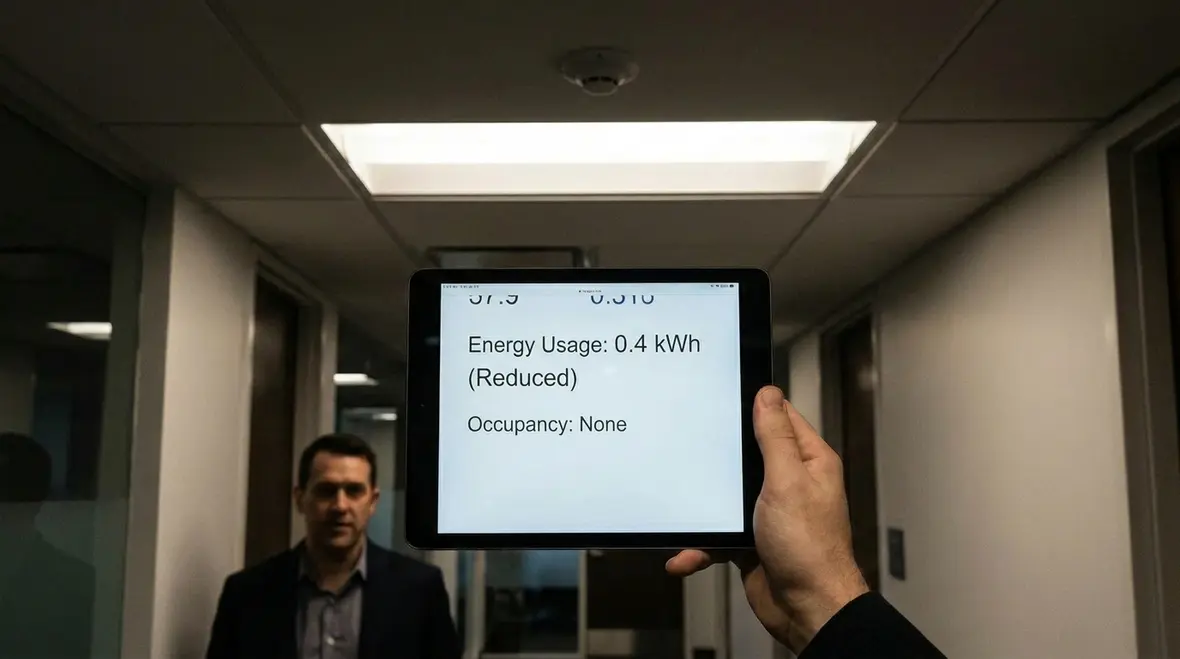
ROI does not come from fancy features alone. Instead, it grows from how lighting control systems reduce wasted runtime and improve the way light supports each task. For example, a simple time schedule may cut some usage, but it often fails on real days, like late meetings, early starts, shift changes, or partial occupancy. Therefore, modern systems use sensors, scheduling, and zone control to adjust lighting based on actual conditions.
At Kord Electric, we focus on three levers that influence cost and value. First, energy reduction comes from dimming and turning off lights when spaces do not need full output. Second, maintenance savings come from fewer lamp failures and less wear, since fixtures are not forced to run at full power all the time. Third, risk reduction comes from better system visibility, so facilities teams do not hunt for faults like detectives in a low light hallway.
Designing control zones that match how commercial spaces operate
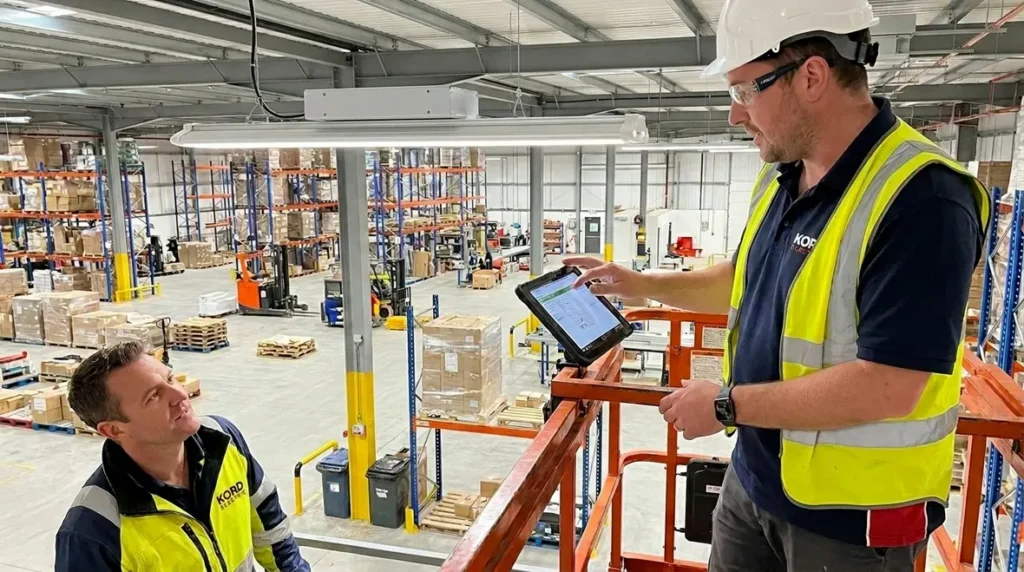
To maximize ROI, we map controls to the real building layout and usage pattern. That means we build zones around functional areas like corridors, conference zones, production support rooms, warehouses, and common areas. After that, we select control behavior that fits those zones. For instance, a warehouse might need robust daylight handling and occupancy response, while offices benefit from smooth dimming during daylight hours.
Next, we align switching and dimming strategy with the power and lighting architecture. Then we set up profiles for daytime, after hours, and special events. As a result, occupants do not feel like they are working under a mood ring. Lights respond, but they do it predictably.
Our technicians also consider how doors, motion, HVAC schedules, and even cleaning routines affect occupancy signals. In other words, we do not install controls and walk away like a magician leaving the rabbit in the hat. We install a system that behaves correctly.
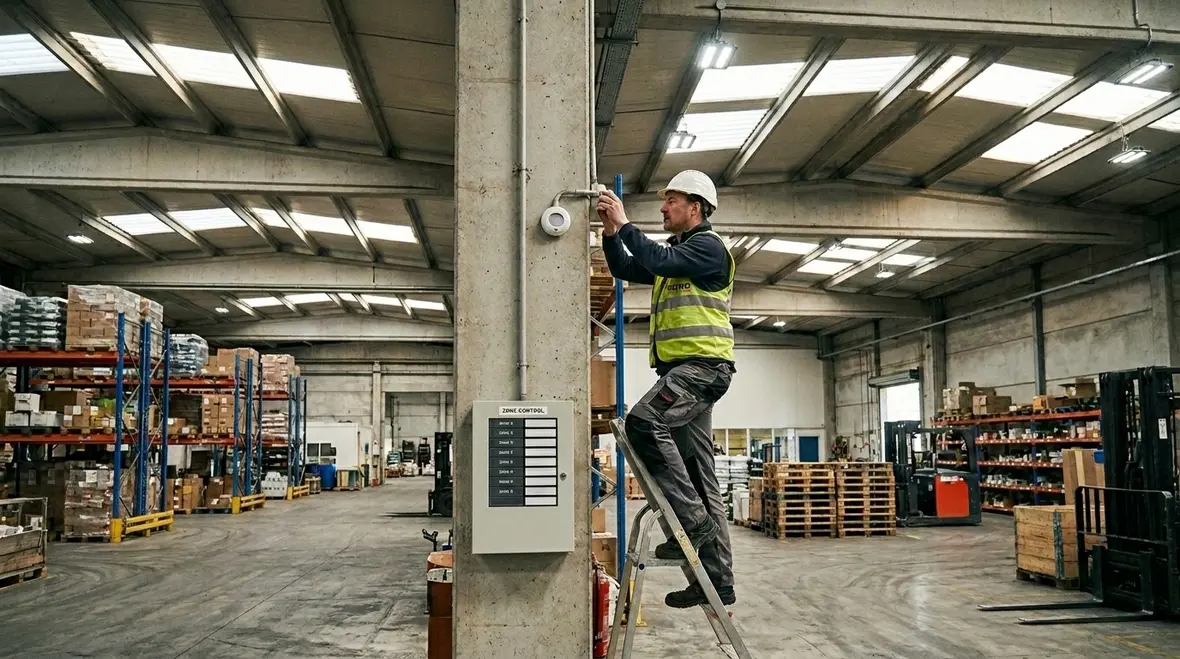
ROI accelerators: occupancy, daylight, and scheduling tuned for real use
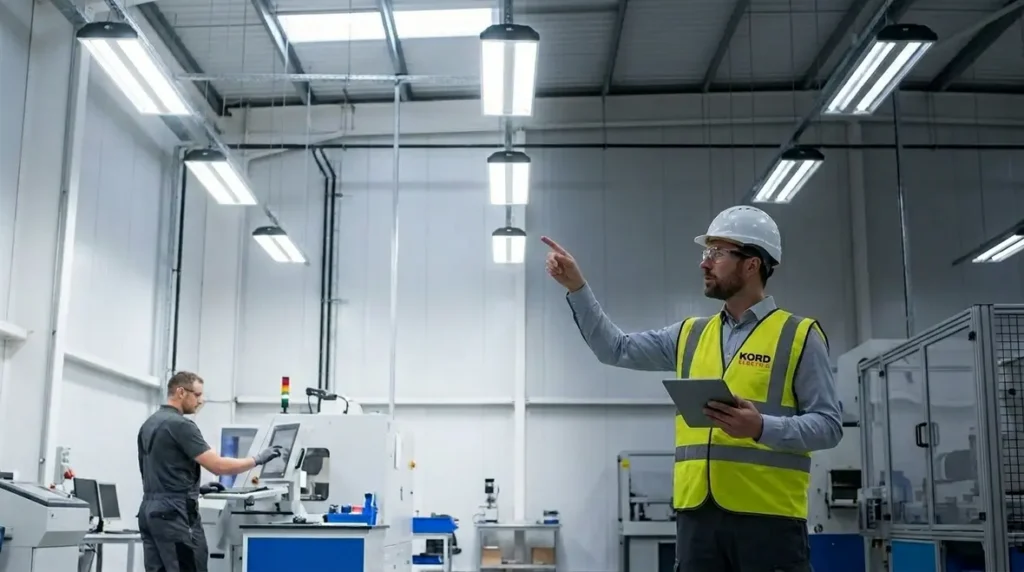
Once zoning is in place, the ROI gains usually come quickly from three core ideas. Occupancy control reduces unnecessary runtime. Daylight harvesting prevents lights from overcompensating when sunlight does the job. Scheduling ensures predictable behavior for standard hours. However, the key word here is tuned, because off by one setting can turn savings into “mystery costs.”
For occupancy, the system should react at the right sensitivity level and with a sensible time delay. If the delay is too short, lights flick on and off, which creates complaints and adds wear. If it is too long, lights stay on during brief gaps. Therefore, our team tests behavior to match each space’s patterns.
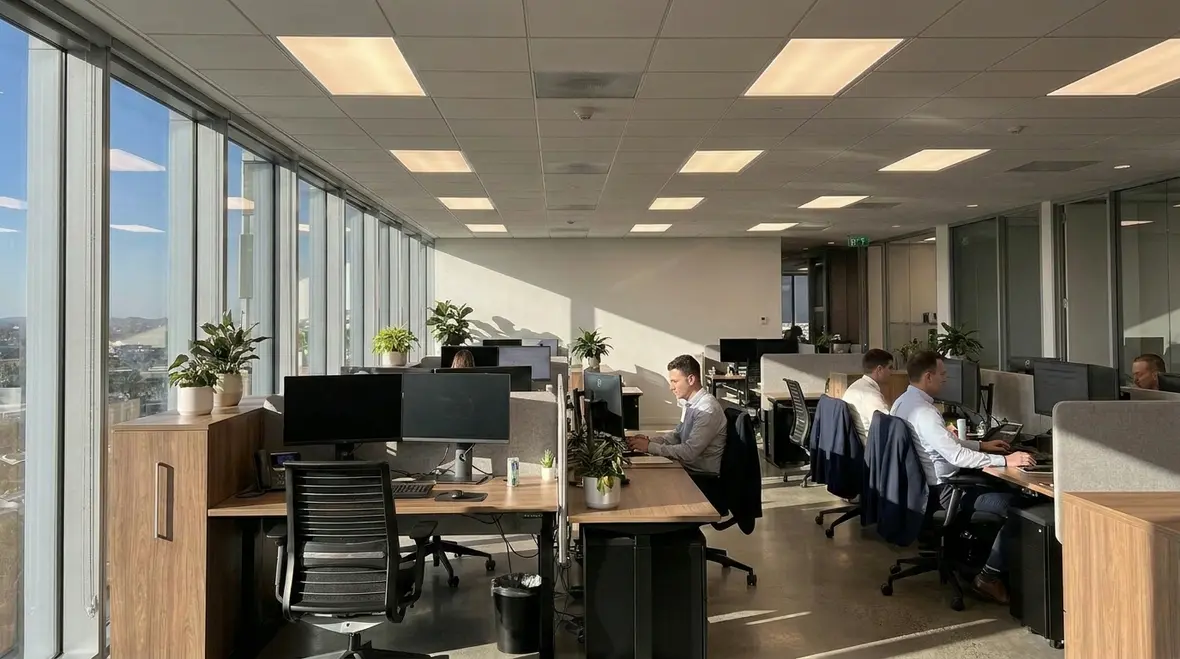
For daylight, we use sensor placement and calibration so the lights dim smoothly as daylight changes. That matters in offices near windows, but it also matters in major property buildings with skylights or large facade glass. Smooth dimming supports comfort, and comfort reduces the odds people override controls “for convenience.” Yes, that override happens. We plan for it and design around it.
Scheduling then adds reliability for times when occupancy is consistent. Yet we still account for variations, like weekend maintenance, seasonal changes, and shift work.
Service plans that protect ROI over time
Even great installations need ongoing attention. So we tie lighting control performance to long term maintenance and service discipline. Kord Electric supports commercial and industrial electrical maintenance plans that keep systems stable, documented, and ready for upgrades. If ROI is the goal, then reliability is the strategy.
We reference these service plans because they help prevent the slow decline that facilities teams sometimes accept. A sensor drifts. A controller gets misconfigured. A device fails quietly. Then, months later, the building team notices higher energy bills and reduced comfort, and everyone acts surprised. That is not a mystery. It is preventable.
Our approach follows the realities of commercial and industrial facilities. We help ensure the right checks happen at the right intervals, so controls stay responsive and accurate. Plus, our experienced service staff explains what they find, what it means, and what the next steps are. In other words, we do not just hand over reports. We translate them into actions the facility team can trust.
Upgrades and retrofits: improving existing lighting without disrupting operations
Many commercial buildings already have lighting infrastructure in place. So the question becomes: how do others improve control without shutting down operations? The answer is phased retrofit planning and careful integration.
First, we assess the current system and identify what can stay and what should be replaced. Then, we plan the retrofit in phases that align with tenant schedules, production hours, and building access rules. As a result, we reduce downtime and keep workflow steady. Additionally, we confirm power compatibility and control device integration so the new system communicates correctly.
Next, we test and verify performance after each phase. That includes checking sensor behavior, dimming response, scene settings, and any integration with building systems. Finally, we help building staff understand how to use the controls and when to call us for support. That last part matters, because a well designed system still needs human guidance. People are involved. Lights are forgiving. Facilities budgets are not.
For facilities planning major lighting work, pairing smart controls with professional installation through services like commercial and industrial lighting installation helps lock in performance, safety, and long term efficiency gains.
Making sure lighting control systems support people, not just spreadsheets
ROI lives on comfort and trust. If occupants feel irritated, they disable or bypass controls. Therefore, we design for natural behavior and clear lighting scenes. In offices, we consider task needs, desk placement, and glare reduction. In larger facilities, we focus on consistent visibility where safety and productivity matter.
Moreover, we program scenes that support how spaces are used. That means standard lighting for work, reduced levels for breaks, and off states for unoccupied periods. When controls behave the way people expect, adoption rises and overrides drop.
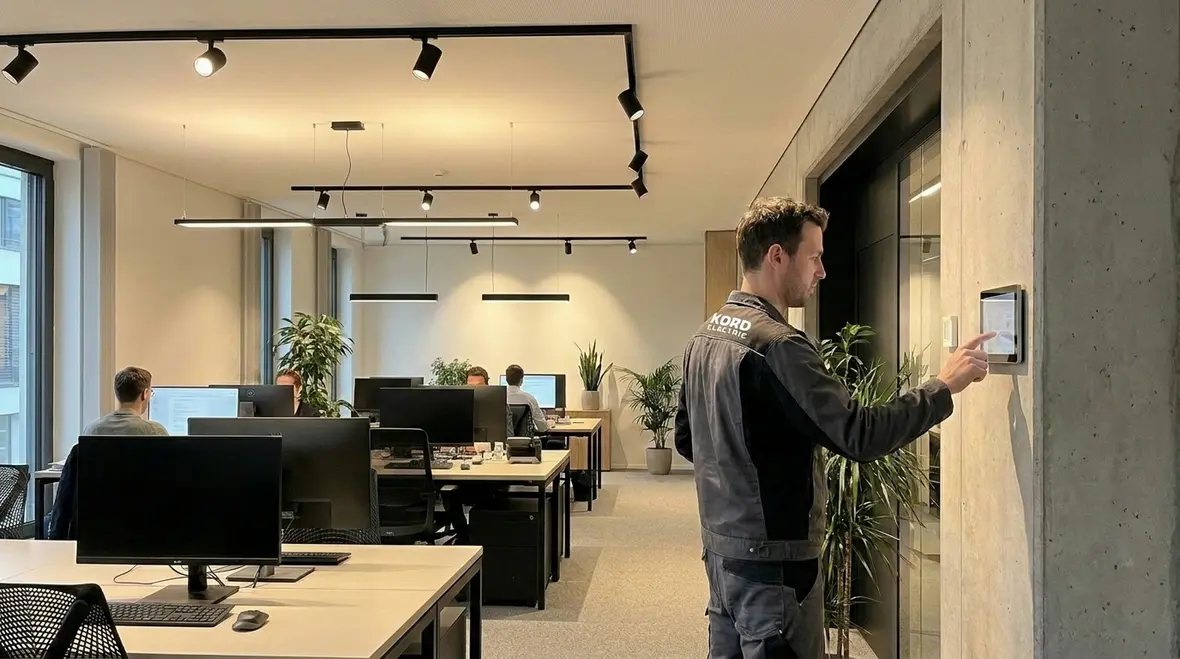
During walkthroughs, our technicians explain settings and response logic. They do it in plain terms, with real examples from the building. Then, if the team wants adjustments, we help tune them rather than forcing everyone into “set and forget” thinking. And to be fair, no one wants lights that act like they have a mind of their own. We keep it controlled.
FAQ
Conclusion: let Kord Electric maximize your ROI with lighting control
In commercial and industrial buildings, ROI depends on more than equipment. It depends on smart design, careful tuning, and service that protects performance over time. Kord Electric brings modern lighting control planning and expert electrical service to major property buildings, and we explain every step through the process. If you want lower energy use, better comfort, and fewer maintenance headaches, call us and we will map a plan that fits your facility. Let’s make those lights work smarter, not louder.
If your facility is planning new lighting, retrofits, or broader infrastructure upgrades, our dedicated service lines — from structured electrical preventive maintenance programs to full-scale lighting installation services — can be integrated with lighting controls to support long term reliability and measurable ROI.