Preventative Maintenance for Electrical Distribution
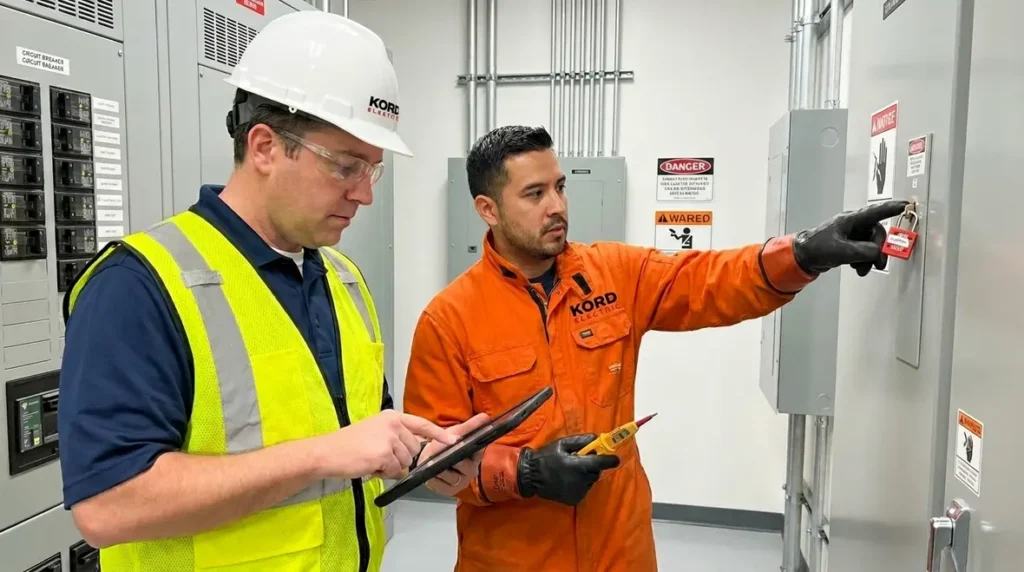
At Kord Electric, we build a preventative maintenance for commercial electrical distribution systems approach that keeps power steady, protects your assets, and reduces surprise outages. We do it with planning that is proactive, not reactive. In practice, our team walks the electrical path from incoming service to distribution panels, and then outward to the loads that depend on it. That way, we catch problems early, while the cost is still reasonable and before your downtime becomes a headline. And yes, we understand that electrical issues love to show up at the worst time, like a movie villain who reads the schedule.
How a strategic electrical maintenance plan reduces failure risk
Commercial and industrial facilities do not run on wishful thinking, and neither should their electrical distribution systems. First, we define what failure would mean for your operation. Then we map critical loads, equipment locations, and power pathways. After that, we set inspection and testing tasks based on how the system behaves, not just on a calendar that feels convenient to humans.
Our expert service staff explains this step clearly, because when people understand the “why,” they support the “what.” Therefore, our technicians prioritize components that commonly degrade under real conditions, such as terminations, bus connections, breakers, switchgear sections, transformers, and feeders. Next, we also consider the environment: heat, humidity, dust, vibration, and any industrial process that creates electrical stress. As a result, the plan matches your building reality, not a generic template.

What we audit first in electrical distribution networks
Before we touch schedules, we audit. We start with documentation and system history, then we confirm what exists in the field. Specifically, our team reviews single line diagrams, protective device settings, recent service tickets, breaker maintenance records, and any changes made over the years. Then we compare those documents to the current installation.
Once the picture is accurate, we conduct a visual and operational baseline. We check labeling quality, observe enclosure condition, verify proper torque evidence where applicable, and look for signs of overheating at terminations and connections. Additionally, we assess how protective devices coordinate, because poor coordination is like letting everyone sprint in different directions during a fire drill.
Our technicians also explain findings in plain language. So, while we do the technical work, the client learns what matters, what is urgent, and what can wait. That transparency builds confidence and keeps the maintenance effort aligned with the facility’s operational goals.
Thermal imaging, testing, and inspection that actually change outcomes
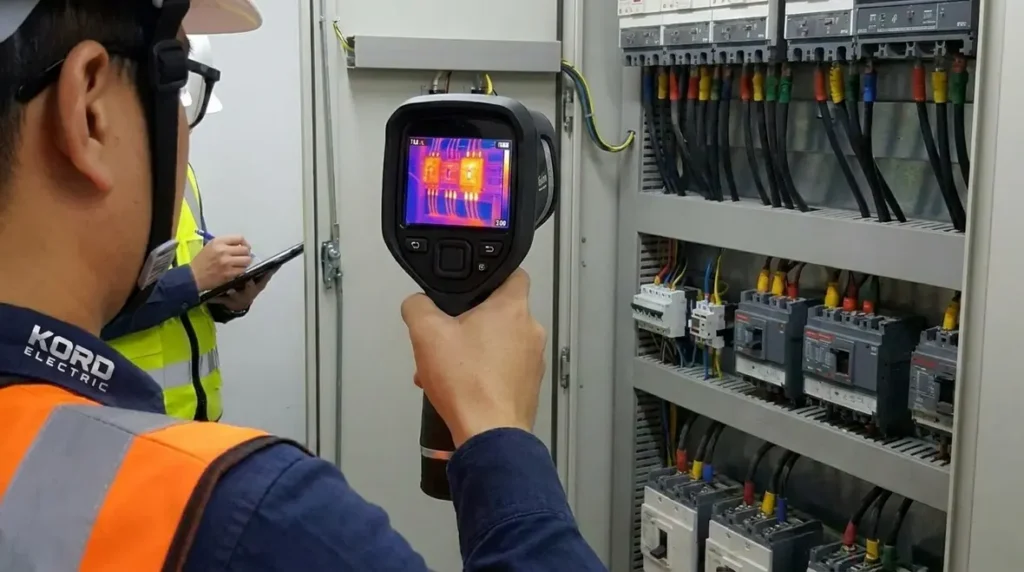
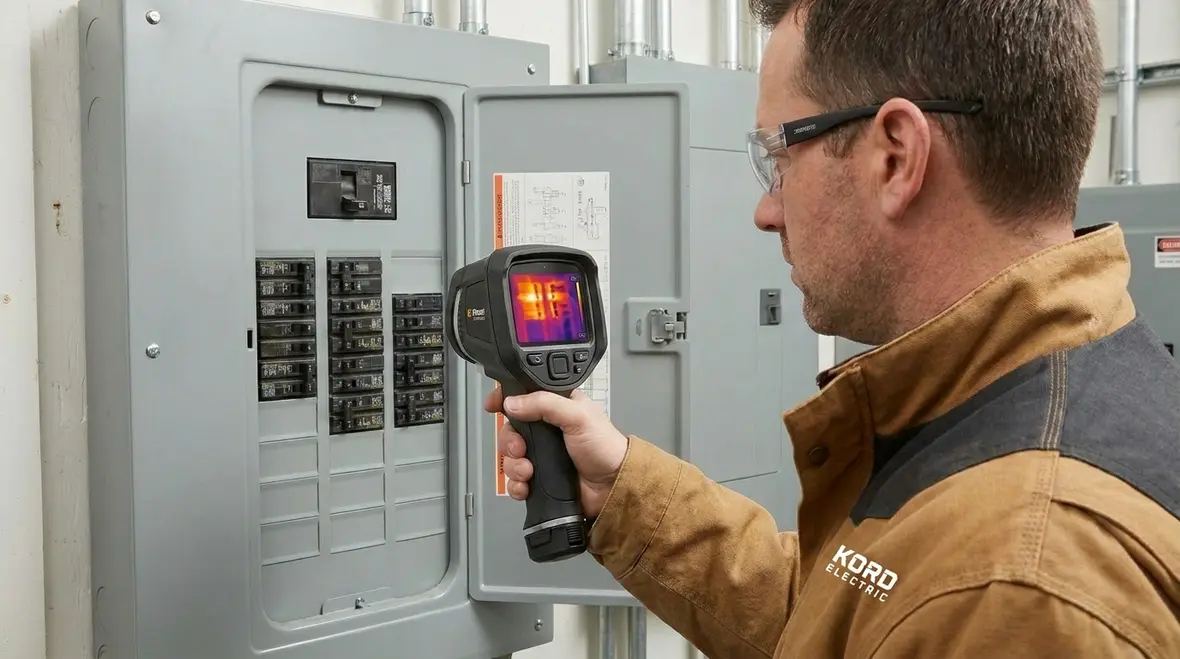
Inspection is not the same as insight. That is why preventative maintenance for commercial electrical distribution systems must include targeted diagnostic work. Thermal imaging helps reveal abnormal heat patterns at connections, bus structures, and breaker interfaces. However, we do not stop at the camera view. We also verify the cause and check if the heat source relates to load imbalance, loose terminations, aging insulation, or failing components.
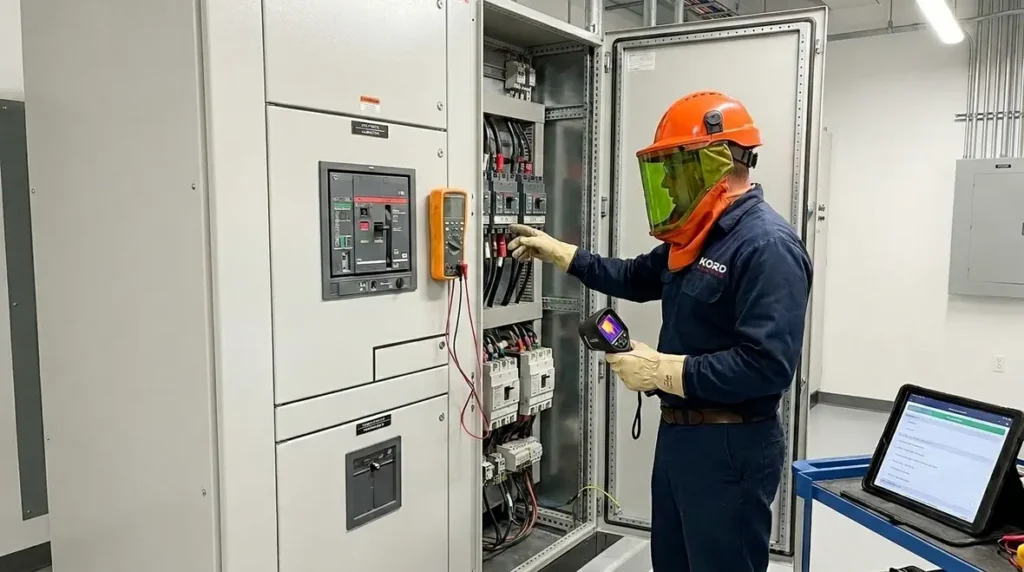
In addition, we use electrical testing methods that support decisions, such as contact resistance and insulation checks where appropriate for the equipment type and design. We also evaluate protective device performance and settings in the context of your system coordination. In other words, we test to confirm the system’s behavior, not simply to collect data that nobody trusts.
Then we package the results into action items with clear recommendations and priorities. And yes, we include the “boring” details that prevent the next “exciting” failure. We have seen enough facilities that treated data like it was a magic spell. It is not. Data becomes value when we link it to repairs, tuning, and follow up.
How we build a maintenance schedule by risk, not convenience
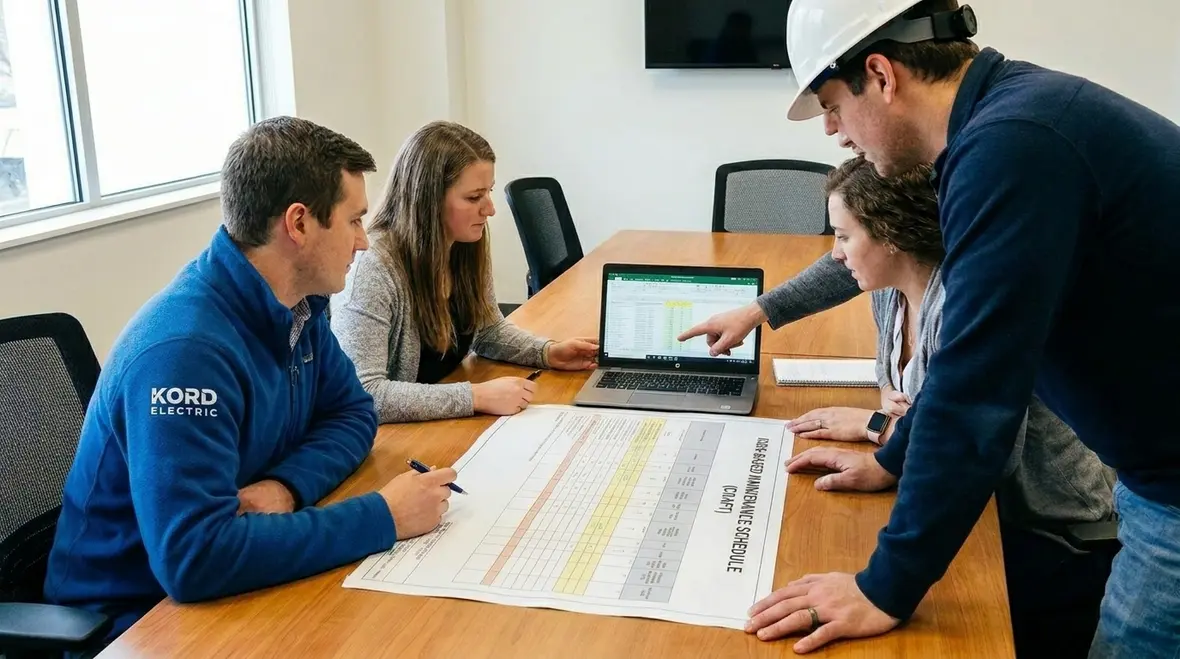
After the audit, we create a plan that makes sense for the way power moves through the building. First, we group equipment into tiers based on criticality and operational impact. Then we layer in risk factors such as loading history, duty cycle, prior disturbances, and the stability of the protective scheme.
Next, we align tasks to realistic access windows. We plan shutdown impact for commercial and industrial facilities with careful coordination, because maintenance should not create a second problem. Therefore, we use a mix of on line observations, off line testing, and scheduled servicing based on equipment needs.
To keep the plan effective, we also include review points. If your facility adds new equipment, expands manufacturing lines, or upgrades HVAC loads, we revisit the plan. This prevents what we call “maintenance drift,” where the schedule becomes a fossil and the system moves on.
Documented reports and clear communication that keep teams aligned
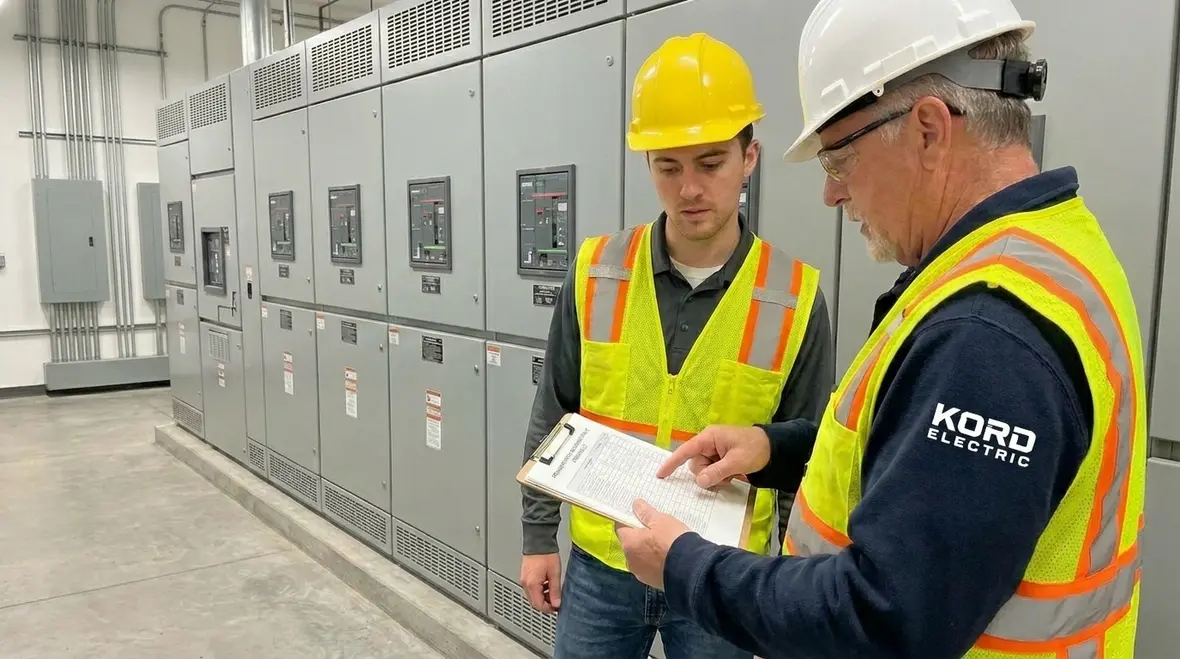
Facilities teams do not need mystery. They need clarity, timelines, and documentation they can trust. Our expert service staff provides reports that show what we checked, what we found, and what we recommend. Furthermore, we document conditions that could lead to failure, such as recurring hotspots, signs of contamination, moisture intrusion indicators, or evidence of mechanical stress at terminations.
In addition, we explain the next steps in a way operations and maintenance leaders can act on immediately. So, we align your electrical preventative maintenance for commercial electrical distribution systems with procurement, staffing, and downtime planning.
Here is how we structure results for easier decision making:
- Condition summary that highlights abnormal findings
- Risk ranking tied to operational impact
- Recommended actions with timing guidance
- Evidence such as thermal notes and test outcomes where applicable
We also keep communication simple during walkthroughs. If a client asks a question, our technicians answer it directly, and if something is unclear, we clarify until it makes sense. Because a maintenance plan is only useful if it can be managed.
Using the data center electrical infrastructure playbook as a model
Sometimes the best way to improve reliability is to learn from environments that already demand it. Our blog on data center electrical infrastructure essentials emphasizes how distribution design, protection, and monitoring must work as one system. We apply that same thinking to commercial and industrial facilities where uptime matters and electrical distribution must support demanding operations.
For example, the data center mindset drives disciplined change management. When facilities upgrade loads, we confirm the impact on distribution and protective coordination. Also, we treat monitoring as a strategy, not a decorative feature. We ensure that the plan includes the right checks for switchgear health, feeder condition, and bus interfaces.
Additionally, we use the same philosophy for maintaining clarity across teams. People may not share the same job title, but they can share the same plan. Thus, our technicians help translate what the electrical system is telling you into actions that your facilities team can schedule.
Because when power reliability fails, it rarely fails politely. It fails loudly. Like a pop quiz you forgot existed, only it powers your entire operation.
FAQ
What outcomes should commercial facilities expect
When we deliver a strategic plan, the results show up in reliability, safety, and accountability. First, facilities often see fewer nuisance trips, fewer overheating alerts, and fewer “we will deal with it later” issues that turn into major emergencies. Second, teams gain better visibility into the distribution system’s condition, so repairs become planned events, not surprise fires.
Moreover, preventative maintenance for commercial electrical distribution systems improves protective device confidence. When protection works as intended, it reduces the chance that a fault spreads or that your system responds too slowly. And in a commercial environment, that difference matters.
Finally, we help your team avoid downtime caused by outdated assumptions. Equipment changes. Loads change. Your plan should change too. That is why we review and update the maintenance schedule as conditions evolve.
Ready to strengthen power reliability for your facility
If you operate a commercial or industrial building where electrical performance affects safety and productivity, now is the time to move from reactive patchwork to disciplined preventative maintenance for commercial electrical distribution systems. Kord Electric builds risk based plans, performs targeted diagnostics, and delivers clear reports your team can act on. Contact us today to schedule an electrical distribution health review. We will walk your system, explain what we see, and map the next steps with calm confidence, not guesswork.
For facilities that need a structured, long-term approach to electrical reliability, explore our dedicated service offering for electrical preventive maintenance. This program extends the life of critical assets, supports compliance, and keeps commercial and industrial operations running with fewer surprises.
If your facility is already dealing with unstable power, nuisance trips, or unexplained voltage swings, pairing a preventative maintenance strategy with targeted repair services can stabilize your system faster. Our team frequently supports organizations working through issues like voltage fluctuations in commercial and industrial facilities, ensuring that once problems are fixed, they stay fixed through disciplined maintenance.