Manufacturing Electrical Inspection Checklist Guide
Manufacturing Electrical Inspection Checklist for Safer, Smoother Operations
At Kord Electric, we treat the manufacturing electrical inspection checklist like a calm, methodical walk through a machine room before production starts. In the first pass, our technicians verify that key systems look right, then they check why they look right. Our checklist helps others catch worn parts, loose connections, signs of heat, and weak controls before they turn into downtime. And yes, we have seen enough “mystery smells” to know that electrical issues rarely announce themselves politely. That is why we document conditions, note any risk, and recommend clear next steps that keep commercial and industrial facilities running with fewer surprises.
What a Manufacturing Electrical Inspection Checklist Actually Includes
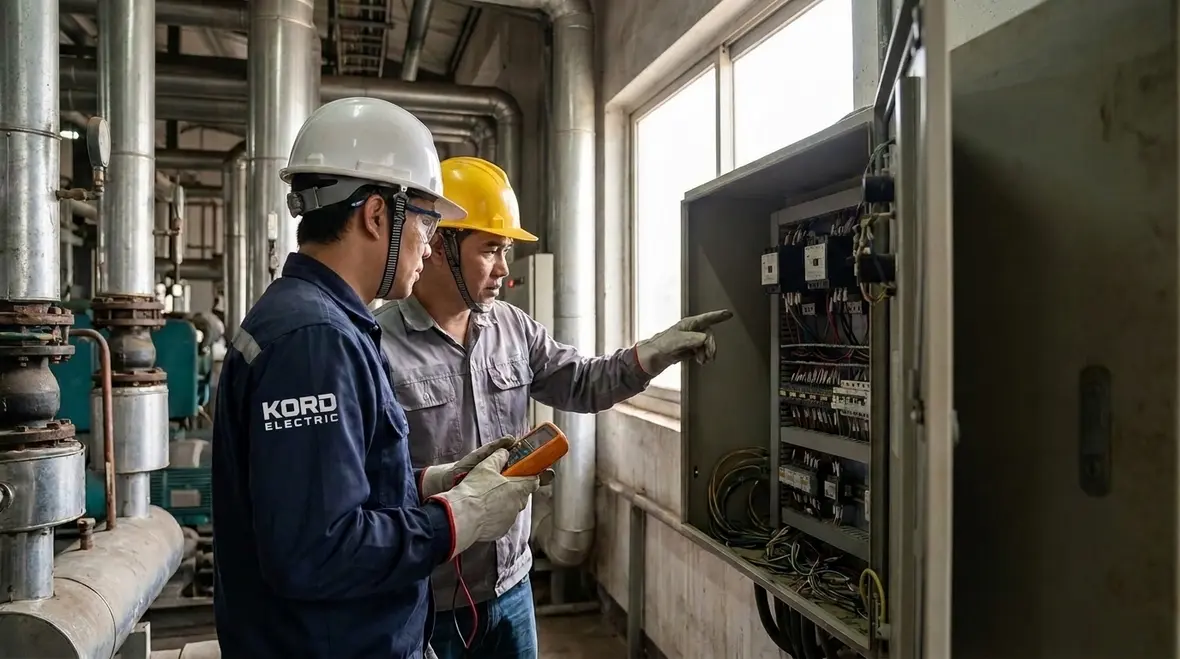
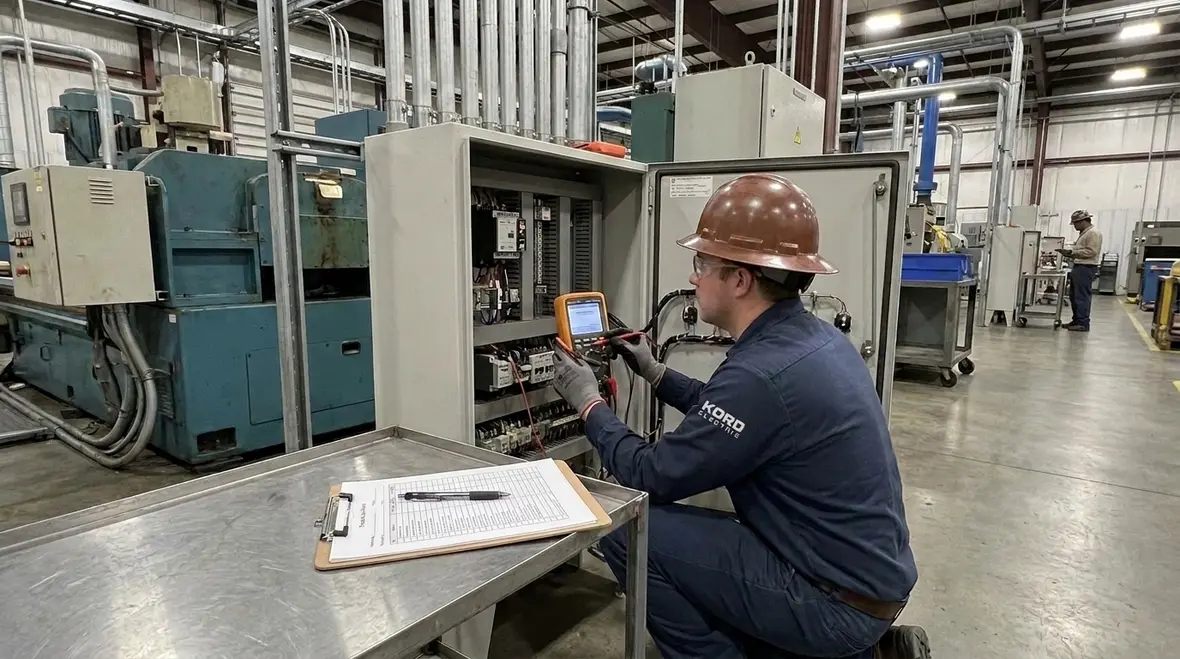
During an inspection, we do more than skim panels and glance at labels. First, we focus on the parts that affect reliability and safety across a facility. Next, we verify that the electrical system matches how the equipment is supposed to operate, not just how it has been operating so far. Then we connect observations to likely causes, so our clients understand what happened and what will likely happen if they ignore it.
Our approach typically covers these inspection areas. We tailor them based on system type, age, and usage, yet the logic stays consistent:
- Service and distribution checks, including main switchgear, feeders, and bus connections
- Protective devices verification, such as breakers, fuses, and coordination for overload and fault protection
- Panel and cabinet condition, looking for corrosion, water intrusion, damage, and improper access
- Grounding and bonding, because every facility needs a safe path for fault current
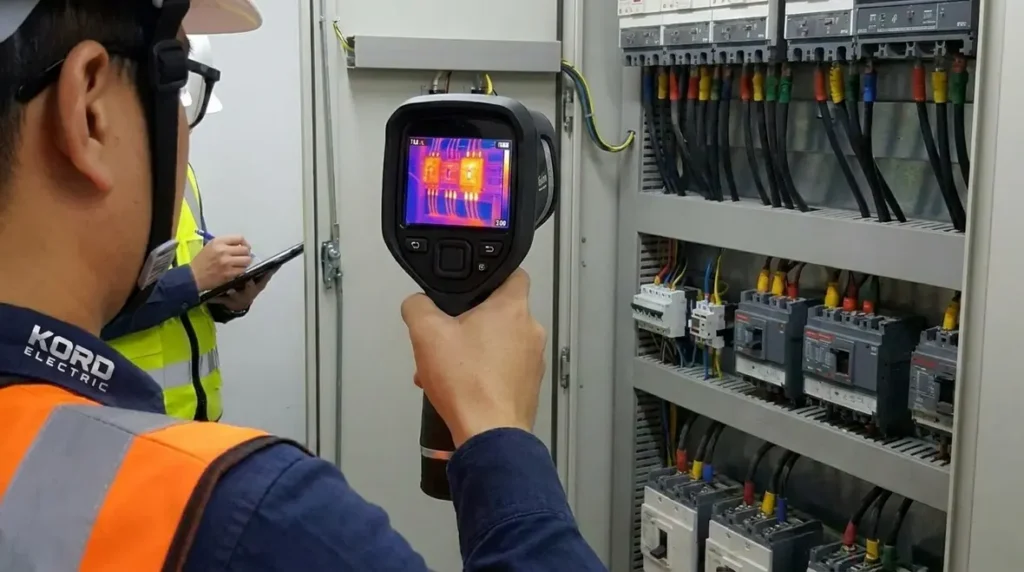
- Component health review, including signs of overheating, aging insulation, and worn terminations
- Control and safety systems observation, covering interlocks, relays, and motor controls
Also, we do not treat this as a one time event. Instead, we build an inspection rhythm that fits the facility schedule, production demands, and maintenance windows. If you think preventive work sounds boring, that is only because it is working. The real excitement comes later, when the plant stays up.
How We Inspect Without Interrupting Production
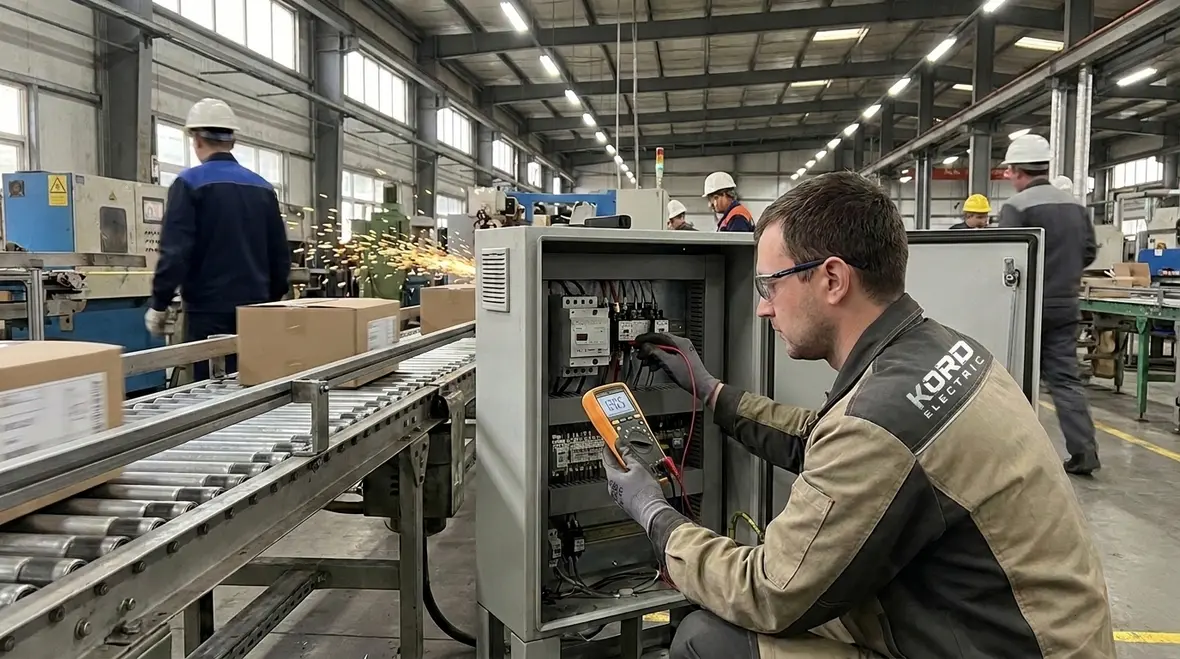
Industrial sites run on time. Therefore, we plan inspections like part of the process, not like an interruption. First, our expert service staff reviews the facility layout and existing maintenance history. Then we choose access points that reduce downtime and limit traffic in sensitive areas. Next, we coordinate with operations, so testing does not clash with shifts, deliveries, or critical production runs.
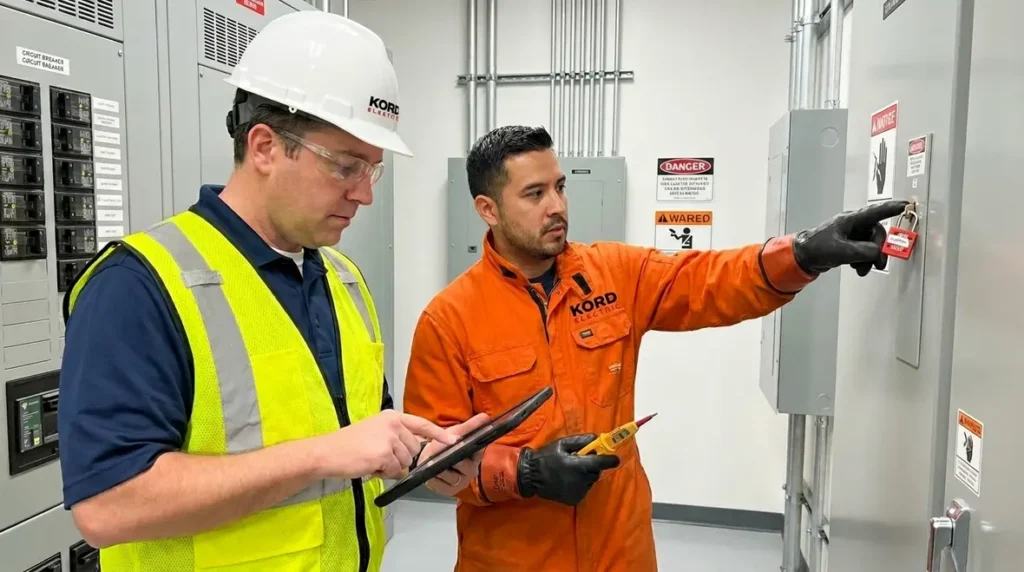
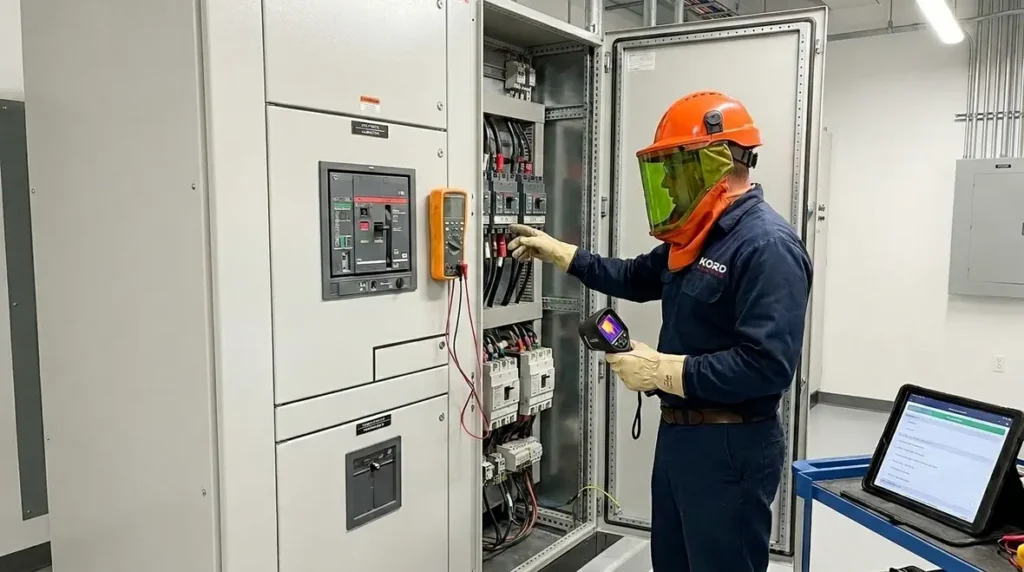
On site, our technicians use a step by step workflow. For example, we verify labeling and as built accuracy before opening cabinets. After that, we confirm energized and non energized areas are handled safely. Then we perform condition checks and targeted tests where they make sense, so we can support recommendations without guessing.
We also communicate clearly as we go. One minute a technician is explaining what they see, and the next minute they are explaining what it could mean. That calm clarity helps others avoid the classic “we will deal with it later” trap. And yes, we have heard that phrase right before a breaker trip turned into a full shift delay. We prefer the earlier version, when there is still time to fix it properly.
Common Electrical Findings in Industrial Facilities
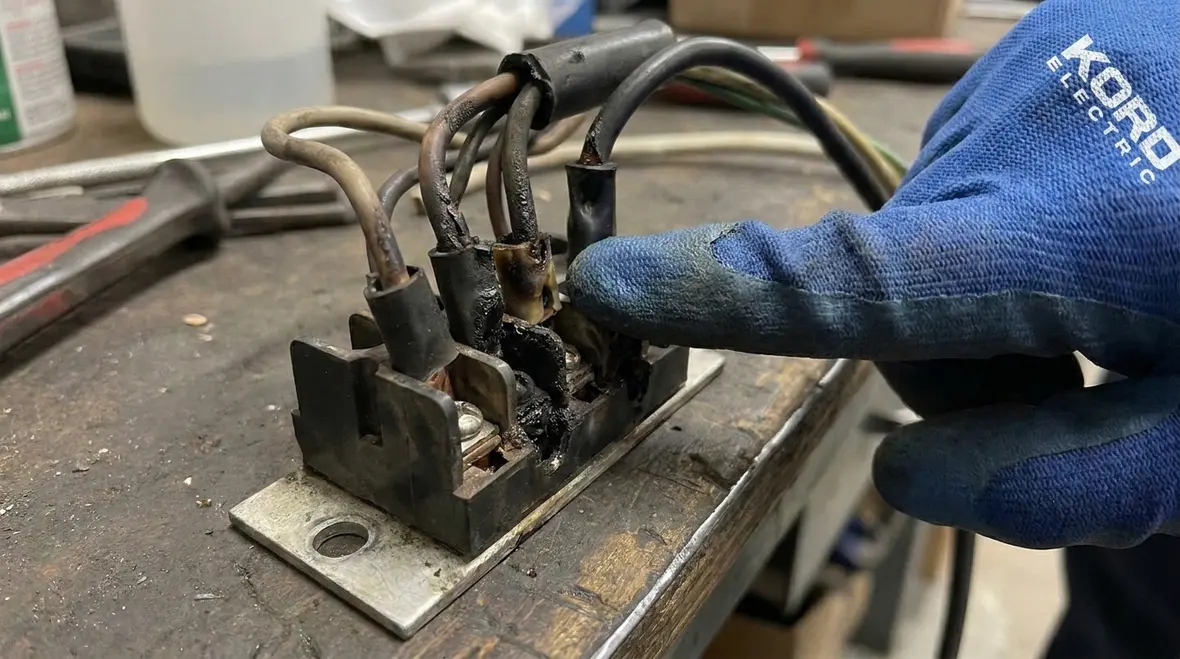
Not every facility has the same issues, but patterns show up again and again. As inspections repeat across commercial and industrial sites, we see similar risks that grow quietly until they become expensive. Below are typical findings we explain to clients in plain language, so the next maintenance decision feels grounded, not like a gamble.
- Loose or overheated terminations: heat leaves evidence, often in the form of discoloration or brittle insulation
- Overloaded circuits: when current trends drift up, equipment life shrinks faster than most budgets
- Worn contactors and motor starters: reduced reliability shows up first as nuisance issues, then as failure
- Corroded or contaminated enclosures: moisture and dust can turn a clean system into a chronic problem
- Grounding weaknesses: when bonding is incomplete, safety performance drops and faults become more dangerous
- Control panel drift: small changes and aging components can lead to unexpected behavior
What matters most is how we interpret these findings. Our technicians do not just label them as “needs attention.” Instead, we connect each observation to a likely mechanism and a recommended correction path. Consequently, our clients gain a clear view of risk levels and a plan that aligns with their operating realities.
Preventive Maintenance That Supports the Inspection Plan
Inspections work best when they feed a full preventive maintenance routine. Kord Electric supports this with a practical mindset: we inspect, then we follow through. Our work aligns with the preventive maintenance concepts described in our electrical preventive maintenance approach at kordelectric.com/electrical-preventive-maintenance/. In other words, the inspection is not a report that sits in a folder. It becomes a living schedule that reduces breakdowns.
Here is how the cycle typically stays useful over time. First, we create a baseline through documented inspections. Then we prioritize fixes by impact on safety, uptime, and equipment longevity. Next, we schedule service so we address higher risk items earlier. After that, we re inspect and verify improvements. That loop keeps the facility from slipping back into “it was fine last year” thinking, which is a bit like assuming the gym results will maintain themselves. They will not.
Inspection Checklist Deliverables Our Team Provides
After each site visit, others expect a clear outcome. We deliver that outcome in a way facilities can use. Our expert service staff explains the findings and recommendations, and we make sure the documentation supports planning, budgeting, and tracking.
Clients typically receive:
- Condition summary covering major system areas and what we found
- Risk notes that help others understand urgency and potential impact
- Recommended actions, including what to fix now versus what to schedule later
- Photos and details where they help describe the problem without extra guesswork
- Maintenance guidance that fits commercial and industrial facility operations
To help clients visualize the priorities quickly, we often present two focused views side by side: the immediate safety and operational risks, and the longer term reliability items. This structure keeps leadership informed and helps maintenance teams act without confusion.
Immediate priorities
- Unsafe conditions
- Items that can cause trips or outages
- Components showing heat or damage
- Grounding and bonding gaps
Ongoing reliability items
- Aging components that trend downward
- Enclosure maintenance needs
- Control tuning and verification
- Preventive intervals updates
Frequently Asked Questions for Facility Electrical Inspections
Why Kord Electric and Our Technicians Make the Difference
Some companies hand over a document. We do that too, but we also do the part that matters most: we explain what it means for your facility, and we help others act on it. Our technicians bring an inspection mindset, while our expert service staff supports continuity from findings to preventive work. Because when the same team understands the system and the site constraints, the fixes land with fewer surprises.
In the real world, electrical problems do not wait politely for the next shutdown window. They build momentum quietly, then they collect the bill all at once. We would rather help others catch the issues early, when the repair is manageable and the business stays steady.
For facilities that want a broader strategy, Kord Electric also supports structured programs like our electrical preventive maintenance service and tailored Los Angeles County electrical services. Pairing your manufacturing electrical inspection checklist with these services keeps inspections, testing, and corrective work aligned under one calm, dependable plan.
Take the Next Step With a Practical Inspection Plan
If your facility runs on uptime, then your electrical inspection plan should do the same. Kord Electric supports commercial and industrial buildings with thorough inspections, clear explanations from our technicians, and preventive maintenance follow through. Now is the time to reduce risk, protect safety, and support steady operations before small issues grow teeth. Contact us today to discuss your site needs, inspection timing, and priorities, and we will build a plan that fits your maintenance schedule.
Whether you are refining a manufacturing electrical inspection checklist from the ground up or updating an existing program, we are ready to connect inspections, troubleshooting, and long term care into a single, practical roadmap. From switchgear and panels to controls and grounding, our team keeps the focus on reliability, safety, and real world production demands.
If you would like help translating inspection findings into a structured maintenance path, our technicians and service staff can coordinate ongoing support that aligns with your broader commercial and industrial electrical maintenance goals, including comprehensive inspection and maintenance plans for facilities across Los Angeles County.