Manufacturing Plant Electrical Hazard Mitigation
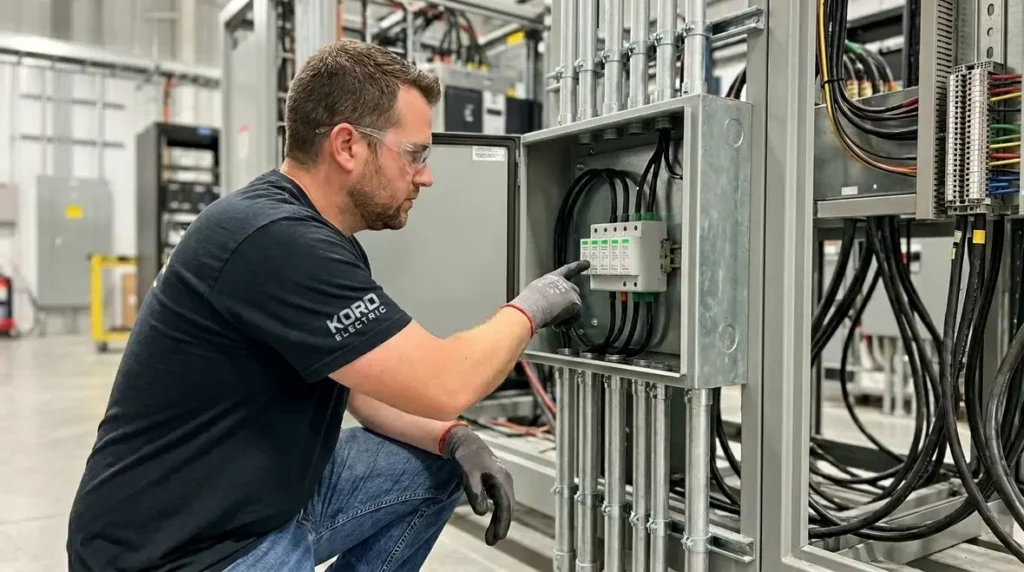
At Kord Electric, we plan for Manufacturing plant electrical hazard mitigation before something fails on the floor. That means our team focuses on the real-life risks found in commercial and industrial facilities and major property buildings, where downtime hurts, injuries cost, and “we will get to it later” becomes a bad strategy. First, we look at how electrical systems behave during normal operation. Then we predict what will happen when heat, vibration, moisture, dust, and human behavior team up like an uninvited supergroup. Finally, we build a mitigation plan that works with production schedules, not against them.
What proactive hazard mitigation looks like in real manufacturing plants
In practice, proactive means we act before hazards turn into incidents. We do this by treating electrical systems like living equipment, not static assets. For example, we track where failures tend to start. We then reduce the chance that a single bad connection, degraded insulation, or blocked ventilation path turns into arc flash, shock, or a fire event.
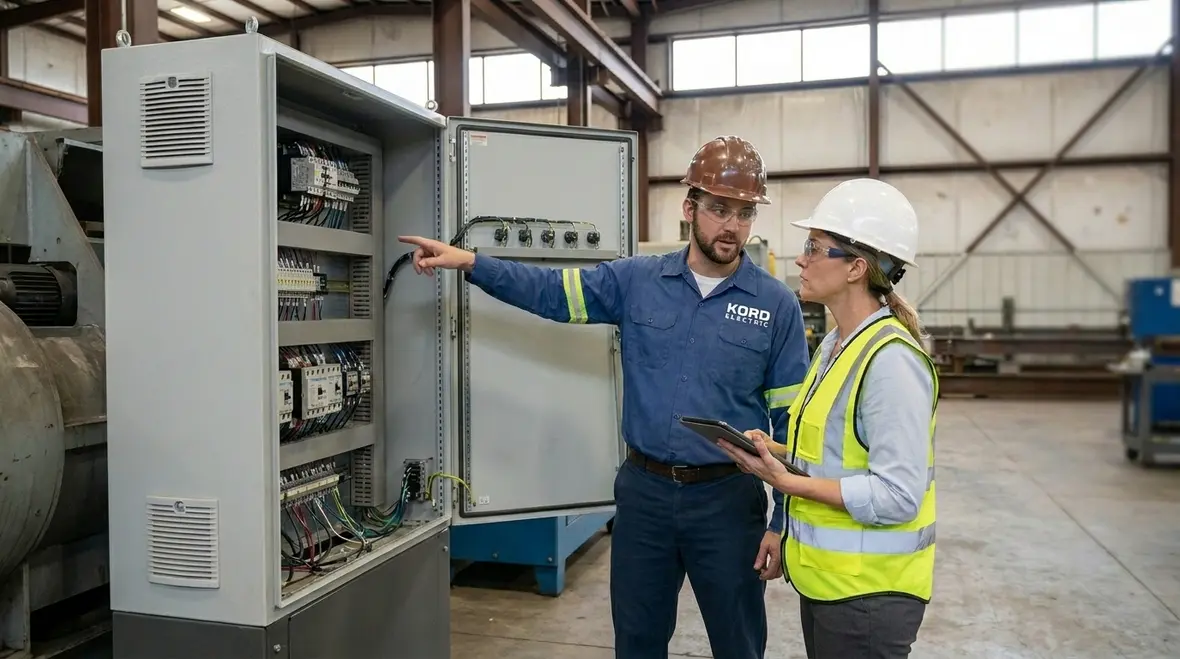
Our expert service staff does not just “inspect and leave.” Instead, they explain what they see in plain language, so plant managers and maintenance leads understand why a condition matters. And yes, we keep the mood calm. Even if we find a terminal that looks like it survived a small apocalypse, we explain it like a story with a lesson, not like a lecture.
To keep mitigation practical, we align the plan to the facility’s workflow. Therefore, we prioritize high consequence areas first, such as distribution panels, MCCs, motor control circuits, and feeder paths that support safety critical loads. Next, we address the supporting details, including labeling, routing, gland sealing, and protective device coordination. When we do this in the right order, the plant sees measurable risk reduction without unnecessary shutdowns.

How hazards form: the usual suspects inside electrical systems
Most electrical hazards in industrial settings do not appear from nowhere. They build over time, usually in predictable ways. And because the causes repeat, we can prevent them with targeted work rather than generic checklists.
Common contributors include loose terminations, contamination, thermal stress, aging insulation, and inadequate protection. For example, a loose bolted connection can create hot spots. Over time, that heat accelerates insulation aging and can weaken busbar joints. Meanwhile, dust and moisture can reduce insulation resistance and encourage corrosion. Then, protective devices may not trip quickly enough if settings are off or if maintenance has been deferred.
We also account for “plant reality.” People move cables, add equipment, swap components, and change loads. Consequently, systems drift away from how they were originally engineered. Load growth and periodic expansions can shift fault currents and affect protective coordination. So even a panel that looked fine last year can become a different animal today.
Our technicians approach this systematically. They look for evidence of heating, mechanical stress, and control circuit issues that point to deeper problems. Then they tie those findings to risk, so the mitigation plan targets root causes, not just symptoms.
Risk mapping that leads to safer decisions
To guide mitigation, we use a risk mapping approach that connects electrical conditions to outcomes. That means we do not only find defects. We connect those defects to energy, exposure, and operational impact.
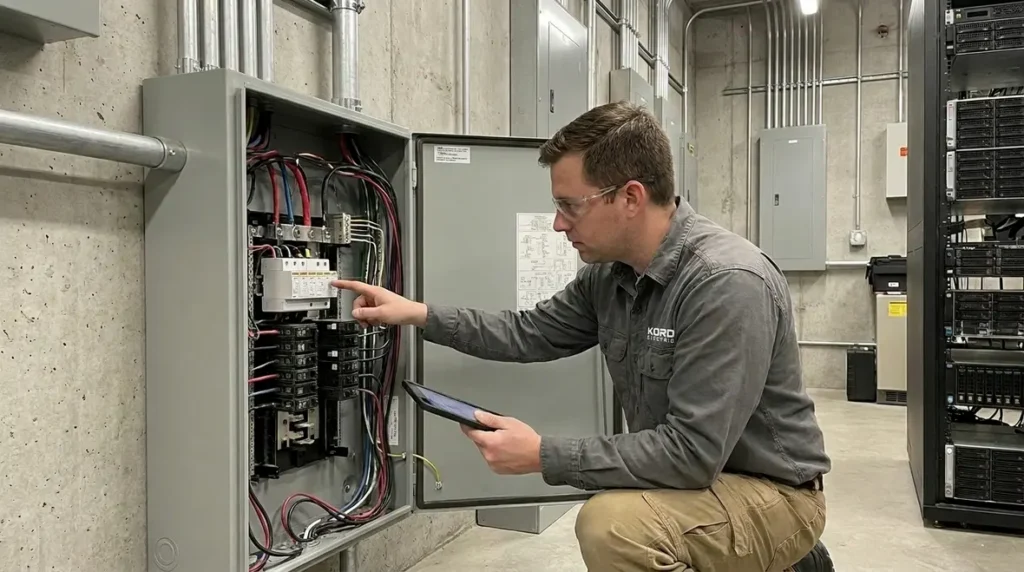
First, we gather electrical system information, including one line diagrams, panel schedules, and equipment histories. Next, we confirm what exists in the field. Then we analyze how faults would behave, where energy would go, and how quickly protective devices should interrupt it.
After that, we prioritize actions using a simple principle: prevent the high energy events and the high exposure situations first. For instance, we typically prioritize areas with higher likelihood of faults due to cable routing constraints, moisture exposure, or recurring maintenance activity. We also focus on zones where technicians must work near energized components. That includes access panels, bus transition points, and areas with frequent troubleshooting.
Once we build the mitigation roadmap, our expert service staff walks stakeholders through the logic. We explain what changes reduce the hazard and what changes reduce consequences. And if someone asks, “Can we just tighten a few screws and call it done?” we smile politely and explain why that approach sometimes works like duct tape on a leaking boiler. It feels helpful until it does not.
Mitigation measures we implement for manufacturing electrical systems
When we execute Manufacturing plant electrical hazard mitigation, we use measures that fit industrial environments and support long term performance. We focus on reliability, safe access, and protective effectiveness.
1) Thermal and mechanical integrity checks
We inspect terminations, bus connections, and cable entry points. We verify torque where appropriate, look for signs of heating, and evaluate mechanical strain. This matters because heat and vibration do not negotiate. They damage connections and degrade materials until a failure becomes likely.
2) Insulation and moisture control
We test insulation condition and we check for moisture intrusion pathways. We then address sealing, drainage, and enclosure integrity. In many industrial facilities, water and condensation behave like “silent problem generators,” especially where HVAC cycles or washdown areas exist.
3) Protective device coordination and settings
We review protective device performance, including breaker and fuse selection, trip behavior, and coordination across levels. If settings drift, fault clearing can slow down, which raises risk. Therefore, we verify that devices operate as intended for the system conditions.
4) Arc flash and shock hazard reduction
We apply practices that reduce exposure during work. That can include improved labeling, safer working distances, proper barriers, and switching strategies that allow de energization when feasible. Our technicians explain how each change helps workers stay safer during normal maintenance.
5) Clear labeling and standards aligned documentation
Even the best equipment can become unsafe when people cannot identify it quickly. We improve labeling accuracy, update drawings, and standardize component identification. When operators and electricians can find the right equipment fast, fewer mistakes happen. And fewer mistakes mean fewer surprises.
Yes, labels matter. They prevent that special kind of confusion where someone opens the wrong door and then everyone pretends not to panic. We would rather avoid that plot twist.
Maintenance planning that keeps hazards from coming back
Mitigation is not a one time project. We build ongoing maintenance planning so the improvements last. First, we help define inspection intervals based on equipment type, operating environment, and observed conditions. Then we set maintenance tasks that focus on the things that actually degrade in real facilities.
For example, we support schedules that include inspection of bolted connections, checks for enclosure integrity, review of protective device condition, and verification of insulation health where the environment warrants it. Also, we incorporate a change management approach, so when someone adds a machine, extends a circuit, or upgrades a control system, the safety picture updates too.
Our technicians and expert service staff coordinate with facility leads, so maintenance does not disrupt production more than necessary. Instead of random downtime, we schedule work during planned windows and we stage materials ahead of time. Consequently, the facility gets risk reduction with less disruption, and the team spends less effort undoing problems created by hasty upgrades.
In large buildings and industrial campuses, we also consider how electrical systems interact across different areas. Shared feeders, utility connections, and networked controls can create unexpected pathways for faults. Therefore, we help ensure mitigation measures do not create new issues elsewhere.
For facilities building long-term programs, our approach aligns naturally with structured electrical preventive maintenance across commercial and industrial properties, so Manufacturing plant electrical hazard mitigation becomes part of an ongoing reliability strategy rather than a one-time project.
Dual column: examples of what we fix first and why
Priority area |
What we do |
Distribution panels and MCCs |
We verify termination integrity, inspect bus connections, and evaluate protective performance for safe fault clearing. |
Cable routing and enclosure entries |
We check for abrasion, improper support, and moisture ingress paths, then improve sealing and strain relief. |
Environments with dust or washdown |
We focus on insulation condition, enclosure protection, and ventilation or drainage issues that drive contamination. |
Areas with frequent maintenance access |
We improve labeling, barrier use, and working procedures so technicians can act safely and quickly. |
FAQ: Manufacturing electrical hazard mitigation for commercial and industrial facilities
Conclusion and call to action
If others wait until something trips or smolders, we build safety before the damage shows up. Kord Electric supports commercial and industrial facilities with Manufacturing plant electrical hazard mitigation plans that reduce shock and arc flash risk, improve protective performance, and keep repairs from drifting out of date. Call us to schedule a risk focused assessment with our technicians and expert service staff. We will explain what matters, what to fix first, and how to keep your electrical systems safer for the long run.
For properties that also struggle with power quality, voltage swings, or sensitive equipment, our mitigation work pairs naturally with specialized services like voltage fluctuation diagnostics and repair for commercial and industrial facilities. Coordinating these services gives your plant a stronger electrical backbone and a clearer path to long-term reliability.
If you are ready to turn “we will get to it later” into a real plan, our team can help you prioritize risks, map out corrective actions, and build a schedule that respects production windows.
Manufacturing environments change, but your electrical safety strategy should not fall behind. Whether you are updating a single line or coordinating multiple sites, Kord Electric can align Manufacturing plant electrical hazard mitigation with broader electrical preventive maintenance and corrective work so your facility stays safer, more stable, and better prepared for what comes next.
To connect hazard mitigation with a structured service program, explore our dedicated electrical preventive maintenance services for commercial and industrial facilities and major property buildings.