

National Electrical Code and Panel Upgrades
How the National Electrical Code Guides Electrical Panel Upgrades
At Kord Electric, we plan every commercial and industrial electrical panel upgrade with the National Electrical Code in mind, because the Code does more than set rules. In the first 100 to 150 words, let us say it plainly: the National Electrical Code shapes how we size conductors, select overcurrent protection, and keep parts safe under real job conditions. Therefore, when we upgrade a panel, we do not just swap equipment like it is a casual wardrobe change. Instead, we follow what the Code expects in the field, including working clearances, circuit rules, grounding, and labeling. And yes, we explain it in plain language so your team understands what is happening, not just what is “required.”
Why the NEC Changes the Upgrade Plan in Real Buildings
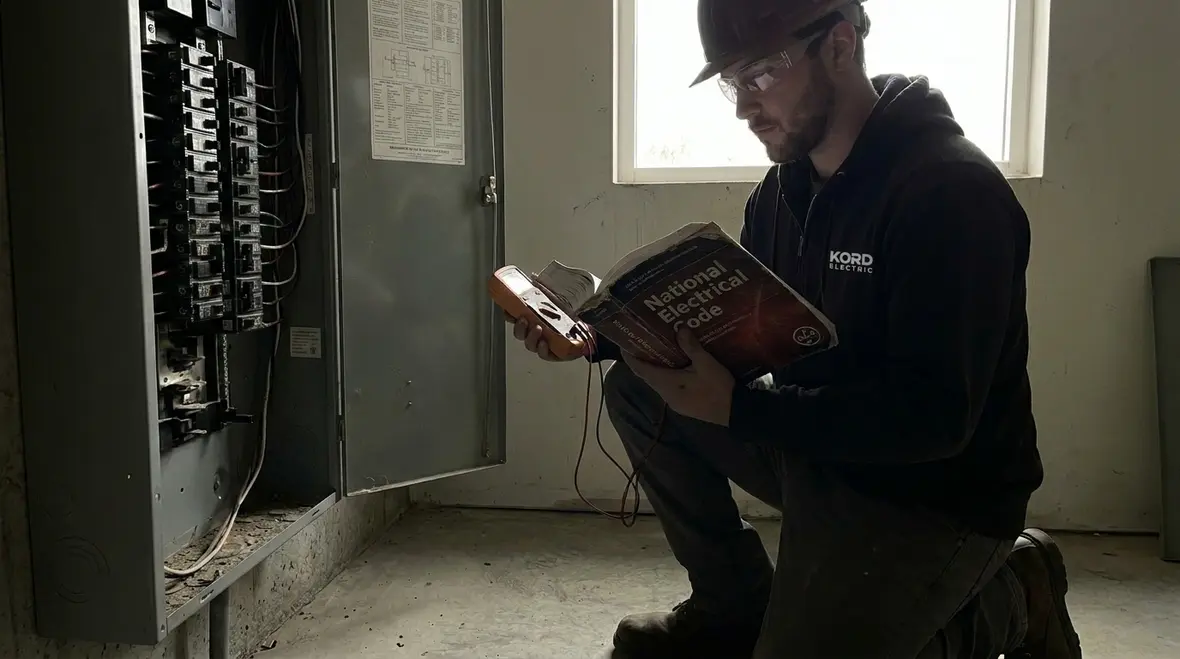
In commercial and industrial facilities, a panel upgrade rarely happens in isolation. For one thing, the existing electrical system already carried a load schedule, handled motor starts, and lived through maintenance habits. Then, when business grows, tenants expand, or equipment gets updated, the panel can become the bottleneck. That is where the National Electrical Code affects the plan in practical ways. It forces us to think about how circuits are arranged, how equipment is protected, and how the system handles fault conditions.
Also, the NEC influences decisions about breaker types and ratings. For example, a panel upgrade can require specific interrupting ratings, proper protective device coordination, and correct conductor sizing based on temperature and installation method. As we map the new layout, our technicians and expert service staff walk through the rationale, step by step, so your stakeholders can track the logic instead of guessing. And if someone says, “We just need more breakers,” we smile politely because the work usually starts deeper than that. Like pop culture, electrical systems love plot twists.
Working Clearances, Access, and the Space Around the Panel
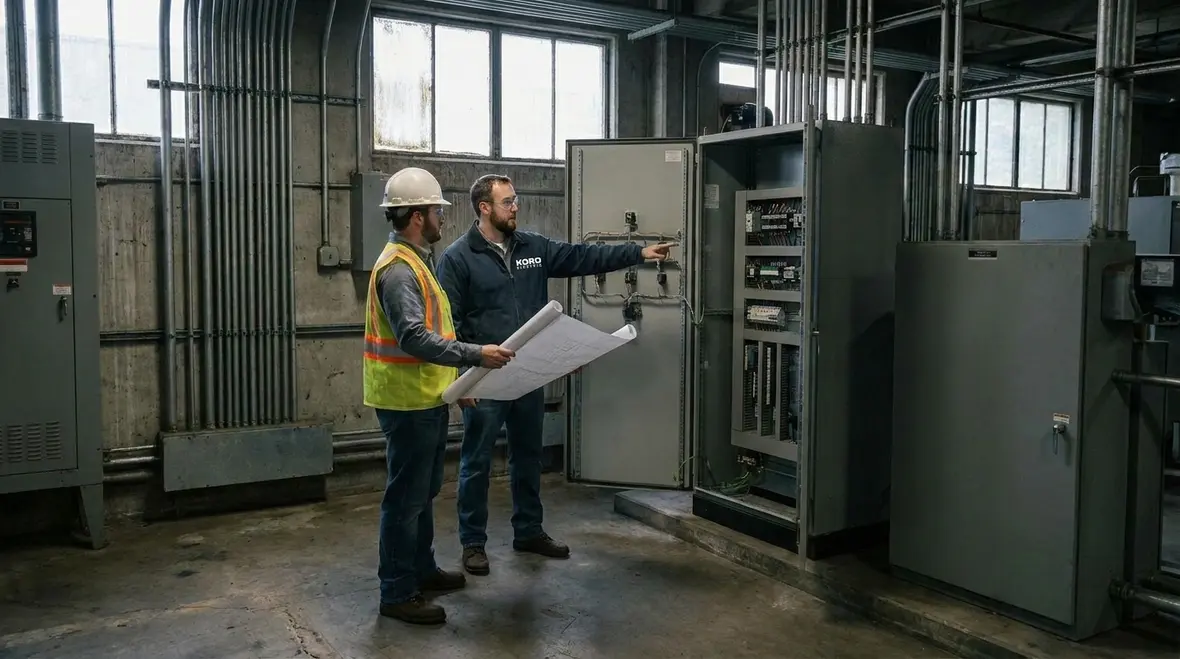
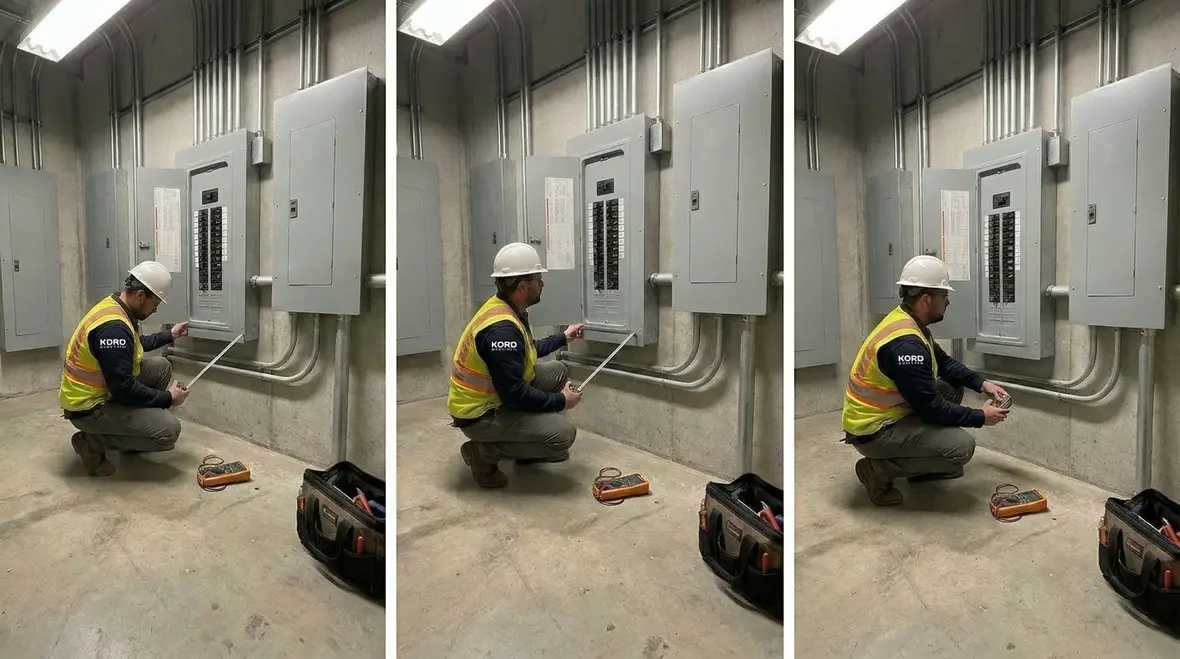
Electrical code compliance is not only about what is inside the cabinet. It is also about the space around it. The NEC sets expectations for working clearances so electricians and maintenance teams can safely access live parts during operation and service. Therefore, before we set steel, pull conduit, or mount a new board, we review the physical environment: doors, floors, obstructions, and even how future maintenance flows through the room.
In real facilities, we often find obstacles like storage racks, stacked pallets, or “temporary” structures that have survived multiple quarters. However, the Code does not treat “temporary” as a special category. Our team evaluates these areas, then recommends changes that support safe access. Next, we coordinate with the building team to protect normal operations while upgrades happen. Our technicians take time to explain what must move, what can stay, and why the clearance matters when the work involves live components.
Grounding, Bonding, and Why Faults Behave Like They Mean It
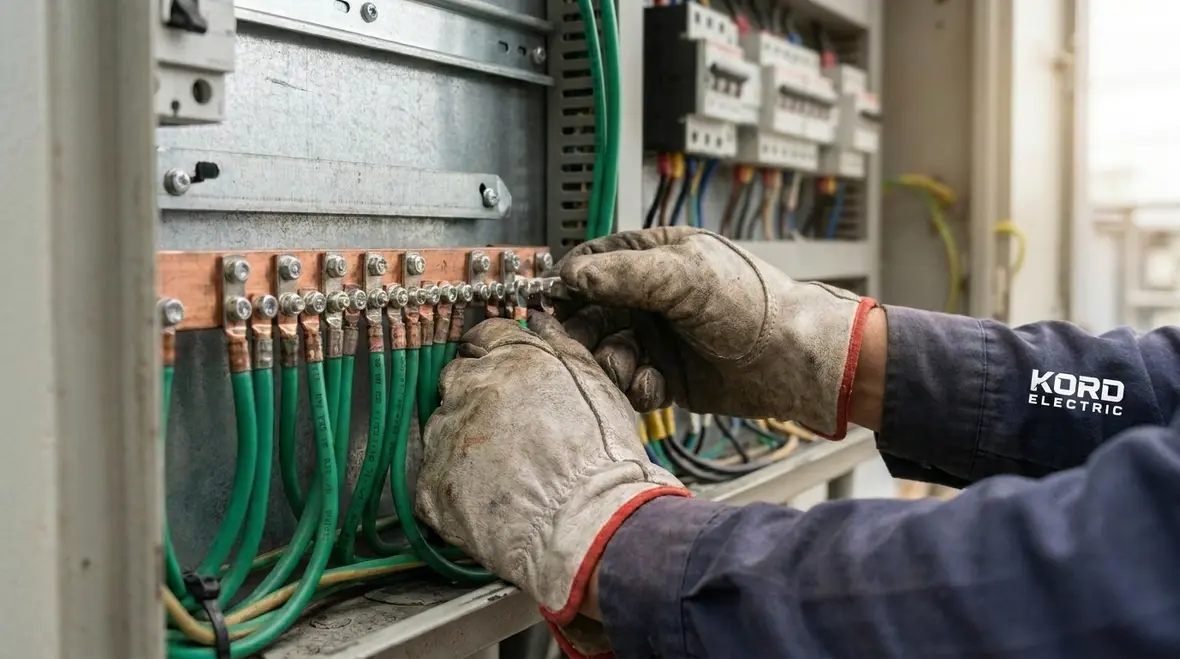
When faults occur, power does not politely ask for permission. It surges, paths of least resistance form, and the system must respond fast and safely. That is why grounding and bonding rules in the NEC play a central role in panel upgrades. In commercial and industrial settings, we cannot treat grounding as a “set it and forget it” task, because equipment, wiring methods, and building systems interact.
When we upgrade a panel, we confirm that the grounding electrode system and bonding connections match Code requirements. Then we verify that service conductors and equipment grounds route correctly, with terminations made to proper standards. After that, we check how the neutral and grounding conductors relate for the specific system type. As needed, our expert service staff explains what we changed, how it improves fault control, and how it supports stable operation for sensitive loads.
And just to keep it human, we tell people this: if a grounding system is wrong, the building can feel fine on a good day, and then act like it suddenly forgot how to be an electrical system on a bad day. That is not “quirky.” That is a design problem.
Overcurrent Protection, Selectivity, and Keeping Power On
A panel upgrade often aims to increase capacity, but the better goal is to keep power reliable. The NEC helps us do that through overcurrent protection rules that limit damage and improve fault response. First, we choose devices sized and rated for the load and installation conditions. Next, we ensure correct coordination so that the breaker closest to the problem trips first.
In many facilities, selectivity matters because downtime costs money in a way that spreadsheets can summarize, but CFOs still feel in their bones. Therefore, we evaluate upstream and downstream breakers together, not separately. We confirm interrupting ratings and verify that protective devices work as a coordinated system. Our technicians also look at conditions that cause nuisance trips, like motor starting inrush or harmonic impacts, then recommend solutions that align with Code rules.
We also explain the logic to your team. When an operator asks why a breaker swap costs more than expected, we tell them: it is not the breaker, it is the engineering thinking behind it. In other words, we do not sell hardware. We build dependable outcomes.
Conductor Sizing, Circuit Design, and Load Growth for Industry
Commercial and industrial buildings evolve. Machines get added, HVAC changes, production equipment expands, and electrical demand rises. Consequently, panel upgrades must support not only today’s loads but also the realistic path your facility will take next. The NEC guides conductor sizing, circuit design, and ampacity considerations based on wiring method and operating temperature limits.
During our process, we collect data on existing loads, review equipment nameplate requirements, and evaluate how circuits are currently laid out. Then we design the new circuits with the Code in mind so conductors carry current safely and voltage drop stays within practical bounds. After that, we plan labeling and documentation so future work remains accurate and efficient. None of this is glamorous, but neither is a fire extinguisher until you need it.
Additionally, we plan for service and feeder capacity changes when the upgrade requires it. We account for start-up surges from motors and intermittent loads common in industrial environments. As we finalize the design, our expert service staff explains what each change does, how it affects performance, and what maintenance actions matter after the install.
Steps We Follow for Code Based Panel Upgrades
Every project needs a calm, structured path. Our approach at Kord Electric starts with a site review and ends with documentation your team can use. First, we evaluate the existing panel, wiring method, grounding system, and physical room conditions. Next, we confirm compliance targets rooted in the NEC, then we develop an upgrade plan that supports commercial and industrial operations.
Then we schedule installation so facility downtime remains minimal. While work happens, our technicians follow safe work practices, protect adjacent areas, and keep components organized. Once equipment installs, we test and verify connections before we place the system back into service. Finally, we provide labels, as built notes, and a clear explanation of what changed so your staff can operate and maintain the system confidently.
And yes, we answer the questions people usually hold back until the inspector shows up. Better late than never, but we prefer “now” because planning reduces rework.
Connecting Panel Upgrades to Broader NEC Compliance
A well-executed panel upgrade does not live on an island. It ties directly into the rest of your facility’s code compliance story. For example, when we evaluate feeder capacity and protective devices, we also consider how new or existing lighting systems, emergency circuits, and specialty equipment will behave under real operating conditions. That is one reason many facilities review panel work alongside projects like NFPA 70 and National Electrical Code driven upgrades or broader commercial electrical system improvements.
In practice, that means looking beyond a single cabinet. If your facility is planning major changes, such as lighting retrofits, kitchen build-outs, or large equipment additions, aligning those projects with a Code-aware panel upgrade strategy helps prevent rework. It also keeps inspections smoother, because the National Electrical Code and local amendments apply across the entire system, not just the newest piece of gear.
For some properties, this integrated approach includes pairing panel upgrades with services like electrical preventive maintenance, so emerging issues show up in reports before they turn into unplanned outages. In other facilities, it aligns with targeted lighting or equipment upgrades that must stay in step with National Electrical Code requirements from day one.
FAQ: National Electrical Code and Panel Upgrades
Get a Code Ready Upgrade With Kord Electric
If your facility is growing, aging, or just running harder than it used to, do not wait for the electrical system to tell you. Kord Electric helps commercial and industrial property teams plan and execute panel upgrades with the National Electrical Code guiding every decision. We send our technicians and expert service staff to explain the work clearly, test the results, and document the changes so you can operate with confidence. For owners exploring broader improvements, resources like the Kord Electric blog and services such as electrical preventive maintenance programs provide additional ways to keep systems compliant and reliable over time. Contact us today to schedule an assessment and build a safer, steadier electrical future.
When you are ready to move from “it seems to be working” to “we know it is built to Code,” a structured, National Electrical Code based panel upgrade is one of the most direct steps you can take. It aligns your infrastructure with today’s safety standards, supports future growth, and gives your operations team a clearer picture of how the system behaves under real-world conditions.


