NEC 110.53 Conductor Working Space Clearance Tips
In a commercial and industrial facility, the electrical system should behave like a dependable crew, not like a mystery novel. That is where the NEC 110.53 conductor working space comes in. This rule requires clear space around electrical equipment so qualified people can work safely, without guessing what is behind a panel door. In the same spirit, Kord Electric supports building owners and facility managers by helping them understand these requirements before problems grow teeth. Our technicians and expert service staff explain what the code says, then connect it to real site conditions, so the electrical area stays safe and workable. And yes, we also remind everyone: electricity does not care about your calendar.
What the NEC 110.53 conductor working space rule actually protects
NEC 110.53 is not written to make life harder for contractors. It is written to reduce risk during inspection, troubleshooting, and installation. When a conductor is energized or could become energized, the working space gives people room to stand, reach, and move with control. As a result, the chance of accidental contact goes down. At the same time, it helps teams avoid improper tool use caused by tight clearance.
In practice, the rule protects four things. First, it protects the person from coming too close to live parts. Second, it protects the equipment from accidental damage. Third, it protects the inspection process, because proper access allows a real check, not a rushed glance. Fourth, it protects the facility by reducing downtime and repeat service calls.
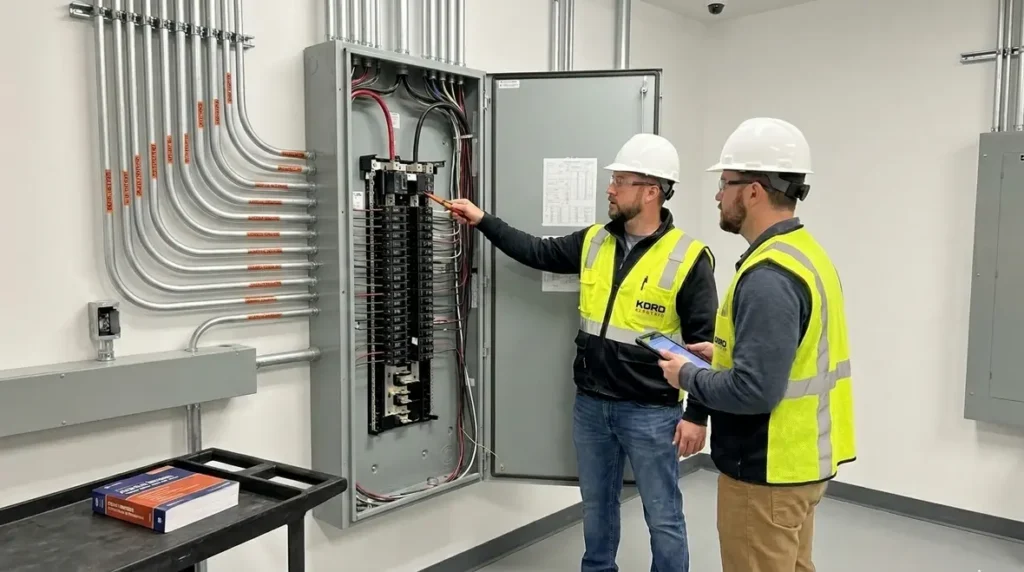
Our technicians at Kord Electric often see working spaces filled with stored materials, cable spools, or temporary staging. However, that “temporary” setup usually becomes permanent, and the risk multiplies quietly. We help teams replace that habit with a clean access plan.
Where the working space must be kept clear in commercial buildings
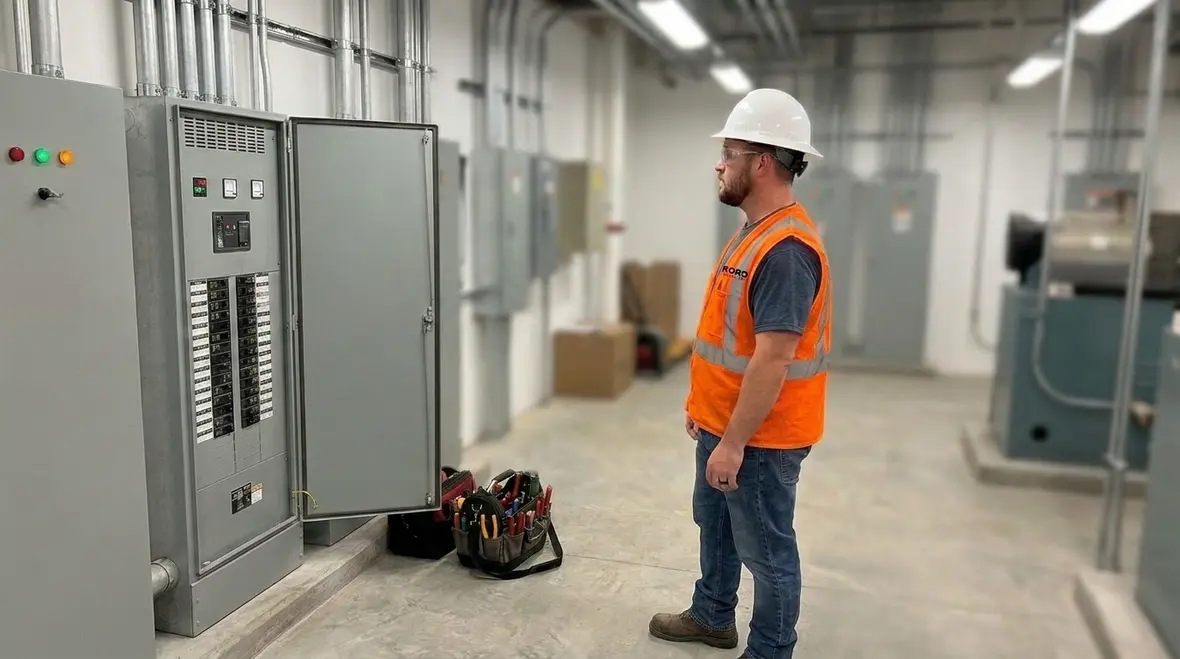
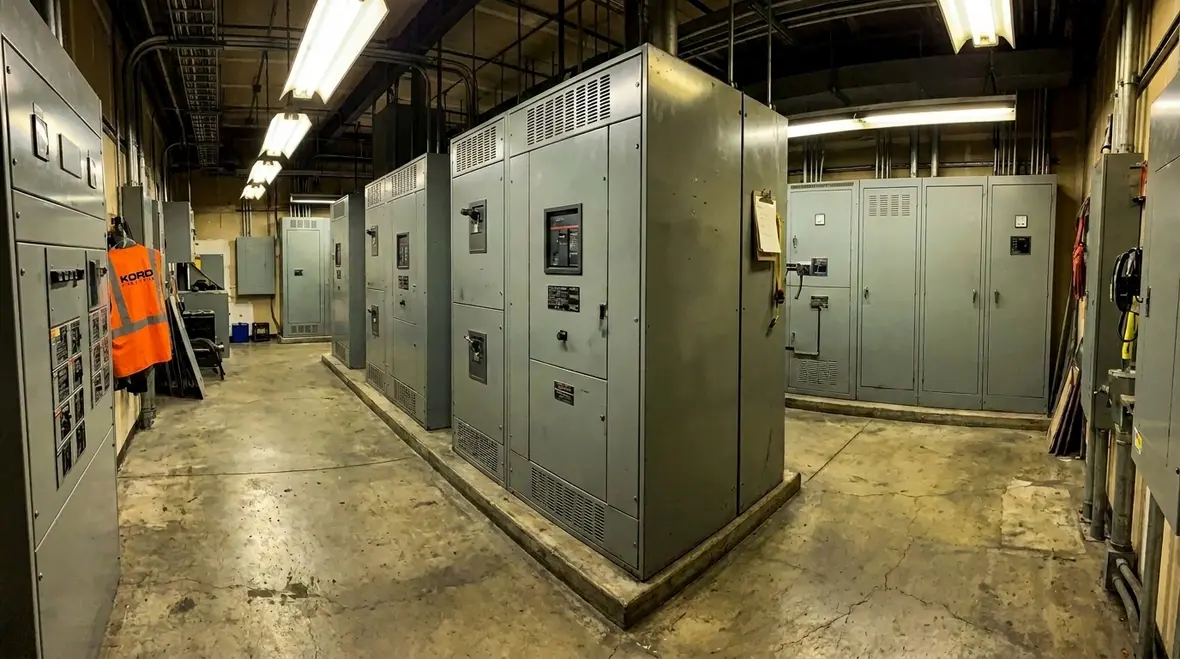
Commercial and industrial properties tend to pack electrical rooms, switchgear areas, and panel locations with more than just equipment. That is normal. Still, NEC 110.53 requires that working space stay available around electrical equipment. Therefore, the clearance rules apply in areas where personnel need to stand or work near electrical connections and terminals.
In many facilities, access paths shrink over time. For example, a maintenance team might place a ladder in front of a panel, or an operations team might park equipment in front of a disconnect. Then an electrician shows up, looks for room to work, and finds none. At that point, safety becomes paperwork and the job becomes a negotiation.
Kord Electric helps prevent that by reviewing layouts with facility staff and service teams. We explain how working spaces connect to safe movement and safe reach, especially in high use areas like warehouses, manufacturing support rooms, and major property buildings.
How to measure and plan clearance so service teams do not improvise
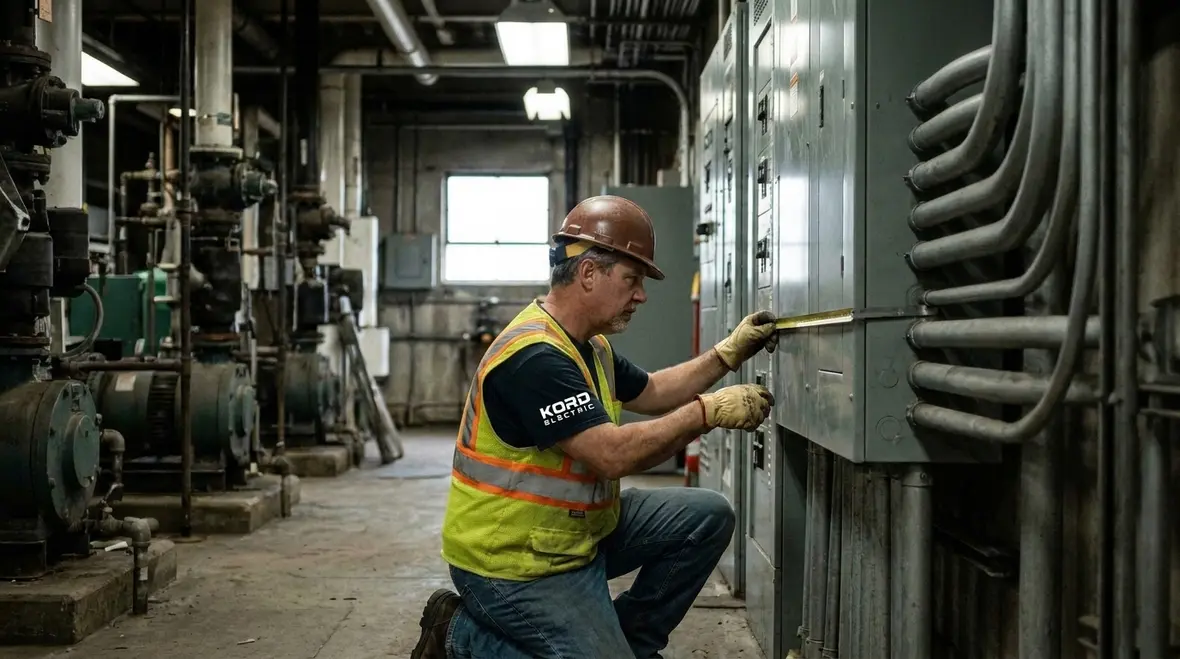
Measuring clearance is not just “take a quick look.” It needs method. Our expert service staff typically follows a practical workflow. First, we identify the equipment and the live or potentially live parts that require service access. Next, we verify the available space in the direction people must work. Then we check obstructions that appear harmless but block safe movement.
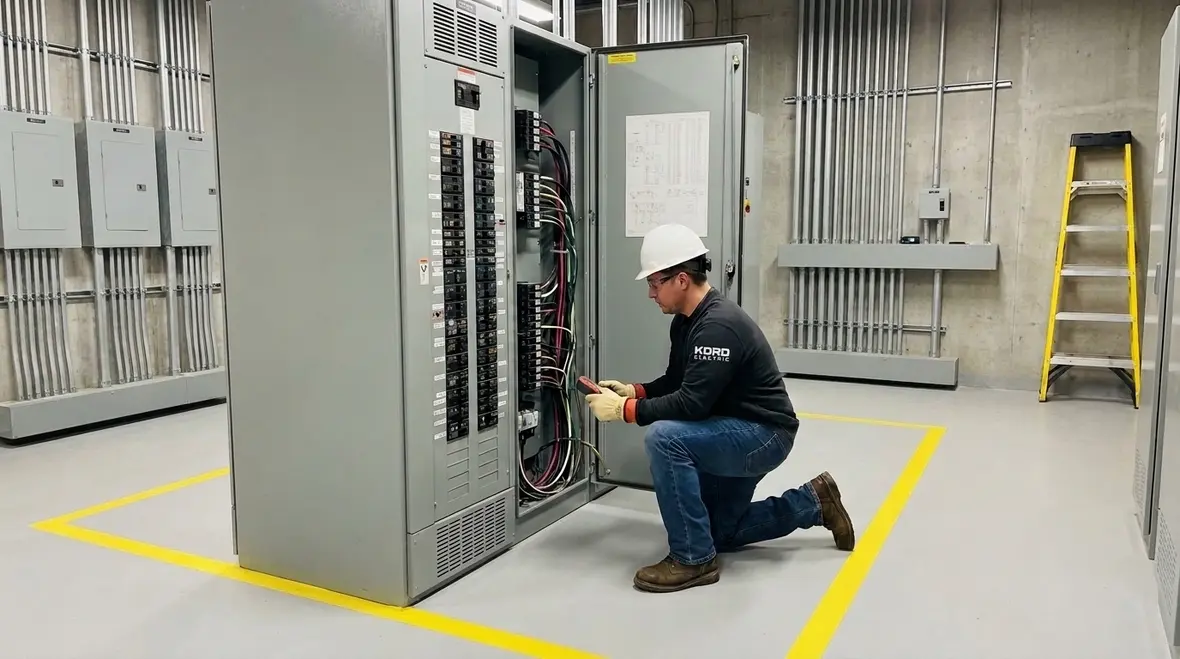
After that, we map what needs to move and what can stay. In other words, we treat clearance like a controlled area, the same way a building treats fire lanes or loading zones. If something must live nearby, we plan for it to live safely. And if it cannot, we plan a new location.
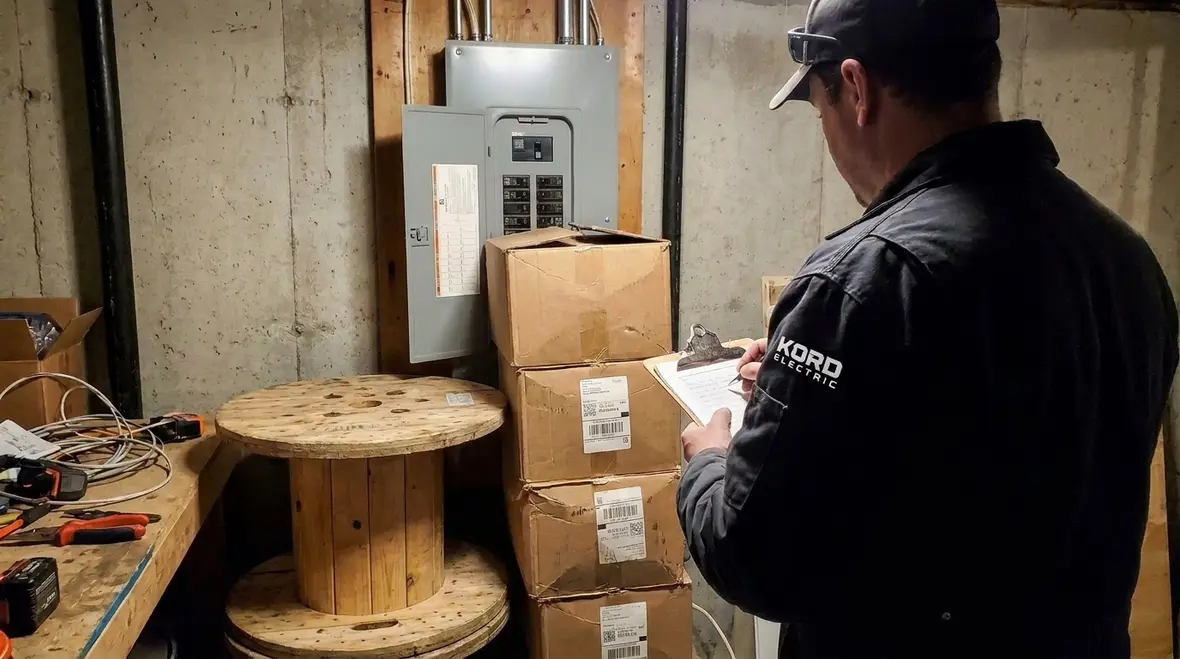
Here is a real site pattern we often see. People store boxes next to a service panel because it is “out of sight.” Yet out of sight does not mean out of the risk zone. When you need to open equipment, remove a cover, or test conductors, the stored items stop the job and increase risk. So we help facilities design storage and staging rules that support both operations and electrical safety.
If this sounds like it belongs in a training video, good. It should. Electricity is the only coworker who shows up energized no matter what movie you watched last night.
Obstructions that commonly violate NEC requirements
Obstructions are the usual troublemakers. Some are obvious, like stored materials blocking the equipment. Others are sneaky, like fixtures that seem fixed but creep into the working zone during maintenance or upgrades.
Common obstruction categories include storage near electrical enclosures, cable management routed in a way that intrudes into working space, and furniture or temporary staging during projects. Also, facility modifications sometimes reduce access after initial installation, which creates a problem that did not exist during the original inspection.
At Kord Electric, we do not just point at the rule and walk away. We help owners and maintenance leaders understand how obstructions affect safe conductor access, and how those obstacles influence the speed and quality of service. When we explain it clearly, teams stop treating working space like a suggestion and start treating it like a safety requirement.
Coordination with other NEC ideas for a complete electrical safety approach
NEC 110.53 conductor working space does not operate alone. In the field, we coordinate working space with broader code expectations and common safety practices. For instance, clear access supports safe use of test equipment and tools. It also supports proper cover removal and conductor terminations without awkward body positions.
Additionally, facilities often need to consider how electrical rooms, equipment locations, and service pathways connect to overall life safety and operational continuity. When a facility organizes electrical areas well, service becomes predictable. When it does not, service becomes an emergency, and emergencies cost real money.
Kord Electric focuses on commercial and industrial facilities and major property buildings. That focus matters because these sites operate at scale. The more people share the same corridors and access points, the more planning matters. We help property teams build a consistent standard for electrical area access, so the building performs and the workforce stays safe.
For facility leaders looking to connect working space rules to the bigger NEC picture, resources like our article Understanding NFPA 70: The National Electrical Code Explained for 2026 help link day-to-day practices to the wider code framework.
What our technicians do during inspections and service visits
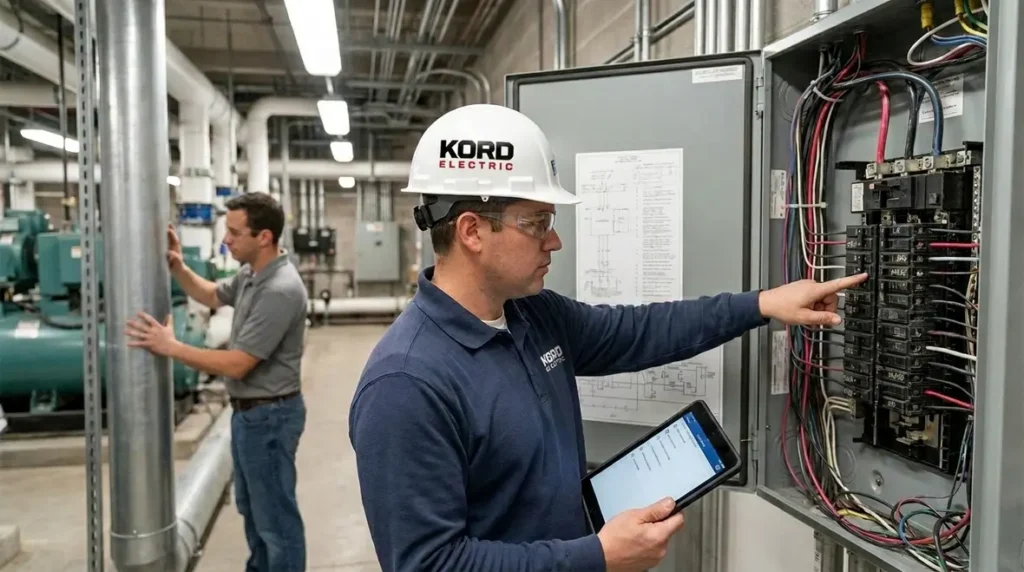
Our process stays practical. First, our technicians review the working space around electrical equipment and identify obstructions and access limits. Then our expert service staff explains findings in plain language, without making the team feel like they need an engineering degree to understand a safety requirement. If the site needs changes, we outline options and explain tradeoffs based on how the facility runs.
Next, we document what we found and what we recommend. That matters for managers who plan budgets and schedule work. It also helps maintenance teams track improvements over time. Finally, we coordinate solutions that support safe service access, while keeping disruption under control for commercial operations.
And if someone asks, “Do we really need to move that?” we respond with a calm tone and a mildly sarcastic truth. If the code requires the space, the space must exist. The building will not negotiate. The code rarely smiles.
Frequently asked questions about working space and NEC conductor access
Get working space right with Kord Electric
If your electrical areas feel crowded, the fix usually starts with clarity and measurement, not guesswork. Kord Electric helps commercial and industrial facilities keep working space around electrical equipment safe and code-aligned. Our technicians and expert service staff identify obstructions, explain the reasoning in straightforward terms, and support corrective steps that reduce downtime. Contact Kord Electric to review your site conditions and plan the next safe service approach. We will help you protect people, protect equipment, and keep the building running like it means it.
For projects that go beyond a single room or panel, our broader design and construction experience also supports long-range planning. From Los Angeles County electrical services for commercial and industrial facilities to system-wide design work covered in our articles on data-driven electrical planning and NFPA 70, we help teams align day-to-day working space decisions with the bigger electrical strategy for the building.
Note: This article supports general understanding and planning. Code requirements can vary based on equipment type, location, and installation details. For site-specific guidance, consult a qualified professional and the applicable NEC text.