NEC 230 40 Service Entrance Conductor Sets Installation
How Kord Electric installs NEC service entrance conductor sets the right way
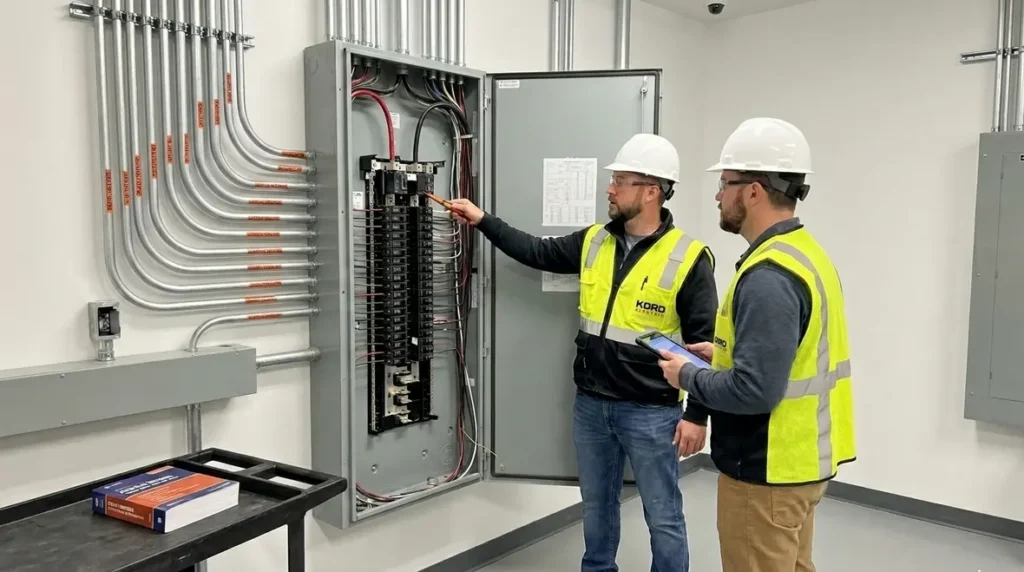
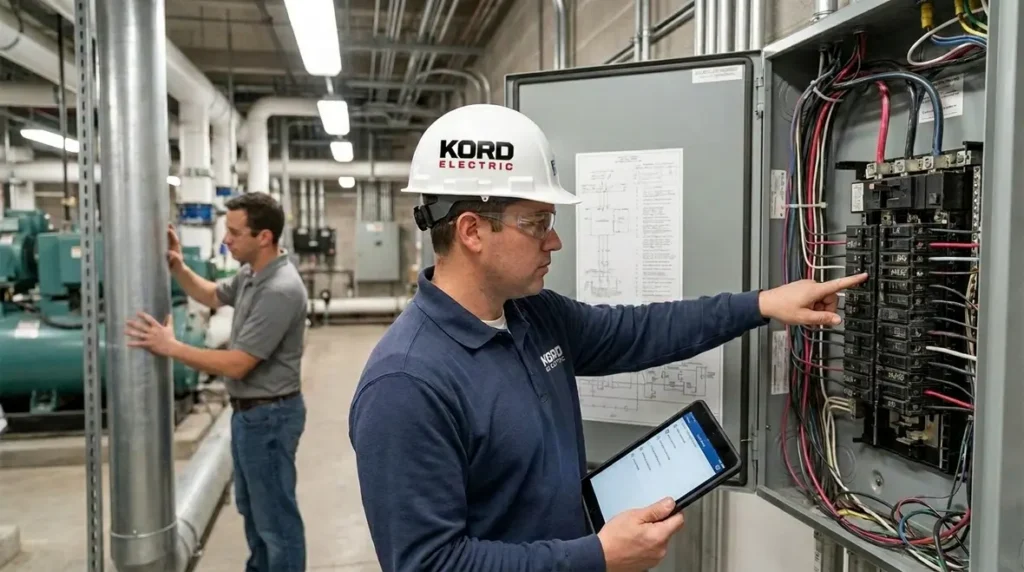
At Kord Electric, we plan every utility connection with care, and that includes NEC service entrance conductor sets. Early on, our team helps owners and facilities teams understand what NFPA 70 Section 230.40 allows for service entrances, so you avoid ugly surprises during inspections and utility turn on. And yes, we have seen more than one project fail because the “it should be fine” plan met the code book. That code book never blinks. Neither do our technicians.
In this guide, a third person explains the rule in plain language while we, through our expert service staff, translate it into real job decisions for commercial and industrial facilities and major property buildings. Let’s walk through Section 230.40, what it means for conductor sets, and how we approach design, approvals, and field work.
What NFPA 70 Section 230.40 covers for service entrances
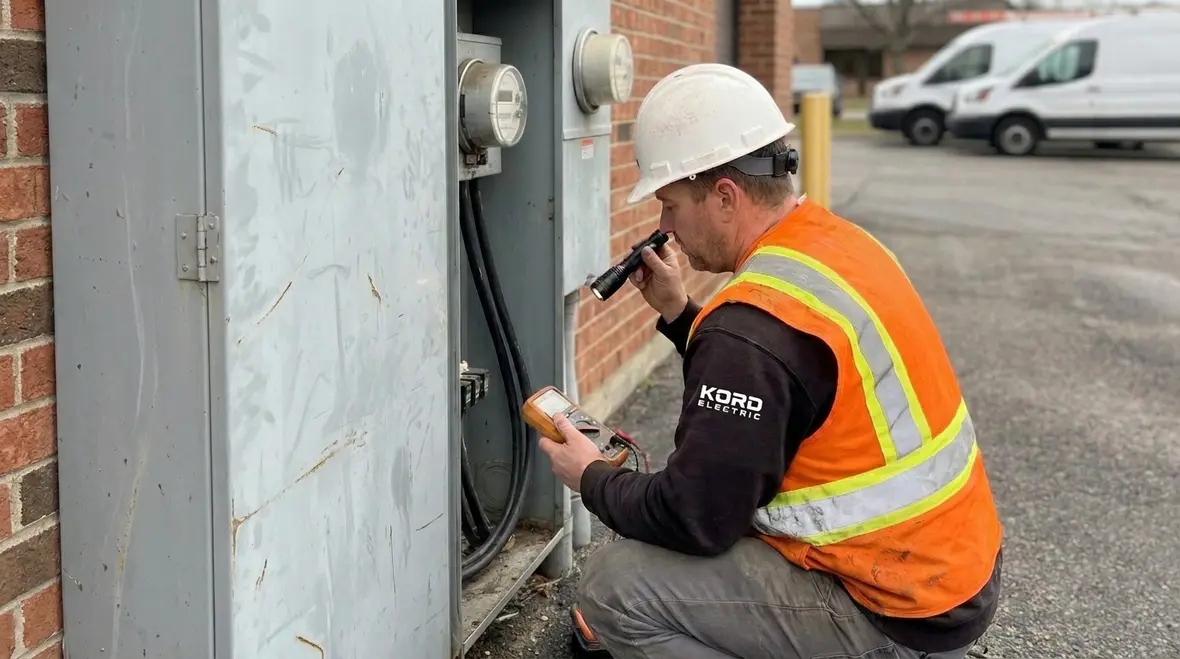
NFPA 70 Section 230.40 addresses how many service entrance conductor sets can exist for a single service. It matters because the number of parallel paths affects coordination, overcurrent protection, metering, and how the service gear is laid out. Therefore, the rule does not just ask “how many wires.” Instead, it limits the structure of service conductors so the system stays safe and serviceable.
In practice, our technicians treat this as a design constraint, not a paperwork detail. For commercial and industrial projects, service entrance conductor sets often show up where a building needs multiple supply feeds, phased loads, or separate metering arrangements. However, the allowance is not open ended. When we plan the service, we verify which conductor sets count as distinct service entrance conductors, and we confirm the permitted number.
Also, facilities teams sometimes confuse conductor sets with feeder circuits. Feeder circuits distribute power after the service equipment. Service entrance conductor sets relate to the incoming service conductors that connect from the utility point to service disconnecting means. So, the counting has to start at the correct boundary. Otherwise, you end up arguing with the inspector and losing time that you could have spent running the business.
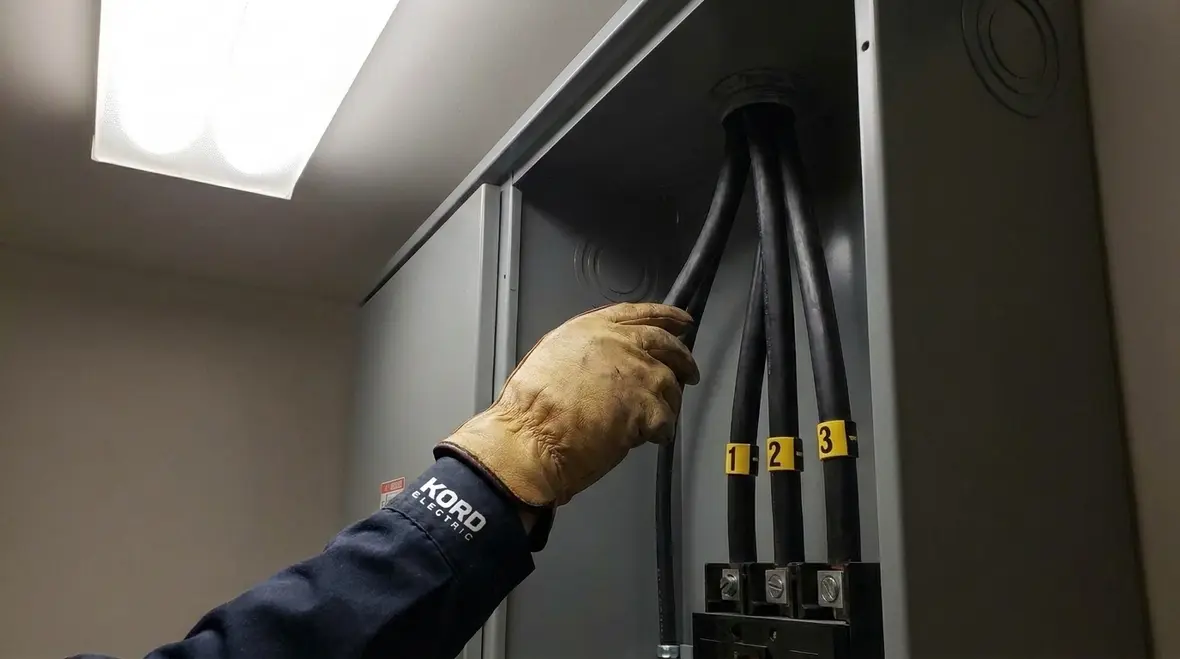
How many service entrance conductor sets are allowed
Section 230.40 limits the number of service entrance conductor sets that can be brought to a single service location. However, the exact limit depends on the application and how the installation is arranged. Therefore, the best path is to treat the requirement like a checklist tied to your equipment lineup, your service rating, and your metering approach.
When our expert service staff reviews a design, we do it in sequence. First, we identify the service conductors that belong to the utility service. Next, we determine the conductor sets, meaning the distinct grouped sets that connect the service to the service equipment. Then, we match that count to what Section 230.40 allows. After that, we check that the rest of the service rules align, including equipment rating, conductor size, and protection.
Many people try to skip steps because they want speed. Yet speed without correctness is just a fast way to schedule a redo. If your project needs multiple service entrance conductor sets for redundancy, expansion, or complex load management, we make sure the layout still fits within the code allowances. Then we document it clearly for the authority having jurisdiction. Our customers appreciate that, because it reduces back and forth.
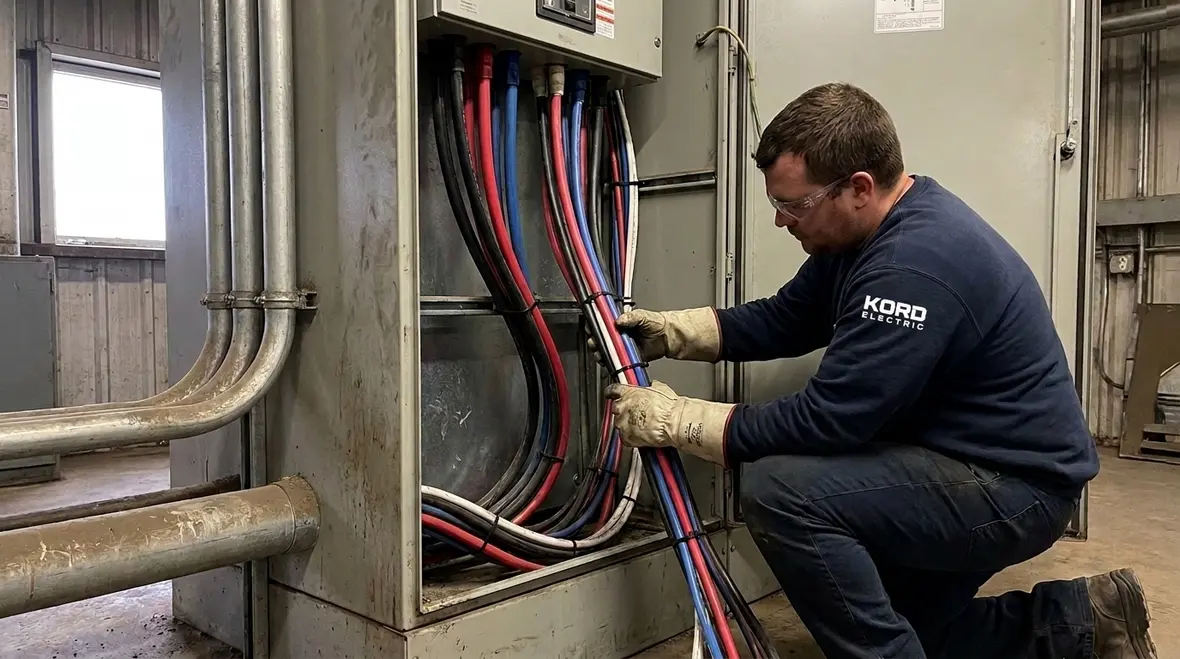
Why the conductor set count changes real-world design
In commercial and industrial environments, multiple conductor sets can support operational needs. Still, the “allowed count” drives how we design the service lineup, how we size components, and how we route conductors. Consequently, the number you choose affects cabinet space, bus work, routing pathways, and how easily technicians can maintain the system later.
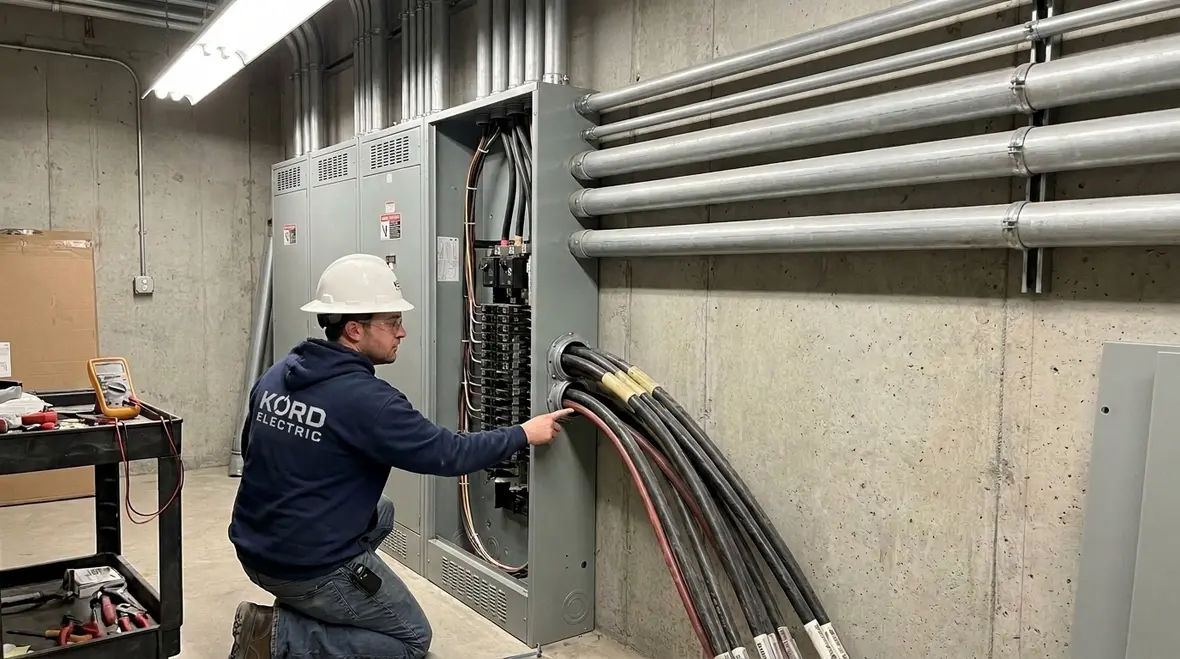
For instance, if the project requires multiple service entrance conductor sets, we often plan for coordinated bus bars, spaces for service disconnecting means, and proper grouping in conduit. In addition, we consider how metering is arranged, because meter cabinets and meter layouts influence where conductor sets terminate and how they land on switchboards or service switchgear.
Furthermore, conductor set limits can affect outage planning. If a facility aims to maintain power during a phased upgrade, the service arrangement must still comply with code counting rules. Therefore, we design for operational continuity without breaking the structure that NFPA 70 requires.
Our approach stays calm and methodical. We explain the plan like it is a story with chapters, not a maze. And if someone asks, “Why are we doing it this way,” our technicians answer with practical logic: because the code protects people, the building, and the business uptime you cannot afford to gamble with.
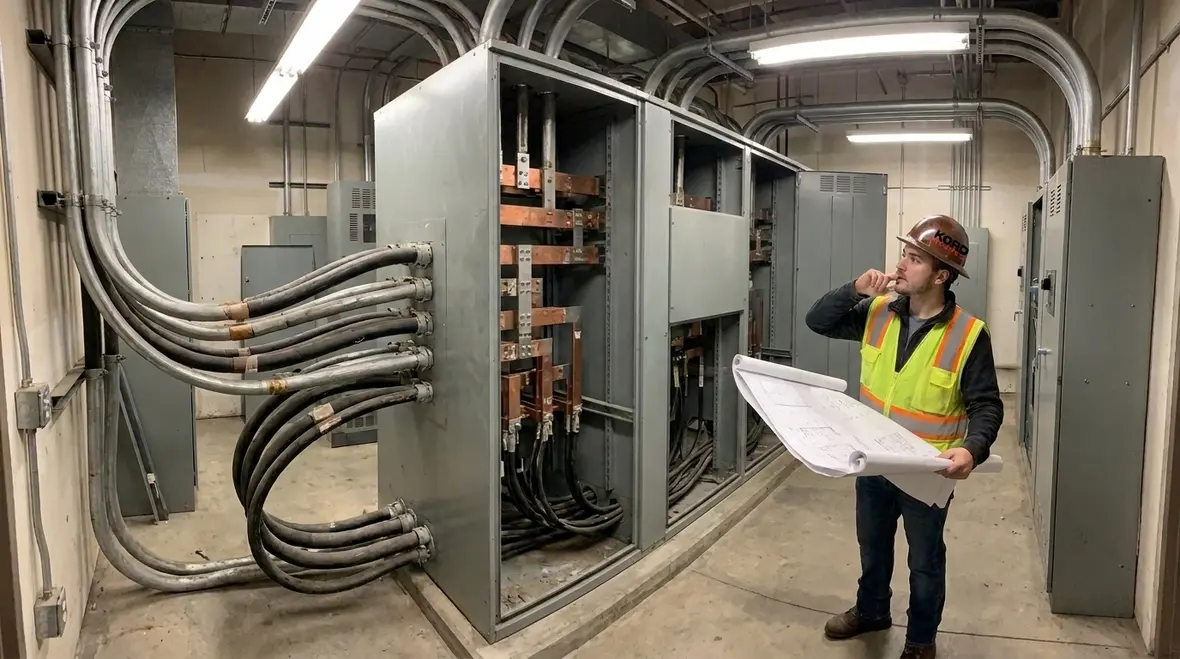
Coordination with other NEC rules that inspectors expect
Section 230.40 does not live alone. As a result, we treat it as part of the bigger service picture. When we align NFPA 70 requirements for commercial and industrial facilities, we confirm several areas that inspectors typically evaluate alongside service conductor set questions.
First, we check how the service equipment is configured. That includes where disconnecting means connect and how conductor sets land. Next, we confirm that the conductors comply with sizing rules for the service and with insulation and temperature requirements. Then, we verify that grounding and bonding concepts support safe operation. If the service equipment includes a grounding electrode conductor arrangement, we make sure it matches the full NEC approach.
Also, we coordinate with how the utility requires connections. Utility standards sometimes shape physical routing, metering cabinet placement, and service entrance conduit runs. Therefore, we bring the utility and the code into one plan so we do not build a service that looks correct but fails at final review.
Our expert service staff keeps documentation tight. We provide clear labeling, as built details when needed, and a plan that shows how conductor sets connect to the service equipment. In many cases, that extra clarity saves hours later. And unlike certain pop culture plots, the “twist” should be compliance, not a surprise correction.
Field practices we use to prevent conductor set mistakes
Even with good drawings, field conditions can create confusion. Conduit runs shift, contractors chase tight schedules, and sometimes a label gets lost. So we build our process around prevention. Our technicians verify conductor set counts before the final terminations, not after the inspection request.
First, we verify the boundary where service entrance conductor sets begin. Next, we confirm how each set is grouped and routed, especially where conduit hubs, sleeves, or offsets show up. Then, we check terminations at switchgear, switchboards, or service disconnecting means so each set lands exactly where it should.
After that, we test for continuity and inspect workmanship. We also cross check labeling. While it may sound simple, labeling is often the difference between a quick follow up and a long meeting. In other words, we treat the job like we want our future selves to understand it.
As a commercial and industrial electrical contractor, Kord Electric focuses on major property buildings because we know these jobs often involve complex power needs. Also, these projects tend to have multiple stakeholders, including facilities managers, electrical engineers, and sometimes corporate energy teams. Therefore, our technicians explain the plan in a way that helps stakeholders agree early and move forward with confidence.
For more context on the National Electrical Code and how we help customers navigate it, people often explore our resources at Understanding NFPA 70: The National Electrical Code Explained For 2026 and NFPA 70: All About The National Electrical Code (NEC) 2026. For our locations and service focus, you can also see Kord Fire Australia. And if you want a broader view on related fire and life safety discussions, FirePumps provides helpful background material.
Real project examples of safe conductor set planning
In the real world, conductor set counting comes up in ways that feel less like math and more like logistics. For example, a large office or mixed use major property building might need multiple service entrance conductor sets to handle growth over time. In that case, our expert service staff plans the service gear and the routing so each added set fits the allowed structure in Section 230.40.
Another common scenario involves industrial facilities where the load profile changes as production lines expand. Therefore, the facility team may request a staged service upgrade. We help them plan the service layout so the future phases do not require a redesign that forces downtime. Instead, we coordinate the conductor set arrangement now, so later phases connect cleanly.
We also see projects where teams want extra capacity for critical systems such as data rooms, process equipment, and building controls. When we plan those needs, we still treat the service entrance as the foundation. So even if backup power exists, the incoming service structure must remain compliant and maintainable. Code compliance is not optional, it is the baseline. And inspectors do not grade on good intentions.
FAQ about NFPA 70 Section 230.40 service entrance conductor sets
Reach out to Kord Electric for code compliant service planning
If your commercial or industrial facility needs service upgrades, phased expansion, or a new service lineup, we help you plan around NFPA 70 requirements with clear, field proven steps. Our technicians and expert service staff explain the conductor set rules so your design fits inspections and avoids costly rework. Kord Electric builds reliable electrical systems for major property buildings, and we do it with calm precision. Contact us to review your service entrance plan and lock in a compliant path forward.
For facilities in jurisdictions that expect tight documentation and careful coordination, our team also supports Los Angeles County electrical services with NEC service entrance conductor sets planning, code upgrade consulting, and long term reliability strategies that align with modern commercial electrical systems.