
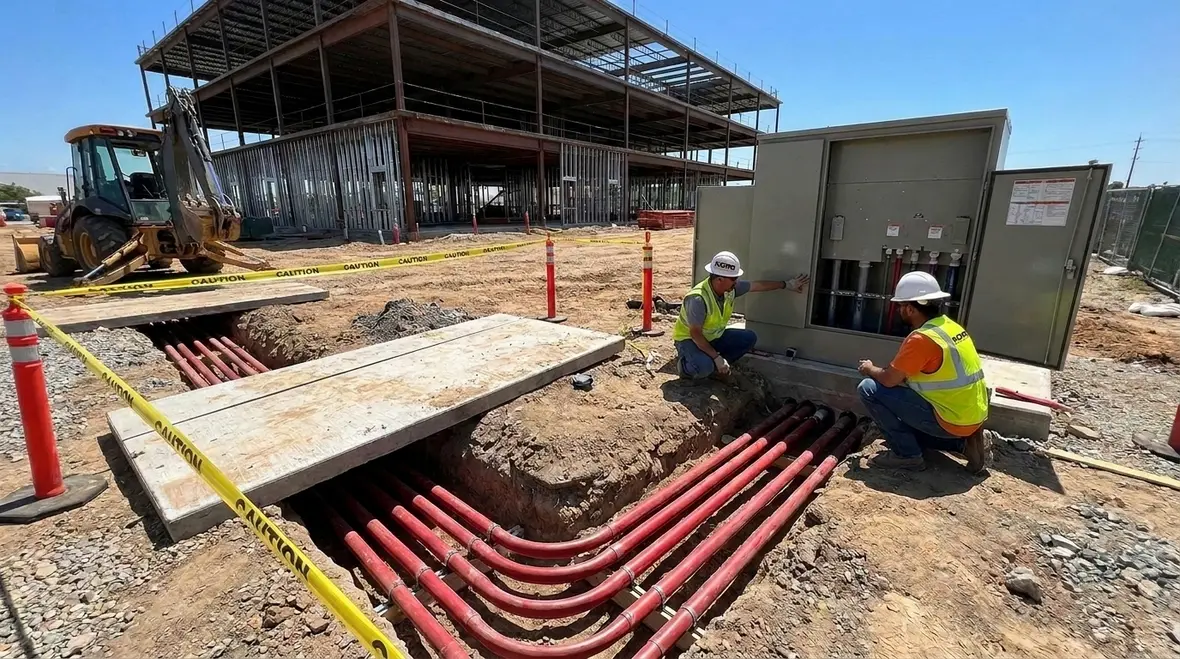
NEC Underground Service Damage Protection 230.32
Kord Electric approaches NEC underground service damage protection the way we approach every critical system at a commercial and industrial facility: with clear rules, careful planning, and technicians who do not guess. Section NFPA 70 Article 230.32 focuses on protecting underground service conductors and related equipment from physical harm, especially where people, equipment, and ground work collide. In plain terms, it helps stop the kind of damage that turns a routine day into an unplanned outage. And yes, we have seen enough trenching “surprises” to know the earth does not care about anyone’s schedule. So, we walk through the intent of 230.32, the common failure points, and how our team helps property owners build safer underground routes.
NFPA 70 230.32, what it actually protects
NFPA 70 Section 230.32, Protecting Underground Service Against Physical Damage, sets expectations for how the underground part of a service system must resist harm. First, it targets service conductors and the pathways that carry them, because these parts feed the building and can affect the entire electrical supply chain. Next, it recognizes that underground work does not happen in a controlled laboratory. Forklifts move, equipment gets staged, and contractors dig or drive near utilities, sometimes without realizing where the service line runs.
Therefore, the code does not just say “be careful.” Instead, it requires physical protection where physical damage is plausible. In practice, Kord Electric helps facility teams translate those requirements into jobsite steps that hold up over time. Our expert service staff then documents the design choices so future maintenance crews do not end up playing archaeology with live wiring.
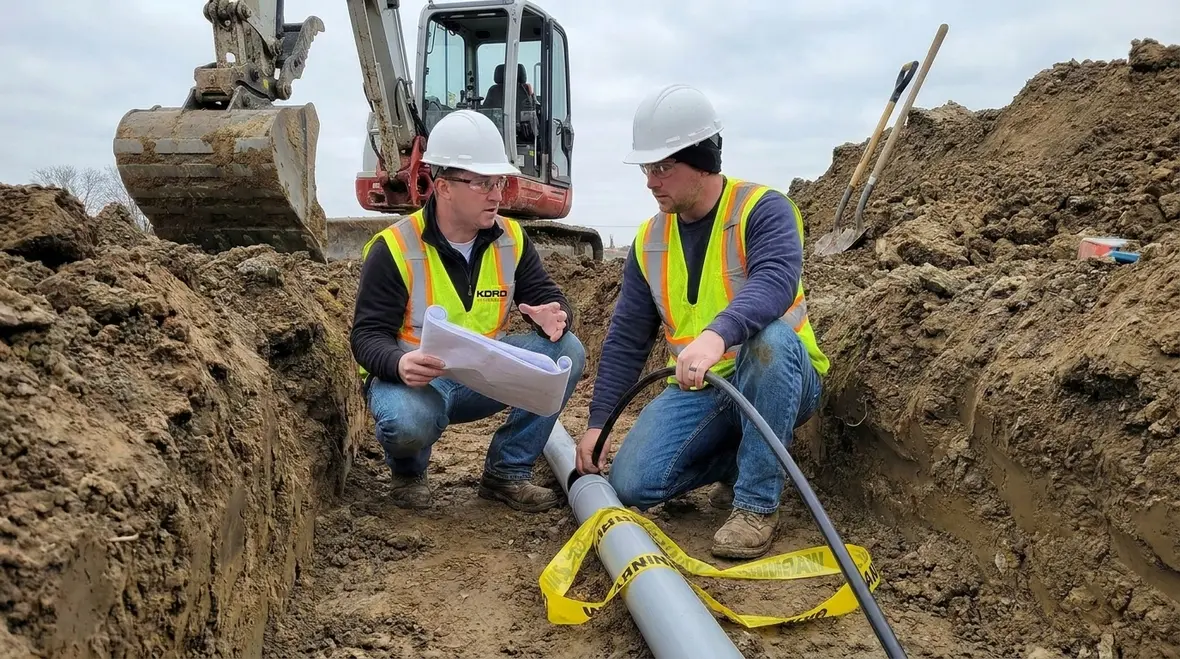
For facility leaders who want a broader foundation on how the National Electrical Code fits into modern projects, you can pair this focus on 230.32 with code-wide guides such as Understanding NFPA 70: The National Electrical Code Explained for 2026, which walks through how current NEC direction shapes planning, upgrades, and long term reliability.
Where physical damage usually starts at real properties
Even the best office tower or industrial campus can face damage at the same few hotspots. For example, transitions matter. Underground runs often connect to above ground sections, equipment pads, handholes, vaults, and service entrance components. At these transition points, the line can face strain, impact, or exposure during normal activities.
Also, the ground itself can work against the install. Soil movement, settling, and backfill that does not match original specifications can bring conductors closer to the surface. Then, a future upgrade like a new loading dock, new sidewalk, or additional piping can unintentionally hit the service route. In other words, the system gets damaged by “busy human plans,” not by failure of electricity.
To reduce risk, Kord Electric applies our NEC underground service damage protection approach by assessing current and likely future site activity. Our technicians look at traffic patterns, planned construction zones, and the location of other utilities. Then we align conduit routing, depth, and guarding methods to match the property’s reality, not just the blueprints.
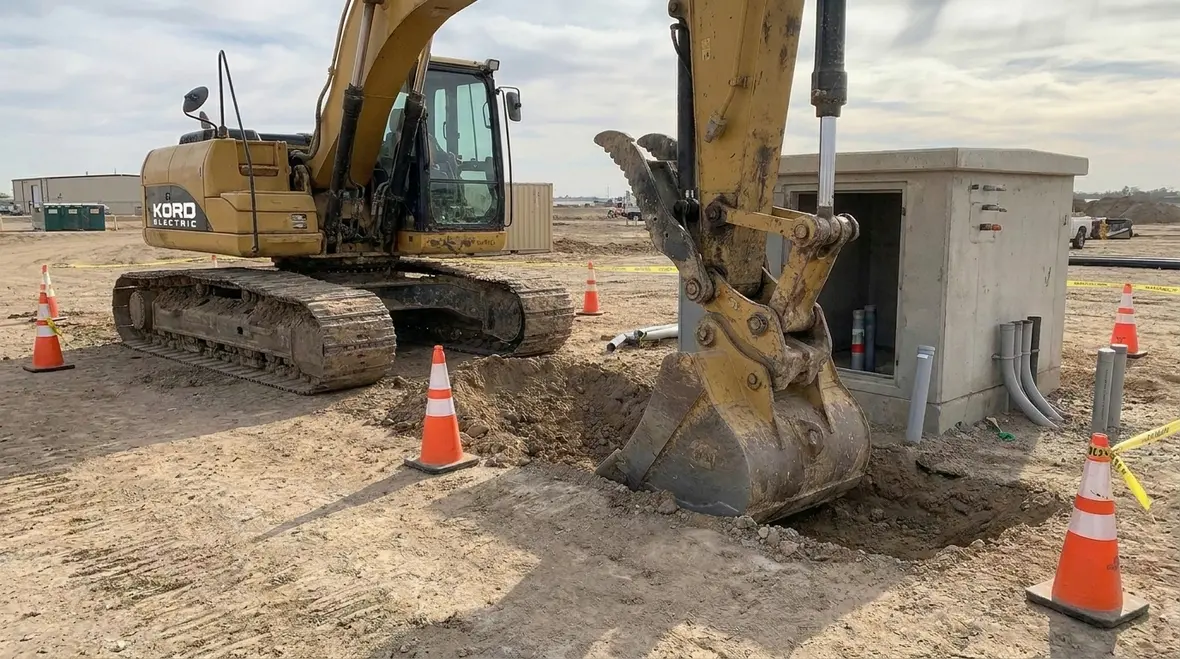
How NEC underground service damage protection requirements show up in construction
In commercial and industrial builds, the protective strategy usually shows up through a combination of placement, material choice, and added shielding. When the code calls for physical protection, we treat it as a design requirement, not an afterthought. For instance, we verify that the routing provides enough separation from areas where equipment can impact the conduit. If separation cannot happen, we increase protection.
Additionally, we pay attention to how the system connects through openings and enclosures. A lot of real-world failures happen when protective intent stops at a drawing line and then “something easier” gets installed on site. We do not do that. Our team follows the code logic for physical protection and then checks installation quality through the details: conduit integrity, proper supports, correct fittings, and careful backfill.
Finally, we align our install approach with the broader NEC framework that governs how electrical systems work together. Kord Electric keeps the focus on service reliability while respecting the safety intent that the NEC and NFPA70 framework emphasize. If you want a deeper read on how NEC concepts are explained for the 2026 cycle, our team also maintains resources like the Kord Electric blog and related materials at kordelectric.com. And if you want context on the NEC narrative, kordfire.com offers a helpful breakdown.
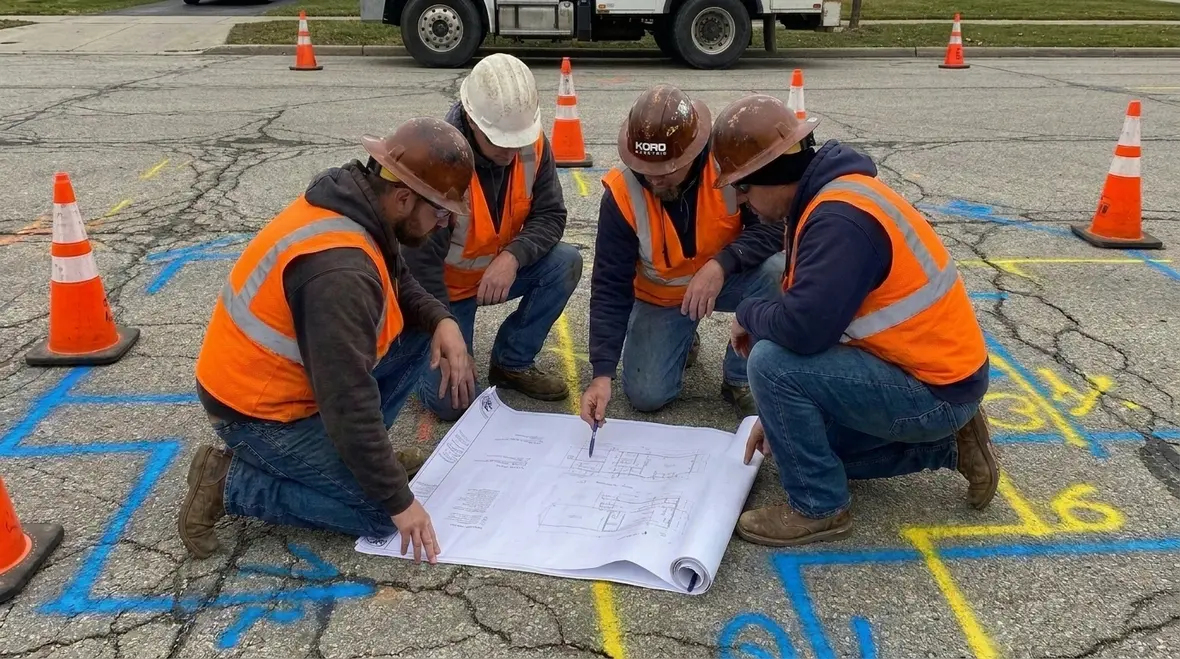
Practical design choices our technicians recommend for major property buildings
For major property buildings, Kord Electric treats the underground service route like an essential asset. Therefore, we make choices that reduce exposure during construction and long term operations. Here is how our technicians typically think about the job.
- Route planning before digging: we map likely future work areas so the service path stays protected as the site evolves.
- Depth and protection coordination: we balance trench depth with added physical barriers where the code requires it.
- Conduit and enclosure integrity: we protect joints and transitions since most “hits” occur where systems change direction.
- Clearances around high activity zones: near docks, parking operations, and equipment staging, we assume someone will eventually drive something over there.
- Documentation for maintenance: our technicians label and record routing so future trades do not act like it is a mystery novel.
And yes, we get it. Some people still think underground means “out of sight, out of mind.” That idea is adorable, like believing a smoke alarm prevents fires by intimidation. Underground systems do not forget. Damage accumulates, and when it shows up, it shows up fast. Our service team works to stop that story before the first chapter starts.
Coordination challenges on industrial campuses and why they matter
Commercial and industrial properties rarely have a single trade working at a time. Therefore, coordination becomes a core part of compliance and reliability. Electrical service routes overlap with storm drainage, fiber runs, gas lines, HVAC underground work, and any number of upgrades that property managers approve to “fix later.” Later always arrives, usually at the worst time.
As a result, Kord Electric encourages facility teams to treat NEC underground service damage protection as a campus wide issue. We coordinate with general contractors, site civil teams, and property maintenance managers so everyone understands where the service conductors and protected pathways are located. Then, if trenching or demolition plans change, the electrical scope updates before work begins.
In addition, we support safer decision making by clarifying what protection means in the field. Some stakeholders think protection means “a sticker.” Others think it means “we will just patch it later.” Our expert service staff explains the code intent in calm, direct language so the team can plan correctly. We do not overwhelm people with jargon, and we do not pretend the jobsite is perfect. We simply make it safer, one detail at a time.
A real life look at physical damage prevention steps
Picture a property that adds a new expansion wing. During civil work, crews regrade the area to create access roads and updated parking flow. Meanwhile, the electrical service route must still feed existing loads without interruption. This is where physical damage prevention becomes a living process.
First, Kord Electric verifies as built information so the team understands actual locations, not assumed ones. Next, we inspect the protective measures at the service route segments that cross potential work zones. If the construction sequence risks exposure, we plan protections early so they install cleanly and do not get delayed. After that, we confirm integrity at transitions like where conduit emerges near pads or entrance structures.
To keep everything organized, we also use dual check style reviews during critical steps. That way, the team catches issues before they turn into outages or costly rework. When the project reaches commissioning, our staff confirms the installation quality so the underground service system stays protected as operations continue.
Side note: Sometimes the biggest “risk” is the schedule. A rushed crew can place conduit where it technically fits but fails to protect against likely physical harm. We slow the process down where it counts, because commercial and industrial facilities cannot afford electrical surprises. That is not slow work. That is smart work.
FAQ: NFPA 70 230.32 and underground service safety
Schedule a review with Kord Electric for safer underground service routes
Kord Electric helps commercial and industrial facilities reduce the risk of underground service damage through careful planning, compliant installation, and technician led explanations that teams actually understand. If your property is planning expansion, undergoing site upgrades, or needs a protection review for existing underground routes, we can help you map the risks and tighten the safeguards. Contact us to discuss your service route, protection needs, and next steps, then move forward with confidence instead of guesswork. Your electrical system deserves better than “later.”
If your facility is located in Southern California, you can also explore how our broader Los Angeles County electrical services support underground service protection, code upgrades, and long range reliability planning as part of a coordinated commercial and industrial electrical strategy.
For more resources: You can explore related NEC and NFPA70 discussions on kordelectric.com and additional NFPA70 background at kordfire.com.au. For industry context on fire and electrical related standards coordination, firepumps.org also provides helpful reference material.
When you connect NEC underground service damage protection with clear reading strategies for NFPA 70 and the 2026 cycle, your projects run cleaner and your systems age better. Many facility teams pair an underground service review with code education resources, including Kord Electric’s guides on reading NFPA 70 and understanding how the National Electrical Code shapes real world electrical decisions on large campuses and major property buildings.
Whenever your team is ready to turn “we should look at that underground route” into an actual plan, our technicians can help you sequence field checks, design options, and construction windows so protection does not slip behind other priorities. The sooner you align your service path with NEC expectations, the less likely you are to discover it the hard way during the next trench, retrofit, or surprise outage.


