
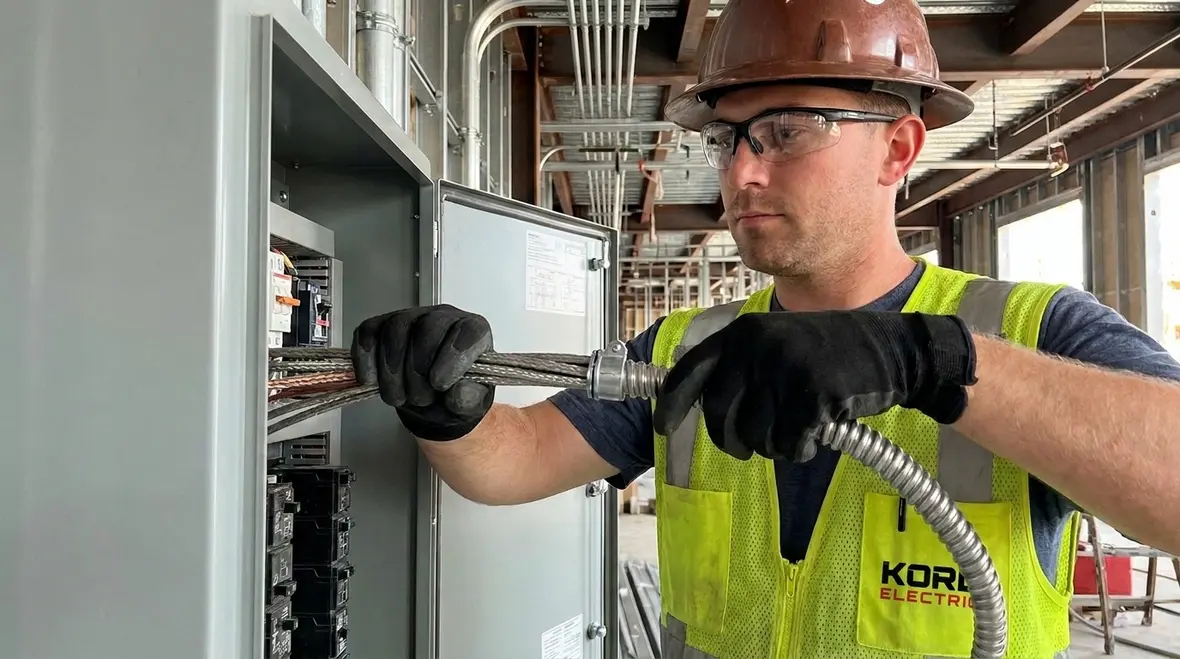
NEC 305.38 Braid Covered Conductors in FMC
At Kord Electric, we work with commercial and industrial facilities, and when the job involves NEC braid covered conductors FMC, we treat it like a safety handshake that must last through every season. In our experience, NFPA 70 Section 305.38 gets quoted less than it should, and that creates avoidable confusion during plan review, field layout, and inspection. So we translate the rule in plain language, then we connect it to how your conduit raceways and wiring behave in real buildings.
In the next sections, our technicians and expert service staff explain what braid covered conductors in FMC are meant to protect, where problems show up, and how to document compliance so your electrical system stays dependable. And yes, we will keep it readable. Electricity already has enough drama.
NFPA 70 305.38: Why it matters for conduit systems
NFPA 70 is the National Electrical Code, and Section 305.38 focuses on braid covered conductors in FMC. FMC means flexible metal conduit. The rule exists because conduit is not just a pipe for wires. It is a protective path that helps manage physical damage, protects insulation, and supports long term reliability.
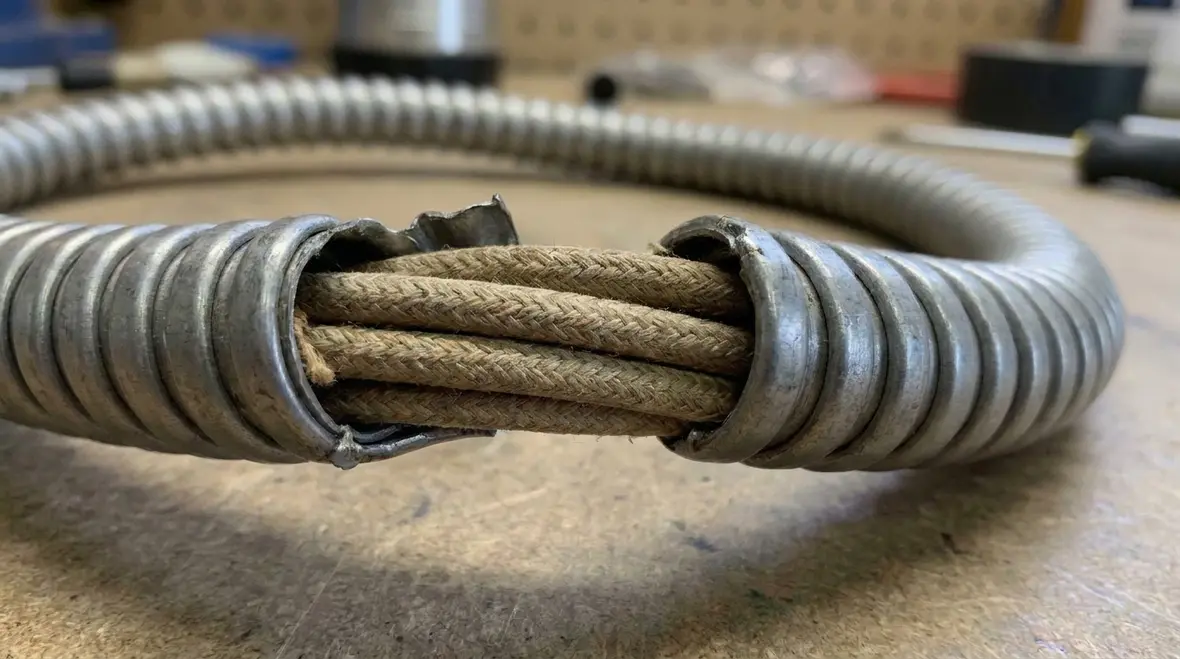
When conductors have a braid covering, the system gains an added layer of protection and performance. However, the braid does not replace good installation practices. It works with them. Therefore, inspectors look for both the conductor construction and the way it is handled during pull, routing, and termination.
At Kord Electric, our team sees patterns. First, projects rush the conductor selection. Next, crews stretch or bend the conduit beyond reasonable limits to “make it fit.” Then, connections get treated like a finishing touch instead of a safety milestone. The result can be nuisance issues, damaged insulation, or grounding concerns. We help our clients avoid those outcomes from day one.
For teams that need a broader code backdrop, this discussion fits neatly beside resources like Understanding NFPA 70: The National Electrical Code Explained for 2026, which walks through how NEC requirements shape real-world design, installation, and inspection decisions for commercial and industrial properties.
What “braid covered conductors” do inside FMC
In practical terms, braid covered conductors gain a tougher surface layer around the conductor insulation. This helps with abrasion resistance during pulling and handling. It also supports durability where FMC runs through tight spaces or areas that see frequent maintenance access.
However, the braid also adds expectations. It must align with the requirements of the NEC and the conductor listing. So when our expert service staff reviews your submittals, we verify the conductor type and the intended use, not just whether the wire “looks right.”
Here is the key idea: FMC protects the wiring route, and braid coverage supports the conductor itself. Together, they reduce stress points. Yet, they cannot erase poor workmanship. If someone uses shortcuts, like forcing bends without respecting installation limits, damage can still occur. At that moment, you no longer have a compliant system. You have a system that is merely hoping.
We also consider how buildings operate. Commercial and industrial spaces often have vibration, temperature changes, and frequent equipment movement. Over time, those conditions stress conductors at bends and terminations. Therefore, the braid covered design helps, but installation quality ultimately decides the outcome.
How to install NEC braid covered conductors FMC correctly on site
We install for real buildings, not lab conditions. So we focus on how crews handle the system after the plans leave the office. That is where compliance either holds steady or falls apart.
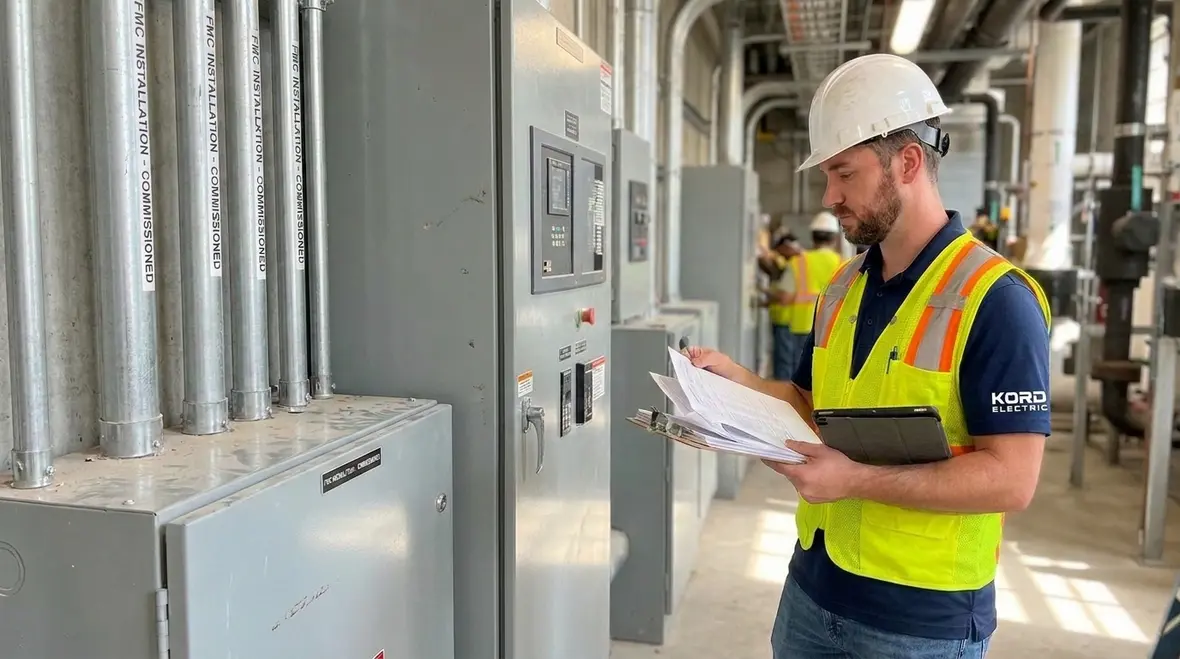
First, we confirm the FMC routing and support spacing before any conductor pulls. We do this because improperly supported conduit can sag, rub against surfaces, or create unwanted strain at termination points. Next, we inspect the conduit ends for sharp edges and ensure any connectors protect the conductor path.
Then, we handle conductor pulling with care. We use proper pulling practices and avoid dragging that scuffs the braid or insulation. Also, we plan for bend radius and routing geometry. If a route forces excessive bending, you will see problems. The braid may help, but it cannot fix a mechanical mistake.
Finally, we treat terminations as a system component, not a wrap up task. Our technicians use correct torque values and verify contact quality. This matters because termination failures often masquerade as “mystery electrical faults.” And those faults tend to show up when operations are at their busiest, which is the worst time to play detective.
Compliance tips for inspectors, documentation, and commissioning
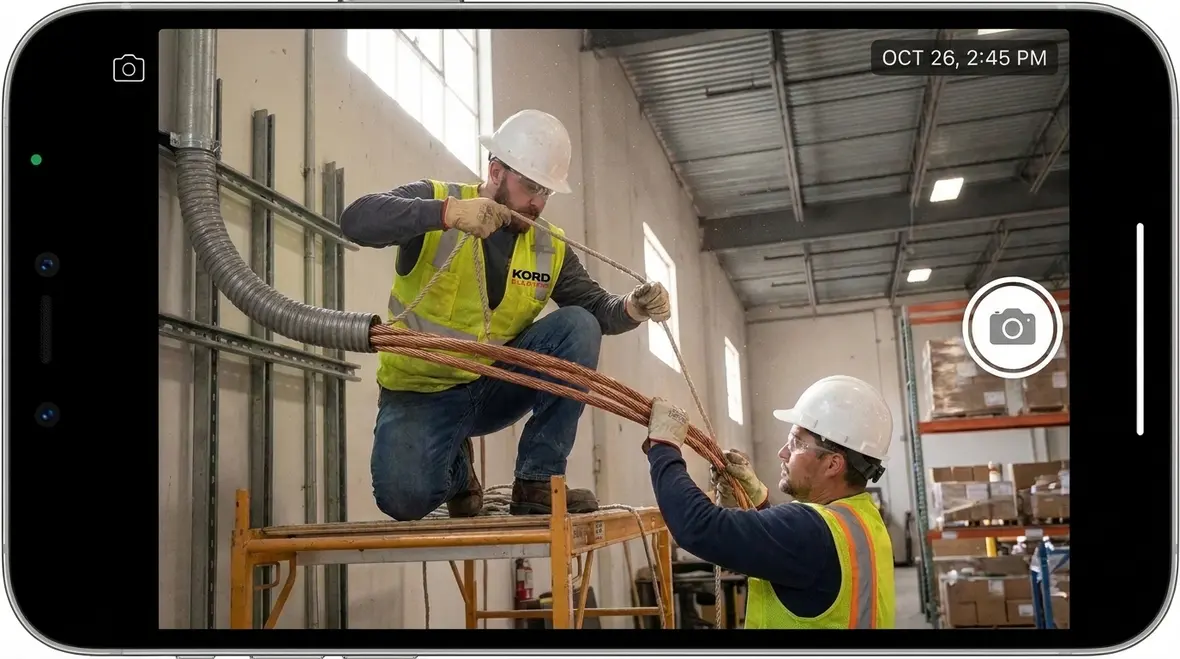
Commercial and industrial projects live and die by documentation. Therefore, we help clients build a compliance file that makes sense during inspection and commissioning. That starts before the first conduit segment gets hung.
Our approach includes clear material identification, verified conductor specs, and a record of how the FMC route was implemented. We also coordinate with the project schedule so field changes get reviewed instead of silently absorbed.
Commissioning adds the last layer of confidence. We verify continuity and insulation integrity where appropriate, and we check grounding and bonding paths. Even with braid covered conductor systems, you still need proper terminations and correct equipment bonding. If you skip these steps, you can meet the paperwork requirements but fail the real performance requirements.
For context, the National Electrical Code aims to protect people and property by setting practical, enforceable standards. Kord Fire and Kord Electric teams regularly align with these goals in our safety planning and code guidance, because fire and electrical reliability belong to the same story. That is why we often pair detailed section reviews like NEC 305.38 with higher level explainers, including Kord Fire’s NFPA 70: All About The National Electrical Code (NEC) 2026, so facility leaders can see how individual requirements connect to the full NEC landscape.
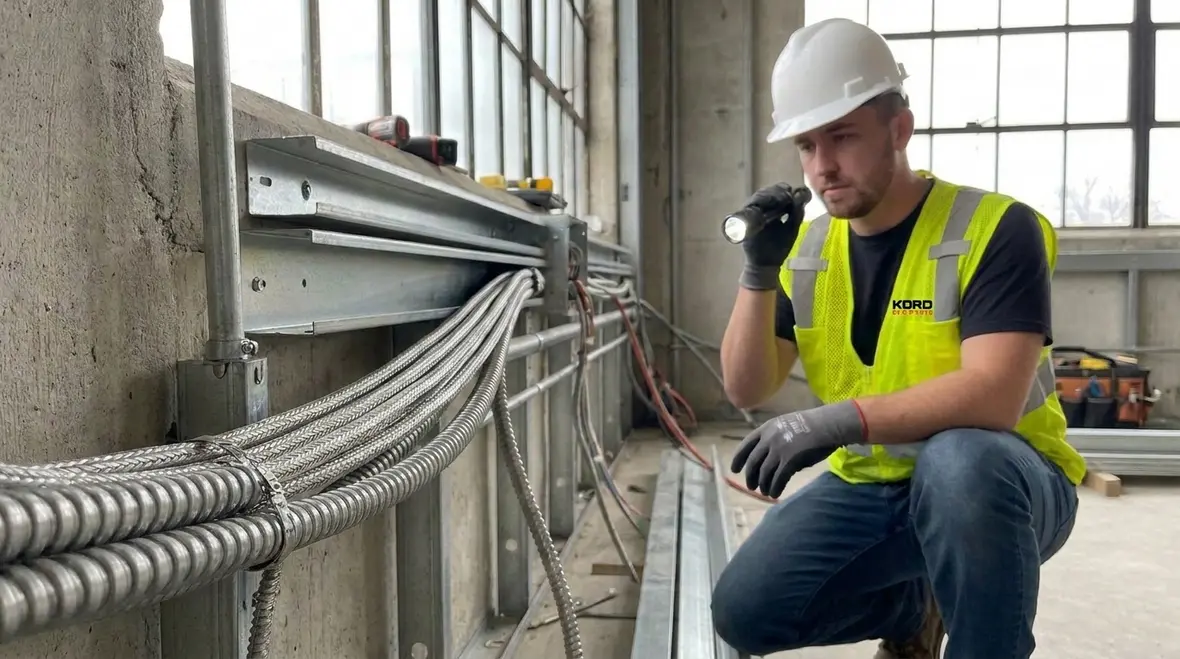
Field challenges we see with FMC in major properties
Even strong plans meet messy job sites. So we watch for the common trouble spots that affect performance with FMC and braid covered conductors.
In many commercial buildings, FMC runs through tight corridors, around structural steel, or near equipment that vibrates. When crews reuse old pathways or adjust routes late, the conduit can end up with awkward bends. Also, construction materials can introduce abrasion points if protection plates or sleeves are missing where the conduit passes through openings.
Another challenge involves coordination. Electrical work often overlaps with mechanical piping, cable trays, and access doors. If contractors place devices without considering clearance, FMC can get pinched or forced into positions it was never meant to occupy.
To keep systems stable, our technicians communicate early and verify field conditions before changes become permanent. We also help teams understand why the “temporary” reroute usually becomes the final reroute, like a sitcom character who moves in and never leaves.
When clients ask how we stay consistent across larger facilities, we point to our process. We keep checklists, we verify critical details, and we coach crews on the why. That is how a code requirement becomes a habit, not a one time compliance event.
Side by side: How conductor protection pairs with conduit protection
Below is how we explain the relationship on site. We keep it simple for operators and maintenance teams, because the best systems are the ones people can support after we are gone.
|
Conductor braid coverage Supports abrasion resistance during pulling and handling. Helps reduce surface wear in environments with tighter routing. Works best when terminations and installation practices remain correct. |
FMC as the pathway Protects the wire route from physical damage along the building path. Provides a controlled path through equipment zones and exposed areas. Relies on proper support, bend geometry, and clean terminations. |
In many of our projects, this side by side view becomes a quick training tool. It helps crews remember that even when they are working with advanced materials like NEC braid covered conductors FMC assemblies, the fundamentals of good conduit layout, support, and termination still carry most of the safety weight.
FAQ about NFPA 70 Section 305.38 and FMC
Teams planning upgrades or new installations around NEC 305.38 often bring the same questions to our technicians. Instead of leaving those answers scattered across emails and field notes, we group them in one place so facility leaders, project managers, and inspectors can move faster and with more confidence.
Conclusion and next steps
Kord Electric helps commercial and industrial facilities implement NEC requirements with confidence, and that includes NFPA 70 Section 305.38 for braid covered conductors in FMC. Our technicians and expert service staff explain the rule, verify materials, and support clean field installation that holds up through inspection and real operations. If you are planning a build, upgrading an electrical system, or troubleshooting recurring issues, contact us. We will review your approach, map the risks, and help you finish the job the way it should be finished, safely and on time.
When projects grow beyond a single room or panel, it helps to connect focused topics like NEC braid covered conductors FMC usage to your broader electrical strategy. Many facility leaders pair this work with a review of our NEC explainers and with a service overview such as our Los Angeles County electrical services for commercial and industrial facilities, which outlines how we support everything from design coordination to final inspection support across major properties.
When you want to go deeper into the code narrative behind these installations, you can also align this guide with resources like Kord Electric’s Understanding NFPA 70: The National Electrical Code Explained for 2026, which ties individual NEC sections back to the big picture of safety, reliability, and long term system performance.


