
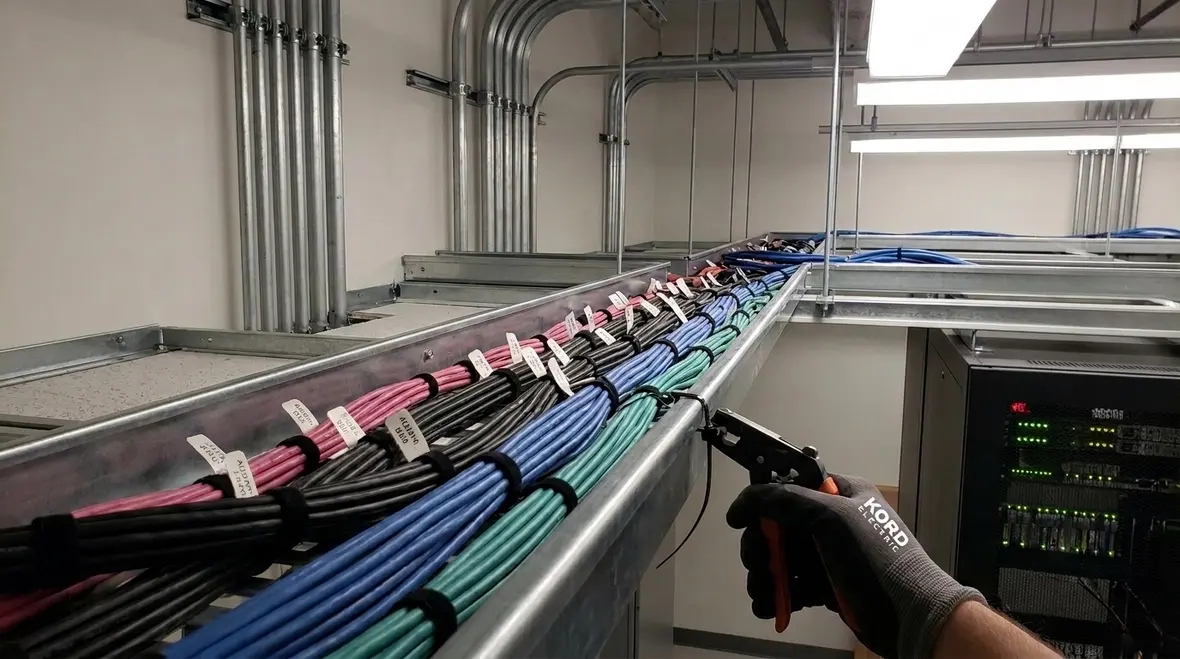
NEC 640.24 Audio Wireway Gutter Wiring for Commercial Facilities
NEC Section 640.24 audio wireway gutter wiring: what commercial facilities must know
When a commercial or industrial site designs low voltage pathways, we do not treat audio cable routing like an afterthought. In the first part of our planning, we reference NEC Section 640.24 audio wireway gutter wiring, because it sets expectations for how we run conductors that feed signaling and audio systems. Then, we align those choices with the rest of the National Electrical Code, so our work stays safe, clear, and ready for inspection. Our technicians explain it in plain language, because nobody enjoys guessing what an inspector means. (That guessing game is fun only on TV, not on a shutdown schedule.)
From there, we build a full path: where the audio wire goes, how we separate it from other systems, how we support it, and how we document it. And yes, we keep it calm and organized, even when the building is loud enough to drown out good decisions.
On many projects, we also take time to show facility teams how NEC Section 640.24 connects back to bigger picture code planning. When audio wireways and gutters respect the same intent you see in NFPA 70 Section 90.1 scope and NFPA 70 Section 110.7 wiring integrity standards, the result is a pathway that behaves well under real loads, not just on paper. That mindset keeps discipline across route selection, conductor protection, and workmanship wherever audio and signaling systems travel through the building.
What the NEC sets out to control in 2026 compliance planning
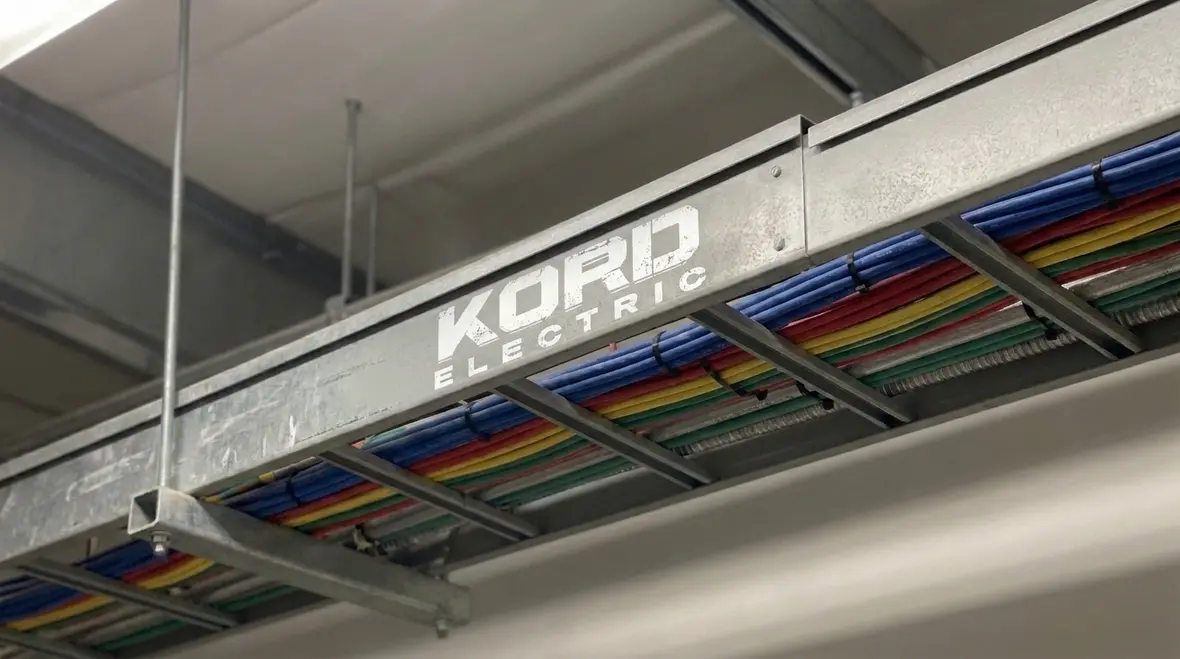
The National Electrical Code does more than list rules. It provides a risk based structure that helps us design and install systems that can handle faults, heat, and real world use. As we prepare for 2026 requirements, we keep our approach consistent. First, we read the intent behind each rule. Next, we translate that intent into layout choices and installation steps. Finally, we verify the design with field ready details so the finished job matches the plan.
Our expert service staff often see teams struggle with one thing: they read the code, but they do not connect it to the drawing set. So we do that connection. We walk through pathway separation, conductor protection, and installation practices in a way that helps facility owners and general contractors make decisions early, not after materials arrive. When people do it early, project schedules breathe easier. When they do it late, everyone suddenly learns new swear words.
We also point decision makers toward deeper resources when they want to zoom out from one section and see the whole rulebook. Articles like Understanding NFPA 70: The National Electrical Code Explained for 2026 help teams understand how section level details, such as NEC Section 640.24 audio wireway gutter wiring and other focused topics like NFPA 70 Section 210.4 multiwire branch circuits or Section 110.7 workmanship standards, align inside the bigger NEC safety story. That context keeps 2026 compliance planning grounded in intent, not just citations.
Where audio wireways and gutters fit into modern building electrical systems
Audio systems in major properties often share the building with paging, security interfaces, broadcast zones, and event sound. Because of that, the physical routing matters. We focus on where audio cable runs, and we focus on how it gets supported and protected. When we follow NEC pathway concepts, we reduce the chances that vibration, water intrusion, or mechanical damage harms the conductors.
For large facilities, wireways and gutters also help us keep work neat. In other words, we control routing so the next trade can find what they need without turning the building into a scavenger hunt. Our technicians treat these routes like a system, not a pile of cable. Therefore, they coordinate supports, maintain spacing, and keep clear labeling habits that help operations later.
In commercial and industrial buildings, these pathways rarely live in isolation. Audio wireways may run near feeders, control raceways, or life safety systems. That is where disciplined spacing, cover protection, and termination practices matter. By treating the audio wireway layout with the same care we apply to grounding, bonding, and multiwire branch circuit planning, we prevent low voltage audio conductors from becoming an unplanned risk when loads shift or when maintenance work happens years after commissioning.
How NEC 640.24 shapes conductor installation choices for audio pathways
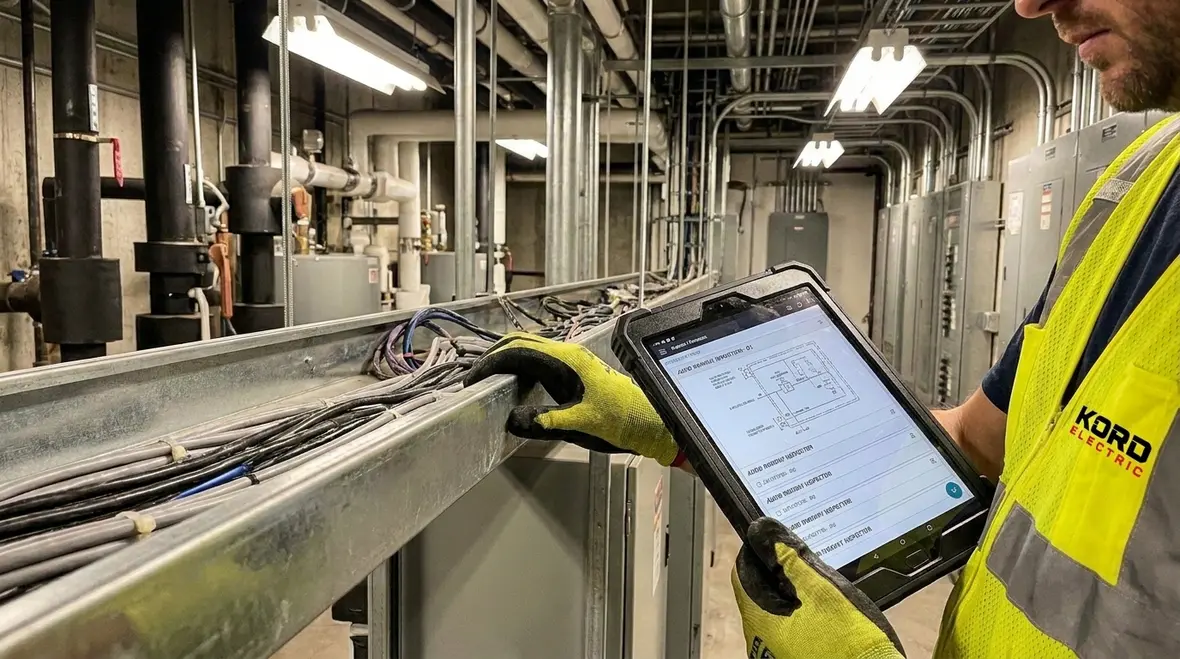
NEC Section 640.24 is where the code speaks directly about audio wireway and gutter wiring practices. This affects the way we choose the method for routing, and it affects how we install conductors within those pathways. In practice, we use it as a check point during design and during installation verification.
We start by confirming what the system is, how it functions, and where it runs. Then we match the pathway method to the requirement, and we make sure the installation details follow through in the field. After that, we verify that the conduit and wireway layout supports safe access for inspection and maintenance.
Our expert service staff explains the “why” behind the rule. So, when someone asks, “Can we just reroute this section?” we can respond with a calm, professional correction. Usually, the code does not forbid flexibility, it just demands we keep conductors installed in a way that maintains safety under typical building conditions.
For facilities that rely on distributed audio, paging, or integrated AV, we also fold in routing checks that mirror broader NEC expectations. That includes separation from higher voltage conductors where required, careful attention to support intervals so the gutter does not become a stress point, and termination practices that respect listing information for both the wireway and any integral fittings. In our internal reviews, NEC Section 640.24 audio wireway gutter wiring acts like a focused lens we hold up to the broader NEC chapters so the entire pathway makes sense from device to source.
Common commercial jobsite issues we prevent with structured wiring reviews
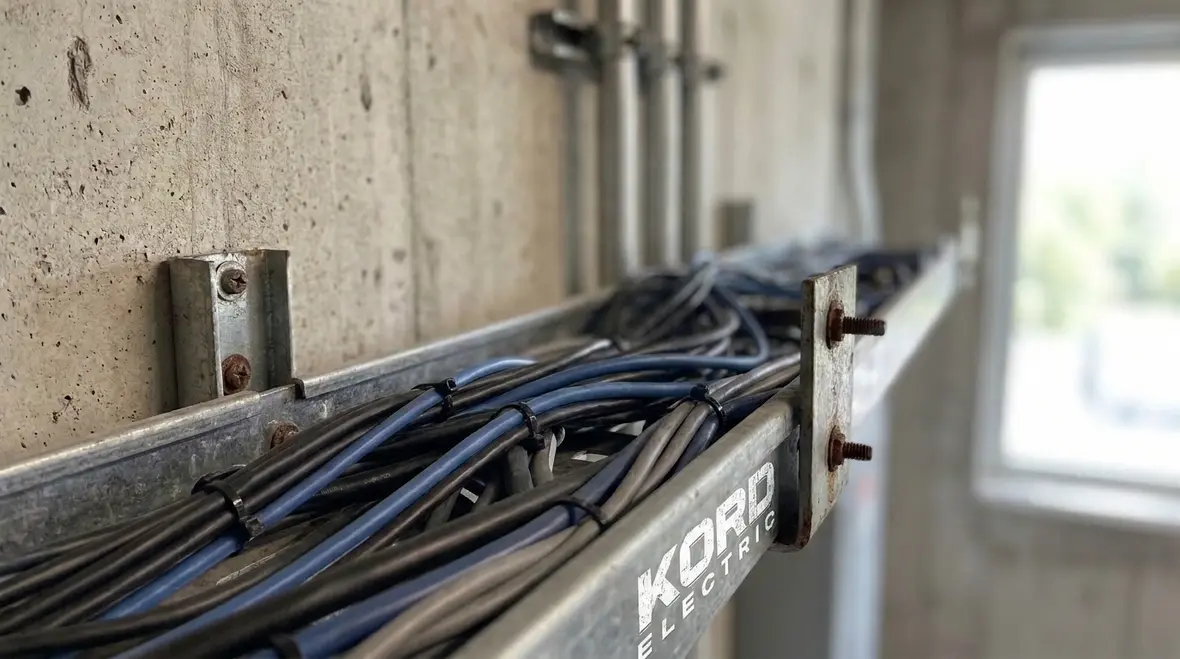
Large projects love surprises. Unfortunately, electrical surprises tend to arrive with delays, rework, and expensive meetings. To prevent that, we use structured wiring reviews that focus on the pathway, the cable, and the environment.
Here are the issues we routinely catch early, so your facility does not pay for “lessons learned” the hard way.
- Mixed pathway layouts: Teams sometimes combine audio pathways with other systems without the correct separation or practices. We stop that before it becomes a change order.
- Support gaps and strain: If we do not support properly, conductors can experience stress during building movement or installation. Our technicians verify spacing and securement.
- Moisture and condensation risk: In service areas with humidity or roof adjacent zones, we plan route protection so water does not work its way into components.
- Documentation mismatch: We build our job records to match the as built drawings. Facility teams deserve clarity, not mystery PDFs.
- Labeling and handoff confusion: When handoffs fail, operations suffers. We label in a way that helps the next team operate reliably.
And yes, we have seen the “we will label later” approach. That is like saying “we will eat dessert later” right before the meeting starts. It never ends well. We handle labeling and routing clarity from day one.
As part of those reviews, we often walk facility managers through case studies drawn from our broader NEC education work. For example, when teams understand how workmanship rules in NFPA 70 Section 110.7 apply to all wiring methods, they see why even “just audio” gutters need correct terminations and mechanical protection. When they see how code scope discussions in NFPA 70 Section 90.1 shape what inspectors prioritize, they understand why poor separation between audio and power pathways attracts comments even if everything still technically functions on day one.
Step by step: how Kord Electric coordinates inspections and documentation
We operate in commercial and industrial spaces, and we plan for how inspections actually happen. That means we keep the job organized, we keep the paper trail clean, and we keep the details aligned to the NEC expectations.
Our workflow typically follows a clear sequence. First, our technicians review the design documents and identify audio wireway and gutter routing requirements. Next, we confirm materials, pathway routing, and support methods before we pull cable. Then, we conduct field checks to ensure the installation matches the plan. After that, we coordinate with the project stakeholders so the inspector can verify the work without chasing explanations through the building like it is a maze.
We also reference current guidance from our resources. Our team aligns its approach with the NEC education coverage we share across our ecosystem, including the focused explanations published by Kord Fire on the NEC and related compliance themes. And for project teams that want broader fire and electrical alignment, we point them toward practical resources, including fire safety guidance and industry context. The goal is simple: make it safer, make it clearer, and make it pass with less drama.
On Los Angeles County projects, our audio wireway review frequently pairs with wider electrical support, from troubleshooting entrenched issues to building out emergency power plans that respect NEC coordination rules. Many facility leaders discover us first through topics like electrical troubleshooting for Los Angeles County commercial buildings, then expand the relationship to include pathway design, documentation cleanup, and NEC Section 640.24 audio wireway gutter wiring reviews when new AV or paging work is on the horizon.
NEC Section 640.24 audio wireway gutter wiring usage and NEC Section 640.24 audio wireway gutter wiring: bringing it together
Because audio systems now tie into everything from tenant amenity spaces to emergency messaging, we treat NEC Section 640.24 audio wireway gutter wiring usage as a strategic design decision, not a late add. During early design charrettes, we sit with engineers and project managers to decide where gutters make sense, how future expansion might affect fill, and what separation rules apply when other low voltage or power conductors share nearby spaces.
From there, we translate those decisions into drawings, specifications, and practical field notes. That includes clear callouts for conductor types, support spacing, junction locations, labeling conventions, and access expectations. When the time comes to build, our crews use those notes as a checklist for both workmanship and code alignment. Instead of guessing which route “seems fine,” they follow a documented plan that already harmonizes NEC Section 640.24 audio wireway gutter wiring with related NEC provisions so inspection day feels like confirmation, not surprise.
By the time we reach closeout, the combination of careful 640.24 planning, consistent documentation, and recorded test results gives facility teams a package they can trust. It is not just a stack of papers. It is a map that shows how audio pathways move through the building, how they stay protected, and how they line up with the rest of the electrical system over the life of the facility.
FAQ
Choosing the right electrical partner for major properties
If your facility uses audio and signaling systems, you need more than “someone who can run cable.” You need a team that understands code intent, pathway coordination, and inspection reality. At Kord Electric, we design and install for commercial and industrial sites, and we keep our technicians engaged from planning through closeout. Therefore, you get safer routing, cleaner documentation, and fewer late surprises. If you want us to review your audio wireway and gutter wiring plan, contact Kord Electric today and let us help your project move forward with confidence.
For organizations operating in Southern California, that support can scale well beyond one system at a time. Our Los Angeles County electrical services for commercial and industrial facilities include troubleshooting, upgrades, preventive maintenance, and project based installations that keep audio, power, and life safety systems aligned under the same NEC focused approach. When audio wireways and gutters are planned alongside distribution, grounding, and emergency power, your facility gains a stronger, more predictable electrical backbone.
Whether you are building new, renovating, or trying to untangle legacy wiring that grew one renovation at a time, Kord Electric is ready to step in with the calm, methodical planning that NEC Section 640.24 audio wireway gutter wiring deserves. We connect the design table to the field, keep inspectors informed, and leave behind documentation that actually helps the next person who opens a panel or follows a pathway down the corridor. That is how you turn code language into a safer, clearer, and more reliable commercial facility.
Conclusion: NEC Section 640.24 audio wireway gutter wiring is not just a citation; it is a practical roadmap for how audio conductors move through commercial and industrial buildings without putting people, property, or uptime at risk. By treating gutters and wireways as intentional systems, pairing them with broader NEC guidance, and coordinating every step from design to inspection, your facility can support modern audio and signaling needs with confidence.


