
NEC 675 21 Irrigation Motor General Rules Explained
NEC Section 675.21 irrigation motor general rules and what they mean for facility owners
In the first 100 to 150 words, we say it plain, because electrical rules should not feel like a riddle wrapped in a waiver. NEC Section 675.21 irrigation motor general rules guide how we install and handle irrigation motors, so they stay safe, reliable, and ready to run when the landscaping crew shows up with the hose and the attitude. For commercial and industrial facilities, we see these systems as part of the building’s real operations, not an afterthought.
As we walk through the National Electrical Code approach, our goal stays consistent. We help our clients understand what the NEC expects, how inspectors typically look at installations, and what our expert service staff verifies in the field before problems grow teeth. And yes, if something feels like it might trip a breaker, it usually does. Murphy loves panels, too.
How Kord Electric uses the NEC framework for safer motor circuits
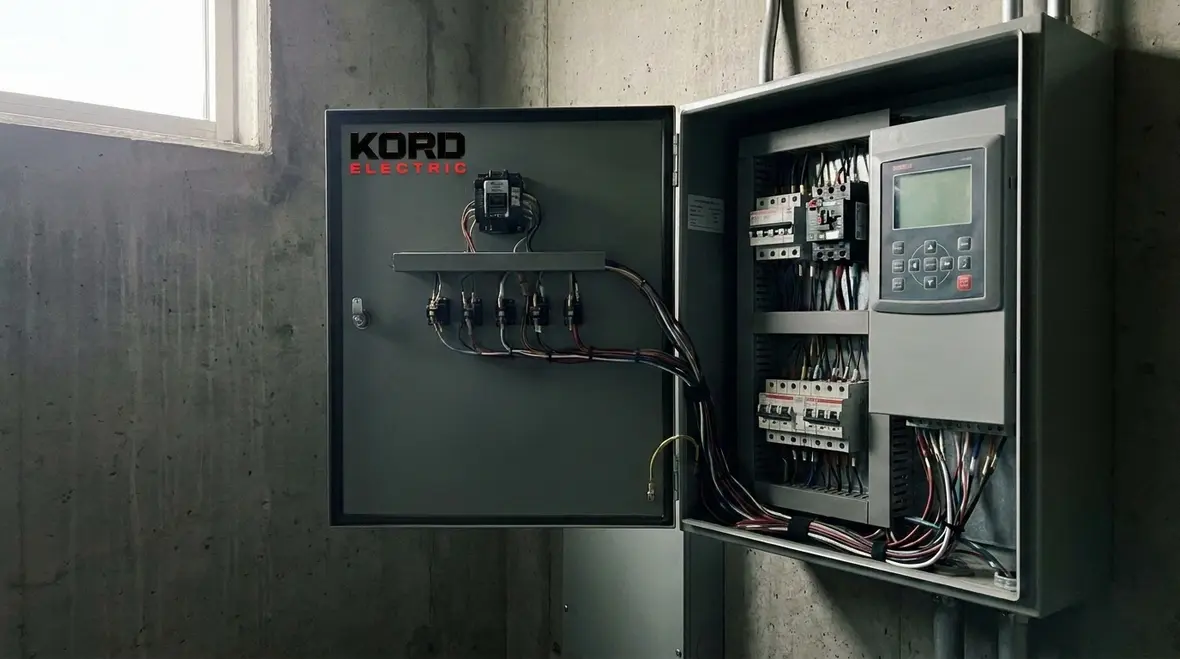
Third party codes can feel distant until you see what happens in a real mechanical room. Therefore, we tie the NEC framework to the actual wiring and equipment decisions that our technicians make. We focus on motor circuit components, protection, conductors, grounding, and disconnecting means so the system can operate without creating hazards.
In practice, we treat the NEC as a checklist with consequences. When a motor circuit lacks the right protection or when the wiring route ignores heat, moisture, or physical damage, the risks show up as nuisance trips, premature failures, and sometimes worse. Meanwhile, our expert service staff explains each step while keeping the pace calm and clear, like a seasoned instructor who refuses to let you guess.
We also coordinate with other trades on major property buildings. That coordination matters because irrigation systems often share space with controls, pumps, and landscape power feeds. When you get the handoffs right, the whole site runs smoother. When you get them wrong, it becomes a scavenger hunt with a multimeter.
NEC compliance for irrigation motor installations in commercial properties
Facility owners and managers usually do not want generic advice. They want to know what compliance looks like at a real site, with real equipment and real deadlines. So we start with how irrigation motor general rules show up during installation decisions.
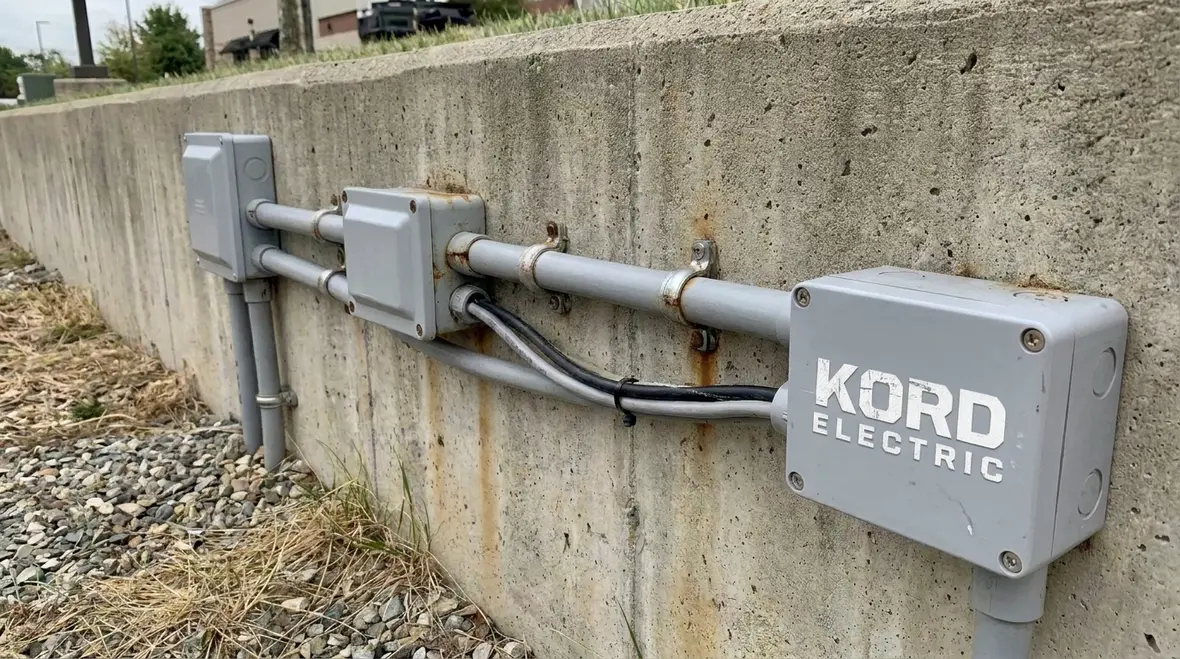
First, we confirm the motor’s electrical requirements align with the disconnecting and protection approach used on the circuit. Next, we verify that conductors and connections match the load and environment. Then, we check routing and protection from physical damage, because buried or exposed sections can face strain, impacts, and weather stress.
Also, we make sure the system design considers safe operation, not just the initial startup. We think about how motors behave under normal load, during cycling, and in the moments when someone inevitably runs the wrong control schedule. Our technicians plan for that reality, so the electrical side stays stable.
For facility leaders comparing different NEC sections, cross-referencing guidance on irrigation circuits with broader NEC overviews such as Understanding NFPA 70, the National Electrical Code Explained for 2026 helps connect the big picture to the specific decisions around pumps, motors, and controls.
Motor protection, disconnecting, and wiring practices that stand up to inspection
Inspections often focus on whether the circuit can be shut down safely and whether it stays protected during faults and abnormal conditions. Therefore, our technicians document what they install and why, then they verify key details during commissioning. This includes proper protection devices, correct wiring methods, and safe separation of power from control where required.
We also pay attention to terminations and connection quality. Loose or mismatched connections can heat up, then fail in a way that makes everyone blame the “mysterious” part. It is rarely mysterious. It is usually human speed and skipped torque checks.
When we work on commercial and industrial facilities, we avoid shortcuts that only pass on paper. We follow the same disciplined approach you would expect from teams that understand uptime matters, because it does. If an irrigation motor fails during peak season, landscaping turns into a cost center, and delays cascade into other schedules.
Grounding, bonding, and equipment location for pump and irrigation systems
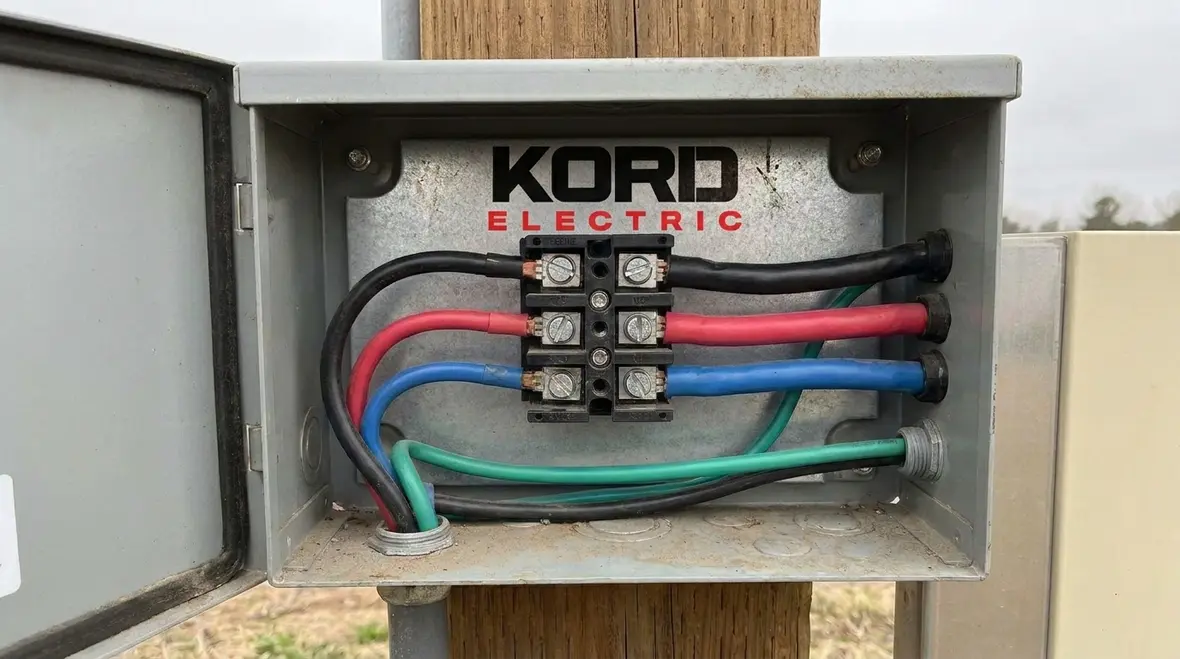
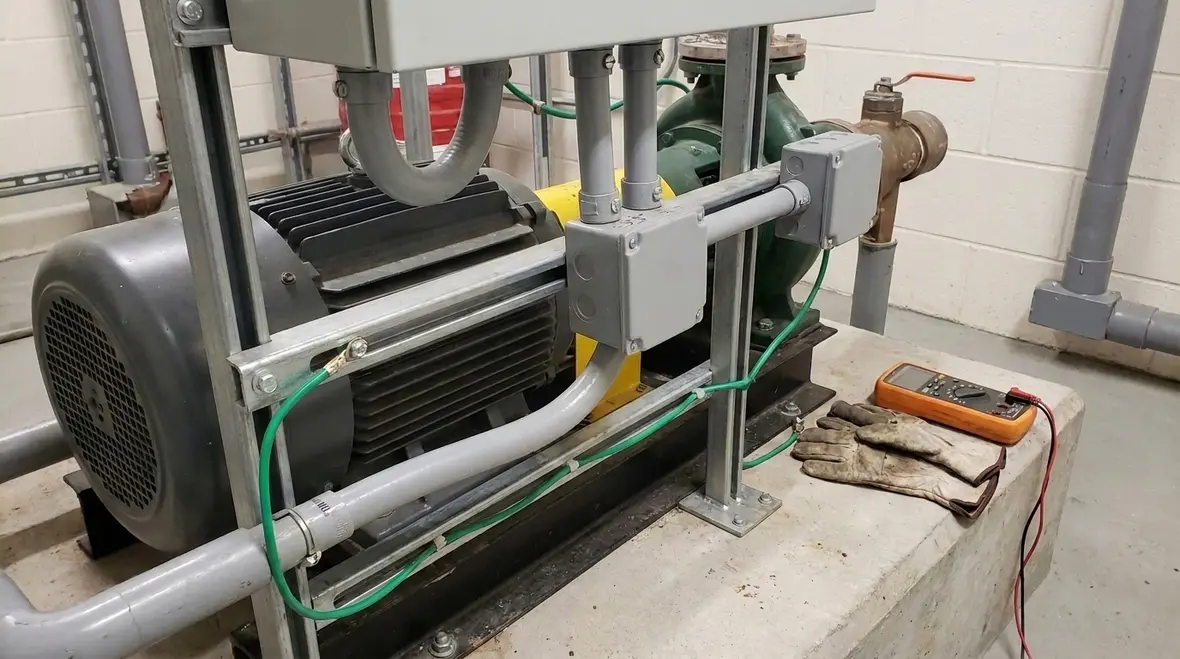
Grounding and bonding work quietly, yet they often determine whether a motor system stays safe under fault conditions. Our expert service staff explains this in plain terms: correct grounding helps keep fault energy from traveling into unsafe spaces and helps protection devices work as they should.
In major property buildings, we also evaluate where equipment sits and how the location affects the risk. Moisture, condensation, and outdoor exposure can change the environment fast. Then dust and washdowns add another layer. So we confirm that wiring methods and enclosures match the physical setting, and we verify that equipment rests in a way that keeps connections protected.
We coordinate these details with the broader code themes often found in NEC related guidance, including the kind of industry summaries we reference through our partners and resources such as NFPA 70: All About The National Electrical Code (NEC) 2026 and fire focused groups like firepumps.org for cross system awareness. Different specialties, same outcome: fewer surprises when the system needs to perform.
How NEC Section 675.21 irrigation motor general rules interact with grounding and bonding
When we apply NEC Section 675.21 irrigation motor general rules in the field, grounding and bonding show up as quiet heroes. The rules about motor circuits and disconnecting means only work as intended when the fault path is low impedance and predictable. That is why we verify bonding jumpers, confirm equipment grounding conductor sizing, and review how metallic raceways tie into the overall grounding scheme.
Understanding NEC updates and why facilities should plan ahead for 2026
Codes evolve, and facility teams need time to adjust. That is why we pay attention to how National Electrical Code guidance may shift as we move forward. One of the reasons we reference the 2026 related guidance is simple. We want our commercial clients to avoid last minute redesigns and rushed change orders.
Our approach stays practical. We review how the code concepts apply to irrigation motors today, then we look ahead at likely enforcement priorities. We also align documentation with what inspectors typically request for major property buildings, which helps reduce delays on site.
In other words, we do not treat compliance like a yearly panic. We treat it like a living system. And if you think that sounds like adulthood, you are right. Nobody enjoys paperwork, but we enjoy not failing inspections.
Why planning around NEC Section 675.21 irrigation motor general rules matters for budgets
When facilities plan projects without considering NEC Section 675.21 irrigation motor general rules, budgets often take the hit later. Changing conductor sizes, reworking disconnect locations, or upgrading motor controllers during inspection can cost more than doing it right the first time. By treating irrigation circuits with the same respect as process loads or data center equipment, owners keep financial surprises in check.
Real world site verification: what our technicians check before handoff
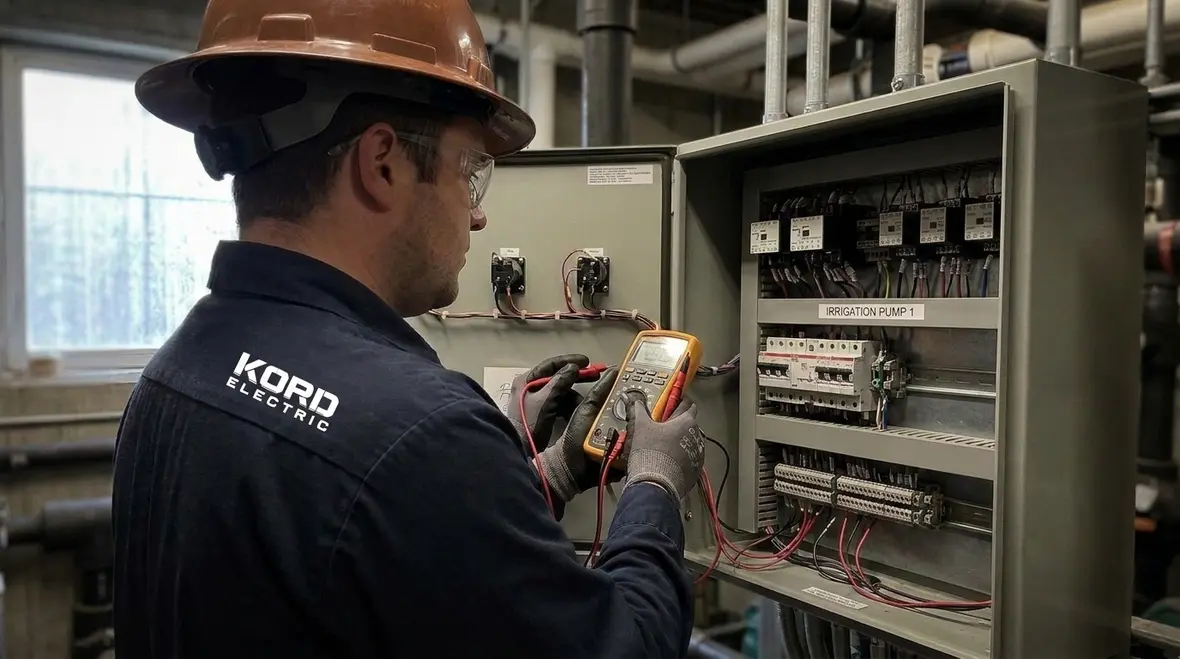
This is the part that matters most after the theory. Before handoff, our technicians perform verification steps that support safe operation and consistent performance. We check the circuit labeling, confirm equipment identification, and inspect wiring for secure connections and correct routing. We also confirm motor starting behavior and protective device function.
Then, we run through the practical questions facility managers care about. Does the system shut down correctly? Do controls respond as expected? Do we see signs of abnormal heat or vibration? We document outcomes so your team can maintain the system with confidence.
To keep the process even clearer, we sometimes use a dual column checklist format during planning sessions, so responsibilities stay obvious and nothing gets lost between trades. That kind of structure prevents the “we thought you meant the other box” problem. It happens. It is human. We still prevent it.
| Verification step | Why we do it |
| Confirm protection and disconnecting arrangement | Helps meet NEC expectations and supports safe shutdown during faults |
| Inspect grounding and bonding integrity | Supports safe fault paths and helps protection devices operate correctly |
| Verify wiring routing and physical protection | Reduces damage risk in outdoor and equipment adjacent areas |
| Document labels and equipment identification | Speeds up maintenance and improves inspection readiness |
How NEC Section 675.21 irrigation motor general rules shape final acceptance checks
During final walkthroughs, our team reviews NEC Section 675.21 irrigation motor general rules against what is actually built. We verify that disconnects are accessible, that motor controllers match the load, that conductors are sized and protected correctly, and that labeling reflects real circuit paths. If something does not line up, we correct it before your inspection team or Authority Having Jurisdiction turns it into a delay.
Frequently asked questions for commercial and industrial facility teams
Call Kord Electric for inspection-ready irrigation motor support
If you manage a commercial or industrial facility and you want fewer surprises, call Kord Electric. We send our technicians with a steady process: we review the irrigation motor setup, verify protection, grounding, and wiring practices, and document results your team can rely on. When your site needs safe electrical performance and dependable uptime, we handle it with calm expertise and real-world discipline. Schedule a service visit and let us help your irrigation system pass inspection the first time, like it actually wants to.
For facilities across the region, our team also supports broader electrical work beyond irrigation, from emergency power design to distribution upgrades. If your operations extend across Los Angeles County and you need a contractor who treats irrigation motors as part of the full electrical story, our Los Angeles County electrical services team can coordinate motors, panels, controls, and protection in one consistent plan.
When you are ready to tighten up compliance, stabilize irrigation performance, and bring NEC Section 675.21 irrigation motor general rules into everyday practice, we are ready to help you turn theory into a clean inspection report and a calmer maintenance schedule.


