
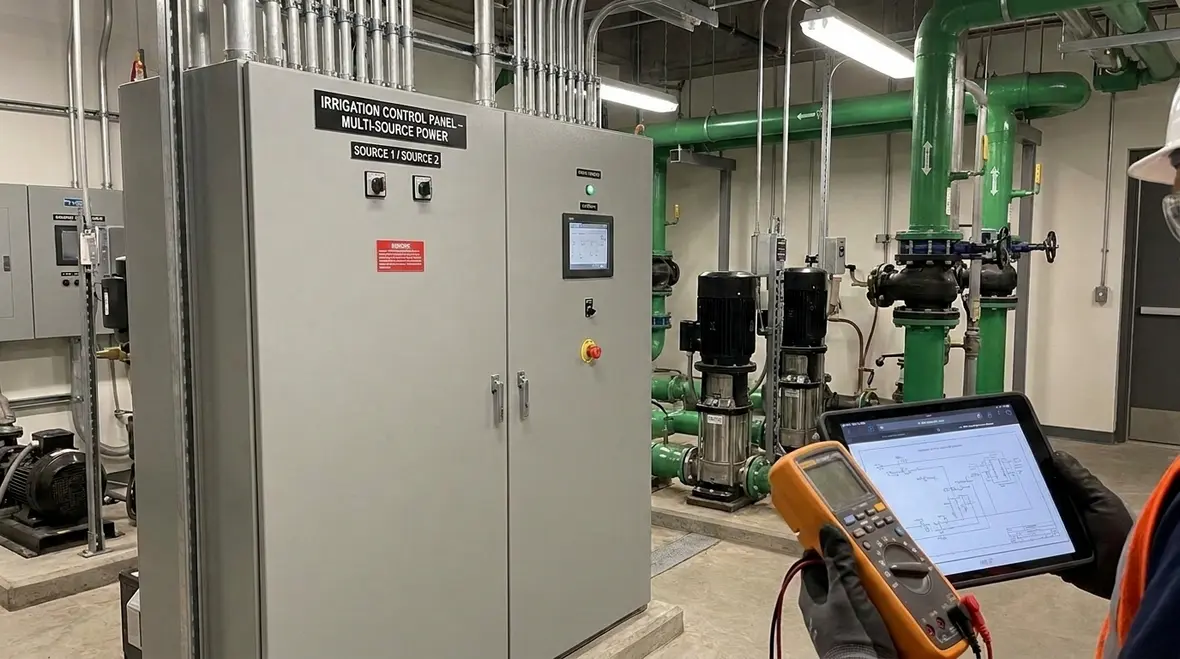
NEC Section 675.16 Irrigation Multi-Source Power Requirements
NEC Section 675.16 irrigation multi-source power matters for a reason that is both practical and, frankly, hard to argue with when water and control systems depend on it. In commercial and industrial facilities, we often see irrigation systems, control panels, and fire related interfaces living side by side with normal power loads. And when those systems fail, they do not fail quietly. They fail expensively.
At Kord Electric, we focus on commercial and industrial properties and major building projects. Therefore, we take compliance seriously and we explain it like our technicians are standing next to you, calm and ready to walk through the details. In this guide, we break down the National Electrical Code requirements behind modern irrigation power setups, including NEC Section 675.16 irrigation multi-source power, how multi-source concepts work in the real world, and what we recommend when you plan, upgrade, or inspect your system.
What NEC 675.16 irrigation multi-source power really means for sites
To start, NEC concepts can feel like they were written by a committee of engineers who also enjoy riddles. But the intent is clear: the code pushes designers to reduce the chance of losing critical irrigation function when one power path stops. For major properties, that means you should not rely on a single point of power failure for the systems that keep life, landscaping, cooling strategies, and water control running.
In practice, we help clients understand the difference between simply powering an irrigation control system and designing it so it can continue operating when something goes wrong. Then we tie it back to how electrical rooms, feeders, transfer equipment, and monitoring circuits behave under load.
As our expert service staff explains, “multi-source power” is not a magic spell. It is a disciplined arrangement of power sources and transfer behavior that aims to maintain operation. The code language drives how those sources connect, how equipment reacts, and how the facility can document and inspect what was built.
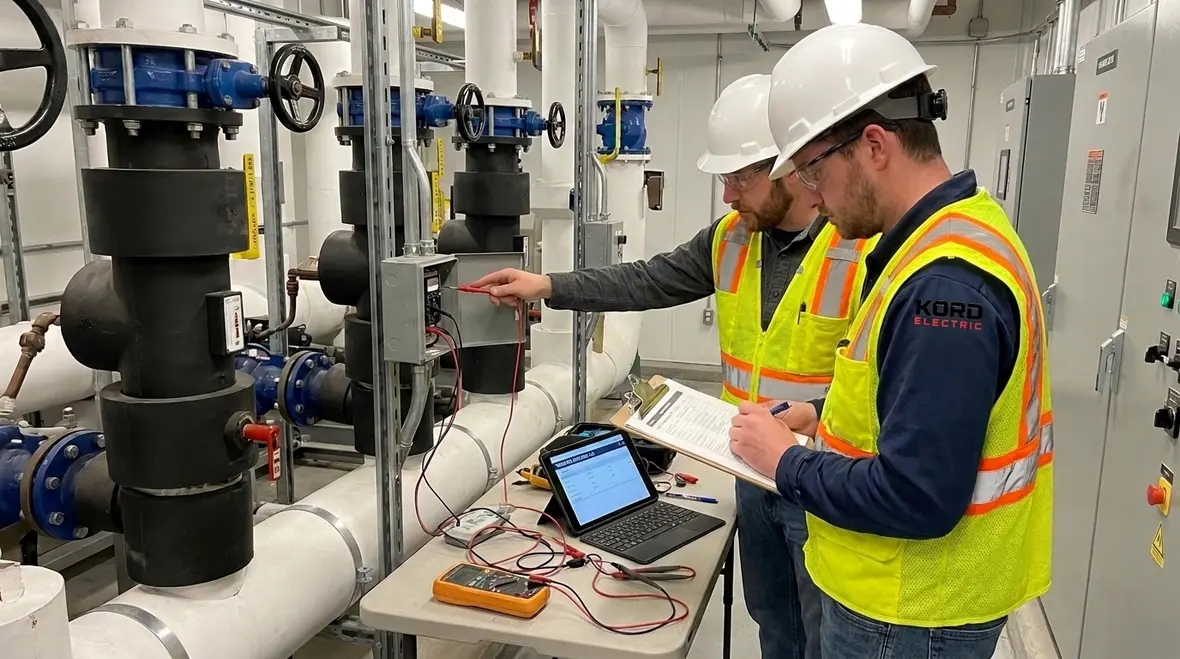
How we interpret multi-source setups without guessing
Next, we treat compliance like a jobsite reality check. We do not stop at a brochure-level summary. Instead, our team looks at the full chain: utility supply, on site transformers, distribution gear, control power, protective devices, and the transfer methods that move loads between sources.
At Kord Electric, we also coordinate with other trades because irrigation power rarely lives alone. It often ties into building automation, pump rooms, valve control cabinets, and sometimes fire pump adjacent spaces in larger complexes. Meanwhile, a facility may have separate power areas, surge protection expectations, and different grounding and bonding rules based on the electrical system design.
So when we discuss NEC guidance, we translate it into what your drawings and equipment lists must actually show. Furthermore, we make sure the design intent matches how electricians install the system and how operations staff tests it.
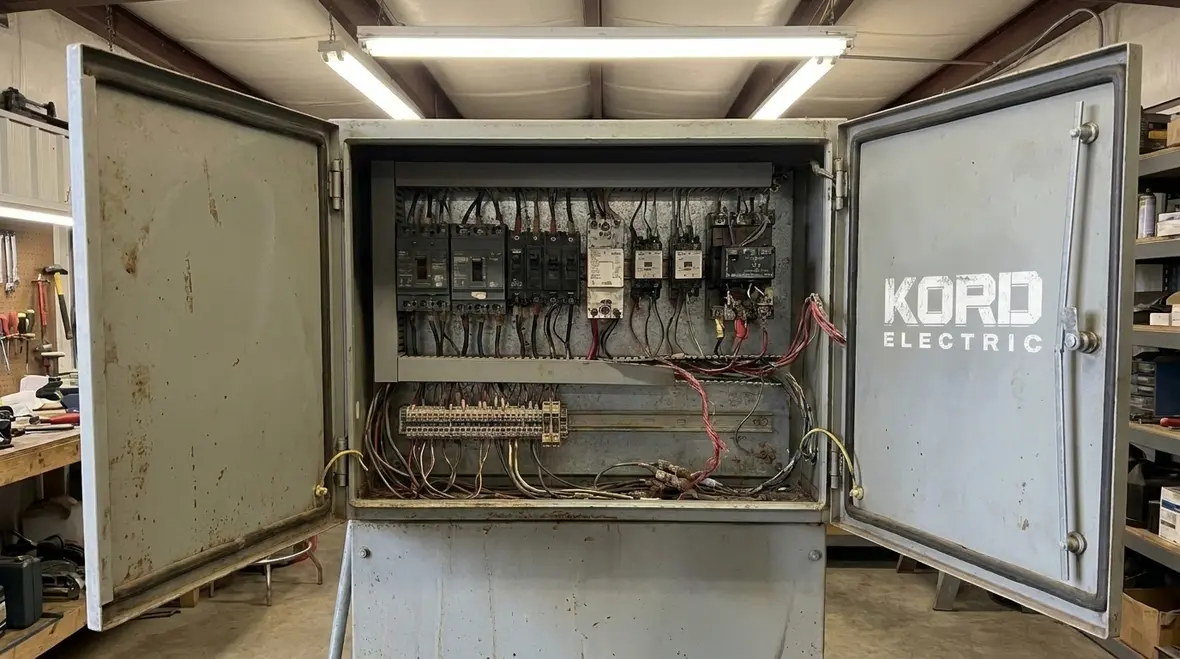
Single point failures: where compliance issues hide
Then comes the part nobody wants to talk about, but everyone should plan for. Many compliance gaps show up when people assume that “backup power exists.” Often, that backup is not tied to the same load behavior, or it transfers too late, or it is not evaluated under realistic conditions.
Common problem zones include
- Controls that reboot during transfer and lose programming logic
- Protection devices that trip under normal starting conditions
- Wiring layouts that do not support the required separation or identification
- Equipment that does not meet the expected transfer performance
- Cabinet level components that are overlooked during commissioning
We address those issues with structured testing and documentation. In other words, we do not just install equipment and hope. We verify that the system behaves correctly, and we confirm that the “multi-source” intent lines up with how the controls work during source loss. Because if your irrigation valves do not open when you need them, then the code did not save the day, and neither did the electrician’s good intentions. We have a sense of humor, but we keep the standards serious.
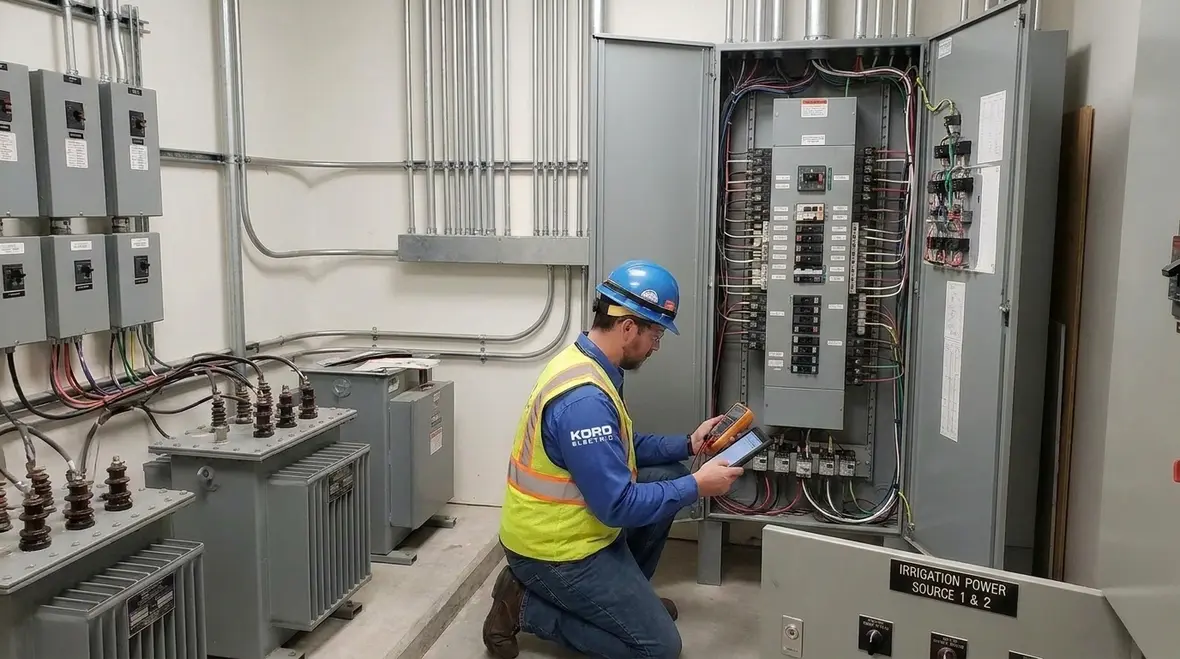
Commissioning and documentation we expect for commercial and industrial buildings
Now we move from theory to the stuff that gets you through reviews, inspections, and real operation. For major property buildings, the electrical system should not only function. It should be provable.
Our technicians and expert service staff typically guide the facility through a commissioning approach that includes
- Clear labeling of circuits, control components, and source connections
- Verification of transfer behavior and timing during source change
- Testing of protective device coordination and fault response
- Validation that control power, pumps, and valve operations match design intent
- As built records that match the field installation
To keep the process smooth, we also help clients understand how to organize the evidence inspectors look for. That includes where the source information lives on the one line diagram, how equipment ratings connect to load calculations, and how maintenance staff can safely retest the system later.
Also, we remind teams that irrigation systems often work in seasonal cycles. So we build a plan that supports testing beyond the first startup. After all, “we will check it next spring” is the classic line that turns into a calendar escape room.
Coordination with related NEC content and fire related expectations
Because facilities are complex, power rules rarely stand alone. We connect NEC guidance for irrigation power concepts with other code areas that affect how the building operates safely. For example, when systems tie into pump rooms, building automation, or fire related equipment spaces, the design must respect the separation, labeling, and operational reliability expectations that apply in those environments.
We often see teams use multiple references while planning upgrades, such as guidance published by industry focused groups like Kord Fire and resources that help interpret the National Electrical Code in plain terms. Then, at the jobsite level, we translate those interpretations into clean electrical layouts, correct transfer logic, and stable control operation. For deeper context on how the National Electrical Code ties together across systems, many facility teams also review our companion resource on NFPA 70 in the Kord Electric blog, Understanding NFPA 70: The National Electrical Code Explained for 2026, and align those concepts with their irrigation and outdoor power work.
In other words, we do not treat code as a checklist. We treat it as a map. And if your building navigation system is wrong, you do not arrive on time and your tenants notice. We try to prevent that.
Design and retrofit strategy for major properties
When clients ask about updates, we help them choose a path that fits the building schedule and risk level. First, we evaluate what is already installed. Then we compare it to what the system must do under source loss conditions, and we identify the work that needs to occur to meet the intended multi-source behavior.
For retrofits, we typically approach projects in layers
- Electrical assessment of feeders, transfer equipment, and distribution panels
- Inventory of irrigation control components and how they reboot or recover
- Verification of protection settings and starting current behavior
- Cabinet level review, including identification and separation practices
- Test plan alignment with commissioning goals
Next, we plan how to work without shutting down more of the facility than necessary. Since commercial and industrial sites have production schedules, operations staff needs predictable timelines. Therefore, we coordinate access, isolate circuits carefully, and keep downtime limited and communicated.
We also encourage clients to plan for future maintenance. When multi-source power systems are documented and labeled correctly, maintenance becomes a controlled task rather than a scavenger hunt with a flashlight. That is not only safer, it is cheaper over time.
Quick comparison: what to look for on drawings and in the field
Below is a practical view of what our teams verify during design reviews and onsite walks. We use this as a sanity check so nobody builds the wrong thing and then calls it “close enough.”
| Design document check | Field verification check |
| Source paths clearly shown on one line diagrams | Circuit identification matches drawings and labeling standards |
| Transfer method and expected behavior documented | Actual transfer performance meets commissioning expectations |
| Protection and load calculations reflect starting conditions | Protective devices coordinate without nuisance trips |
| Control power recovery behavior explained | Controls retain or restore function after source change |
| Maintenance and testing steps included in project closeout | Accessible equipment supports safe future inspection and retesting |
Frequently asked questions about NEC Section 675.16 irrigation multi-source power
Choosing Kord Electric for code focused irrigation power projects
When your facility depends on irrigation and related control systems, we do not recommend “guessing and patching.” We recommend a structured electrical design and commissioning approach built for commercial and industrial realities. At Kord Electric, our technicians and expert service staff help you interpret requirements, verify the actual field behavior, and document the results so inspections go smoother. If you are planning an upgrade or a new build, contact us for a focused review and a clear action plan.
For multi-source projects that touch more than just irrigation, our teams also support broader reliability and emergency power work. Many clients pair NEC Section 675.16 irrigation multi-source power upgrades with improvements to backup and distribution design, aligning them with best practices similar to those we use in our emergency power for business continuity and redundancy projects. And when your site operates in Southern California, our dedicated Los Angeles County electrical services team can coordinate irrigation power compliance with other commercial and industrial electrical upgrades across your campuses.
Whether you are updating drawings for the next code cycle or solving a specific irrigation power concern, we aim to make the process calm, logical, and well documented. That way, when the next inspection arrives — or the next storm rolls through — your irrigation system behaves like it planned for the moment, not like it is improvising under pressure.


