
NEC 682.11 Electrode Heating Distribution Location Explained
Kord Electric explains the NEC rules that keep electrode heating under control
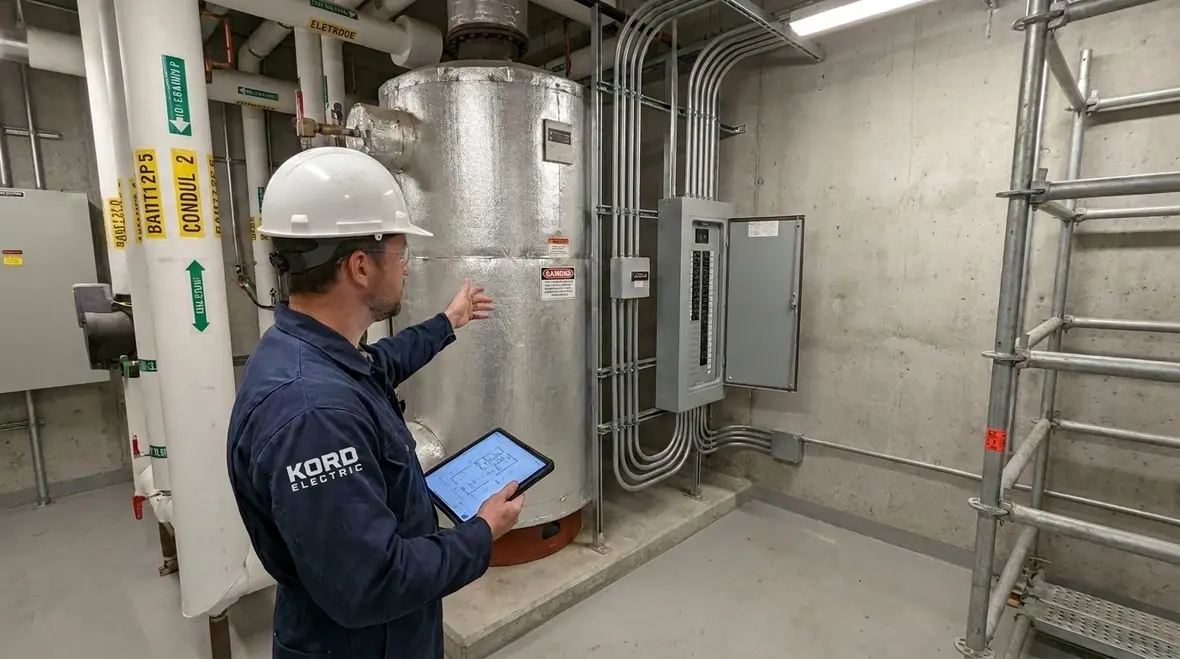
In the NEC Section 682.11 electrode heating distribution location, the code aims to place and arrange electrode heating equipment so heat does not drift where it should not. At Kord Electric, we treat that as more than a line in a book. We rely on our expert service staff to translate the text into real installation decisions for commercial, industrial, and major property buildings. In other words, we help facilities avoid the kind of “it seemed fine yesterday” surprises that make electricians and managers both lose sleep.
Also, let’s be honest, electrical code language can sound like it was written by someone who never had to maintain a system at 2 a.m. However, the intent is clear. We use that intent to guide design, inspection readiness, and safe operation. Then we document it, so others can follow it during upgrades and troubleshooting.
What the NEC expects for electrode heating distribution in 682.11
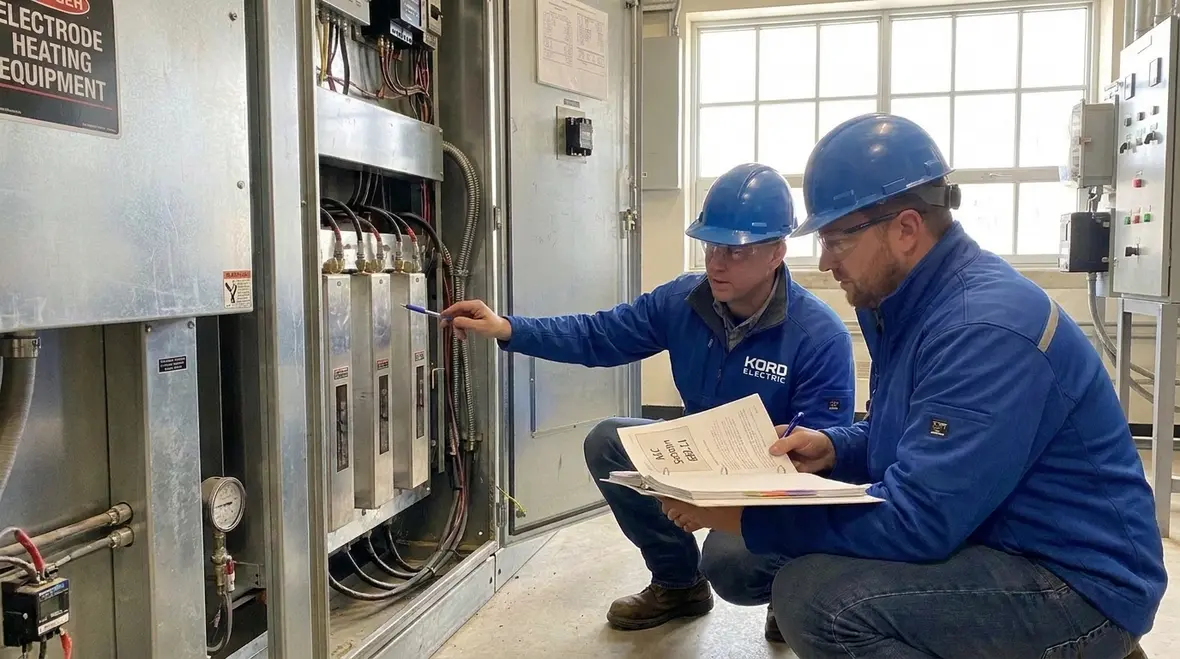
When people hear “electrode heating distribution location,” they often think only about where devices sit on a plan. Yet the NEC focus runs deeper. It requires practical placement that supports safe performance, proper spacing, and reliable service access. Therefore, facilities need to treat the location choice as part of the system design, not as an afterthought.
Our technicians work through how electrode heating systems interact with surrounding building elements. That includes heat exposure, cable routing, and the proximity of materials that can be damaged by elevated temperatures. Next, we align the installation approach with the NEC intent in NEC Section 682.11 electrode heating distribution location, because a compliant placement makes later maintenance far easier. If access is blocked, even the best plan turns into an expensive guessing game.
And yes, sometimes a rushed installation leads to a service visit that feels like finding a missing sock. You know the piece exists, but it always hides until you need it most.
How we plan safe placement for commercial and industrial water heat loads
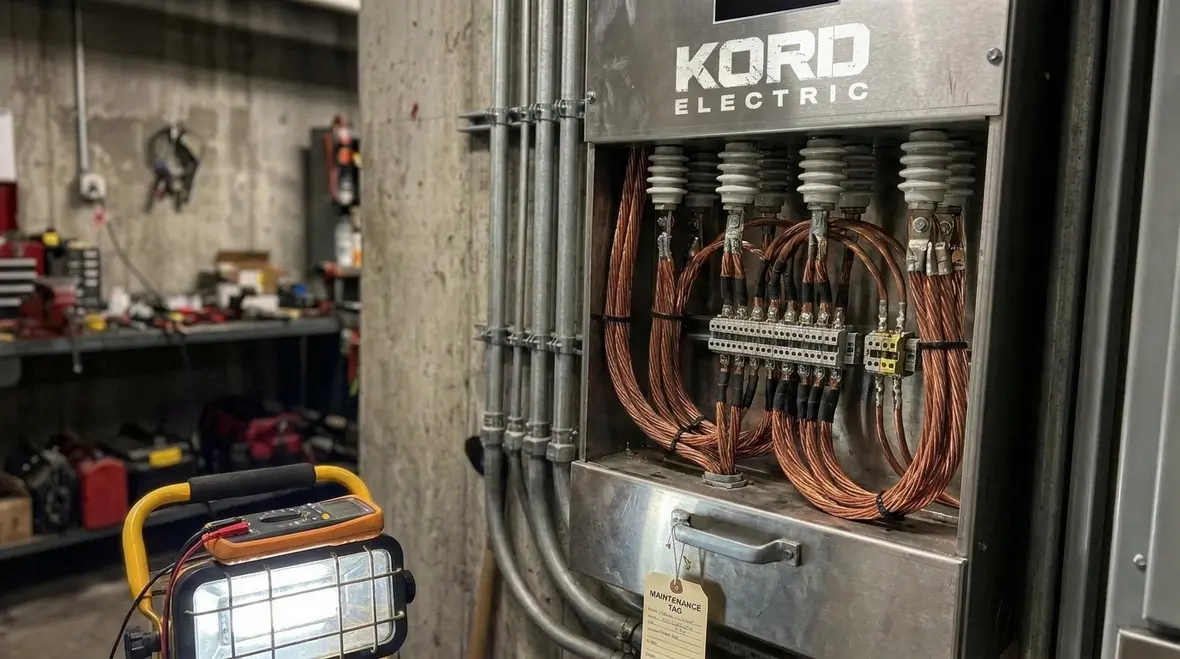
For major properties, the heating load rarely stays steady. Seasons shift, occupancy changes, and equipment cycles. So we plan electrode heating distribution with real operating conditions in mind. Our team reviews the intended duty, the water side setup, and the electrical supply path. Then we map where heat can travel and how it can affect nearby components.
To keep things grounded, we follow a simple method. First, we confirm the equipment requirements and the rated operating conditions. Second, we evaluate the physical environment, like where pipes run, how ceilings and walls are built, and whether there are areas that collect dust or moisture. After that, our technicians choose routing and placement that reduce exposure and support safe heat dissipation and maintenance.
Meanwhile, we coordinate with facility teams that manage operations and schedules. That matters because commercial buildings often cannot shut down just because we want to run a tidy cable route. We work around real timelines and still maintain code aligned spacing and placement logic.
Using NEC guidance and related code resources
Because electrode heating systems live inside broader electrical infrastructure, we tie placement decisions back to the National Electrical Code as a whole. For facility teams that want a deeper code overview, we often point them to resources like our own NFPA 70 National Electrical Code guide for 2026, which connects the rulebook to everyday design and maintenance choices.
Installation details that affect compliance and long term reliability
Code compliance is not only about the device being present. It also depends on how we install it. That includes terminations, grounding and bonding practices, conductor protection, and how we support wiring. If the arrangement causes stress points, heat buildup, or restricted access, it can undermine both safety and long term performance.
Our expert service staff explains each step in plain business language. For example, when a cable run crosses a hot zone, it may need a protection approach that keeps the insulation from aging early. Likewise, when the electrode heating equipment connects to the distribution pathway, we ensure the installation supports stable operation. Then we verify that service crews can reach components without demolition. Nobody likes turning a small fix into a full remodel.
To stay consistent with the NEC framework, we also pay attention to the broader National Electrical Code expectations covered in industry resources, including NEC focused explainers published by Kord Electric and Kord Fire. Those guides help teams understand the logic behind rules, not just the rule text.
Connecting electrode heating layouts to overall system design
Electrode heating distribution lives alongside power quality, redundancy, maintenance, and safety decisions. For example, when our team works on data center power quality for reliable uptime, we consider how localized heat, conductor routing, and equipment access will behave over the life of the system, not just on day one.
Common field mistakes we help facilities avoid
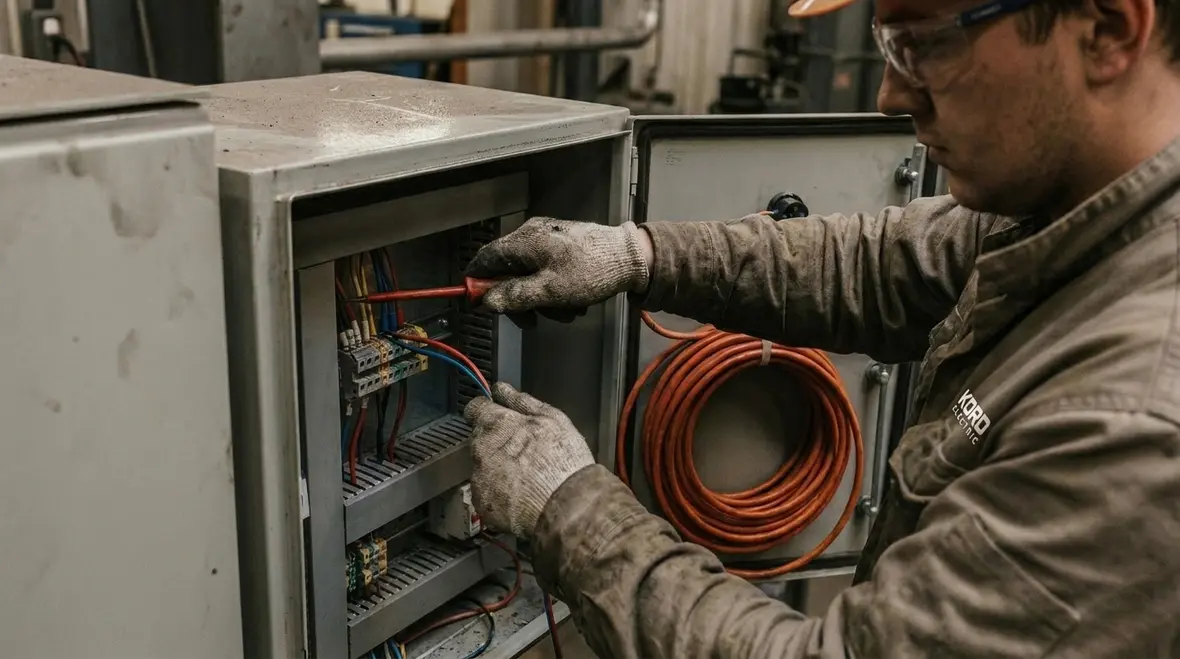
In the field, the same problems show up more often than people admit. Yet the fixes are usually straightforward once teams understand the “why.” Here are the mistakes we see most with electrode heating and distribution placement in commercial and industrial environments.
- Placing equipment where maintenance access becomes a future problem. If technicians cannot reach components quickly, the building pays with longer downtime.
- Ignoring nearby building surfaces and materials. Heat can degrade materials over time, especially where airflow is limited.
- Routing conductors without considering heat exposure. That includes careless transitions through openings or near hot surfaces.
- Assuming a “close enough” location still meets intent. The code looks for safe distribution location decisions, not vague approximations.
- Skipping clean documentation for inspectors and service teams. When records are missing, every future issue turns into more labor.
So we bring discipline to planning and documentation. We also train internal stakeholders so they know what good looks like. That way, others do not undo our work during future renovations. It is like adding a watermark to prevent the “someone changed it” mystery.
Keeping NEC Section 682.11 electrode heating distribution location aligned over time
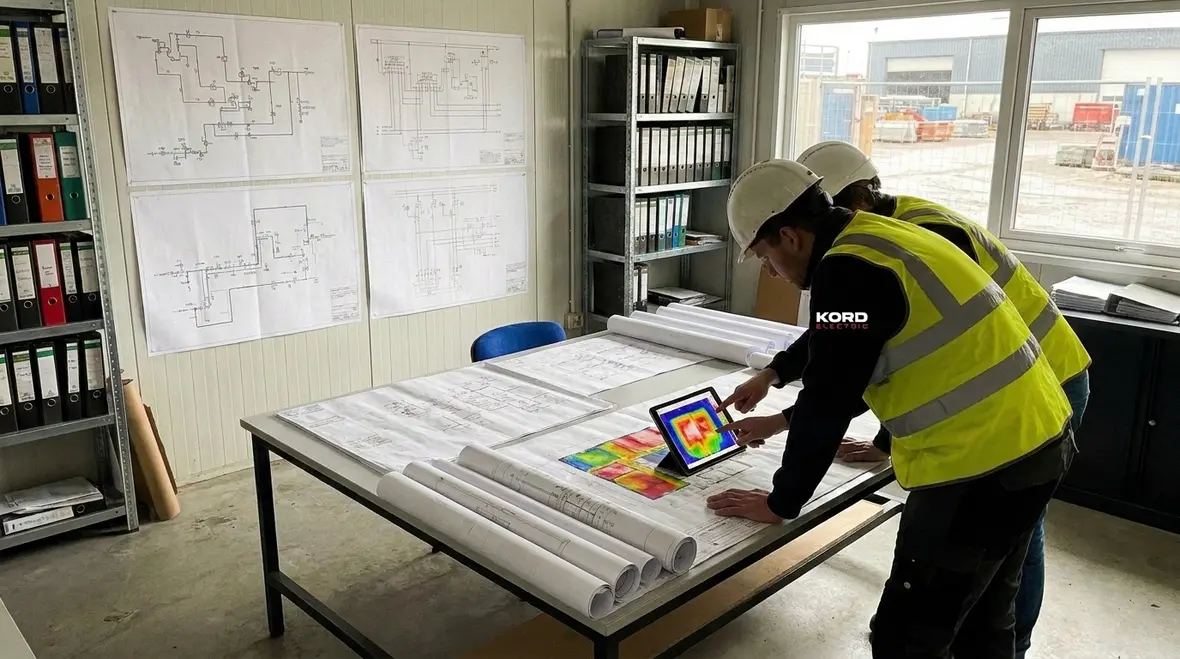
Good layouts still need care. We build preventive maintenance plans and inspection checks so electrode heating distribution does not drift away from its original intent. That might include visual inspections, thermal imaging, or documentation updates so that any change stays tied to NEC Section 682.11 electrode heating distribution location expectations instead of becoming an undocumented “field fix.”
Inspection readiness and documentation for major property buildings
Major properties need more than safe equipment. They need proof. Therefore, we build inspection ready documentation during and after installation. Our technicians capture the placement logic tied to the NEC expectations, including how the electrode heating distribution location supports safe operation in the space.
Then we organize details in a format that facility managers and inspection teams can use quickly. That includes device identifiers, routing notes, support methods, and any coordination steps we took. As a result, when inspectors show up, the team does not scramble for information. We also help property staff understand what to look for during future service calls, so the building stays in a safe condition long after commissioning.
We also coordinate our approach with guidance from code focused fire and electrical resources. For example, Kord Fire and related educational sources help teams see how code requirements connect to fire safety thinking. When electrical teams and fire safety teams share the same intent, fewer issues slip through the cracks.
Aligning documentation with broader NEC and NFPA expectations
Our inspection packets often reference high level resources such as Kord Fire’s overview of NFPA 70 and the National Electrical Code. That way, facility teams can connect local decisions at each electrode heating distribution location back to the code family that governs electrical safety and fire protection across the site.
How standards connect: NEC, fire safety thinking, and facility risk
Even though our work focuses on electrical installation, we treat fire safety as a system topic, not a separate universe. Heat management sits at the center of that. When electrode heating equipment operates, placement decisions influence how heat is handled and how the surroundings respond over time.
That is why we stay engaged with broader safety resources from Kord Fire at kordfire.com.au and through fire safety focused organizations such as firepumps.org. While not every piece of guidance is identical, the underlying theme matches our service philosophy. We reduce risk by building compliant layouts, using correct installation practices, and keeping components reachable for inspection and repair.
And yes, risk reduction feels less glamorous than “power on,” but it saves money and reputation. Think of it like wearing a seatbelt. It is not flashy, but it keeps you from becoming a cautionary tale.
Seeing electrode heating placement as part of overall risk control
When we map out electrode heating distribution, we treat each decision as a small risk control move. Correct spacing, smart routing, realistic access, and thorough documentation all combine to reduce the chance that heat, moisture, or time will turn into a safety issue. It is the same mindset we bring to topics like emergency power, data center power quality, and electrical safety checklists across our broader Kord Electric blog library.
Project support at Kord Electric for commercial and industrial needs
Kord Electric only supports commercial and industrial facilities and major property buildings. We do not dilute attention across work types that require different discipline. That focus helps us deliver consistent outcomes, especially for projects that involve NEC requirements like electrode heating distribution placement.
When teams contact us, we start by understanding the building constraints, the system goals, and the inspection timeline. Then our technicians explain what we will do and why. We also share how code driven placement choices impact maintenance, reliability, and long term operation. In short, we bring clarity to a topic that can feel like code soup.
At the end, you get a documented, practical installation path that supports safe operation. And you also get a team that does not disappear after turnover. That is the difference between “we installed it” and “we stood behind it.”
Pairing electrode heating work with broader electrical services
Electrode heating distribution often appears alongside panel work, feeders, and specialty loads. For owners and operators across Southern California, we connect these projects with our wider Los Angeles County commercial and industrial electrical services, so facility teams can align code driven upgrades, maintenance, and new installations under one experienced contractor.
FAQ
Conclusion and call to action
If your facility uses or plans electrode heating systems, do not treat placement as a last minute detail. At Kord Electric, we help commercial, industrial, and major property teams apply NEC expectations with real field logic, clear documentation, and technicians who explain the “why” in plain terms. If you want an installation plan that supports safe operation and inspection readiness, contact us for an expert review. Let’s make the code work for you, not against you.
Whether you are planning new work, updating existing systems, or coordinating with fire protection teams, we can help you connect NEC Section 682.11 electrode heating distribution location decisions to the larger safety and reliability story of your building. Our goal is simple: fewer surprises, safer operation, and documentation that helps every inspection run smoothly.


