
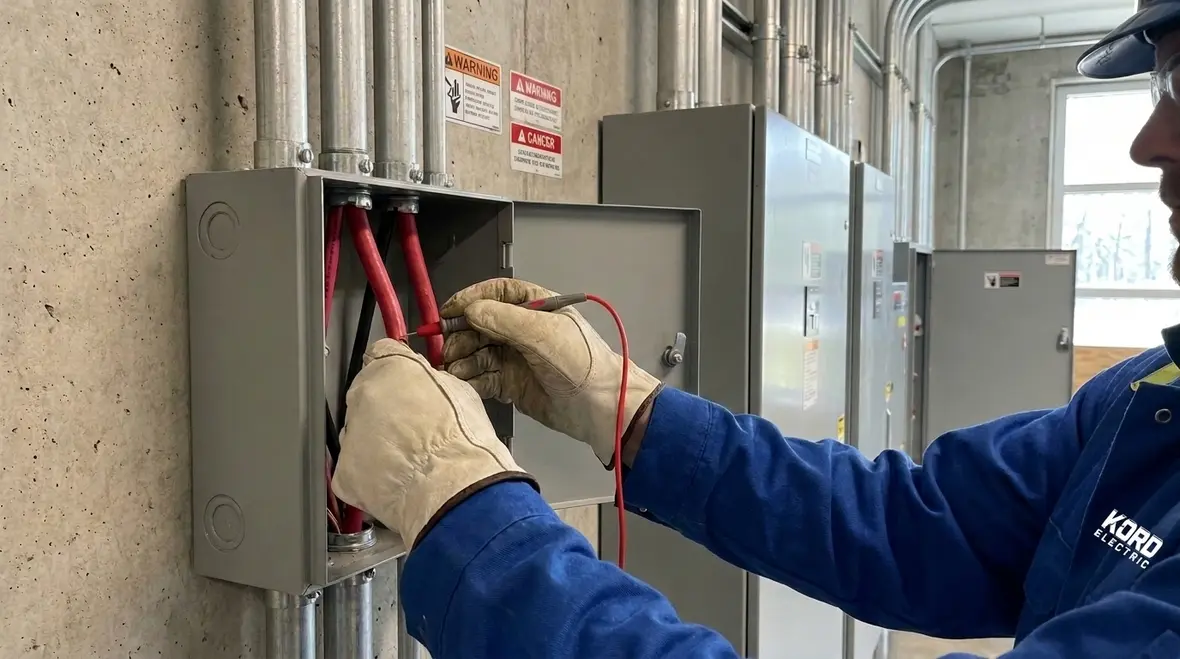
NEC Section 682.13 Electrode Heating Wiring Methods
At Kord Electric, we guide commercial and industrial teams through the details that keep power systems safe and code compliant. In the NEC Section 682.13 electrode heating wiring methods, we focus on how electrode heating circuits must be installed and handled so heat, wiring, and insulation work together instead of like a bad improv show. We also explain these rules in plain terms, because when people understand the “why,” they maintain the system correctly. Our expert service staff and technicians walk clients through the practical steps, from site planning to inspection support, so electrical work stays dependable long after the crew leaves.
What NEC Section 682.13 electrode heating wiring methods actually require
NEC Section 682.13 sets rules for wiring tied to electrode heating, and we treat it as an installation mindset, not just a checklist. First, the method must match the equipment design and the heating purpose. Then, wiring and connections must support the thermal environment and the duty the system performs. Finally, any wiring method must remain suitable for the location, including how the circuit routes through spaces that may experience heat and moisture.
In practice, we help facility teams avoid two common failure paths. One is when wiring gets treated like it is “standard building power” instead of part of a heating system. The other is when routing and protection get decided late, after plans have already set equipment locations. Because of that, we recommend early review, and our technicians explain the wiring method choices during pre job planning, not after problems show up during commissioning.
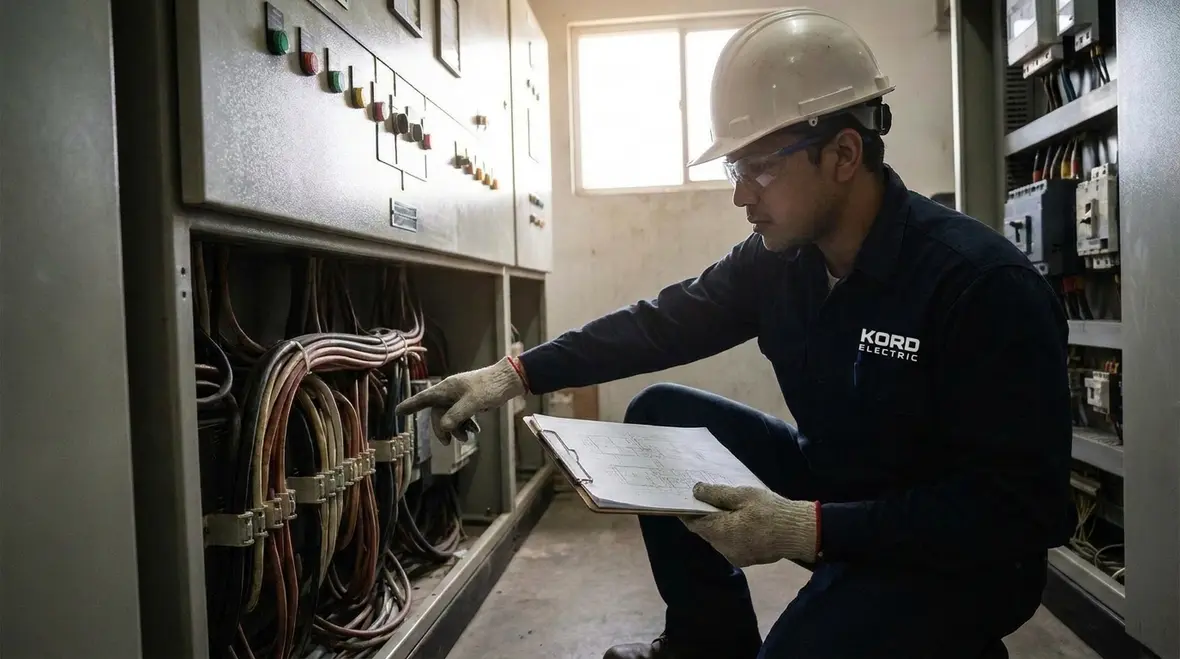
Why electrode heating circuits demand careful wiring selection
Electrode heating circuits can create conditions that normal feeders do not. Even when the heat level seems manageable, the wiring still experiences repeated temperature shifts. Additionally, connections and terminations must handle heat without loosening, degrading insulation, or compromising conductor performance. So, we treat electrode heating wiring like a system component, not like a background utility.
Our expert service staff often tells clients to think like this: if the heating equipment is the engine, the electrode heating wiring methods are the transmission. You can have a strong engine, but if the transmission is wrong, the whole system acts up. And yes, we understand people want speed. However, the “fast install” that ignores wiring suitability can turn into the “slow fix” during downtime, which no operations manager wants.
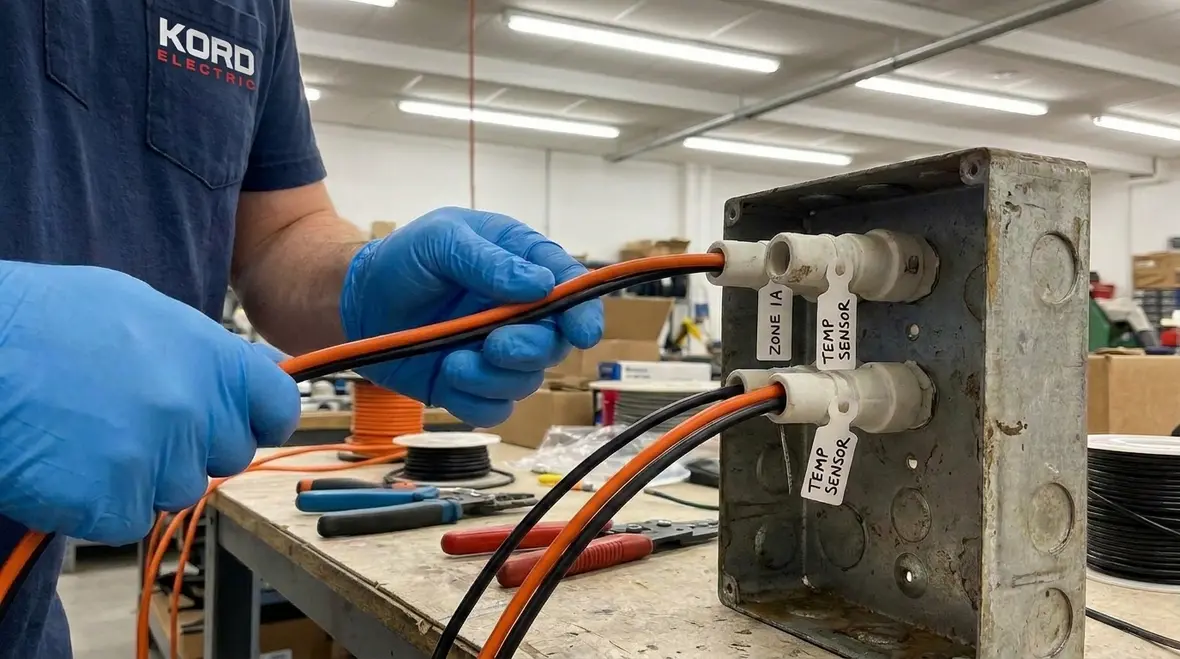
How we plan routing, protection, and termination for code safe installs
Good installs start long before wire is pulled. First, we review equipment documentation and confirm the heating circuit requirements. Next, we map routing paths based on access needs, mechanical protection, and the way the system moves heat. Then, we select wiring methods that keep conductors protected from physical damage and from heat that could push components past their limits.
We also emphasize terminations because that is where many systems lose reliability. Therefore, our technicians verify conductor preparation, torque practices where applicable, and proper lugs or connector ratings for the environment. As a result, the electrical path stays consistent and stable.
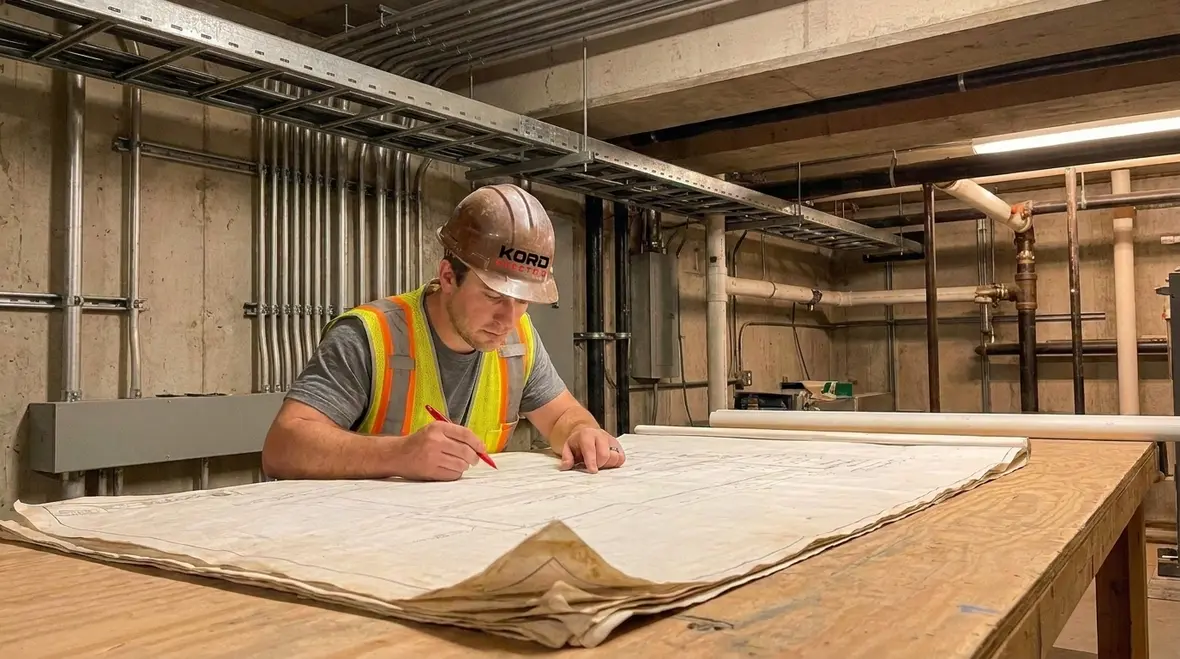
To make this easier, we coordinate with site stakeholders so conduit runs, cable entry points, and support spacing align with construction reality. Then, we document the wiring approach for future maintenance. In commercial and industrial settings, this documentation matters because multiple crews may work on the same area across years.
Practical ways facilities verify compliance during commissioning
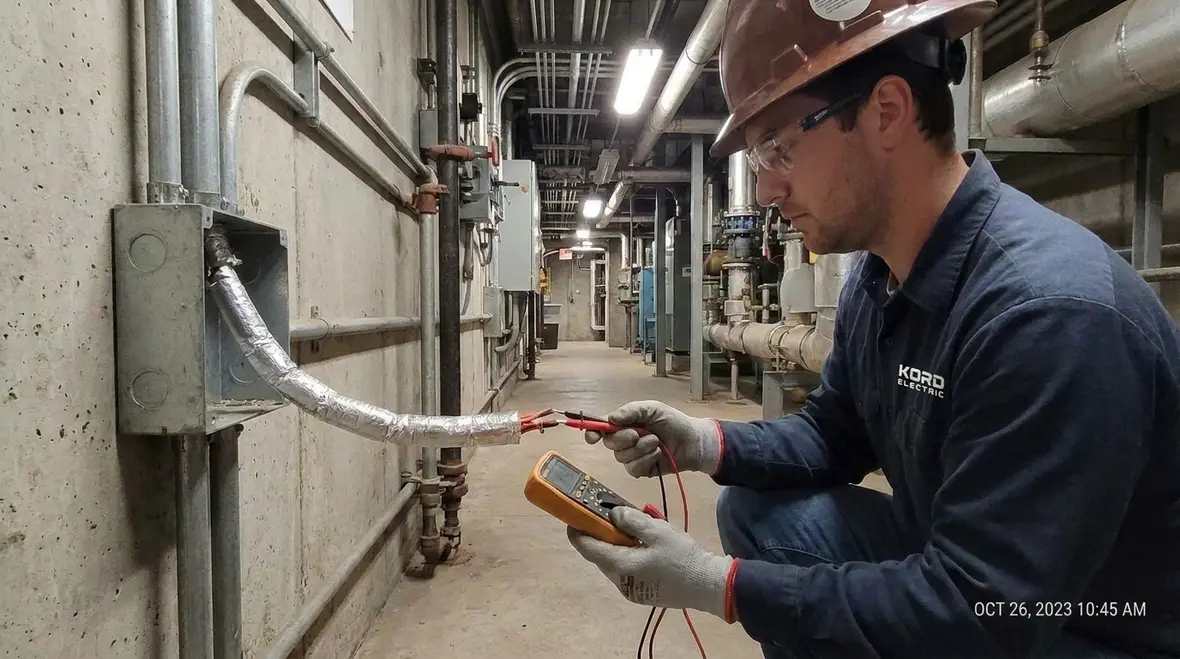
Even when the install looks clean, teams must still verify performance. We support commissioning with inspections and method checks that confirm wiring aligns with the intended electrode heating setup. Typically, we review the routing, protection, and connection quality, and we confirm the system stays in the acceptable installation environment. Also, we check for workmanship details that can cause early failure, like incorrect support spacing or improper cable bend behavior.
When our technicians explain this process, we keep it grounded. We do not “talk code” to sound smart. We translate requirements into observable field items. Then, we help our clients build a repeatable acceptance routine so each project ends with confidence, not guesswork.
Because commissioning schedules can tighten quickly, we encourage early alignment on who performs what checks. That way, when your team needs evidence for internal reviews or external compliance, the right information is already gathered.
Where NEC concepts connect with fire and safety planning
Electrical safety does not live in a vacuum. We coordinate with the broader safety picture, including fire risk control and system integrity. Our approach aligns with the same mindset you see in resources like Kord Fire, where NFPA 70 and the broader NEC discussions emphasize safe design and installation across commercial and industrial environments. When electrical systems tie into heating functions, those circuits can affect the way the facility manages thermal stress and protective performance.
So, we work with the full facility context. If your site uses fire pump systems or relies on life safety equipment, we pay attention to how electrical distribution supports reliable operation. For example, organizations that reference dedicated guidance from fire pump groups understand that failure modes become a business issue, not just a technical issue. In the same spirit, electrode heating wiring must remain stable so the system can perform without surprises.
And look, we have all seen the movie scene where someone says, “It should work,” and then it doesn’t. We prefer the boring real life version where it works because wiring methods match the design from the start.
Common installation errors we help commercial teams avoid
Based on job site patterns across major property builds, we see a few repeat mistakes. First, teams sometimes reuse wiring methods that fit the rest of the building, even when the heating circuit requires something else. Second, crews may underestimate how heat affects insulation and connection stability over time. Third, routing gets chosen for convenience rather than protection and suitability, especially when schedules push the decision.
We also notice a paperwork gap. When project documentation does not reflect the final wiring approach, maintenance staff later struggle to find what was installed. Therefore, we help teams capture the actual method used and how it connects to the equipment.
Our expert service staff then provides a simple explanation of what matters most for long term performance. That includes how to inspect connections, how to spot early warning signs, and when to schedule service checks. For commercial and industrial facilities, proactive maintenance protects both uptime and safety.
NEC compliance support for major buildings and ongoing operations
Large properties need more than a one time install. They need a system that stays reliable through lifecycle maintenance, upgrades, and tenant or equipment changes. That is why we focus on commercial and industrial facilities and major property buildings. We help owners and contractors plan wiring methods that can withstand the real world, including thermal cycling, access constraints, and later service needs.
We also support teams that want to align their work with broader NEC understanding from reputable sources, including the NEC educational content you will find at Kord Fire and deep dive articles like Understanding NFPA 70: The National Electrical Code Explained For 2026. While we do not replace your engineering review, we help electrical teams execute the wiring details correctly on site so NEC Section 682.13 electrode heating wiring methods stay compliant and practical.
In the end, our goal is clear. We install electrode heating wiring methods with care, verify field conditions, and provide guidance so facility teams can operate with confidence. And if someone tries to cut corners, our technicians politely remind them that corners are only good for basketball shots, not for heating circuits.
FAQ
What should a facility request from their electrical contractor
Facilities can reduce risk by asking for clear answers before work begins. We recommend clients request documentation of the intended wiring approach for electrode heating equipment, verification of protection and routing decisions, and a plan for commissioning checks. In addition, ask who owns the final documentation and how maintenance staff will receive it. We also suggest that clients confirm the contractor uses trained technicians and provides explanations in business friendly language, not a glossary disguised as a site meeting.
Call Kord Electric for code focused electrode heating support
If you manage a commercial or industrial facility, you do not need guesses and you do not need last minute fixes. Kord Electric helps you install and verify electrode heating wiring methods with care, clear documentation, and expert technician support. We coordinate the field details so your teams can commission with confidence and maintain with less disruption. When your work in Los Angeles County or the wider Southern California region calls for experienced NEC-focused electricians, our Los Angeles County electrical services team is ready to support complex heating, distribution, and safety driven projects.
Reach out to us for an assessment and project planning support that matches NEC expectations and real site conditions. Let us handle the wiring side, so your operations stay steady and your NEC Section 682.13 electrode heating wiring methods perform the way they were designed to.


