NFPA 70 Section 682.14 Electrode Heating Disconnect
NFPA 70 Section 682.14 electrode heating disconnect and why Kord Electric treats it like a big deal
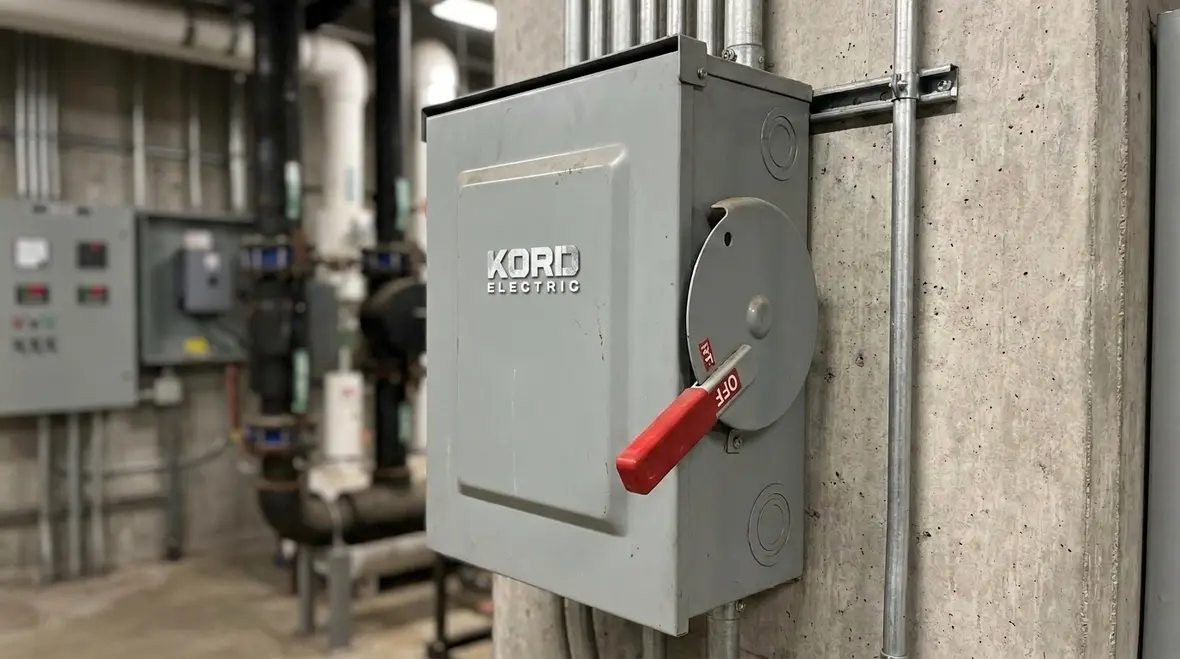
In our work with commercial and industrial facilities, we see it daily: the smallest missing requirement can create the biggest delay, the worst inspection result, or a safety risk that grows quietly while everyone is busy. Early on, we focus on NFPA 70 Section 682.14 electrode heating disconnect, because it sets expectations for how electrode heating loads must be disconnected in the electrical system. In other words, when the building needs the heating circuit shut down, the disconnect must be set up to do that job correctly.
At Kord Electric, our expert service staff and field technicians explain the rule in plain business terms, then we help our clients put it into practice. And yes, sometimes we joke that inspections can feel like pop quizzes, but we prefer to study ahead of time, not during penalty time.
What NFPA 70 is and how it shapes electrode heating safety
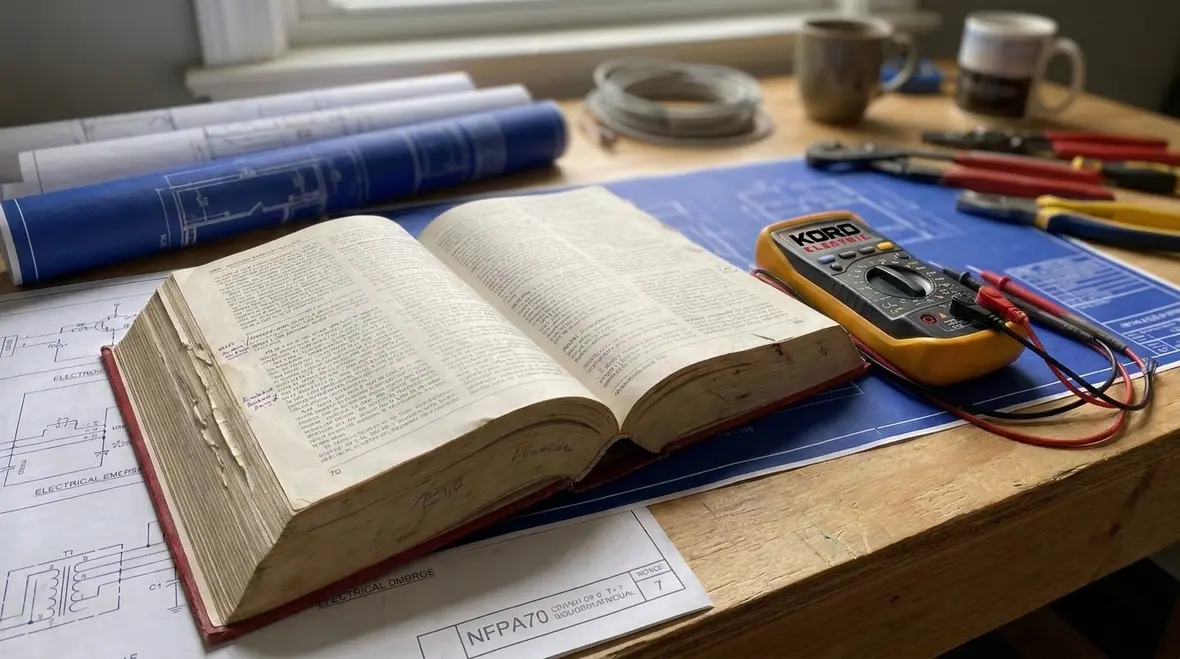
NEC is the common name, and NFPA 70 is the standard that governs it. Additionally, it brings order to how designers, installers, and owners keep electrical systems safe and reliable. For electrode heating, the electrical setup matters because heating loads can carry significant current and can be part of systems that people cannot just “leave alone” when something goes wrong.
Therefore, the code does not only ask for correct wiring. It also pushes for the right control and the right shutdown method. When a disconnect works as intended, the building staff can respond faster during service work, emergencies, or maintenance. As a result, downtime goes down and risk goes down.
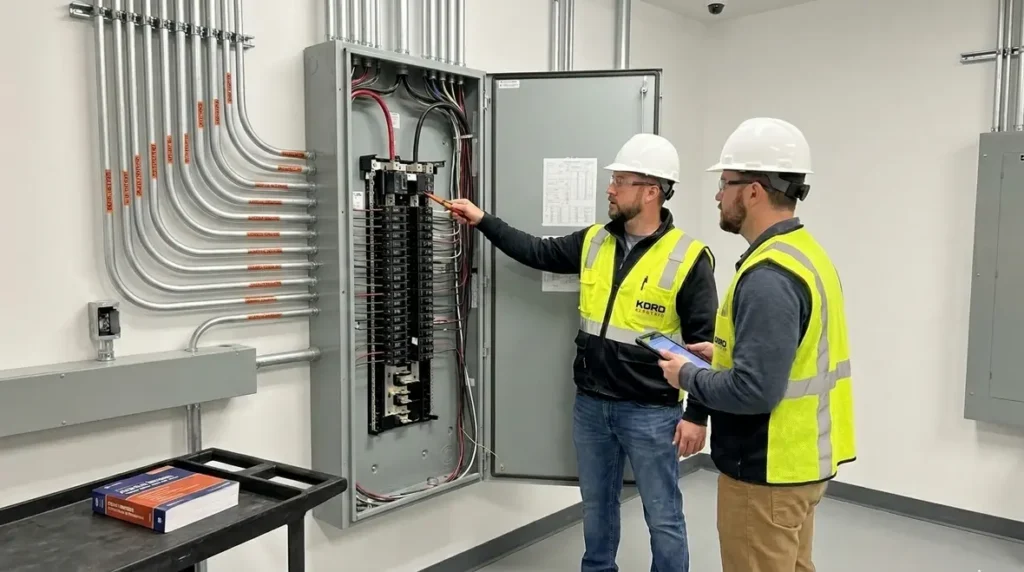
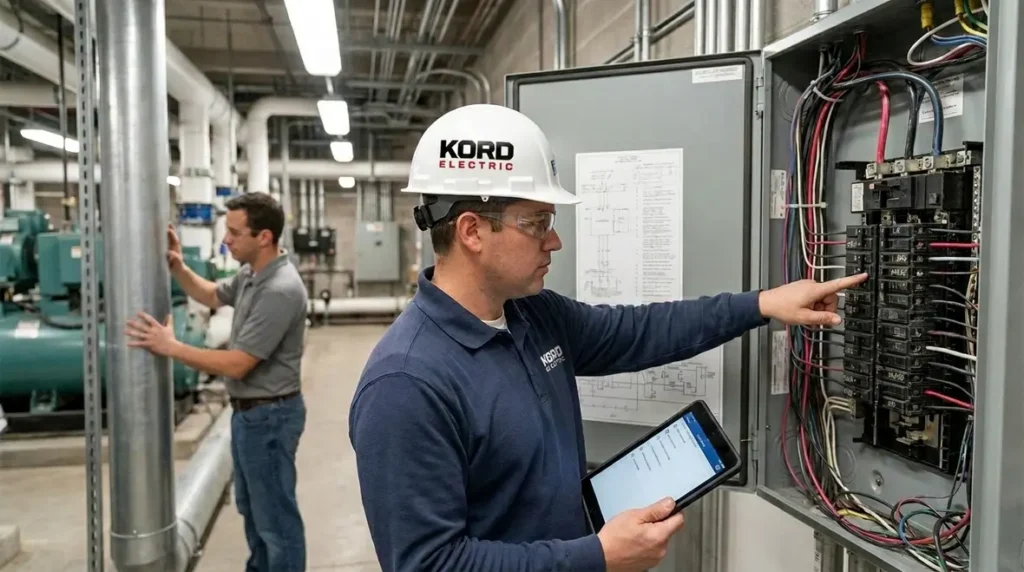
Our technicians handle this with a methodical approach. First, we review the system design intent. Next, we confirm the disconnect location, function, and operation. Finally, we verify the installation matches the requirement and remains accessible for responsible personnel.
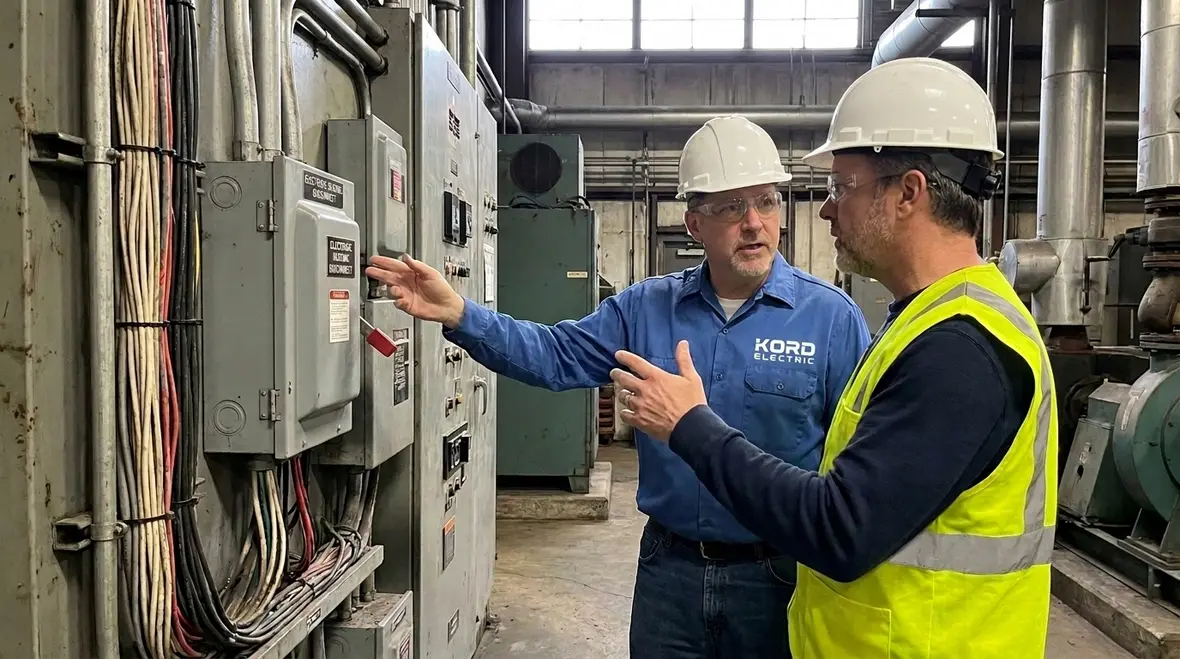
Where the electrode heating disconnect fits in the system workflow
When people ask about the disconnect, we usually see two scenarios in commercial and industrial facilities. One scenario involves new construction where the team must coordinate equipment, electrical rooms, and access paths. The other involves retrofits where older systems exist and the disconnect method may not match updated expectations.
In both cases, the electrode heating disconnect becomes part of the building’s work plan. For example, our expert service staff often aligns the electrical shutdown with the operations team’s procedure. That way, when a service technician needs to work safely, they can isolate the electrode heating circuit without improvising.
Also, the disconnect supports better maintenance. Instead of turning off power “somewhere nearby,” the staff can isolate the actual electrode heating load. Consequently, the job gets cleaner, and troubleshooting gets faster. You know how it is when you try to debug a system while the circuit is still “sort of alive.” We prefer the circuit to be fully controlled, not spiritually controlled.
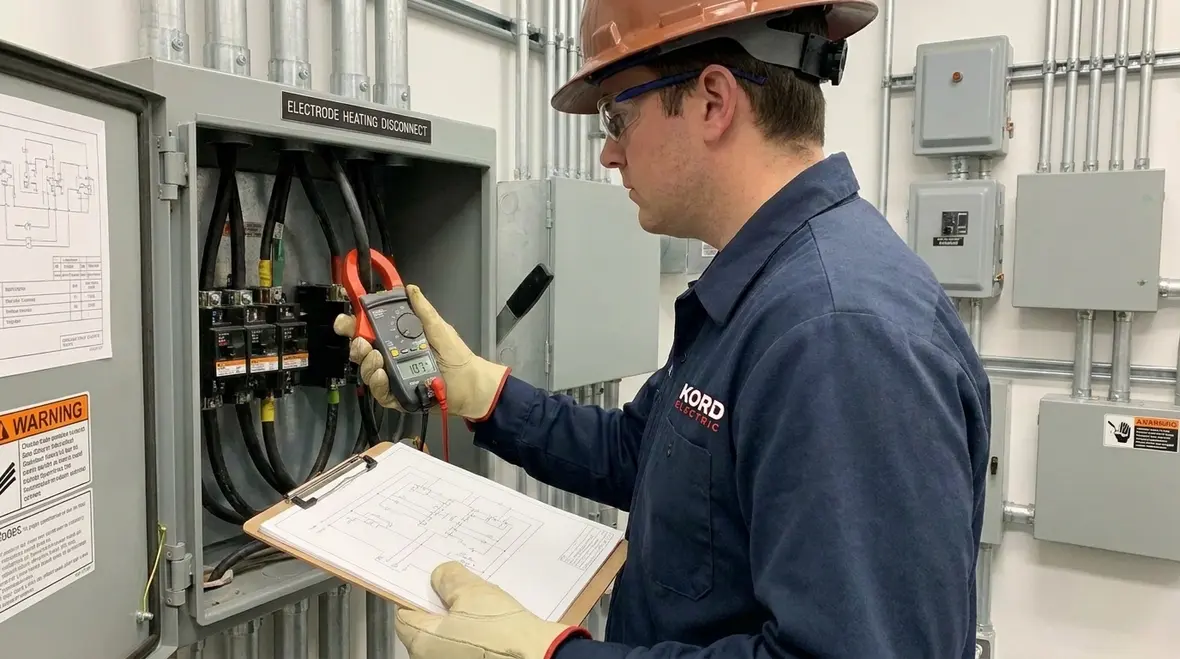
How we verify the installation meets the NEC requirement
Verification starts on paper, but it does not stop there. At Kord Electric, we treat compliance like a process, not a checkbox. First, we confirm the system includes the right disconnect for electrode heating, consistent with NFPA 70 Section 682.14 electrode heating disconnect and the related NEC language. Then, we move into the field to check real-world installation details.
Our technicians look for access and operational clarity. Moreover, they verify that the disconnect works as a true disconnect, not a control that behaves like a suggestion. In addition, they check labeling practices so the right personnel can act quickly.
Finally, we confirm coordination with the facility’s broader electrical scheme. That includes upstream devices, control wiring, and how the shutdown interacts with protective devices. In doing this, we help prevent a setup where the disconnect exists, but the system still behaves unpredictably under service conditions.
Common compliance gaps we see during commercial inspections
In commercial and industrial buildings, we repeatedly see a few predictable issues. Some show up because equipment was installed by teams that did not coordinate with the full electrical plan. Others appear during renovations, when old and new components meet and the rules get blurred.
- Disconnect access problems: The disconnect exists but sits behind storage, tight clearances, or unclear access routes.
- Unclear identification: Labels do not match the equipment description used by operations and maintenance staff.
- Mismatch between shutdown intent and actual operation: People expect a safe electrode heating isolation, yet the installed method does not deliver that behavior.
- Coordination gaps: Upstream and downstream devices do not align cleanly, so the isolation triggers unexpected conditions.
To keep it simple, we explain the mismatch in plain terms. When the disconnect is wrong, the building staff may still believe the system is safe when it is not. That is why we push for a disconnect that is correct in both code intent and real operation. And if anyone tells you “it passed last time,” we politely remind them that the inspection results do not stop physics.
Related electrical safety standards and coordination with fire systems
Electrical safety and fire safety go hand in hand in major property buildings. Therefore, teams often coordinate NEC requirements with fire protection plans and monitoring strategies. Our sister focus areas across Kord Electric and Kord Fire help us think beyond wiring diagrams and into incident response.
We also keep the bigger compliance ecosystem in mind. For example, some facilities need careful integration with fire pumps and life safety equipment. Organizations such as Firepumps.org highlight how fire pump systems depend on reliable electrical behavior, and that reliability depends on correct disconnecting, protective coordination, and maintenance access. Even though electrode heating loads and fire pump loads are not the same system, the operational discipline and isolation clarity are still the same mindset.
In addition, we support clients who want a consistent approach across electrical and fire-related equipment. When the facility builds a single maintenance logic, technicians do not waste time guessing which switch controls what. That reduces human error, which is the real villain in most “mystery shutdowns.”
If you want a broader orientation on how the NEC frames these safety expectations, our team walks many clients through resources like Understanding NFPA 70: The National Electrical Code Explained For 2026, then ties those principles directly back to their electrode heating systems and disconnect strategies.
Best practice checklist for facility teams managing electrode heating
We recommend the following practical steps for commercial and industrial facilities. These points help operations leaders and maintenance managers keep compliance stable over time.
- Document the electrode heating disconnect scope: We help confirm that drawings and field labels match, so staff use the correct disconnect every time.
- Confirm access before you need it: During shutdown planning, we check that access stays clear and signage stays readable.
- Train maintenance on the isolation step: Our expert service staff explains the procedure in a way that fits how your team actually works.
- Verify after modifications: If equipment changes, we confirm the electrode heating isolation still matches the required method, not just the old wiring habits.
- Schedule inspection and maintenance together: When people coordinate electrical and service timing, systems stay stable and downtime stays predictable.
As a result, your facility avoids the uncomfortable moment when a technician asks, “Which disconnect do I use?” and someone answers, “Uh… try this one.” We do not build operations on guesswork, and neither should you.
How this ties into broader Los Angeles County electrical services
NFPA 70 Section 682.14 electrode heating disconnect compliance rarely lives in a vacuum. In real buildings, it connects to wider priorities like uptime, preventive maintenance, and upgrade planning across Los Angeles County and beyond. That is why our technicians often fold electrode heating reviews into larger efforts inspired by resources such as our building power planning and maintenance guidance for regional facilities.
When a facility team in Los Angeles County calls us in, we look at electrode heating disconnects alongside panel conditions, distribution paths, and how shutdowns will play with the rest of the system during inspections or emergency work. That same mindset supports everything from electrical asset management to venue and production power planning across the region.
If you are coordinating multiple projects, upgrades, or renovations, it often makes sense to align this work with the broader capabilities described on our Los Angeles County electrical services page so electrode heating compliance becomes one more strength in your overall electrical strategy, not a last-minute scramble.
FAQ
Ready for a calm, code confident electrical setup
If your commercial or industrial facility uses electrode heating equipment, do not wait for an inspection to tell you what is missing. Kord Electric can review your setup, help confirm the NFPA 70 Section 682.14 electrode heating disconnect requirements are met, and support upgrades with clear documentation and trained technician guidance. We work with facility teams that need reliability, not surprises. Contact us today and let our expert service staff walk your electrical system through a safer, cleaner path forward.
For facilities across Los Angeles County and surrounding regions, that often means pairing disconnect reviews with broader design, maintenance, and troubleshooting support. Whether you are planning a new project, coordinating renovations, or simply trying to get ahead of the next inspection, Kord Electric is ready to help you build a more predictable, code-conscious electrical plan.
When you are ready to move from “we think it is compliant” to “we know it is compliant and documented,” our team can align site visits, testing, and recommendations with your operating schedule so safety improvements support uptime instead of fighting it.