
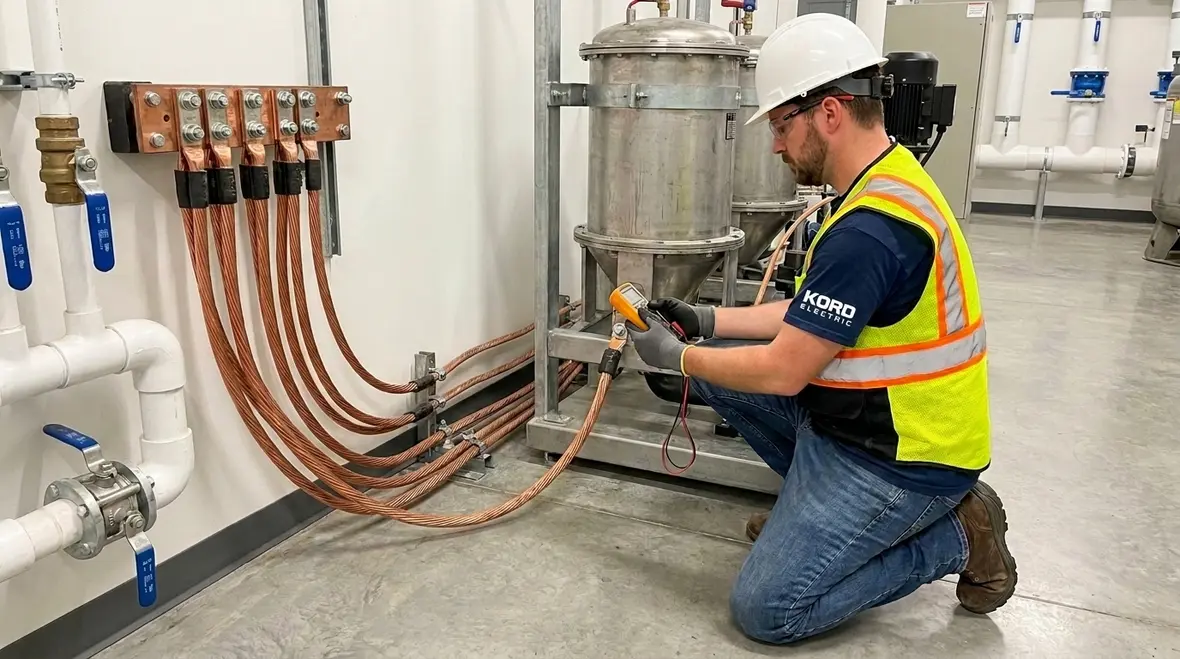
NFPA 70 Section 682.30 Electrode Heating Grounding
In commercial and industrial facilities, we do not treat grounding like a box to check. We treat it like a life safety system that protects people, equipment, and the uptime your business counts on. That is why, when we talk about NFPA 70 Section 682.30 electrode heating grounding, we start with one clear idea: electrode heating can happen, and the code expects systems to handle that reality. We also explain this with calm, clear guidance from our expert technicians and service staff, because a misunderstanding of the National Electrical Code can turn “steady power” into “unexpected downtime.” And yes, we have seen that movie before. It is rarely the fun sequel.
For facility teams that want a broader orientation before diving into a specific section like 682.30, our Kord Electric blog resource Understanding NFPA 70: The National Electrical Code Explained for 2026 helps frame how the code works as a whole and why it sits at the center of safe electrical planning.
How NFPA 70 treats grounding for pools and related systems
When a facility has a pool, spa, or water treatment system, the electrical design choices must match the exposure risk. First, NFPA 70 builds in rules so water and conductive surfaces do not become a shortcut for fault current. Next, it requires bonding and proper electrode behavior so the system stays stable during normal operation and during abnormal events.
In our field work, we often explain it like this. Think of grounding as the safety path that gives electricity a clear route. When that route heats up, shifts, or behaves unpredictably, it can stress components and create hazards. That is where NFPA 70 Section 682.30 electrode heating grounding becomes practical, not theoretical. We help our clients understand that “grounding” is not one thing. It is electrodes, connections, placement, material, and thermal conditions working together.
Additionally, we review how bonding methods interact with other parts of the electrical system. For large buildings and major properties, the electrical design must coordinate with the rest of the facility grounding and bonding network. Otherwise, one subsystem may follow the rule while another quietly breaks it. Our technicians catch those gaps early, before commissioning turns into a fire drill.
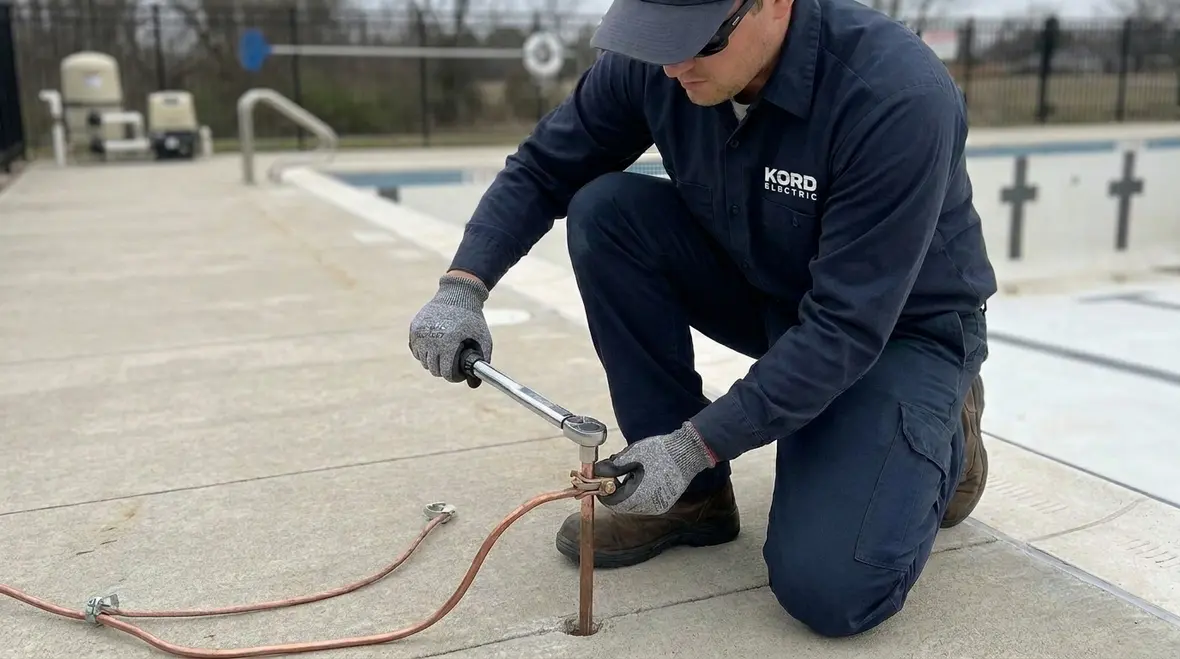
What electrode heating means and why it matters
Electrode heating grounding refers to the possibility that an electrode system can experience elevated temperatures under certain conditions. To be clear, this does not mean electrodes always overheat. However, the code recognizes that electrode performance can change during fault events and other current flows. As a result, the design must include methods and materials that can handle the reality of heating without losing safety.
In plain terms, when current moves through or near grounding elements, energy turns into heat. Then, that heat can affect connection integrity, insulation margins, and contact resistance. If you have ever watched a cable connection loosen over time, you know resistance usually grows in the background until it becomes obvious. Then, the costs show up.
Therefore, we stress two themes to our commercial and industrial clients. First, correct installation reduces the chance of harmful heating. Second, proper selection and supervision help the system tolerate the heating that can occur. Our expert service staff walks teams through these points, using site examples rather than vague theory.
And yes, we sometimes compare grounding to a well made seatbelt. If it works only “most of the time,” the day it fails is not a good day for anyone. Electricity does not care about our optimism.
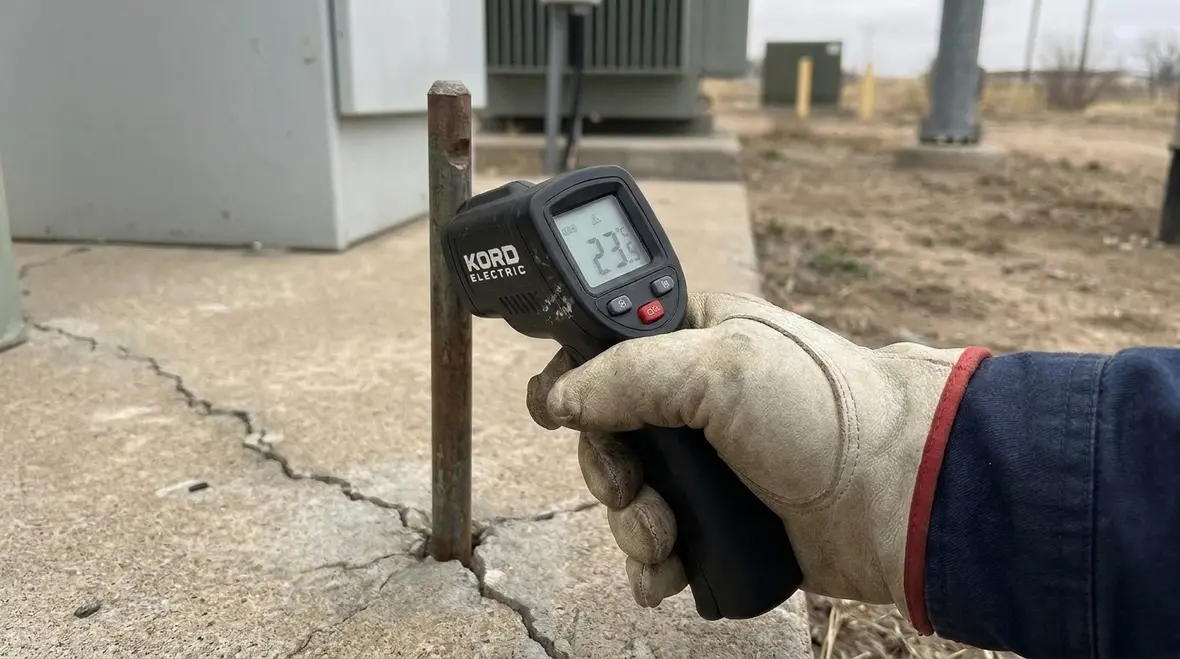
How we apply National Electrical Code rules on real project sites
When Kord Electric supports a commercial or industrial facility, we treat NFPA 70 requirements as a build plan, not a document to file. We start with the electrical scope, then we map it to grounding and bonding needs for the water related equipment. After that, we verify how the electrode system connects and how it will perform under expected operating and fault scenarios.
Next, we check physical layout. Electrode placement, spacing, and connection paths matter. If the installation forces tight bends, stressed conductors, or long unsupported runs, that increases risk over time. Then, we coordinate with the site team on access and protection. A grounding system that looks fine in a drawing can suffer in the real world if it sits where equipment crews bump it daily.
We also focus on materials and connection methods. We ensure the design uses parts that fit the environment and supports secure long term contact. If corrosion risk exists, we help clients select approaches that resist it. Over time, a stable connection holds resistance low, which supports safe performance during fault conditions.
Finally, we document our checks for commissioning and maintenance planning. Our technicians do not just “install and leave.” We explain what we did, why we did it, and how facility staff can inspect it without guessing. That way, others do not inherit a mystery box.
Because NFPA 70 does not live in isolation, we often connect these field practices with our broader code education content. For example, teams who want more background on how NEC structure influences project sequencing will often review our articles on topics like data-driven electrical design for commercial and industrial facilities, then apply those lessons as we walk the site.
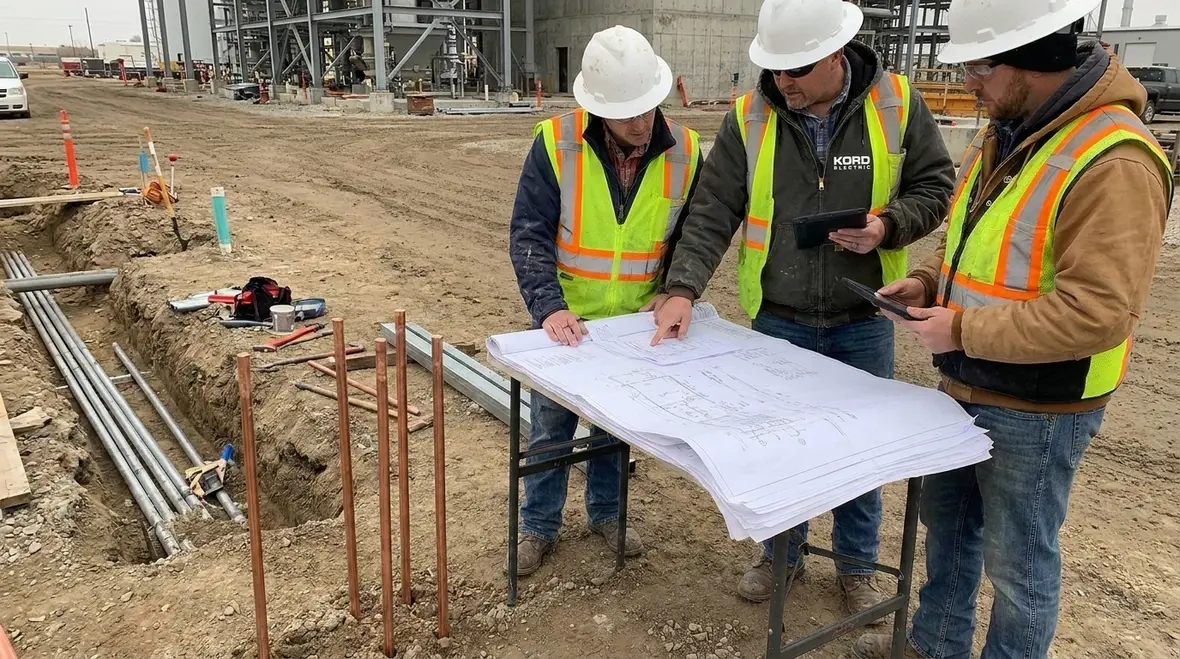
Coordination with water systems, fire support, and broader facility safety
Grounding for pool and water systems rarely exists alone in a major property. Therefore, we coordinate electrical design with fire related systems and site safety planning. While our core work at Kord Electric centers on electrical systems, we recognize how electrical performance affects fire pumps, alarms, and emergency operation.
For example, fire pump systems depend on reliable power delivery. When the facility grounding scheme supports proper fault handling, it helps keep emergency equipment ready. We collaborate with the broader safety goals, and we align our testing and inspection practices so the electrical system behaves as expected when it matters most.
Where relevant, we also connect our understanding to the ecosystem of fire and water related expertise. Some of our clients reference resources such as Kord Fire’s NEC focused guidance and Kord Fire’s broader coverage at kordfire.com.au to better understand how code intent shows up across fire and electrical work. Others look at fire industry resources like firepumps.org for operational context. We respect those inputs, and then we translate them into a consistent installation plan for the project.
In short, we keep electrical grounding aligned with the rest of the facility. That alignment reduces surprises, protects operations, and keeps your teams focused on running the business, not chasing problems.
Common installation mistakes we prevent for commercial and industrial buildings
Most grounding failures we see do not start as dramatic disasters. Instead, they begin as small errors that build risk. That is why we train our technicians to look for the usual culprits during rough in and final checks.
First, we see incorrect bonding paths. Sometimes teams assume “nearby” means “connected,” but electricity does not use guesswork. We verify bonding connections that match code intent and engineering needs.
Second, we see poor contact quality. When connections feel rushed, they often hide loose contact, improper torque, or incorrect hardware. Then resistance rises, heat follows, and the system becomes less reliable. Our service staff slows down at the right steps and explains the reason so the crew understands the stakes.
Third, we see conductor damage during installation. Even small insulation issues can become trouble later, especially in humid or wet environments tied to pool operations. We inspect routing and protection methods so conductors survive the life of the building.
Fourth, we see gaps in coordination between design and field execution. Drawings sometimes miss site realities like access limits, equipment relocation, or conduit routing constraints. Therefore, we review field changes and verify they still meet grounding requirements.
And here is the joke we tell new team members. “If your grounding looks pretty, but it is not correct, then the building is basically wearing a costume.” It may look fine for a minute, but it does not pass safety scrutiny.
Testing, inspection, and ongoing maintenance for safer long term performance
After installation, we keep working. Grounding and bonding need verification and maintenance discipline, especially in facilities with water exposure. We support test plans that align with the project requirements and the facility’s operational needs.
During inspection, we focus on continuity of bonding paths, integrity of connections, and evidence that the grounding electrode system is installed as designed. We also check that the system supports safe fault behavior. In practice, this means we do not just test once and forget. We help clients build a simple maintenance approach that facility teams can follow.
Additionally, we explain how electrode heating grounding concepts connect to maintenance. If a connection shows signs of looseness, corrosion, or elevated resistance, heating risk rises. Therefore, regular visual checks and scheduled inspections can catch issues before they become operational hazards.
We also help property teams assign responsibility. Our technicians show who should inspect, what should be recorded, and when to call for deeper review. Then, ongoing documentation stays consistent across buildings and campuses.
This is especially important for major property buildings where multiple systems share electrical infrastructure. A disciplined maintenance program keeps the entire safety network reliable.
When these inspections uncover broader system concerns, we often pair corrective work with improvements that support uptime and resilience, drawing on lessons from guides such as our overview of emergency power for business continuity design so your grounding, backup power, and distribution plans move forward together instead of in isolation.
FAQ about NFPA 70 Section 682.30 electrode heating grounding
Final word: Get grounding clarity before commissioning turns messy
We help commercial and industrial property teams avoid grounding surprises by bringing NFPA 70 knowledge into the field. Our technicians review electrode heating grounding requirements, verify bonding paths, and support testing and documentation that makes future maintenance easier. If you are planning a pool or water related installation, or if you need to confirm compliance on an existing system, reach out to Kord Electric. We will explain the plan in plain business language and help you move forward with confidence.
If your facility is in Southern California, our Los Angeles County commercial and industrial electrical services team can integrate NFPA 70 Section 682.30 electrode heating grounding requirements into broader upgrades, retrofits, and new construction so your power, protection, and operations all move in the same direction.
When you are ready to align code intent, safety goals, and day to day operations, we are ready to help you turn “we think it is grounded” into “we know it is built right.”


