
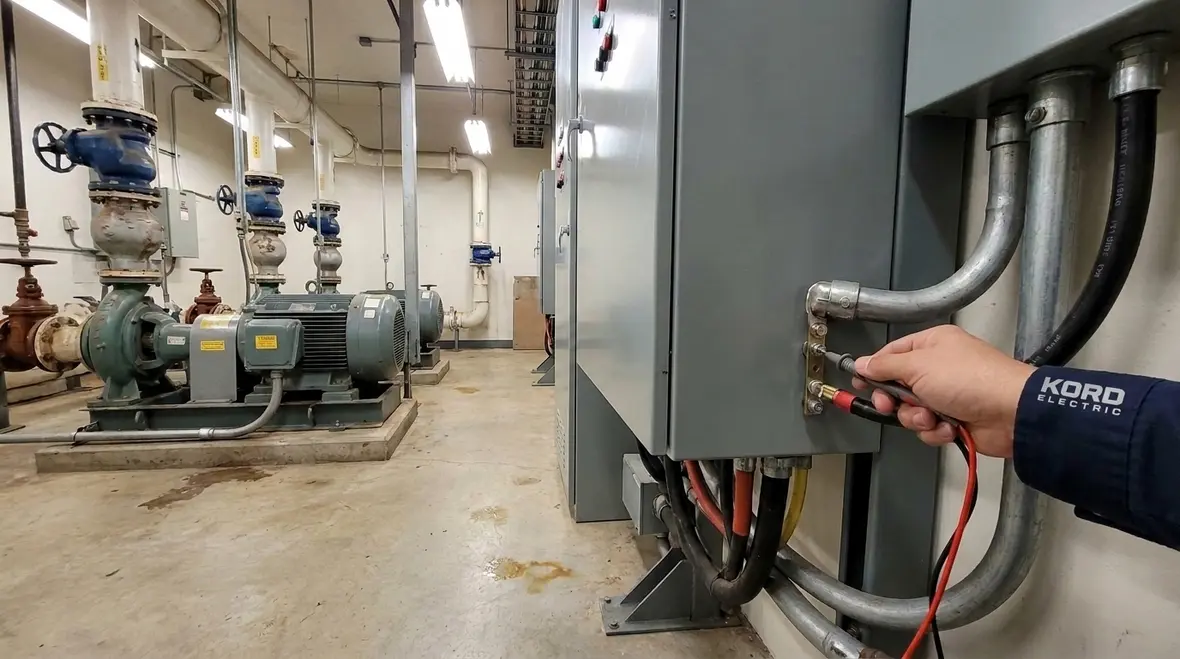
NEC Section 682.15 Electrode Heating Ground-Fault Planning
NEC Section 682.15 and the electrode heating ground-fault you must plan for
At Kord Electric, we help commercial and industrial facilities build electrical systems that hold up under real use, real weather, and real inspection pressure. In the first part of our planning work, we pay close attention to NEC Section 682.15 electrode heating ground-fault, because it impacts how equipment handles fault conditions and how we prevent unintended heating. If you run a facility where pumps, tanks, and power equipment work hard every day, you know what happens when a small electrical fault turns into a big operating problem.
Our expert service staff explains this in plain language. Then we translate that understanding into wiring, bonding, protection, and testing steps that match the code intent. Yes, code can feel like it was written by a committee that never met a maintenance tech at 2 a.m., but we make it practical. Also, we do it calmly, because nobody needs panic when they need power.
How NEC rules connect to safe operations in commercial and industrial settings
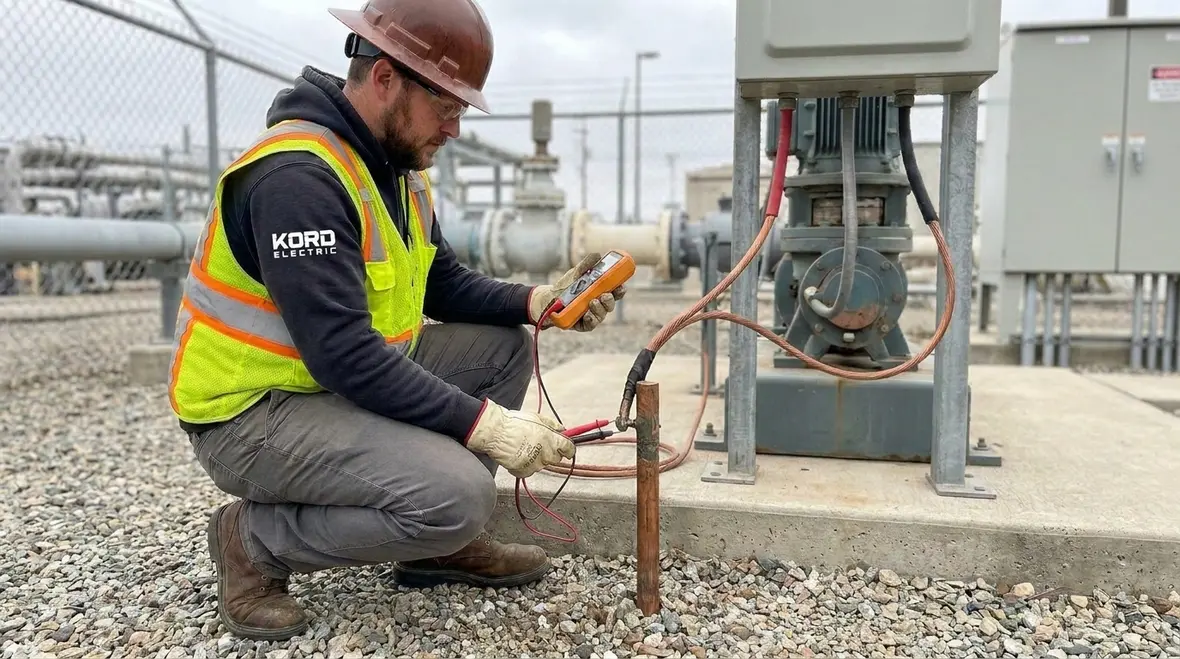
When we talk about the National Electrical Code, we do not treat it like a trivia topic. Instead, we treat it like a checklist for keeping people safe and assets protected. Thus, when the code addresses electrode heating and ground-fault behavior, it directly affects how a system responds during abnormal conditions. In other words, the NEC sets performance expectations, not just wiring preferences.
From our experience in commercial and industrial facilities, the biggest risk is not that people ignore the rules. The risk is that people follow the rules on paper while missing how the field behaves. Heat can accumulate. Moisture can shift. Corrosion can change contact quality. And when these things combine with a fault, the outcome can become unpredictable unless design and installation address the scenario the code describes.
Therefore, our approach starts early, before equipment is buried in walls or integrated into long cable runs. We review the application, then we coordinate with facility teams, so the final build matches the code logic and the operating reality.
Connecting NEC 682.15 to the broader code roadmap
For many of our clients, electrode heating sounds abstract until we connect it to the bigger NEC story. In our guide on understanding NFPA 70 for 2026, we walk through how code requirements evolve to reflect real failure modes and new technology. Section 682.15 fits right into that pattern: it translates lessons from the field into requirements about how faults must behave so people, equipment, and property stay protected.
What the electrode heating ground-fault protection is trying to prevent
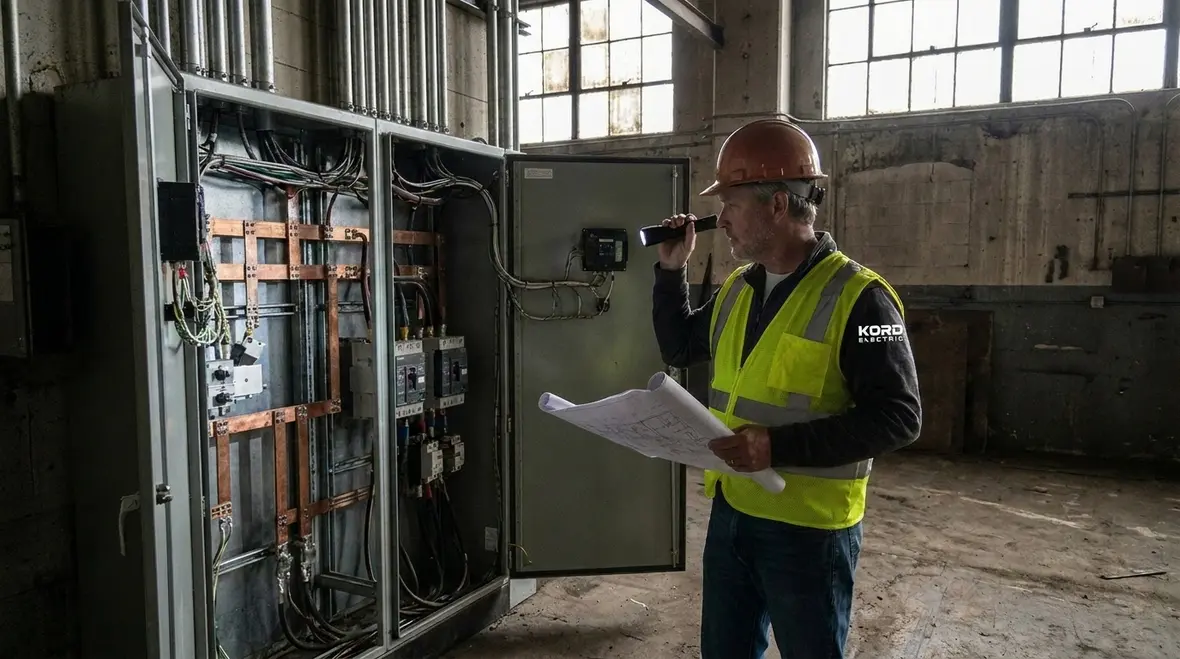
The NEC Section 682.15 electrode heating ground-fault requirement focuses on a specific hazard: a fault condition that can cause electrode heating. While that sounds narrow, the consequences can be serious. If heating occurs where it should not, materials can degrade, connections can loosen, and insulation systems can lose strength. Moreover, heating can contribute to additional electrical stress on nearby parts.
We explain it this way to our clients. The system must behave correctly during a fault, not just during normal operation. A ground-fault event challenges current paths. And if the design does not limit unsafe heating effects, the fault can turn into a slow burn that shows up later as equipment failure, nuisance alarms, or shutdowns.
So, we plan protection with the goal of controlling what energy goes where. We also verify that grounding and bonding methods support the fault response intended by the NEC. Our technicians do not guess. They inspect, measure, and document results as part of our service flow.
Where electrode heating shows up in day-to-day operations
In real facilities, the risks behind Section 682.15 tend to appear around hard-working equipment: pumps driving fluid day and night, motors in harsh environments, and electrodes used for process control or monitoring. A small amount of unintended heating during a fault can weaken terminations or seals. Months later, that same spot becomes the “mystery failure” that trips a line, ruins a batch, or takes a critical system offline at exactly the wrong time. Good planning makes that story boring. And boring, in this case, is perfect.
Bonding, grounding, and setup details that affect fault performance
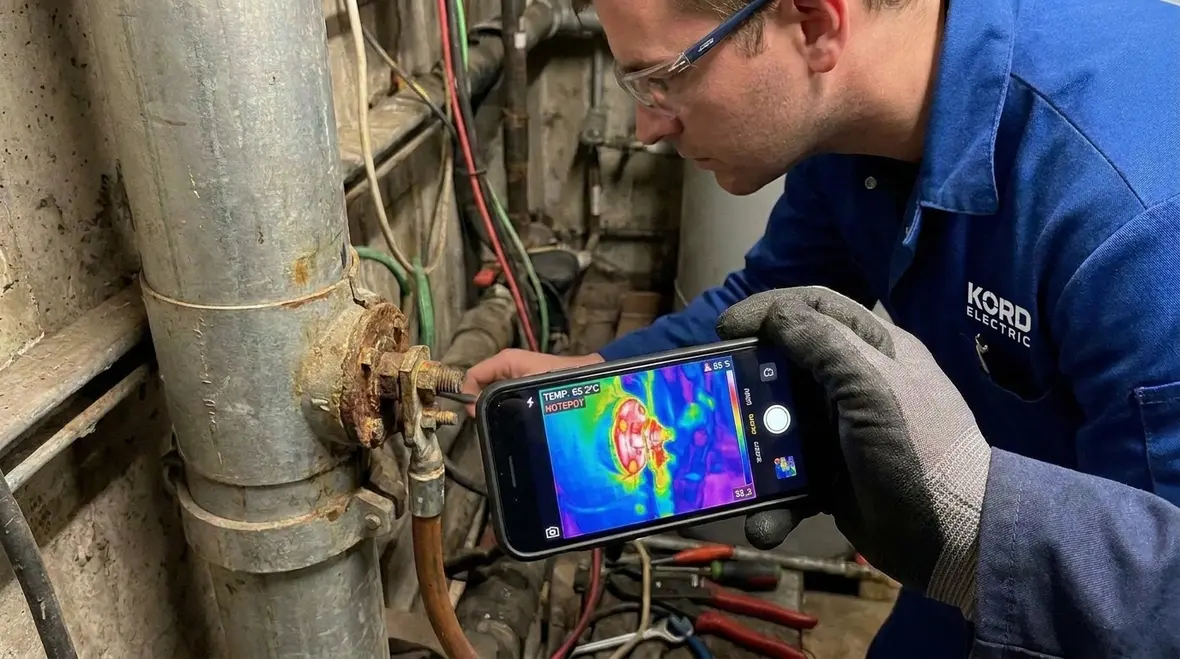
Once the hazard is clear, the next step is the field reality. Fault behavior depends on bonding and grounding quality. It also depends on installation details that many teams underestimate. For example, a grounding connection that looks fine during the first inspection can degrade if materials are mismatched or if moisture exposure was not considered.
To reduce risk, we focus on consistent installation practices. First, we confirm the correct components for the environment, including corrosion concerns where applicable. Next, we check conductor routing and termination quality so that connections stay stable over time. Then we verify that bonding points provide a low impedance path and maintain integrity under normal vibration and operational loads.
At Kord Electric, our technicians walk the job like it is a future troubleshooting call. If something would be hard to access later, we plan access now. And if a cable run will be exposed to heat or chemical conditions, we address that during design coordination. In that same spirit, we follow guidance similar in intent to the resources published through our networks, including Kord Fire resources about the NEC approach to code safety. We do not just install. We explain why the installation works.
Designing bonding and grounding with inspections in mind
Because Section 682.15 connects directly to fault behavior, inspectors will look for more than a checkbox on the drawing set. They want to see credible pathways for current, clear bonding points, and evidence that protective devices are sized and coordinated appropriately. That is why our team aligns field work with practical guidance from resources like our electrical safety checklist for new commercial buildings and our planning tools for electrical supply in construction projects. When bonding and grounding are designed with that bigger picture in mind, fault performance becomes predictable instead of hopeful.
Why 2026 NEC updates matter to your facility design planning
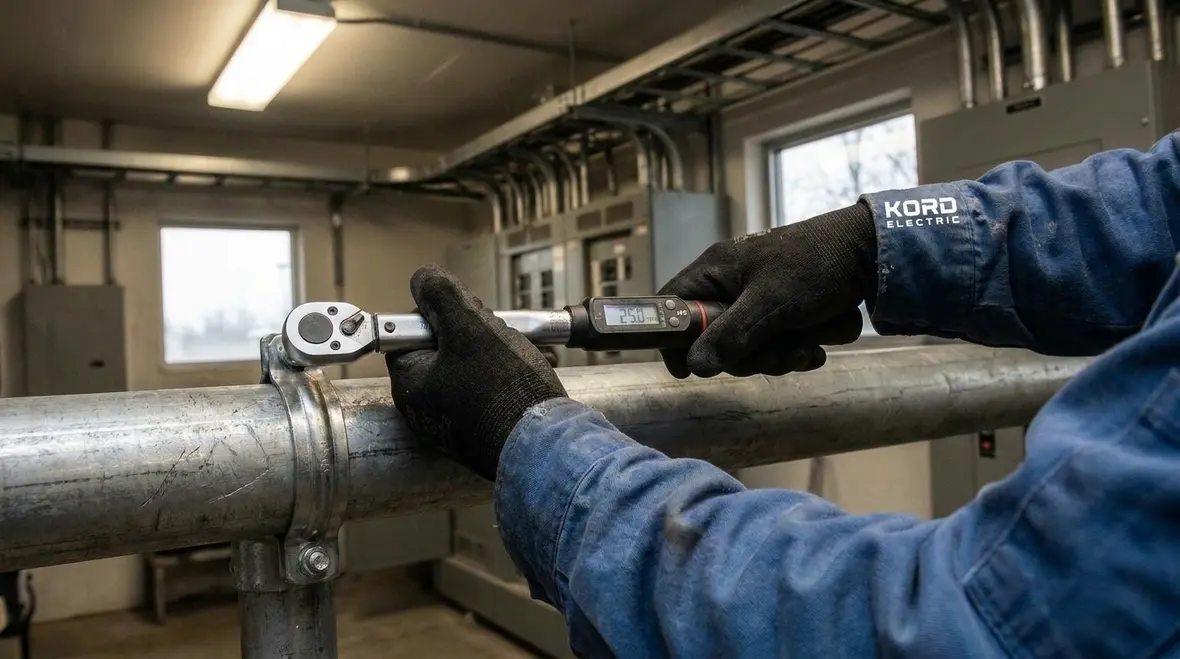
Electrical code updates can feel like moving goalposts, but they actually help teams avoid outdated assumptions. When future editions address scenarios like electrode behavior under fault conditions, we treat those changes as signals. They tell us what inspectors will focus on and what design teams must confirm.
For facilities planning upgrades, new builds, or major equipment replacement, we recommend thinking ahead. We do this by reviewing the project scope, then mapping code expectations to the real site conditions: equipment types, service characteristics, and maintenance schedules. In turn, that reduces costly rework later. And nobody wants to rebuild a system after cables are already installed, sealed, and labeled, only to find a compliance gap.
We also coordinate our electrical work with life safety and fire protection considerations when projects include those systems. Companies like Kord Fire keep the fire and electrical safety discussion connected in a way that benefits major properties. The electrical system and the protection system should work as one plan, not as two separate plans that only meet during an inspection.
Using NEC 682.15 as a planning trigger, not an afterthought
When we help clients plan for the 2026 NEC direction, we treat NEC Section 682.15 electrode heating ground-fault as a design trigger. It prompts questions like: Where do electrodes interact with grounded or bonded structures? How will protective devices limit energy during fault conditions? What testing will prove that the system behaves as intended? By asking those questions early, long before final commissioning, we give your project room to adjust conductor sizes, protection settings, or layouts without blowing up the schedule.
Testing, documentation, and how we help with inspection readiness
You can design a compliant system and still fall short during verification if you skip practical testing and clean documentation. Therefore, our expert service staff focuses on the “show me” part of compliance. We schedule testing steps that match the system design and we document results in a way that helps stakeholders move faster.
In the field, we commonly see issues that come down to mismatch between design intent and installed reality. For example, a component may be correct in the spec sheet, but the termination quality may vary. Or the grounding path may not match the planned connection points because of job site constraints. When that happens, the system may pass a basic check and still underperform during fault conditions.
So, our technicians verify connections, confirm protective device setup, and document findings so your team can review them clearly. We also explain what the results mean and what they imply for safety and performance. That way, when questions come from inspectors or facility engineering, you are not answering from memory like it is a college final.
Making fault-focused testing part of your normal workflow
Because electrode heating is tied to fault events, we integrate specific checks into broader commissioning and maintenance work. That might include confirming trip times for protective devices, inspecting electrode terminations for signs of stress, or verifying that bonding jumpers remain intact after other trades have been on site. We line those tasks up alongside power quality checks, emergency power testing, and surge protection verification, so Section 682.15 compliance folds naturally into the larger safety story instead of living in a separate binder no one reads.
Dual viewpoint: electrical code safety and fire protection goals in major properties
In large commercial campuses and industrial facilities, safety needs to align across disciplines. Electrical safety prevents dangerous fault outcomes, while fire protection systems manage risk if a fire starts. Even so, those lines overlap in real projects. Thus, we treat the electrical plan and the life safety plan as connected work, not separate departments chasing separate checklists.
We often review how grounding practices, bonding quality, and fault response support stable operation of equipment that life safety relies on. Then we coordinate with teams responsible for fire alarm, suppression, and related devices, so the facility’s response stays predictable under stress. This mirrors the broader safety mindset you can see in our Kord Fire focus areas and the practical fire protection resources often referenced in fire pump and life safety discussions.
In short: we build electrical systems that support safe operation, and we help those systems fit the safety strategy your facility already uses.
Why integrated planning matters for Los Angeles County facilities
For properties in regions like Southern California, coordination between code compliance, electrode heating controls, and fire protection is even more important because of dense occupancy, strict inspection requirements, and the cost of downtime. Our Los Angeles County electrical services team works with owners, engineers, and facility staff to align Section 682.15 planning with local expectations, so systems not only pass inspection, but also behave predictably under real-world stress.
FAQ about NEC Section 682.15 electrode heating ground-fault
When the right answer is also the safe one
In our work at Kord Electric, we treat NEC compliance as a safety tool, not a paperwork exercise. We focus on NEC Section 682.15 electrode heating ground-fault planning through design coordination, sound grounding and bonding practices, quality installation, and verification testing that holds up during inspection. And yes, we still find ways to make the conversation less painful. Codes are like staircases: you do not think about them until you need them, and then you are glad they were built correctly.
If you want your commercial or industrial electrical systems reviewed for readiness, contact Kord Electric today. We will walk your team through what matters, what to fix, and how to move forward with confidence.
For teams that want a broader orientation before diving into project specifics, our blog on what NFPA 70 is and how it shapes modern electrical design offers helpful context. From there, we bring the conversation back to your site, your loads, and your electrode heating ground-fault scenarios, so the right answer is also the safe one for your facility.


