NEC 690.31 PV Wiring Methods for Safe Solar Systems
When a facility installs a solar PV system, the wiring method matters from day one. In the early planning stage, NEC Section 690.31 PV wiring methods shape how conductors run, how cables stay protected, and how we reduce the odds of a future shutdown. At Kord Electric, we focus on commercial and industrial facilities and major property buildings, because those owners need dependable electrical design that survives real-world use, not just a neat drawing. Meanwhile, our technicians and expert service staff walk clients through the rules in plain terms, so the final build is not a mystery. And yes, we promise it will be less confusing than trying to assemble a flat pack bookshelf without the missing screw.
NEC Section 690.31 PV wiring methods set the baseline for safe solar systems
NEC Section 690.31 PV wiring methods do more than fill a chapter heading. They define how PV conductors should be routed, supported, and protected so the rest of the solar design has a solid backbone. If the wiring method is wrong, even the best modules and inverters cannot save the project from avoidable risk. For commercial and industrial properties, that risk often shows up as unplanned shutdowns, inspection delays, hot rooftop work that takes longer than it should, and safety questions nobody wants to answer during a busy operating week.
Our team treats these rules as part of a bigger NEC picture. We reference resources such as Kord Electric’s in depth guide on NFPA 70 and the National Electrical Code for 2026, so facility leaders can see how PV wiring fits into the broader electrical safety story, not just the solar portion of the drawings. When you understand the “why” behind NEC Section 690.31 PV wiring methods, decisions about conduit, cable, routing, and labeling stop feeling like guesswork and start feeling like deliberate risk reduction.
What the NEC aims to prevent in real buildings
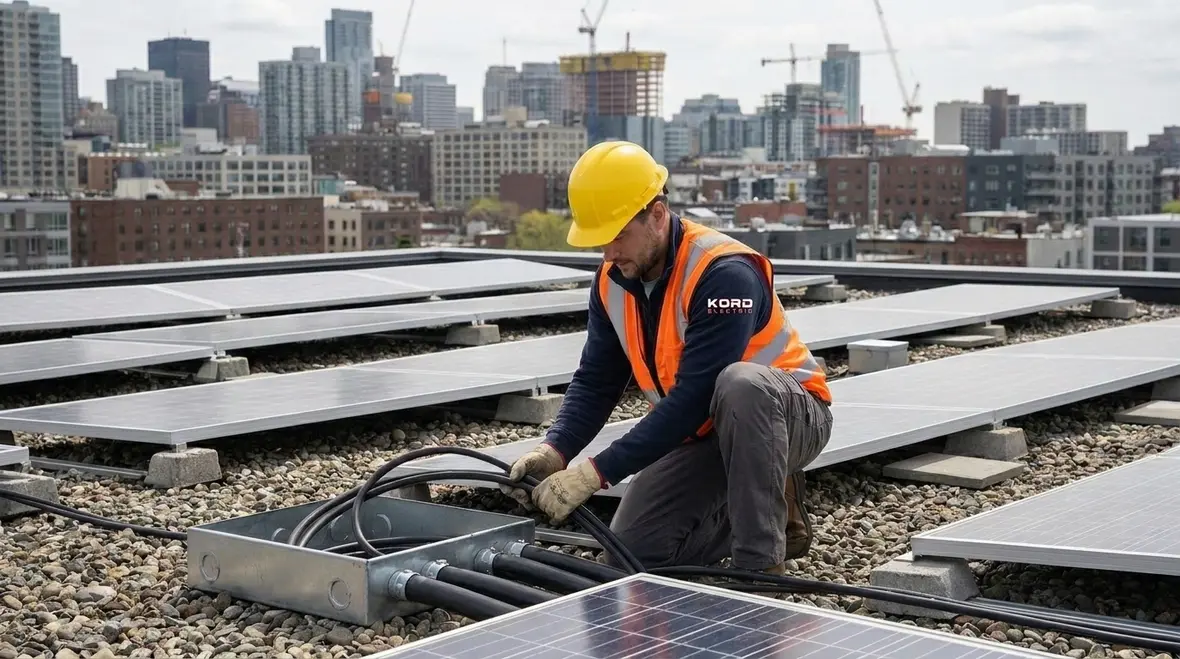
The National Electrical Code exists for one main reason: it helps prevent fires, shock hazards, and unsafe installations. However, the NEC also sets a clear structure so contractors can build consistently across projects. This matters most for commercial and industrial environments, where wiring runs through busy spaces, under load, and often through multiple tenants or operating schedules.
We use a practical approach. First, our team reviews the building plan and the electrical one line diagram. Then we match the design to the NEC requirements that apply to PV, grounding, and overcurrent protection. Next, we check installation details that often get skipped when people rush. As our experts explain, “The code does not just live on paper. It shows up in conduit fill, cable routing, and how equipment is labeled so someone can actually service it later.”
Because PV wiring connects back to the rest of the electrical system, we often point facility teams to contextual resources such as Kord Electric’s article “Understanding NFPA 70: The National Electrical Code Explained for 2026.” That broader view keeps everyone aligned on how rooftop conductors, interior feeders, and service equipment all work under the same NEC umbrella, even when different trades touch different parts of the installation.
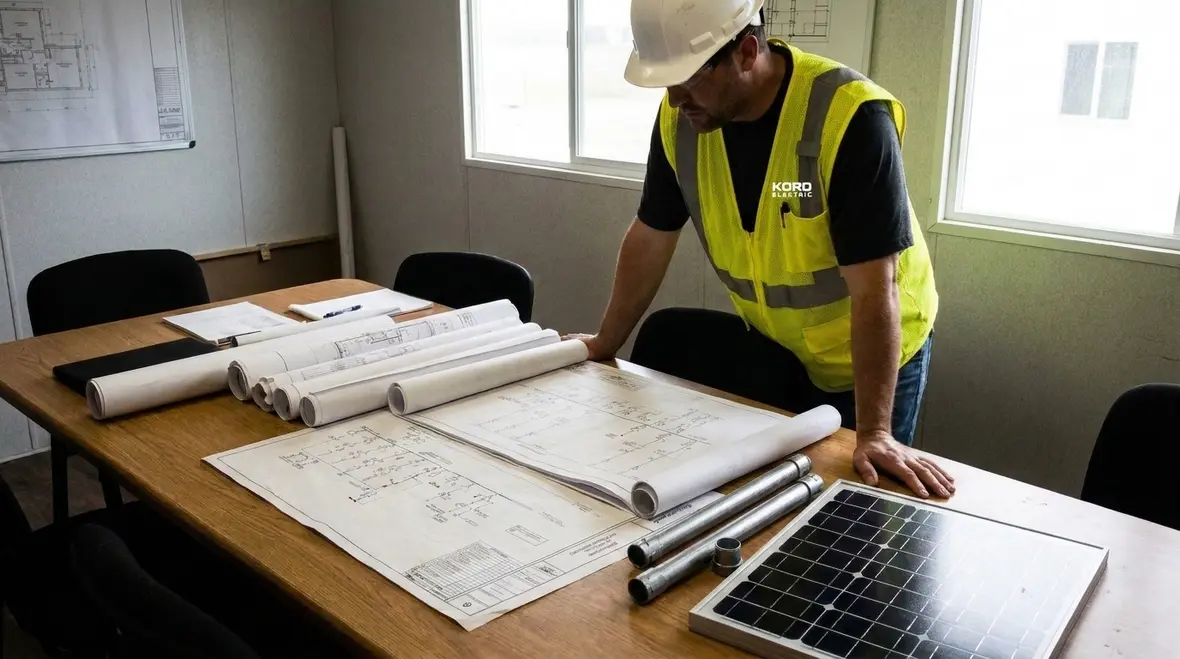
Why 690.31 PV wiring methods focus on protection and support
NEC Section 690.31 sets rules for PV wiring methods, and those rules aim at two outcomes: physical protection and reliable installation practices. Solar arrays sit outdoors and near rooftops, where heat, sun exposure, moisture, and vibration can stress cable jackets. Therefore, we treat PV wiring like mission critical equipment, because in most facilities it is exactly that.
In day to day work, our technicians look at how conductors enter equipment, how cables are routed along building structures, and how they are secured. In addition, we confirm the selected wiring method supports safe separation from hazards and maintains proper bending and routing practices. When our service staff explains the details, they focus on what matters in the field: the wiring method must match the environment, the mounting, and the cable type.
For many projects, the team also coordinates with fire safety and site operations. That is where partners like Kord Fire and related fire pump and fire protection specialists can help. Even if electrical work handles the PV conductors, the overall life safety plan still needs to fit together. As we often say, “Electric and fire safety are like peanut butter and jelly. They do not taste right if you treat them like separate worlds.”
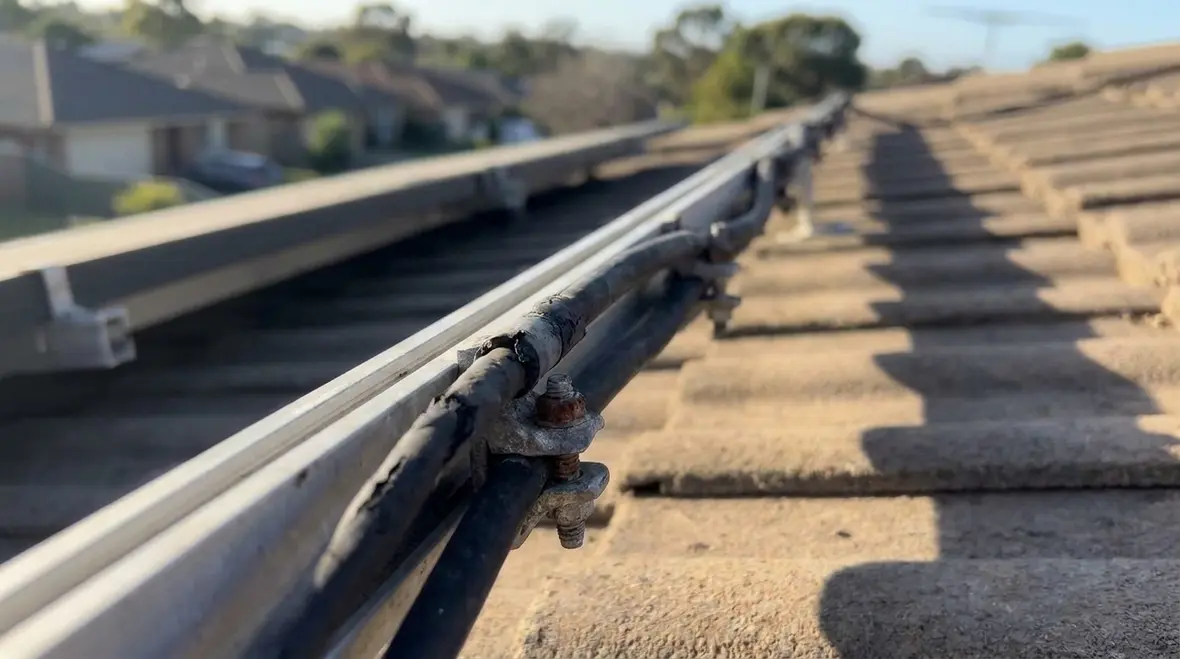
Choosing compliant PV wiring routes across rooftops and walls
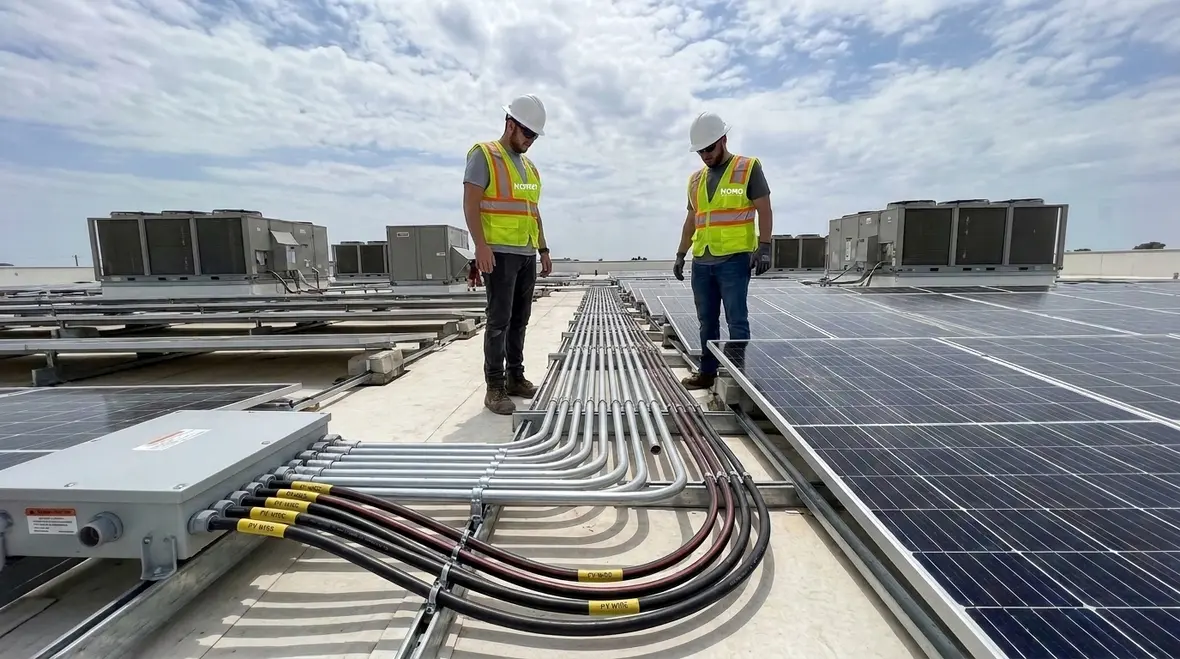
Route planning drives compliance. For commercial rooftops, conduit and cable paths must avoid damage points, keep distance from building movement, and allow access for inspection. Meanwhile, vertical runs through walls or risers must account for how crews will pull wire, how supports will hold load, and how future service will happen. If we pick the wrong route early, we do not just create paperwork. We create extra labor, delays, and a higher chance of non compliant installs.
Our experts typically follow a sequence. First, we map the PV array layout and identify where junction points land. Next, we decide the wiring method and confirm that it works with the building design. Then we review terminations and equipment entry points so the installation does not weaken seals or create gaps. Finally, we verify labeling and access paths so the next electrician does not have to guess.
In practice, we also think about how other systems share space. Rooms that host inverters, switchgear, and disconnects often sit near other building circuits. Therefore, we help teams keep spacing, separation, and routing consistent across disciplines. That reduces the “spaghetti wiring” effect that nobody wants to explain to an inspector.
On larger facilities, we also connect PV routing choices back to broader NEC planning topics covered in resources like “What Is NFPA 70? Understanding the National Electrical Code” on the Kord Electric blog. When designers and facility managers share a common reference point, rooftop PV raceways and interior feeders stop being isolated decisions and start becoming part of a coherent code compliance plan.
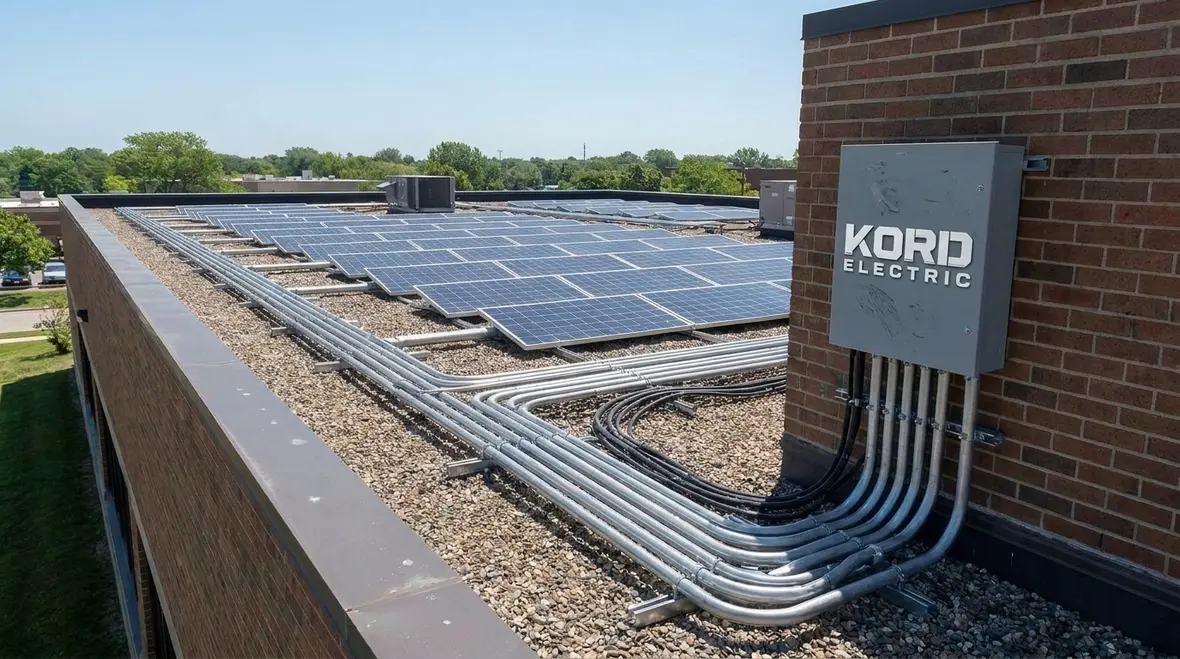
Grounding, bonding, and system coordination for commercial scale
PV wiring compliance does not end with routing. Next comes grounding and bonding, plus coordination with the rest of the electrical system. Facilities often integrate solar generation with existing panels, switchboards, and backup strategies. Because of that, we verify how PV conductors tie into the broader system design.
Our service staff explains it this way. Grounding is not just a safety checkbox. It helps control voltage during faults and supports proper operation of protective devices. And bonding helps keep conductive parts at compatible electrical potential. When those pieces fit, the electrical system behaves the way the design expects.
In addition, we align PV protection with overcurrent and disconnect requirements. That alignment reduces nuisance trips and supports safe shutdown procedures. On major property buildings, that coordination also supports maintenance planning. Instead of shutting down a whole wing, proper design helps isolate PV sections responsibly.
For facility leaders who want deeper background on why these details matter, Kord Electric’s NEC resources—such as “How to Read NFPA 70 National Electrical Code” and “Commercial Electrical Systems for Modern Buildings”—outline how grounding, bonding, and overcurrent protection all fit together. When PV wiring methods follow NEC Section 690.31 PV wiring methods and the rest of the design respects those same NEC principles, the result is a solar system that behaves predictably under both normal and fault conditions.
Common mistakes we prevent during PV wiring method installs
Teams can lose compliance in small ways, and those small ways can become big problems. We see a few repeated themes, so we train crews to avoid them early.
- Skipping route reviews: If someone locks in a path without checking equipment entry points, support spacing, or access needs, the installation often ends up forced.
- Using the wrong wiring method for the environment: Outdoors, near roofs, and in wet areas, cable and conduit choices must match the exposure.
- Weak cable support: Improper securing can lead to abrasion, stress, and long term failures that show up after the first hot season.
- Poor termination habits: In commercial builds, terminations must stay clean, properly seated, and correctly protected so water and contaminants do not sneak in.
- Ignoring coordination with fire safety planning: Even when electrical work follows NEC rules, the overall site plan must still support safe access, documentation, and emergency response.
To keep things clear, our technicians explain each step before they start. We also document the installation steps so facility managers can understand what was installed, why it was installed, and how it must be maintained.
Because PV wiring shows up alongside other upgrades, these same habits also support general electrical work. Articles such as “Electrical Code Upgrade Consulting for Renovations” and Kord Electric’s NEC electrical connection quality guides reinforce the same message: careful planning and workmanship beat quick fixes every time, especially when inspectors and insurance carriers review the results.
NEC context beyond PV wiring methods for the rest of the job
Solar projects rarely live in isolation. They connect to inverters, disconnects, service equipment, and sometimes specialized systems tied to facility operations. That is why the code references extend beyond PV conductors. We treat the project as an integrated electrical system, not a set of independent tasks.
For example, we look at how the PV system interfaces with other circuits and how labeling supports troubleshooting. We also check that the installation supports inspection needs and future service access. And because our focus stays on commercial and industrial buildings, we plan for real uptime requirements, not just “it works during testing.”
When teams need broader fire and safety alignment, our partners and adjacent specialists can help. For many projects, integrating electrical and fire safety goals protects both people and property. For additional context, clients often reference resources on NEC and safety practices through partners like Kord Fire and related fire protection groups.
For decision makers who want a single jumping off point, Kord Electric’s blog hub at Understanding NFPA 70: The National Electrical Code Explained for 2026 ties many of these themes together. From there, it is easier to see how PV requirements, overcurrent protection, grounding, bonding, and maintenance plans all support the same NEC story.
How NEC Section 690.31 PV wiring methods fit into real project workflows
In a real project, NEC Section 690.31 PV wiring methods do not sit in a vacuum. They tie directly into procurement, scheduling, and inspection workflows. When a facility upgrades or adds solar, our commercial and industrial clients want three things: predictable timelines, clear documentation, and systems that pass inspection without last minute rewiring. Wiring methods shape all three.
During design, we walk through how each array segment will connect back to combiner boxes, inverters, and service equipment. Then we check that conductor types, raceways, and fittings match the exposure and mechanical needs of the job. If a roof uses ballasted racking in one area and attached racking in another, the support points and conductor protection can differ, but the NEC expectations do not disappear. We make sure the chosen methods stay consistent with both 690.31 and the rest of NFPA 70.
On the construction side, we pair our field checklists with NEC language so technicians understand which steps carry the most risk if skipped. For example, supporting PV source circuit raceways at the correct spacing is not just a “good idea,” it is a code-driven requirement that directly affects long term reliability. The more clearly crews see that connection, the less likely they are to cut corners when the schedule gets tight.
FAQ
Planning PV wiring around NEC Section 690.31 PV wiring methods and beyond
As facilities push for more solar capacity, the difference between a smooth PV build and a frustrating one often comes down to wiring decisions. When NEC Section 690.31 PV wiring methods guide those decisions from the first layout sketch, everything from cable procurement to as built documentation gets easier. When they are treated as an afterthought, projects drift toward change orders, rework, and uncomfortable inspection days.
We see PV wiring as part of a larger reliability story. Roof mounted raceways, equipment terminations, labeling, grounding, and coordination with surge protection all live in the same world. That is why Kord Electric pairs solar design services with broader electrical consulting, drawing on topics such as commercial electrical systems, data-driven design, and surge protection strategies covered across the Kord Electric blog. The result is a PV installation that does not just meet NEC wording once, but continues to support safe, stable operation year after year.
For facilities across Los Angeles County and Southern California, that integrated mindset also shows up in everyday service work. Whether we are reviewing panels, troubleshooting production floors, or planning backup power, the same NEC principles that govern PV wiring methods also govern how we protect people and equipment everywhere else in the building.
Let Kord Electric handle NEC aligned PV wiring for your facility
If you manage a commercial or industrial property, you cannot afford PV wiring decisions that look good in a proposal and fail in the field. At Kord Electric, we bring our technicians and expert service staff to the planning and installation process, so your PV system follows NEC rules with confidence. We review wiring methods, routes, grounding, and coordination details before anyone pulls a single cable. If you want a solar electrical build that stays safe, maintainable, and inspector ready, contact Kord Electric today.
For property owners planning larger electrical upgrades alongside solar, our team also provides broader support across commercial systems. From emergency power strategies to surge protection and long term maintenance planning, we align PV work with everything else your building depends on. When NEC Section 690.31 PV wiring methods sit inside that bigger picture, you get a solar installation that feels like part of the facility, not an add-on bolted to the roof.
If your facility is located in Southern California, you can explore how these services come together on our dedicated Los Angeles County electrical services page. There you will see how PV wiring, code upgrades, and everyday electrical work all fit into a single, coordinated service plan for your building.