
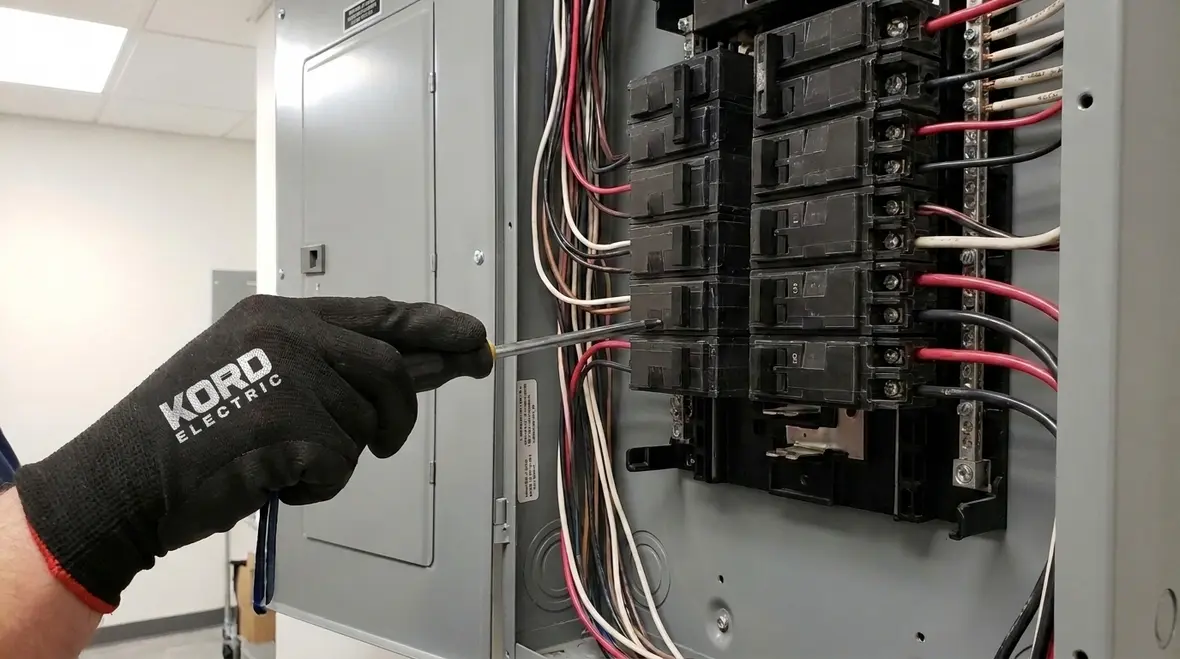
NEC AFCI Protection Requirements Guide for Section 210.12
NEC AFCI protection requirements guide: what Section 210.12 means for commercial spaces
In a commercial or industrial facility, electrical problems do not stay small for long. That is why the NEC AFCI protection requirements guide starts with NFPA 70 Section 210.12, which sets rules for AFCI protection to help reduce risk from arcing faults. In the first place, we guide building teams through what the code expects, and then we help them meet it in real installations, not just in theory. Our expert service staff explains the why, the what, and the practical steps so your maintenance crew and stakeholders know what they are approving. And yes, we still say “arc fault” without making it sound like a sci fi villain.
Third person should not be a mystery, so this article lays out how the requirements work, where they apply, and how teams verify compliance in the field.
Why NFPA 70 Section 210.12 focuses on arcing faults
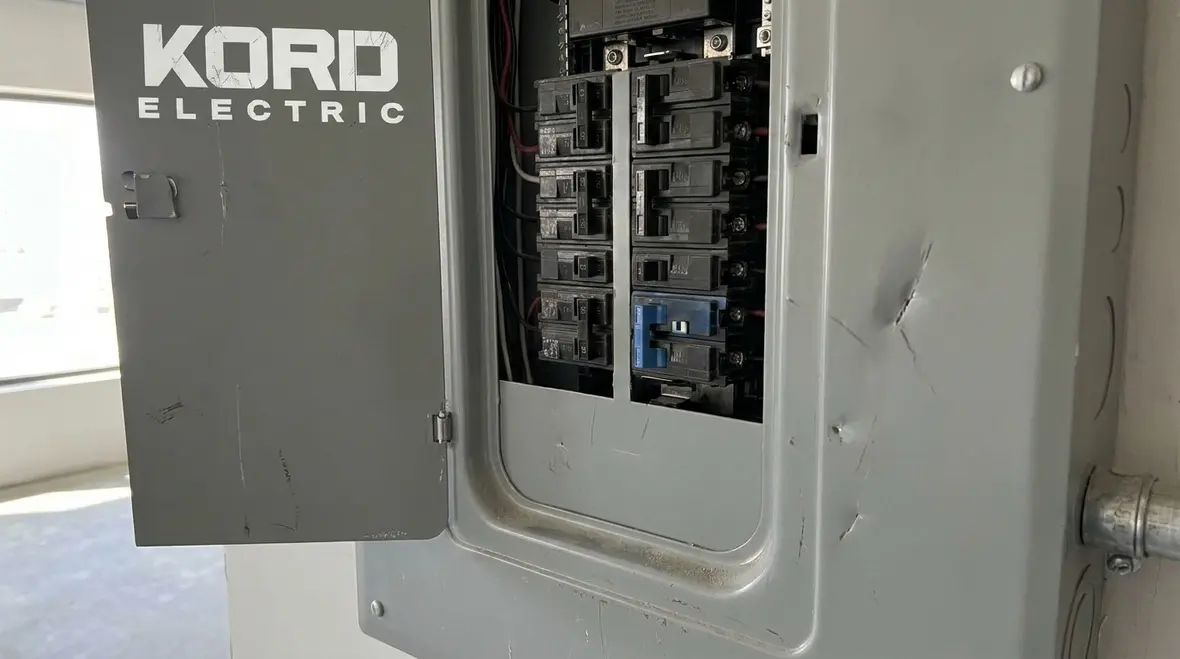
NFPA 70, also known as the NEC, includes safety rules that aim to catch dangerous conditions early. Section 210.12 specifically targets arc fault events, which can happen when damaged wiring or loose connections create intermittent electrical arcs. Even when power still “works,” arcing can heat materials and start fires.
In commercial and industrial buildings, occupants may not notice early warning signs. Therefore, the code pushes for AFCI where it matters most, so the system can respond sooner. In addition, the approach supports modern wiring practices in workplaces where circuits serve many devices, outlets, and equipment types.
Our technicians treat this seriously because inspections treat it seriously. However, they also keep it simple. They explain that AFCI is not magic, and it does not replace good workmanship. Instead, it acts as a safety layer that helps limit the damage when wiring or connections misbehave.
For facility teams that want a broader primer on how the NEC fits into electrical safety, resources like Kord Electric’s guide Understanding NFPA 70: The National Electrical Code Explained for 2026 and the Kord Fire article NFPA 70: All About The National Electrical Code (NEC) 2026 help connect this Section 210.12 focus on arcing faults to the bigger rulebook.
Where AFCI protection shows up in commercial and industrial installations
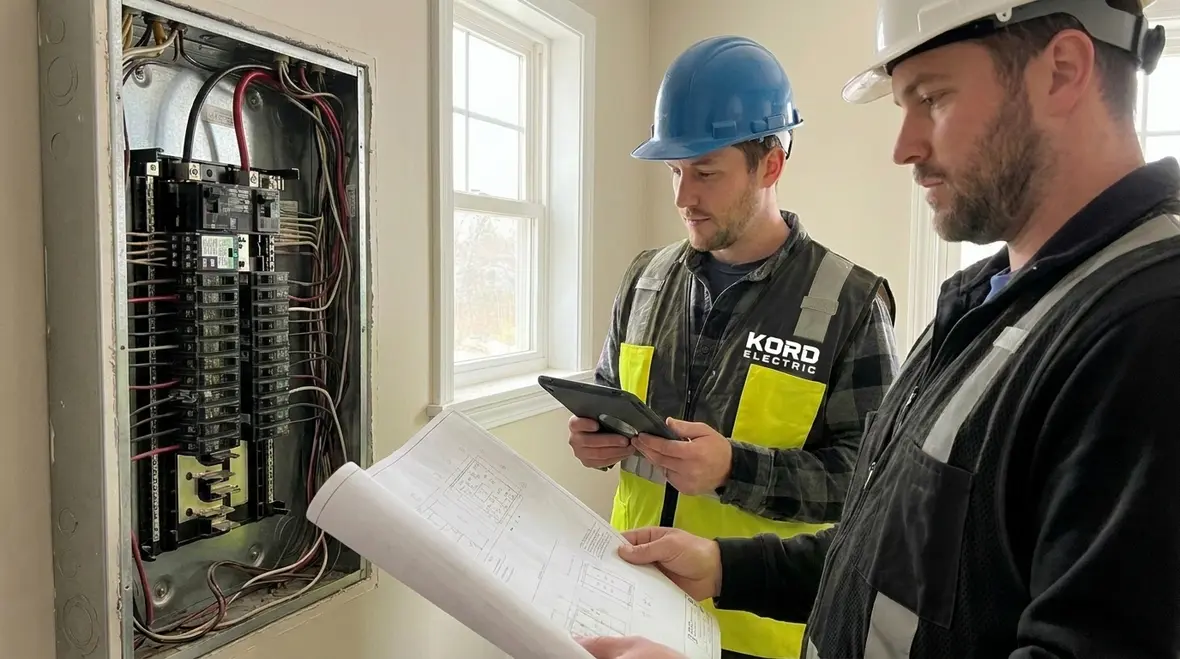
Section 210.12 does not blanket every circuit in every situation. Instead, it targets branch circuits in specific areas of buildings, especially where wiring is more likely to experience damage or where an arc fault can ignite nearby materials.
For commercial and industrial facilities, common real world examples include tenant build outs, offices with many workstations, and shared electrical spaces that support continuous activity. As a result, facility managers and electrical contractors often need clear expectations for which circuits require AFCI and how to document the decision during design, rough in, and final acceptance.
When teams misunderstand the scope, they sometimes skip AFCI where it is required, or they install it where it does not fit. Either mistake can create costly rework. Therefore, our expert service staff reviews the circuit layout and project intent before equipment locks in place.
In planning sessions, our technicians often reference broader NEC context from resources like Kord Electric’s National Electrical Code articles and Kord Fire’s NFPA 70 code overviews, so the AFCI decisions for Section 210.12 align with the same safety logic that applies to grounding, overcurrent protection, and wiring methods.
How the AFCI decision process works for branch circuits
In practice, the AFCI requirement becomes a checklist task tied to how a building routes conductors and how equipment uses them. First, the design team identifies the applicable areas and circuit types. Next, the team matches the branch circuit plan to the intended use of each outlet and wiring run.
Then, our technicians help translate the design into install choices that hold up in the field. That means they coordinate with electricians on labeling, device selection, and how the circuit connections land at endpoints. Because inspections focus on the actual installation, not the intent, documentation and labeling matter.
To keep the process steady, Kord Electric uses a clear workflow that respects commercial schedules. Moreover, teams avoid last minute surprises by validating circuit routing early, so contractors do not “discover” AFCI requirements after walls close. That is when budgets start to feel like they are doing push ups without stretching.
On projects where Section 210.12 interacts with other NEC chapters, our expert service staff may cross reference planning tools from articles like Kord Electric’s NFPA 70 reading guides or Kord Fire’s NEC overviews, so AFCI decisions fit into a consistent code strategy instead of becoming a one off fix.
Troubleshooting and maintenance after install: keeping AFCI performance stable
AFCI protection should not only exist, it should perform. Over time, nuisance behavior can happen if connections loosen, devices age, or incompatible components mix on a circuit. Therefore, Kord Electric focuses on stability and fast diagnosis for facilities that cannot afford downtime.
Our expert service staff explains common causes of problematic operation, then they show maintenance teams what to look for. For example, they check for loose terminations, damaged insulation, and changes in load types that can affect circuit behavior. In addition, they verify that any modifications after occupancy follow safe electrical practices and preserve the AFCI design intent.
This matters in major property buildings where tenants change, and equipment gets swapped. When a facility treats electrical work like it is permanent, but the building reality keeps moving, AFCI troubleshooting becomes part of good housekeeping.
In many cases, our technicians pair AFCI checks with broader maintenance driven by NFPA 70B style practices and Kord Electric’s own panel and switchgear maintenance guidance, so the NEC AFCI protection requirements guide becomes part of a full electrical reliability plan instead of a single test button press.
Verification and compliance for inspections in major property buildings
Meeting code is not just an installation step. It also requires verification, records, and a clean handoff to the building team. After the wiring and AFCI device selection, crews should document what they installed and where. That includes circuit identification, panel schedule updates, and device labeling.
During inspection prep, the facility team benefits from a simple rule. If you can point to the circuit, describe its purpose, and show how AFCI protection covers it, you reduce friction. Meanwhile, when the facility cannot explain coverage clearly, inspectors and contractors tend to spend extra time chasing details instead of solving real issues.
Kord Electric supports the commercial and industrial side of the market, so our approach fits those workflows. We help teams plan for walkthroughs, organize materials, and keep answers consistent. That keeps everyone calm, including the people who usually arrive with coffee and questions that start with “Do we really have to.”
Because Section 210.12 lives inside the larger NEC framework, our technicians often use companion pieces like Kord Fire’s NFPA code resources and Kord Electric’s NFPA 70 enforcement articles to help facility stakeholders understand how inspectors view AFCI coverage as part of overall electrical safety.
Best practices from our technicians for AFCI wiring quality
Quality workmanship determines outcomes. Therefore, our technicians follow practices that reduce the chances of early failures and improves long term reliability.
- Use correct terminations and verify torque or connection method per manufacturer guidance, so connections do not loosen over time.
- Maintain circuit integrity during installation, especially when routing through crowded raceways in mechanical and electrical rooms.
- Label circuits clearly and update schedules, so AFCI coverage matches the documented plan.
- Avoid mismatches between devices and circuit design, since incorrect combinations can create behavior that looks like nuisance trips.
- Plan for future changes in major property buildings, because tenant improvements should not break the original protection strategy.
Also, we keep communication direct. Instead of vague assurances, we provide clear explanations and action steps. In other words, we do not leave facility staff with a binder full of maybes. They receive practical guidance they can use.
During commercial upgrades and new builds, these AFCI wiring practices often overlap with other modern electrical strategies, including load management and coordination work described in Kord Electric’s broader commercial systems and infrastructure planning guides.
FAQ about NFPA 70 Section 210.12 and AFCI protection
Next steps: get help meeting the NEC AFCI protection requirements guide
If your facility team needs a clear path to compliance, Kord Electric can help you plan, install, and verify AFCI protection for commercial and industrial buildings. Our technicians and expert service staff explain decisions in plain language, then they apply them with careful workmanship and practical documentation. Instead of guessing where AFCI applies, we help you confirm circuit coverage before walls close and before inspection day arrives. Reach out to Kord Electric and move forward with electrical safety that holds up in the real world.
For facility leaders who want to connect AFCI decisions with other parts of their electrical strategy, exploring Kord Electric’s broader resources on NFPA 70, electrical safety training, and commercial system planning can help turn this NEC AFCI protection requirements guide into part of a larger, documented safety program.
If your building sits in a jurisdiction with detailed permitting expectations, such as the Los Angeles region, partnering with a contractor that already works inside those rules can save time and stress. Kord Electric’s Los Angeles County electrical services support commercial facilities that need code-aligned upgrades, repairs, and inspections without disrupting operations more than necessary.
Sources for related code context: Kord Electric blog on NEC background, Kord Fire resources on NFPA 70, and industry code references.


