
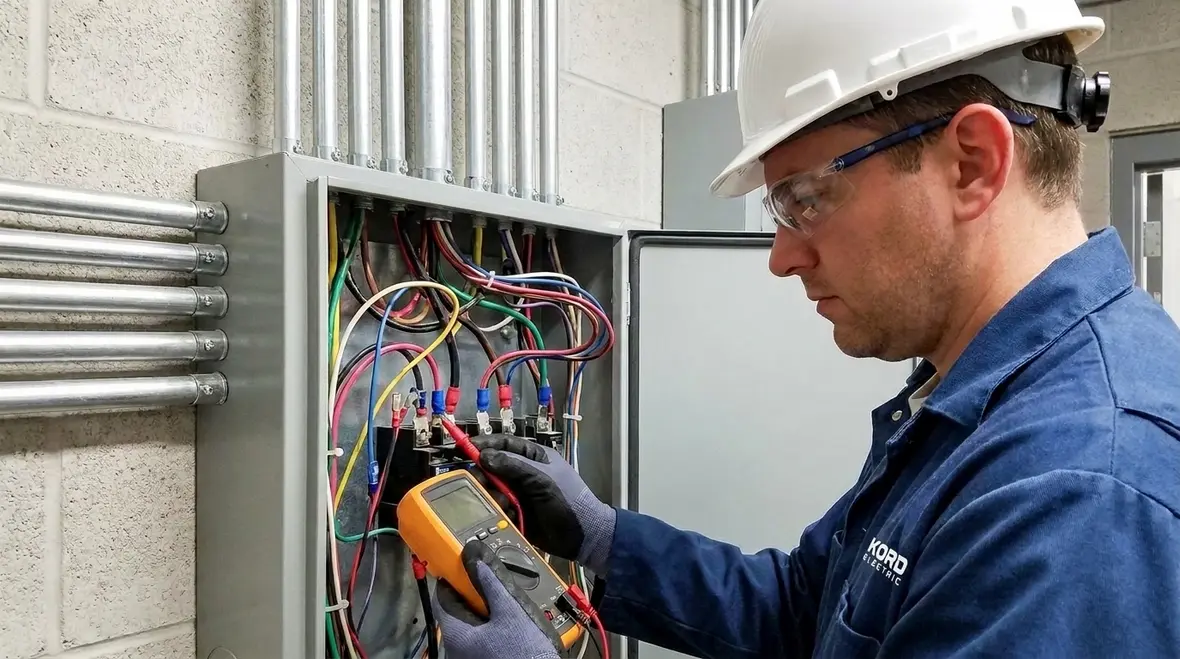
NEC Tapped Ungrounded Conductors Rules Section 210.10
At Kord Electric, we spend our days making sure commercial and industrial facilities stay safe, compliant, and ready to run. That is why we take NEC tapped ungrounded conductors rules seriously. In NFPA 70 Section 210.10, the code addresses when and how conductors can be tapped, especially when those conductors are ungrounded and the wiring method does not give you the flexibility you might wish you had. As others in the field like to say, electricity does not care about your schedule. Still, we can help you plan the wiring so it stays within the rules, avoids surprises during inspections, and keeps your staff protected.
In this article, a third party guide can explain the essentials, but our approach stays practical. Our technicians and expert service staff break down what Section 210.10 means for real projects, not just textbook scenarios. Then, we connect those points to how facilities should design and maintain tapped circuits in offices, warehouses, retail back rooms, data rooms, pump stations, and other major property buildings.
NFPA 70 Section 210.10 basics for tapped branch circuits
NFPA 70, also called the National Electrical Code, includes rules that tell you when you can tap conductors and how you must protect the conductors and terminations. Section 210.10 focuses on tapped ungrounded conductors in branch circuit situations. In plain language, it deals with conductors that supply loads where the circuit does not run full length from the source to every device the usual way.
As facilities engineers often discover, this is where people get creative in the worst possible ways. They might extend a run, split off somewhere unexpected, or use a tap configuration that looks neat. However, the code requires that those taps meet strict conditions so the wiring stays protected against overcurrent and does not overheat at terminations. In other words, the code wants the tap to act like it belongs in the system, not like it was added during a “quick fix” that lasted ten years.
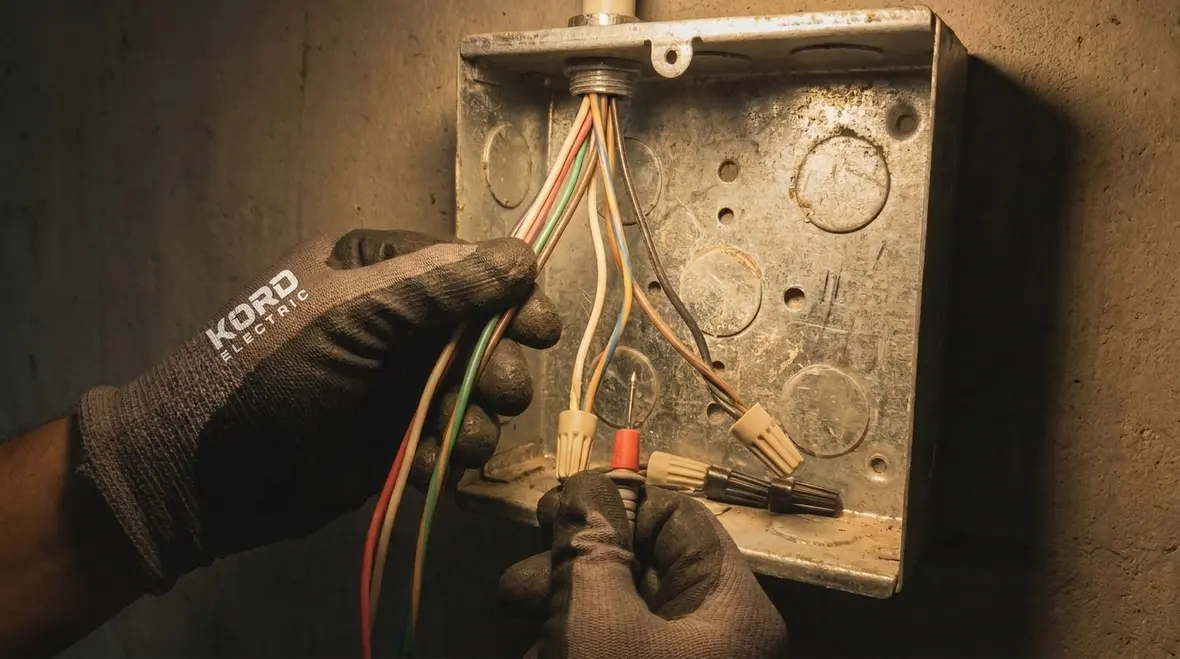
If you want a broader code roadmap before you zoom into tap behavior, our related resource Understanding NFPA 70: The National Electrical Code Explained for 2026 walks through how the NEC shapes commercial and industrial projects for this code cycle, so Section 210.10 fits into a bigger picture instead of feeling like a standalone rule.
What “ungrounded” changes and why it matters
When a conductor is ungrounded, it does not rely on a grounded path to carry fault current. Therefore, faults and contact problems behave differently than they do with grounded conductors. As a result, the NEC rules for tapped conductors emphasize protection, insulation, and the way circuit conductors connect and remain sized correctly.
Our expert service staff often explains it like this to managers and facility leads. If grounded systems can sometimes “find their way” back through grounding paths, ungrounded systems must stay correctly sized and correctly protected so a fault does not turn into heat, smoke, or nuisance trips. And while pop culture loves a “mystery problem” storyline, electrical failures in major property buildings do not get sequels.
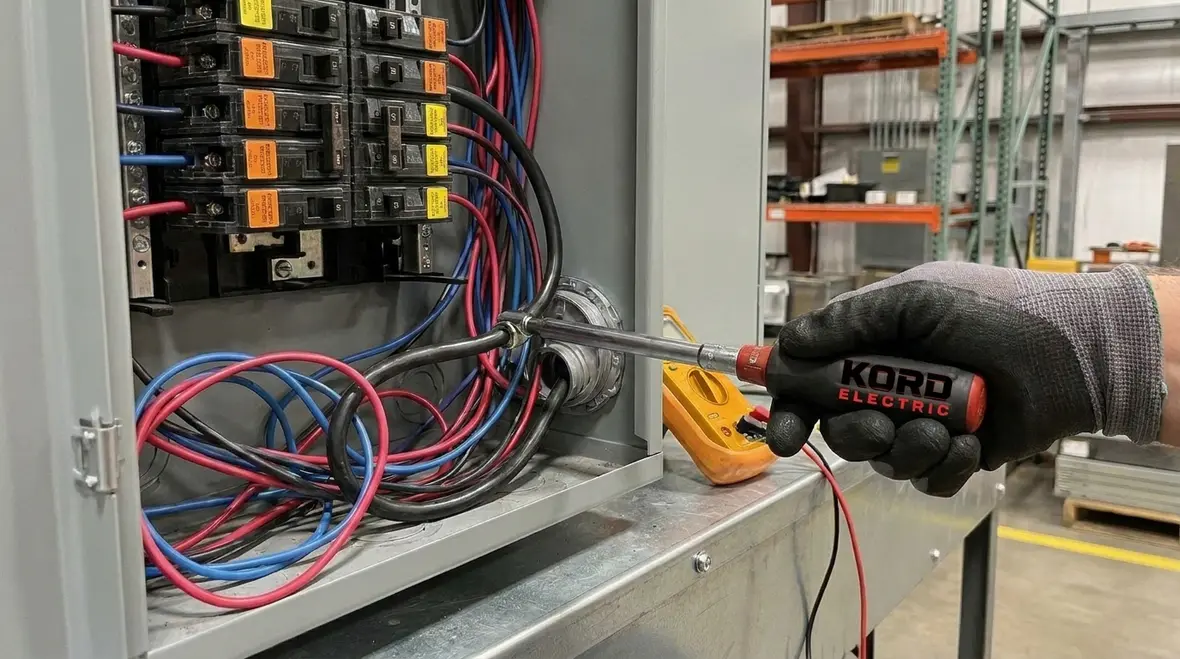
When you can use taps under NEC rules
Section 210.10 does not give unlimited freedom. It gives conditions. We see these conditions show up during design reviews, panel schedules, and field corrections after rough-in. And as installers know, the longer you wait to catch a problem, the more expensive it becomes to fix.
Typically, tapped branch circuits require attention to three big themes. First, the tap must connect in a way that keeps proper overcurrent protection for the conductor length and load. Second, the tap conductor and terminations must remain suitable for the environment and wiring method. Third, the tap arrangement must meet the code’s limits on length or conductor size changes, which prevents undersized conductors from doing heavy lifting.
In practice, this means a designer or electrician can not treat “tapped” as a synonym for “spliced anywhere.” Instead, the tap has to follow the NEC tapped ungrounded conductors rules for the specific circuit design and the way the conductors are routed.
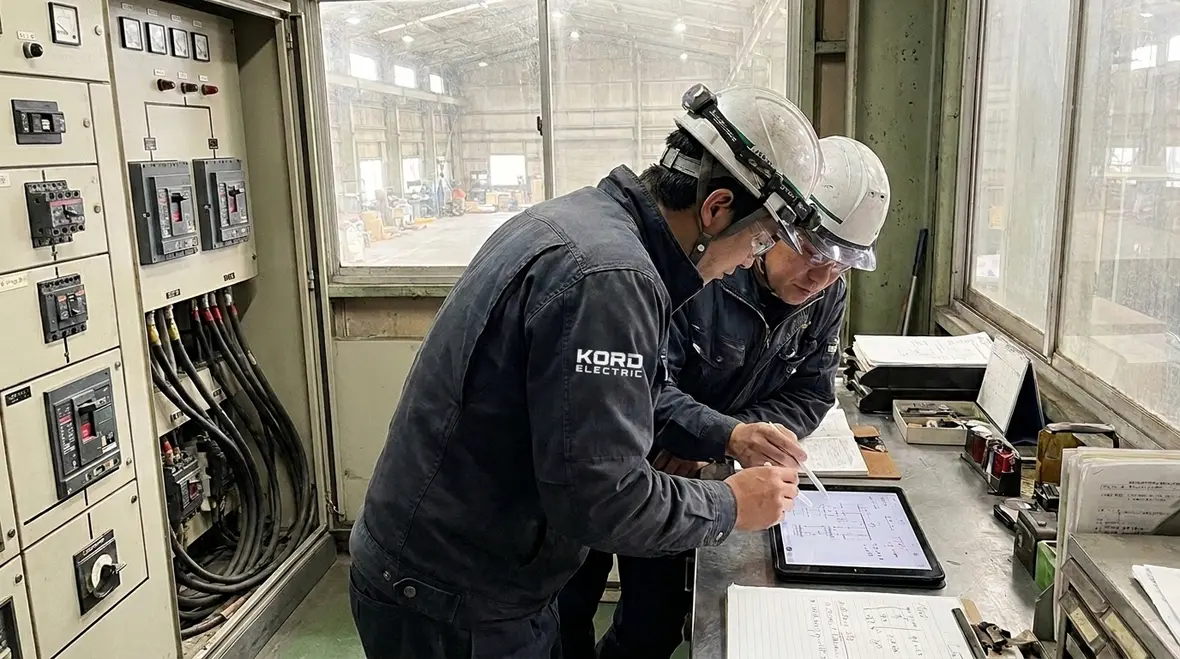
How we help commercial sites avoid inspection surprises
Commercial and industrial facilities run on deadlines, and inspections rarely care about deadlines. So we help teams plan and verify the tapped conductor approach before it becomes a last minute scramble.
Our technicians follow a disciplined workflow. First, we review the one line diagram and panel schedules. Then, we check the branch circuit design to confirm the tap method matches the NEC requirements. After that, we verify conductor sizing, routing, and termination quality so the tap points stay safe and durable.
When teams need clarity, our expert service staff explains the reasoning in meetings that do not waste time. For example, we explain why a tap that seems electrically similar still fails because it breaks the NEC limits for the specific conductor type or wiring method. Then, we outline what to do instead, like adjusting the circuit layout, revising protective device sizing, or changing the wiring method so the installation stays code compliant.
Yes, sometimes it feels like doing paperwork for your wiring. But that paperwork prevents a failed inspection, and it also prevents the “why is this breaker hot” call at 2 a.m. That call is rarely as fun as a late night episode of a crime show.

Design and installation details that make the rules real
To apply Section 210.10 well, teams must focus on details that often get missed when someone is moving fast. And because we work mainly with commercial and industrial facilities, we see how these details affect downtime, reliability, and safety.
Conductor sizing and protection coordination
We ensure the tap conductors have proper protection. This coordination prevents situations where a downstream tap uses a smaller conductor without matching protection for the circuit conditions. As a result, the conductor does not act like a hidden heater.
Routing and support
We also verify routing. Taps often create extra connection points and changes in conductor paths. Therefore, installers must support conductors correctly and protect them from physical damage. In warehouses and plant areas, equipment traffic can turn a fragile conductor path into a real problem if the installation ignores support and protection needs.
Terminations and connection quality
Even when a design meets the rules, workmanship matters. Our technicians check terminations, torque requirements, and connector suitability for the wiring method. That step reduces loose connections and prevents heat build up over time.
Environmental suitability
Finally, we confirm the wiring components match the environment. Major property buildings include spaces with vibration, heat, moisture risk, and dust. A tap that performs well in a clean office can fail in a harsh mechanical room if the installation does not match the conditions.
Troubleshooting tapped circuits in existing facilities
Sometimes, the tapped circuit already exists. Then the question changes from “How do we design it right” to “How do we figure out what it is doing wrong” while keeping the facility operational.
Our process for troubleshooting starts with documentation. We compare what the drawings show against what the panel actually contains. Next, we inspect the tap locations, terminations, and protective devices. Then, we test the circuit behavior under load if safe to do so.
In many cases, problems trace back to one of these areas. A tap uses a conductor configuration that does not match the code conditions. A breaker or fuse selection does not protect the tap as required. Or the installation made conductor changes over time without updating the circuit design intent. As we work through the findings, our expert service staff explains what they see and what corrective actions the facility should take, so you do not just get a report, you get a plan.
Why facility managers trust our NEC guidance
Commercial and industrial owners want clarity, not confusion. So we keep our communication direct. When we reference NFPA 70 Section 210.10 and the NEC tapped ungrounded conductors rules, we connect those provisions to outcomes your team can measure, like successful inspections, stable operations, and safer systems for occupants and staff.
Also, we understand that some projects span jurisdictions and multiple building systems. That is why we coordinate with design teams and facility stakeholders to align electrical work with the overall building plan. Then, we keep the work focused on commercial and industrial facility needs, not one off residential-style shortcuts.
And if you are wondering whether we joke while we do it, yes. Electrical work can be serious and still human. We do not insult the code, though. The code is the kind of strict friend who shows up every time and never laughs at your excuses.
For teams planning broader upgrades around the NEC, you can pair this guidance with our Los Angeles County electrical services overview, which shows how we support commercial and industrial facilities from initial planning through final inspection.
FAQ: NEC tapped conductors and Section 210.10
Ready to verify tapped circuit compliance for your facility
If your commercial or industrial building plans to add loads, expand circuits, or correct older wiring, we can help you get it right the first time. Kord Electric’s technicians and expert service staff review the design, confirm protection and conductor details, and guide the work through safe installation practices aligned with NFPA 70. Then, we help you move forward with confidence for inspections and long term reliability. Contact us today to schedule a review and bring calm back to your electrical system.
For facilities that need to coordinate tapped branch circuits with bigger system changes, our teams can connect this guidance with broader planning for reliability, redundancy, and surge protection, drawing on lessons from across the Kord Electric blog and field-tested commercial projects.


