
NEC Box Fill Conductor Count for 314.16 Compliance, Kord
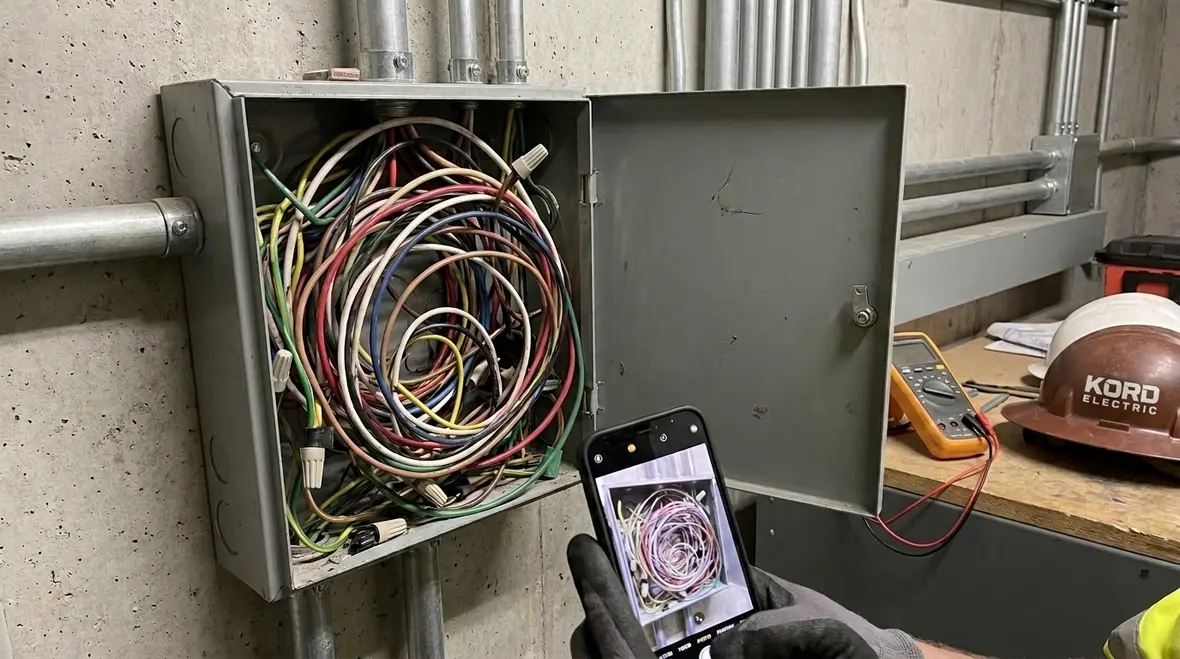
At Kord Electric, we see the same issue time and again inside commercial and industrial facilities: installers pack conductors into boxes, then reality shows up like a late customer who “was just around the corner.” For example, the NEC box fill conductor count rules under NFPA 70 Section 314.16 limit how many conductors can fit based on the box size and conductor types. The limit is not guesswork, and it is not optional. In fact, our expert service staff regularly explains that when box fill is ignored, it can lead to heat buildup, damaged insulation, and correction costs that nobody budgets for. And yes, even the most confident “I’ve done this a thousand times” electrician eventually meets the box fill worksheet.
NEC box fill conductor count and why Section 314.16 matters
NFPA 70 Section 314.16 exists for a reason: it controls how conductors sit in enclosures and boxes. When conductors are overcrowded, they do not bend neatly, insulation gets strained, and air space disappears. As a result, heat can rise and terminals can loosen over time.
To keep things clear, we and our technicians break it down like this. First, the NEC box fill approach focuses on physical space inside the box. Then, it uses conductor and cable details to compute how much volume each conductor takes. After that, it checks whether the total stays within the allowable box fill percent.
However, people often treat box fill like a box of cereal: you pour it in until it looks full. Electrical work does not work that way. Conductors must fit without harmful compression, sharp bends, or stressed jackets. Therefore, Section 314.16 turns “fits” into a measurable standard.
How we calculate conductor volume inside a wiring box
Our expert service staff explains that the calculation is not about “how many wires you can cram.” Instead, it looks at the conductor size, insulation type, and the number of current carrying conductors. Then the method assigns each conductor a specific volume unit, derived from the NEC tables. Afterward, we add up the volumes and compare the total to the box’s internal allowance.
Here is what most facilities need to watch closely. First, multi conductor cables do not count like single conductors. Second, conductors in the same raceway or cable still have individual space requirements when installed inside the box. Third, equipment grounding conductors have their own counting rules. So, the same cabinet can pass on paper for one cable type and fail for another.
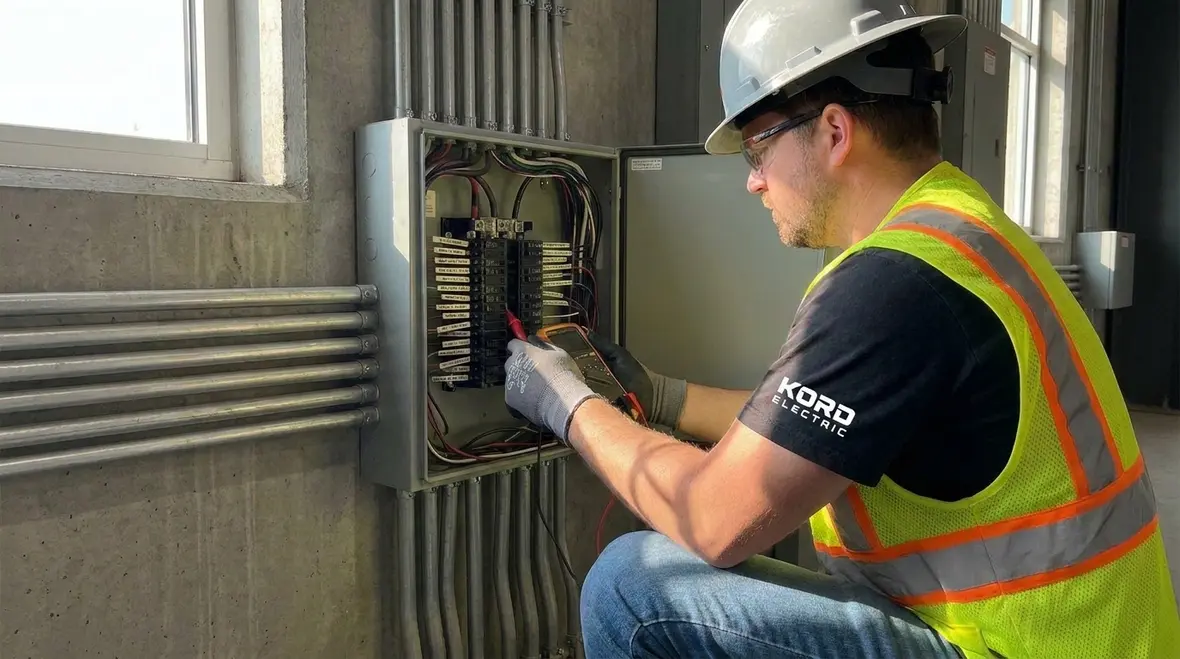
In practice, our technicians support commercial and industrial projects by verifying box type, conductor material, and insulation rating before a rough in closes. That step prevents the painful scenario where a project looks on track, then a closeout inspection asks for a correction that takes extra labor and downtime.

Conductor types that change the count, bends, and spacing
Box fill is sensitive to conductor construction. For instance, a facility might use conductors with different insulation thickness or different cable designs. Even when the conductor looks “about the same size,” the NEC volume allowance may not match. Therefore, the NEC box fill conductor count depends on the conductor and installation details, not just the wire diameter you can measure with a ruler.
We also see confusion with cables that include multiple insulated conductors and shared coverings. If a crew counts conductors incorrectly, the worksheet totals can drift upward without anyone noticing until the box fill limit is exceeded. Then the team must rework terminations, which is never fun, especially in ceiling or equipment spaces where access is tight.
To reduce this risk, Kord Electric technicians document conductor types early, then they check the box schedule before mounting. As a result, the job stays aligned with the approved electrical design, and it avoids late redesign conversations.
For teams who want a broader code backdrop while they work through box fill math, resources like Kord Electric’s guide to understanding NFPA 70 and the National Electrical Code for 2026 and Kord Fire’s overview on NFPA 70: All About The National Electrical Code (NEC) help connect Section 314.16 box fill requirements to the larger NEC structure used in commercial and industrial work.
Common mistakes in commercial wiring boxes and how our team handles them
In commercial and industrial facilities, the fastest way to create rework is to let field teams rely on memory. Memory is great for pop quizzes and guessing brand names in a food court line. It is not great for compliance.
Here are mistakes we commonly address, and we handle each one with a clean process.
Counting every conductor as if they take the same volume. We confirm conductor type, insulation, and whether it is counted as a current carrying conductor or treated under the NEC rules for other conductors.
Using a box that “looks big enough.” We verify the internal volume using the box design data, not the exterior size.
Ignoring cable entries and fill around clamps. When cables enter at awkward angles, space gets eaten fast. Our technicians check placement to ensure the conductor routes stay practical.
Forgetting that the box fill limit affects terminations. Tight boxes can force awkward bends at terminals. We correct this before the wiring is locked in.
Assuming new work can match old work. Older installations often followed different practices or used different cable types. We verify current requirements instead of guessing.
Then, when issues appear during rough inspection prep, we bring our expert service staff into the conversation. They explain the reason behind the fix and help the client understand the tradeoff: bigger box, different cable type, or redesigned conduit layout. That approach keeps decisions grounded and avoids the classic “because I said so” style that nobody trusts.
On larger properties, we often pair box fill reviews with other NEC-driven checks, such as multiwire branch circuit rules under Section 210.4 or connection quality reviews under Section 110.14, so one correction does not create a new problem somewhere else in the system.
Where box fill impacts safety, reliability, and maintenance
When box fill rules get ignored, heat and stress show up in ways that do not always fail immediately. Instead, the system can run for months or years while insulation ages faster than expected. Over time, terminal points may loosen due to thermal cycling. Even worse, a congested box can make future troubleshooting slower, because technicians cannot access conductors safely.
For commercial and industrial buildings, that matters. Facilities run schedules that do not pause for rework. Therefore, we design wiring spaces that support both safe operation and practical service. Our technicians consider how maintenance electricians will work years later, not just how the install team works today.
Additionally, proper box fill helps ensure conductors stay within safe bend limits and do not get crushed. As a result, the electrical system becomes easier to inspect, easier to service, and less likely to require emergency calls that nobody enjoys. And yes, nobody wants to become the facility manager who “just needed one quick fix” at 2 AM. We all have better plans.
Because NEC box fill conductor count rules live inside the same code framework that governs grounding, overcurrent protection, and connection quality, we often align box fill checks with broader reviews like NEC grounding electrode verification or Section 250.116 grounding for nonelectrical equipment. That way, safety and reliability grow together instead of in isolated pockets.
Best practices our engineers and technicians use on major property projects
Kord Electric supports commercial and industrial facilities with methods that keep box fill under control from day one. First, we align the box selection with the conductor schedule on the design side. Then, we confirm the actual materials at the job site, because the wrong box or substitute cable can change the entire calculation.
Next, our technicians verify conductor routing before close up. They plan for cable slack, terminal access, and safe bend paths. After that, we coordinate with inspection timelines so corrections do not become a late surprise.
We also train crews to document their work. For example, if a cable schedule changes due to procurement, we recalculate box fill based on the installed conductor count and types. That step supports compliance and prevents the “swap it out and hope” mindset. Hope has its place in movies and sports, but it should not lead compliance decisions.
Box fill reality check
Our team treats box fill like a safety seat belt. It must fit correctly, and it must fit every time.
We use the correct box volume data
We verify conductor count and conductor type
We confirm the total stays within the limit
What we prevent
When boxes get crowded, rework costs rise and service access gets harder. We aim to keep maintenance smooth.
Overheated terminations
Stressed insulation
Conductor damage during future work
On major property projects, these steps do not live in isolation. We connect them to broader NEC planning, drawing on explainers from Kord Electric and Kord Fire that walk through topics like NEC ungrounded conductor overcurrent protection, individual branch circuit loads under Section 210.22, and common grounding electrode design under Section 250.58. This keeps box fill decisions synchronized with the rest of the electrical safety strategy.
FAQ: NFPA 70 Section 314.16 and box fill basics
Ready for a box fill review on your next project?
Kord Electric supports commercial and industrial facilities with expert service, clear explanations, and jobsite checks that keep compliance realistic. If your team is planning a new install, upgrading electrical systems, or troubleshooting recurring termination issues, we can review box fill calculations and conductor counts before the work gets buried. We do it with our technicians and experienced staff, so you get answers, not guesswork. Contact Kord Electric today, and let’s keep your electrical spaces safe, serviceable, and inspection ready.
For facilities across Southern California, our broader Los Angeles County electrical services support everything from NEC grounding reviews and connection quality checks to electrical troubleshooting and renovation planning. That way, box fill compliance becomes part of a complete electrical safety and reliability plan, not just one more item on a punch list.
If your team wants to connect box fill decisions with the larger NEC picture, you can also explore companion resources like Kord Electric’s article on understanding NFPA 70 for 2026, Kord Fire’s NEC overviews, and related safety materials from organizations such as firepumps.org, which all reinforce how electrical, fire, and life safety goals work together.


