
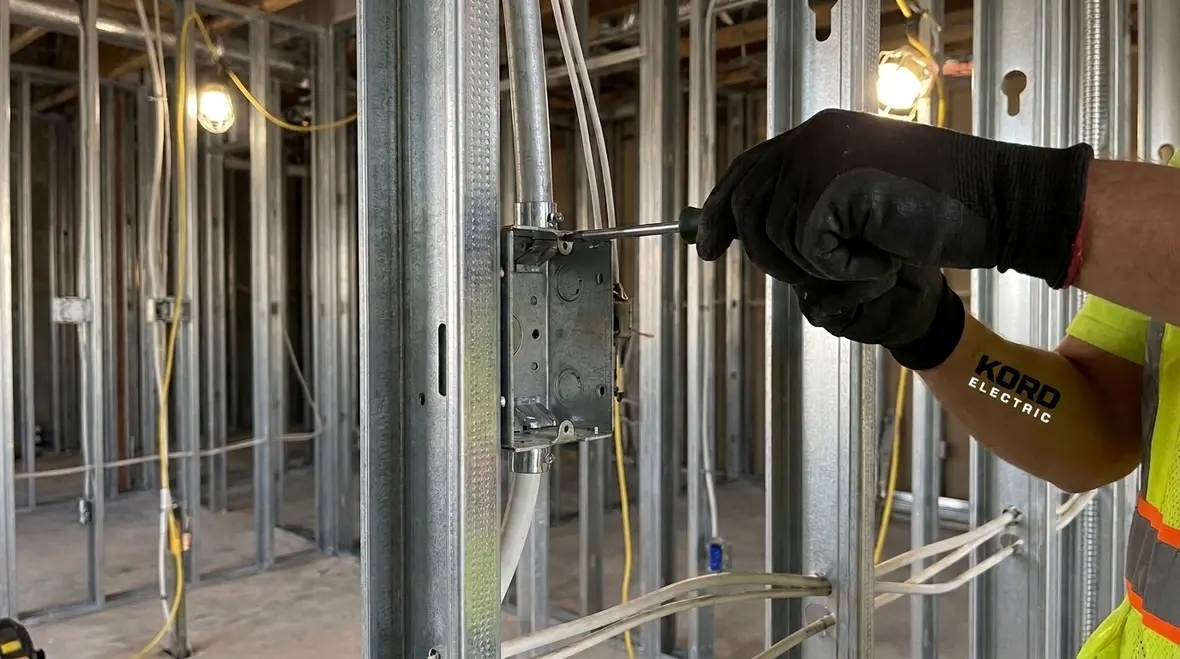
NEC Flush Device Boxes and NFPA 70 Section 314.19
Kord Electric understands that commercial and industrial jobs do not wait on guesswork. That is why, when we discuss NEC flush device boxes, we start with the practical truth: the box you install today must support the device you will depend on tomorrow. In this article, our expert service staff explains the key ideas behind NFPA 70 Section 314.19 and what it means for flush mounted devices in major property buildings. Now, you can think of it like a power tool with a safety guard. It is not there to look nice. It is there so the job holds up when real life shows up, because real life has a sense of humor and it rarely tells jokes in advance.
For facility teams mapping code strategy, it also helps to zoom out. NFPA 70 does not live in a vacuum. Sections like 314.19 sit alongside broader rules that shape how buildings handle power, protection, and long term reliability. If you want a structured walk through of the bigger picture, Kord Electric’s own resource on what NFPA 70 is and how the National Electrical Code behaves in real buildings gives extra context before you zoom back into device box details.
What NFPA 70 Section 314.19 requires for flush device boxes
NFPA 70, also known as the NEC, lays out rules that keep electrical work predictable and safe. In Section 314.19, the code addresses flush device boxes, meaning enclosures built so devices sit nearly even with the finished wall surface. We see these in offices, schools, hospitals, warehouses, and other major property buildings where neat lines and solid installation matter.
In plain terms, the NEC pushes for boxes that fit flush with the building finish and still stay strong through daily wear. Therefore, installers must use boxes and openings that match the intended device, cover, and wall type. If a box sticks out, the device cover may not seal right. If the box sits wrong, the device may loosen over time. Then, maintenance teams end up chasing “mystery” failures that started as simple alignment issues. And yes, we have watched a few of those turn into longer outages than they should have. Nobody wins.
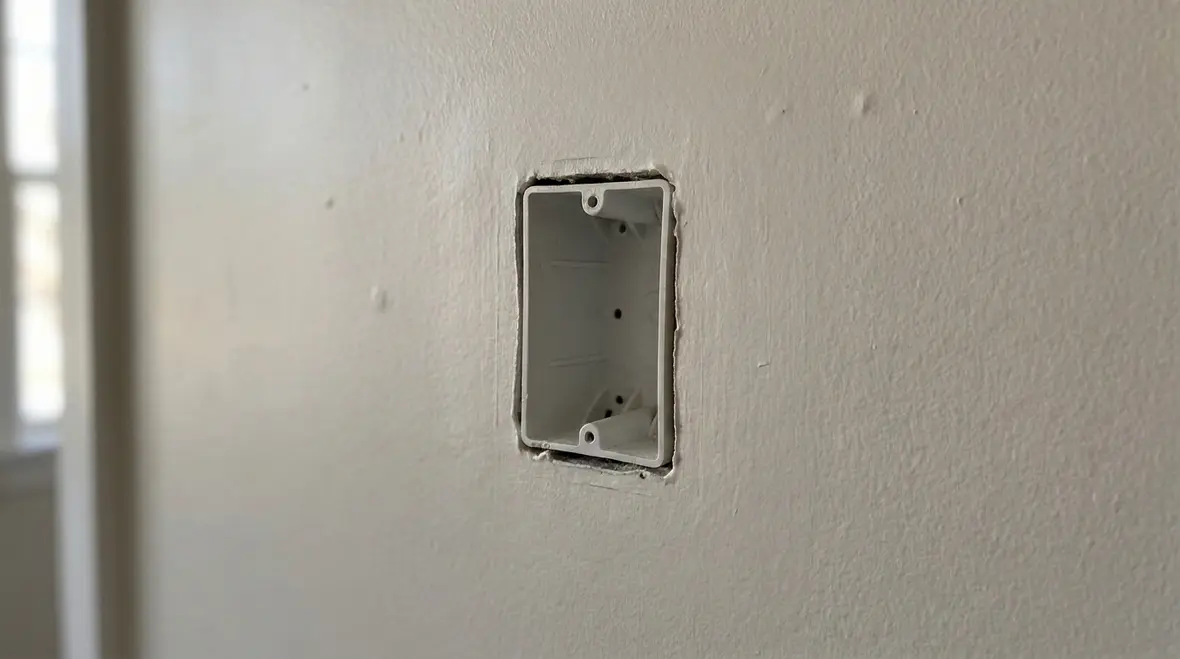
In practice, NFPA 70 Section 314.19 tries to remove surprises. It expects the finished device, its box, and the surrounding wall surface to work as one assembly. That way, when a tenant leans on a switch plate, a cart bumps a receptacle cover, or maintenance removes a device for testing, the box does not shift, crack, or strip out. The intent is simple: your building should not develop electrical “soft spots” just because the wall finish changed or someone rushed the rough-in.
Materials, mounting, and depth: making flush devices truly flush
Commercial and industrial environments add stress. Walls get touched, cleaned, repaired, and sometimes hit by maintenance traffic. As a result, flush mount systems must maintain position and strength. Our technicians focus on three areas during layout and install: material choice, mounting support, and correct box depth.
First, materials must match the wall and environment. Next, mounting must hold the box securely to the structural and finish system behind the wall. Then depth becomes the make or break step. The finished device needs a predictable set point relative to the cover plate or device trim. If the box sits too deep, the device trim can look wrong or not sit tight. If it sits too shallow, the device may protrude, which creates a weak fit and harder cleanup. Consequently, our expert service staff often explains that the box is not just a container. It is a precision platform.
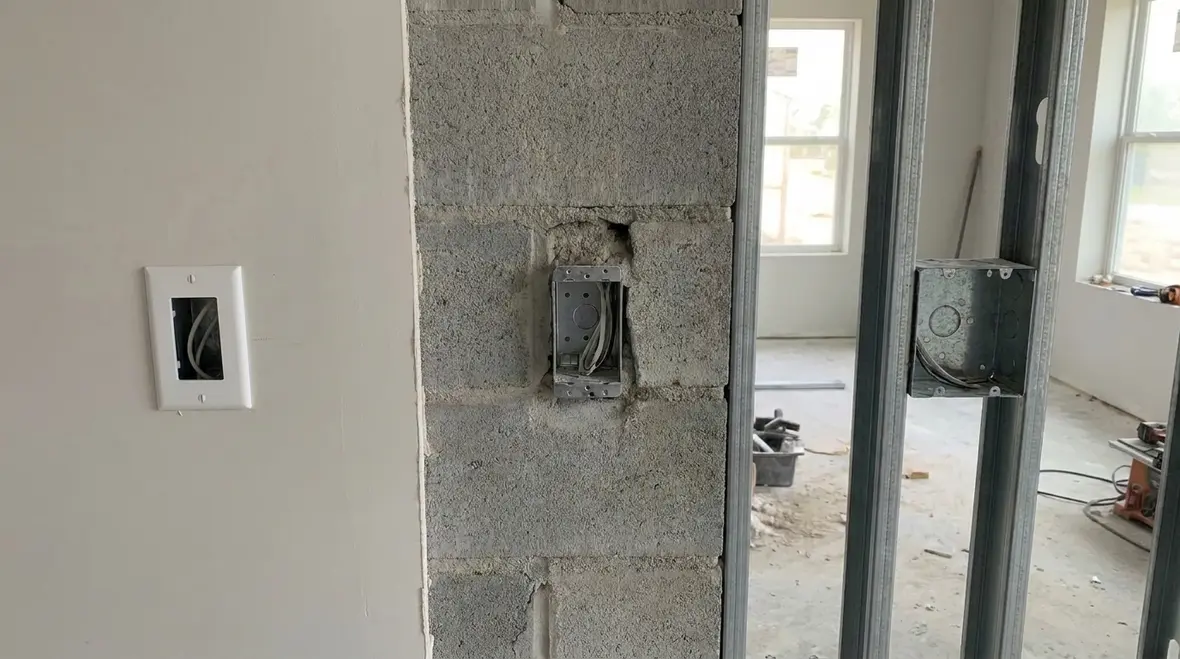
Depth also sets the stage for future work. When walls are patched, repainted, or resurfaced, a correctly planned box still lets devices land in the right place. When that planning is missing, every change to the wall finish becomes a small project for the electrical team. We prefer the opposite. Get the depth right one time, and future tenants, paint jobs, and remodels can move ahead without turning a simple device change into a fishing expedition behind the drywall.
Choosing the right box style for commercial and industrial walls
Different wall systems need different installation thinking. Therefore, when we support commercial and industrial facilities, we ask the building team what the wall is made of and what finish comes next. We then align the box type with that plan.
In most projects, flush device boxes appear in drywall partitions, masonry walls, metal stud assemblies, and other common commercial setups. However, the details matter. We confirm the box size for the device, the cover requirements, and the expected finish thickness. If the finish uses multiple layers or heavy coatings, depth planning becomes even more important. Otherwise, the device cover may not close properly, and that can lead to gaps that let dust or moisture find their way. Even in “dry” buildings, dust still wins.
At Kord Electric, we do not just install and leave. Instead, we coordinate with the trades on site so the electrical rough-in matches the final wall schedule. In doing so, we reduce rework time and keep your project moving.

This is also where NEC flush device boxes have to match the bigger electrical design. For example, when owners plan dedicated equipment circuits or specialized loads near a wall, we coordinate box selection with conduit size, conductor count, and future access. In buildings that follow advanced NEC planning, including load rules and service equipment barrier concepts from related NFPA 70 sections, the flush boxes are part of a larger reliability plan, not an afterthought stuck in at the end.
Conduit and wiring considerations that support code compliant boxes
When teams talk about flush device boxes, they sometimes stop at the box itself. Yet NEC compliance depends on how the entire system interacts. That includes conduit entry, wire routing, and how the wiring manages strain and bending at the device location.
We take a deliberate approach. First, we route wiring so it does not force the device when the cover mounts. Next, we ensure conduit connections land correctly and do not leave stress at the box wall. Then we verify that the conductor length and slack match the device termination method. Finally, we check that the device can seat without fighting the box.
Why does this matter? Because a flush cover should close smoothly and evenly. If wiring pushes against the device, you can get poor alignment, loose screws, or damaged insulation over time. Additionally, in commercial and industrial facilities, vibration, cleaning cycles, and building movement can amplify small installation errors into larger problems. Our technicians treat these areas as part of the same story, not separate tasks.

We also pay attention to how NEC flush device boxes interact with future upgrades. As facilities add new technology, tenant equipment, or building systems, the wiring behind finished walls often becomes more crowded. Clean routing and strain relief today give maintenance teams room to work tomorrow, so the first minor repair does not require a full device box rebuild in the middle of a busy shift.
Common installation mistakes we prevent on major property buildings
Real jobs generate real shortcuts, and shortcuts have a way of coming back. Our expert service staff has seen the most common errors that affect NEC flush device boxes performance and code compliance. Here are the issues we work to prevent.
- Wrong box depth for the planned wall finish, which causes misaligned device trim and weak sealing.
- Loose mounting in stud or partition systems, which leads to wobble and worn screw holes.
- Improper box type for the wall system, where the box cannot remain secure through finish work and future maintenance.
- Conduit and wiring pressure that pushes the device off its seating point.
- Cover mismatch where the trim or plate does not fit the box opening as intended.
Now, let us be fair. Sometimes these problems do not come from negligence. They come from missing details during planning or from field changes that happen after rough-in. However, we cannot build success on hope. Therefore, we verify field conditions early and we keep communication tight across trades.
The same mindset shows up in other NEC-focused work. Whether we are planning specific purpose load calculations, reviewing service equipment barriers, or helping a facility team understand enforcement under NFPA 70, we approach every section as a practical checklist, not abstract theory. Section 314.19 is no different. It is there to keep device boxes behaving the way the code expects, even when walls, occupancy, and equipment change over time.
How we document compliance and support ongoing facility needs
Commercial and industrial owners need more than an install. You need proof, clarity, and service readiness. After we complete work, we help your team understand what we installed and where. We also explain how the system should look and how to spot problems early, because the sooner you catch a fault, the less it costs.
In this phase, our technicians focus on inspection readiness and clear labeling. We confirm that devices sit properly with correct trim alignment and that the wall finish does not interfere with the cover or seal. We then coordinate maintenance expectations with your operations team so future service visits do not turn into scavenger hunts.
And yes, we will say it once, clearly: electrical work is like plumbing, except with more paperwork and fewer fish. The right documentation matters. It keeps facilities teams calm during audits, renovations, and tenant changeovers.
For larger properties, that documentation also connects to broader programs such as preventive electrical maintenance and emergency electrical response. When our crews return to a site for troubleshooting, upgrades, or Los Angeles County electrical services, well-documented NEC flush device boxes make it faster to isolate issues, verify code alignment, and keep downtime under control.
Dual column guide: fast checks before final close up
What we check |
Why it matters |
Box depth matches wall finish plan |
Device trim seats correctly and stays secure over time |
Mounting holds the box rigidly |
Prevents wobble and protects terminations from stress |
Conduit entry does not damage or stress the box |
Reduces risk of insulation wear and weak connections |
Wiring allows smooth device seating |
Keeps screws aligned and prevents cover misfit |
Cover plates and device trims match the box opening |
Supports proper finish and helps maintain an even flush look |
Our teams treat this dual column as a living tool. It shows up in pre-cover walk-throughs, commissioning checklists, and maintenance planning sessions. Over time, it also gives facility managers an easy way to train internal staff on what “right” looks like when they glance at a flush device box in the field.
FAQ: flush device boxes and NFPA 70 Section 314.19
For teams who want to connect these answers with other NFPA 70 topics, it often helps to review how enforcement, load calculations, and service equipment rules interact with everyday field work. That way, Section 314.19 is not just a line in the book. It becomes part of a full NEC strategy that keeps real devices behaving the way the drawings promised.
Final call to Kord Electric for NEC compliant flush installs
When a facility team wants a dependable result, we do not recommend guesswork. Kord Electric brings experienced technicians, clear explanations, and field focused planning for commercial and industrial facilities and major property buildings. If you need help with flush device boxes, rough in coordination, or inspection ready documentation, we can support your project from planning to close up. Reach out to us today, and let us help your electrical work stay calm, code minded, and built to last.
If your property spans multiple sites or complex occupancies across the region, you can also connect this work with our broader Los Angeles County electrical services for commercial and industrial buildings. That way, NEC flush device boxes, power distribution, and preventive programs all move in the same direction instead of fighting each other project by project.
And when you want to tie Section 314.19 into the wider 2026 National Electrical Code picture, our companion resources on NFPA 70, including the in depth explanation of the National Electrical Code for 2026, make it easier to see how every box, circuit, and barrier fits into one consistent story: predictable power, fewer surprises, and facilities that stay ready for the next tenant, the next audit, and the next workday.


