

NEC Box Surface Repair With NFPA 70 314.21 Intent
Kord Electric handles NEC box surface repair the right way, especially when a box location needs a noncombustible surface after damage. In practical terms, we help commercial and industrial facilities keep electrical installations compliant, safe, and ready for inspection. And while the NEC may look like a massive rulebook written by someone who never spilled coffee on a jobsite, we treat it like a tool, not a threat. Our expert service team explains the intent behind NFPA 70 Section 314.21, then applies it with clean workmanship and careful documentation.
Because we work with major property buildings, we do not guess. Instead, we verify conditions, repair only what is needed, and follow the logic the code spells out. That means less downtime, fewer surprises, and repairs that actually hold up after the paint dries and the cameras stop rolling.
What NFPA 70 Section 314.21 really requires
NFPA 70 Section 314.21 focuses on how you repair or finish a surface around electrical boxes so the final condition stays noncombustible. In other words, when a box area gets damaged, we cannot simply “make it look okay” and move on. The standard expects the repaired surface to match the noncombustible requirement, so the assembly does not become a weak link.
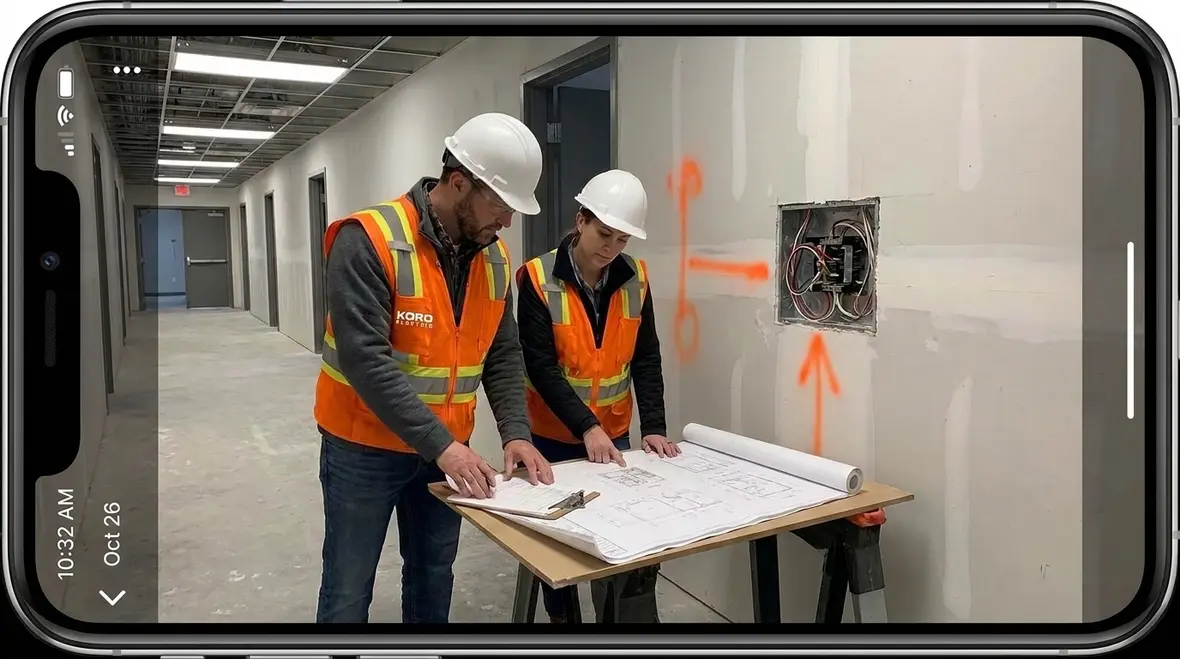
Our technicians approach this like a systems problem. First, we confirm what material the box is installed in, and then we identify what changed due to a cut, patch, or removal. Next, we select a repair method that restores the noncombustible character of the surface. After that, we check the box itself, along with clearances and the condition of the installation. This sequence matters, because the code intent goes beyond cosmetics.
Also, if you have ever watched a patch job peel off a wall like a bad sticker in a heat wave, you already understand the stakes. The code does not want that. It wants repairs that stay stable, do not ignite easily, and do not create hidden failure points.
How noncombustible repair connects to real jobsite safety
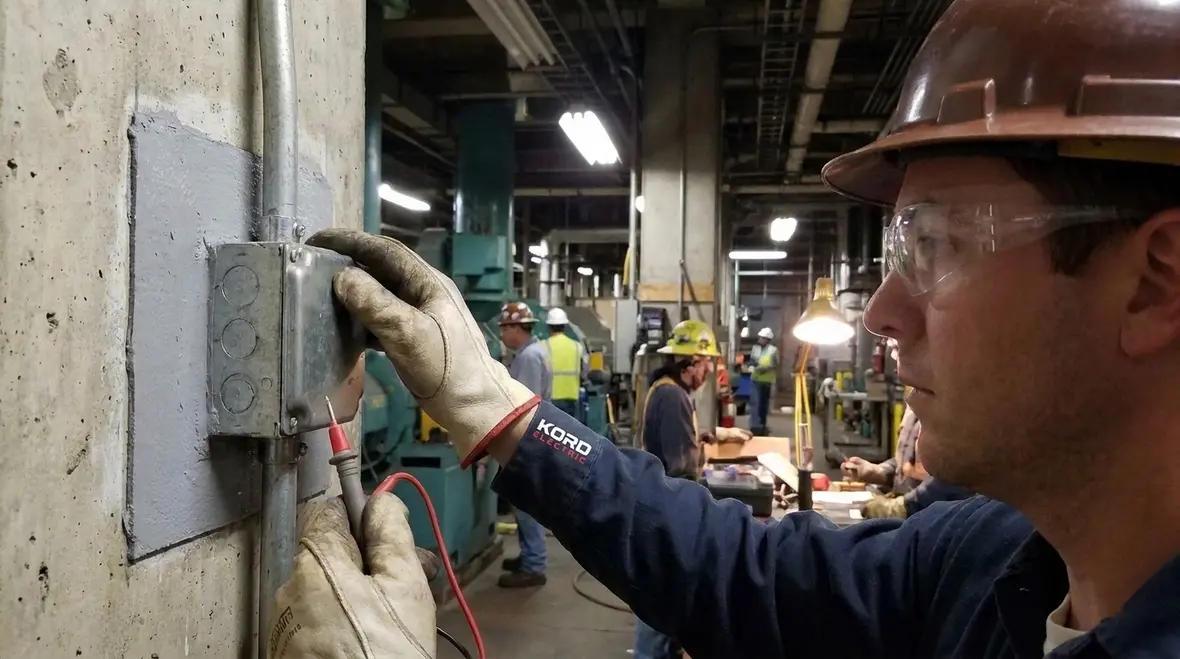
When we talk about noncombustible surface repair, we mean something measurable. A damaged area around an electrical box can expose combustible materials or allow heat and flame to travel where it should not. Therefore, a proper repair helps limit fuel sources and supports safer outcomes if a fault occurs.
However, the real-world danger often shows up in boring ways first. A patch may leave gaps. A repair may cover the wrong material. Or a contractor may apply a finish that looks solid but does not meet the noncombustible expectation. Then a small issue becomes a bigger one during inspection or after a power event.
Our expert service staff explains these links in plain language. They show what typically fails: mismatched materials, improper bonding, and repairs that do not follow the original construction plan. Then they correct it. And because many facilities run on schedules, we coordinate access and minimize disruption, which is especially important for commercial and industrial locations where downtime costs real money.
NEC box surface repair planning for commercial and industrial buildings
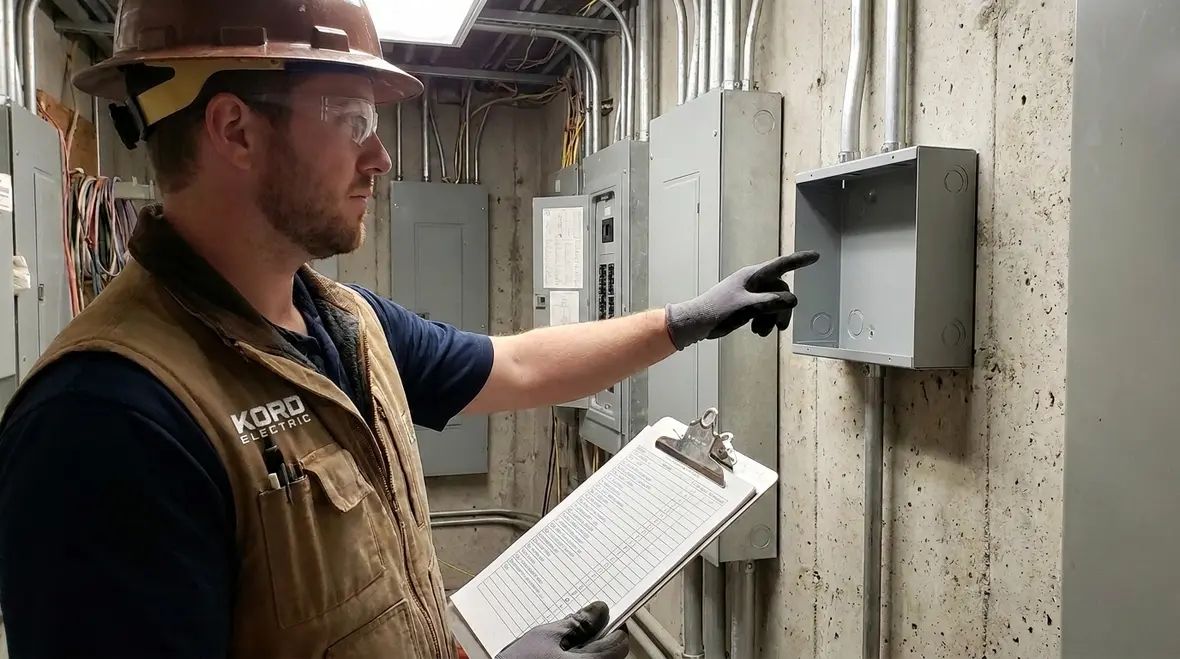
Planning is where the work gets calm and controlled. First, we review the building type and the way the boxes were originally installed. Then we document the damaged area, including the surrounding materials. After that, we map the repair path so the final surface meets the noncombustible expectation without disturbing unrelated systems.
Next, we coordinate with the site team. We ask simple but important questions about access, ongoing operations, and any areas that require protection during construction. Then we set expectations for inspection-ready results. In many cases, we also plan for clean edges and proper finishes so the repaired zone does not stand out like a “temporary” solution that never became permanent, because those never end well. Pop culture taught us that. Temporary always turns into “forever” with extra steps.
Meanwhile, our technicians focus on workmanship details that inspectors look for. They verify that the box remains securely mounted, check that the repair method does not interfere with fittings or wiring compartments, and confirm that the repaired surface provides the needed noncombustible characteristics.

Step by step: what our technicians verify during NFPA 70 compliance
To make sure a repair truly aligns with NFPA 70 Section 314.21, we follow a field-first method. We do not treat compliance like paperwork. We treat it like physical reality.
- We inspect the box condition to confirm the installation remains sound and that no damage changes the integrity of the enclosure.
- We identify the surrounding materials to determine what needs to be restored for noncombustible performance.
- We assess the damage boundaries so the repair does not cover areas that should stay intact or leave combustible exposure behind.
- We select a repair approach that restores the noncombustible surface condition, using materials and methods that match the code intent.
- We verify the finished result so the repaired area looks correct and performs correctly when tested through real-world conditions.
- We document the work so your facility can support inspection needs with clear, accurate records.
At this point, we usually explain the “why” to the site team. That is where our expert service staff shines. They translate code language into practical steps, so stakeholders know what we did and why it matters. And when someone asks, “Can we just cover it?” our answer stays professional. We can cover things, but we cannot cheat physics or the requirement for a noncombustible surface.
Common mistakes we see during box surface repairs
Facilities spend a lot of time planning upgrades, so it is frustrating when repairs fail because of preventable errors. We see the same patterns repeatedly, and we help teams avoid them early.
First, some crews focus only on the box location and ignore the surface performance. They patch quickly, and the repair may not restore noncombustible characteristics. Next, some people use mismatched materials that bond poorly or degrade over time. Then, during inspection, the issue becomes obvious, and suddenly your repair turns into a rework project.
Another mistake involves rushed boundaries. If the damage includes more area than expected, a narrow repair may leave combustible exposure. In addition, contractors sometimes disturb nearby finishes or cable routing, which creates new problems. Finally, inadequate documentation slows down approvals, and that delay costs more than the material savings ever did.
To keep it clean, we work with a methodical pace. We measure, verify, and repair with intention. Then we coordinate so the site keeps moving, because in commercial and industrial facilities, “one small fix” can quickly become a long outage if the plan falls apart.
Compliance support beyond the repair work
At Kord Electric, we know that NEC box surface repair does not happen in isolation. Major property buildings need ongoing electrical reliability, and they need proof that the work supports code intent. Therefore, we help teams connect repair decisions with broader compliance goals.
We also support the kind of planning that helps avoid repeated problems. For example, when a facility experiences frequent damage in the same areas, we help identify patterns and discuss safer installation and maintenance practices. We align repair approaches with how the building operates, because industrial sites often face movement, maintenance traffic, and mechanical work that can impact surfaces around electrical equipment.
Additionally, we coordinate our work to fit your schedule. We focus on commercial and industrial facilities, including major property buildings, so we understand the constraints: safety access, operational continuity, and inspection timing. And while we may sound calm, our technicians work with a steady urgency, because code compliance does not care about anyone’s lunch break.
Regional code context and where guidance matters
Electrical standards often connect to other local requirements, and we respect that reality. The NEC is the baseline, but project specs, local amendments, and inspection practices can add details. That is why we follow the NEC guidance closely and verify expectations with the site and inspection process.
If you want to explore more on how the NEC is organized and how it applies to real installations, we reference our educational resources and partner guidance from industry-focused code explainers, including content available through KordFire and Kord Electric. For a deeper orientation, you can review our guide Understanding NFPA 70: The National Electrical Code Explained for 2026, along with related NFPA 70 explainers from KordFire that connect electrical planning to fire and life safety thinking.
Then, on the job, we make the guidance operational. We do not just cite rules. We implement them with repair methods that restore what matters most: a noncombustible surface around the box, consistent with the standard.
FAQ
Call Kord Electric for inspection-ready repairs
If your facility has box damage, Kord Electric helps you handle it with the right NFPA 70 intent in mind and the workmanship to back it up. Our technicians and expert service staff explain the plan clearly, complete the repair with noncombustible surface performance, and document the work for smooth inspection review. So instead of betting on luck, we build confidence. Contact us today to schedule an assessment for your commercial or industrial property.
For facilities across the region, we also support broader code-driven improvements that go beyond the wall around a single box. When projects involve upstream distribution, feeders, and building systems that tie into your repaired areas, our team can coordinate with NEC-focused planning resources like our branch circuit and feeder sizing guides, as well as NFPA 70 scope explainers. And when you need a partner who can continue the work beyond localized damage, our Los Angeles County electrical services team delivers comprehensive, code-informed support for commercial and industrial properties.
If you are also working through broader NEC questions about scope, load calculations, or how future upgrades might change your risk profile, you can pair this discussion with our other educational material, including articles that explore general requirements, branch circuits, feeder minimum ratings, and application scope. Together, those guides and our field work give your facility a consistent, NEC-aware path from the damaged box surface to the rest of the electrical story.
When you are ready to move from “we hope this passes” to “we know this is ready,” our technicians step in with calm, repeatable processes. NEC box surface repair becomes part of a larger safety and reliability strategy instead of a one-off patch. That is how we keep commercial and industrial buildings aligned with NFPA 70, inspection-ready, and prepared for what comes next on the project calendar.


