
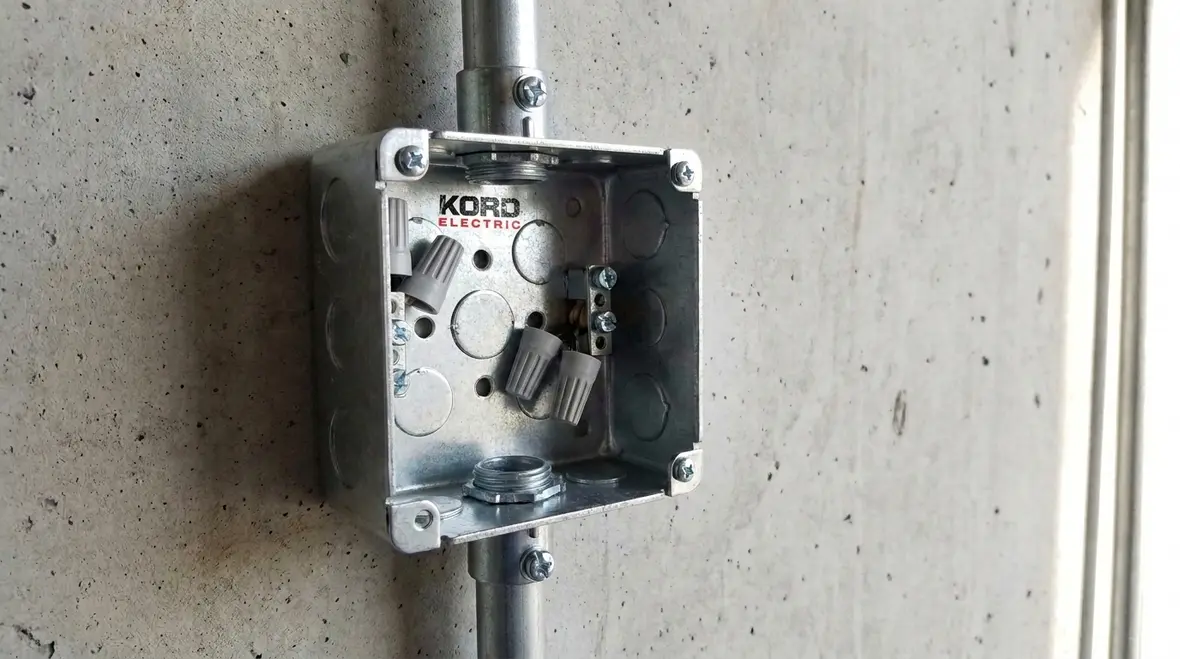
Secure NEC Box Attachments with NFPA 70 Section 314.7
At Kord Electric, we keep commercial and industrial facilities running safely, and we do it the boring way that prevents exciting disasters. In the first hundred words, we will say it plainly: NEC box screws fasteners matter, especially under NFPA 70 Section 314.7. When a wiring box is mounted with the right fasteners and screws per the NEC, the box stays put when the building settles, when crews pull cable, and when inspections come knocking like a friendly villain from a sitcom.
Others may treat box hardware as a minor detail, but we treat it like a system component. And yes, our technicians explain things in clear terms, because a facility manager should not need to decode a wiring diagram like a secret message from a movie spy.
What Section 314.7 covers for box fasteners and screws
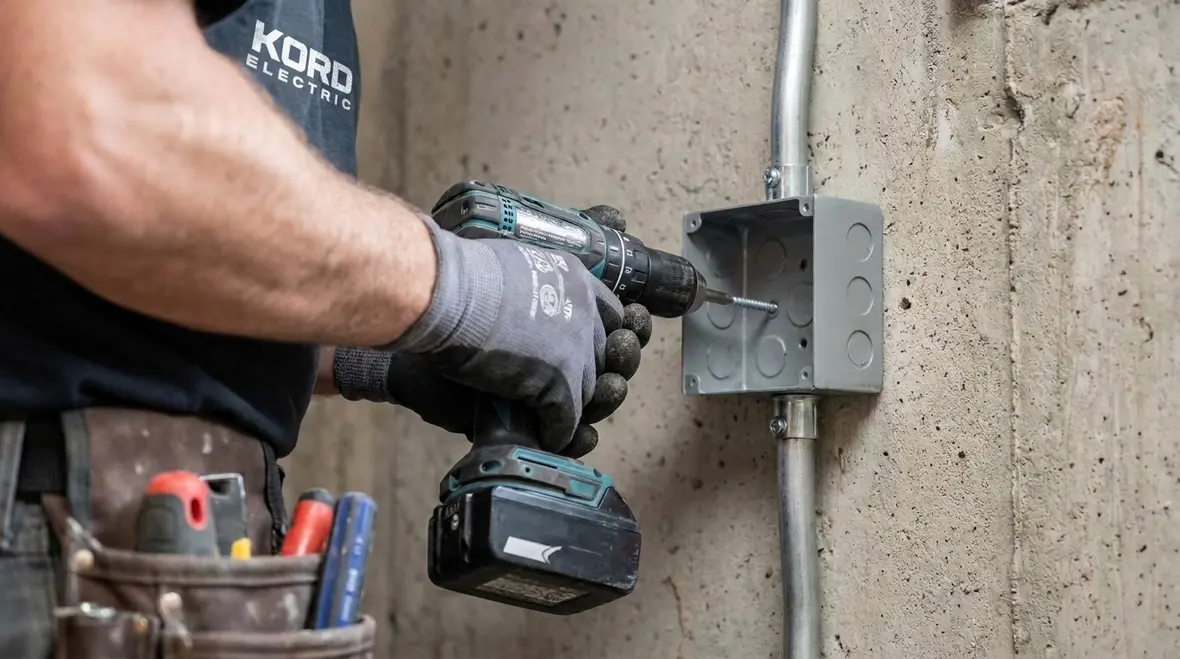
NFPA 70 Section 314.7 focuses on how you fasten wiring boxes and how you select screws and fasteners so the boxes remain secured. In other words, it sets practical rules for installation hardware, not just the box type. As a result, an inspector can look at the fastening method and judge whether the installation meets the NEC intent.
Section 314.7 ties into the broader NEC approach: conductors, boxes, and equipment must be arranged so they stay safe and accessible. Therefore, the fastener choice is not random. It depends on the box, the mounting surface, and the environment inside a commercial or industrial building.
Here is the key point our expert service staff repeats on site. When a box loosens, you do not just get a cosmetic issue. You risk strain on connections, damaged insulation at edges, and failed alignment that makes future troubleshooting harder. And troubleshooting is already hard enough, like trying to find your keys while someone asks, “So you remember where you put them, right?”
How we decide the correct screws and fasteners in the field
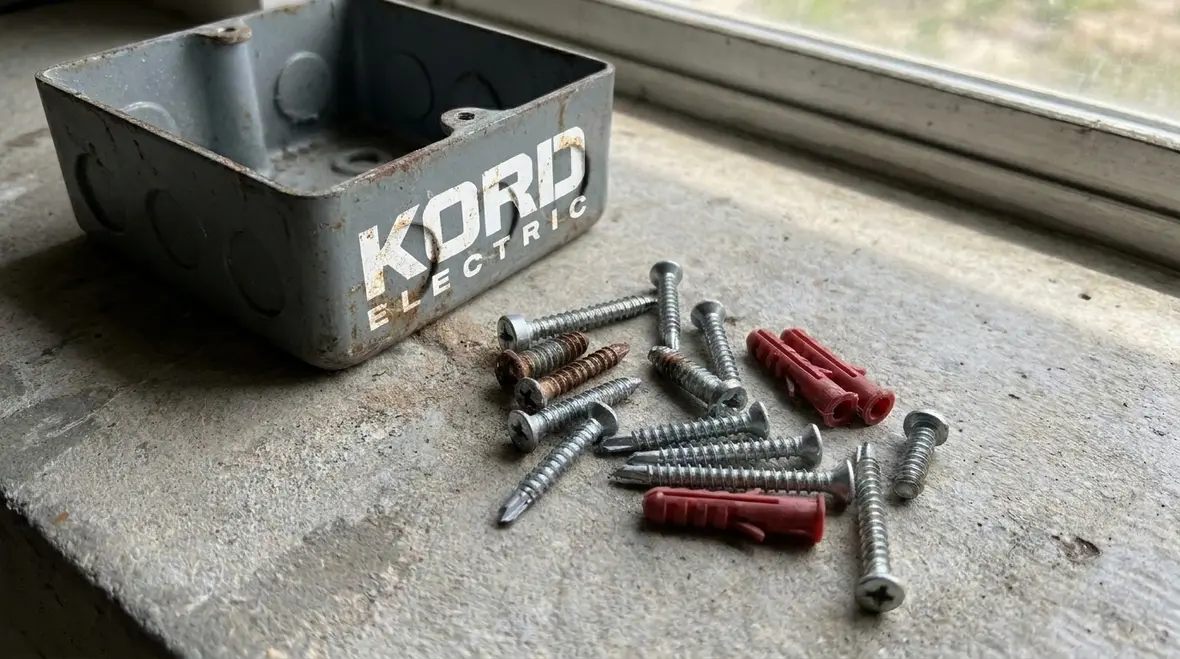
Our process starts with the construction reality. We do not “guess and hope.” Instead, we review the box manufacturer instructions, the mounting location, and the load the box will face. Then our technicians choose the right NEC box screws fasteners approach and the matching hardware that maintains the box’s security over time.
For commercial and industrial facilities, the most common problems come from mismatched installation methods. For example, some crews use the wrong screw size, or they use hardware meant for a different substrate. Others place too much reliance on friction or patchwork anchors. Consequently, the box can shift during wire pulls, ceiling vibrations, or later maintenance work.
We also factor in the building environment. Humidity, temperature change, and exposure to dust all influence corrosion risk and mechanical strength. As the NEC intent centers on safe installation, we treat the hardware as part of long term performance, not a one day installation task.
Why box movement creates hazards in commercial and industrial buildings
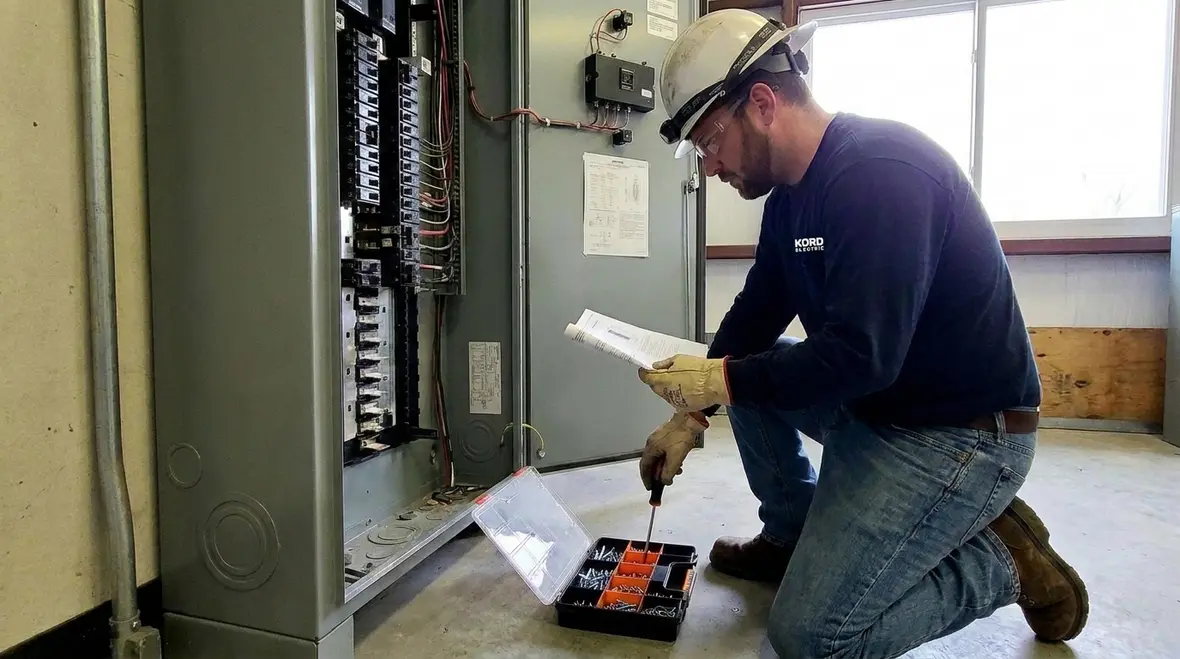
When a wiring box moves, several safety issues can follow. First, strain can travel to cable entries and conductor connections. Even small movement can loosen components over time, especially when a facility experiences frequent access for panel work, lighting changes, or data drops.
Second, misalignment affects how devices mount inside the box. If the box is slightly off level or rotates, terminals and device mounting can take extra stress. Then you get intermittent faults that cost far more than the right fastener ever would. We have seen facilities chasing “mystery” issues, and by the time we check the box fastening, it feels like finding the loose bolt after the engine has already started knocking.
Third, accessibility becomes harder. The NEC emphasizes practical access for inspection and service. If a box shifts into an awkward position, technicians spend more time working around it, and that time adds cost.
So yes, fastening hardware sounds minor, but it supports the safety chain. When we install correctly, we prevent small mechanical failures from turning into big operational headaches.

Best practices we teach to keep installations inspection ready
We train our technicians with a simple goal: make every box fastening decision defensible and repeatable. To get there, we use clear steps that align with how inspectors think during commercial and industrial evaluations.
- Confirm the box type before selecting fasteners. Different boxes and covers call for different mounting expectations.
- Match screw and fastener specifications to the mounting surface. For example, sheet metal, masonry, concrete, and structural steel do not behave the same way.
- Use proper torque and seating. Over driving can damage threads, while under driving can leave the box loose.
- Check cable support and box entry condition. If cable is pulled against a loosened box, the box will pay the price.
- Document what we installed for large projects. Clear notes help owners and future contractors.
Then, when questions come up, we do not hide behind jargon. Our technicians explain the reason behind the choice, whether it relates to mechanical strength, corrosion resistance, or long term stability. That calm clarity helps facility teams plan maintenance and avoid rework.
How NFPA 70 and NEC alignment shows up during inspections
Inspectors do not just look for compliance, they look for consistency. When NFPA 70 Section 314.7 requirements are met, the fastening method appears secure, correct, and appropriate to the installation conditions. In contrast, weak or improvised fastening methods stand out, especially in visible areas like accessible ceilings, equipment rooms, and wiring corridors.
Also, inspections often connect the dots. If a facility has loose boxes, you may also see signs of poor workmanship across other components. As a result, a box hardware issue can become a broader signal about installation quality.
At Kord Electric, we support commercial and industrial clients by coordinating safe installation practices across the job. This approach supports the electrical system as a whole, which matters to a property owner who wants fewer shutdowns and faster closeouts. Nobody wants electrical punch list items that feel like extra credits you never asked for.
For facility teams who want to zoom out beyond a single box, resources like Kord Electric’s guide Understanding NFPA 70: The National Electrical Code Explained for 2026 help connect these fastening rules to the broader NEC framework that shapes commercial projects from design through inspection.
Common mistakes we see with box hardware
Even skilled crews can make mistakes, especially under tight schedules. Here are patterns we often see in commercial and industrial settings.
- Wrong screw type for the box or mounting surface, which reduces holding strength.
- Using generic fasteners when project specs call for specific hardware.
- Overlooking corrosion conditions in humid or industrial spaces.
- Fastening boxes too loosely, then expecting the device yoke to hold everything in place.
- Skipping checks after cable pulling, even though the pulling force can shift a weak box.
Our team handles this with verification during installation, not just at the end. Furthermore, our expert service staff helps explain what went wrong when a prior installation fails, so teams can fix the root cause instead of repeating the same problem in a new area.
When box issues turn out to be only one part of a larger story, we often recommend pairing corrective work with broader system evaluations, using resources like Kord Electric’s commercial upgrade and compliance guides so fastening, routing, and protection decisions all line up with current NEC expectations.
FAQ: NFPA 70 Section 314.7 and box fasteners
Need help with NEC box fastening on your next commercial project?
We get it. Your team has timelines, budgets, and real work to keep moving. At Kord Electric, we support commercial and industrial facilities with expert installation and service, and our technicians explain the “why” behind every safe choice. If you want wiring box mounts that meet NFPA 70 expectations and stand up during inspection, contact us. We will review your installation approach, recommend the right fasteners, and help you close the job with fewer surprises.
For larger upgrades where box fastening is only one part of a broader scope, many facility teams also lean on Kord Electric’s Los Angeles County commercial and industrial electrical services to coordinate panel work, distribution changes, and NEC compliance so the entire system, not just the junction boxes, is ready for inspection and long term operation.
And when you need a deeper code backdrop alongside practical field decisions about NEC box screws fasteners, pairing this article with Kord Fire’s overview of NFPA 70 and Kord Electric’s own 2026 NEC resources gives your team a connected view of how fastening, wiring methods, and inspection criteria all fit together in one safety-first story.


