
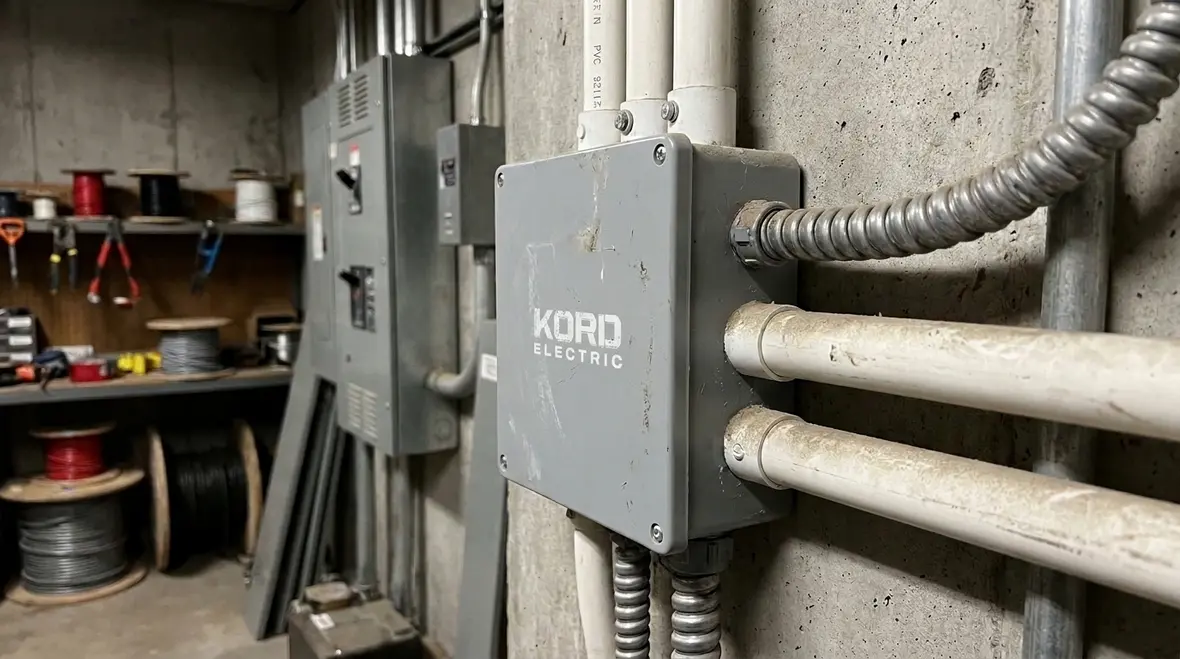
NFPA 70 Section 314.5 NEC Nonmetallic Boxes Guide
In our NEC nonmetallic boxes guide, we explain how NFPA 70 Section 314.5 treats nonmetallic boxes, and why that matters in real commercial and industrial spaces. Right away, we tell facility managers and electrical decision makers the same thing our expert service staff tells clients after the initial walk through: these boxes are not “just plastic.” They belong in the right locations, with the right wiring methods, and under the right conditions. Because if you install them like they are kitchen gadgets, they will respond like they are kitchen gadgets. In other words, they will not last when the job gets serious.
To keep things calm and clear, this article breaks down what NFPA 70 Section 314.5 expects, how we verify compliance on site, and how our technicians help teams avoid the kind of surprises that show up during inspections. And yes, we explain it in plain language, even if the NEC text reads like it was written by a robot trying to win a crossword contest.
Why NFPA 70 Section 314.5 matters to commercial and industrial sites
In commercial and industrial facilities, electrical systems live under real stress. They face vibration, heat cycles, moisture exposure, and heavy use. Therefore, the enclosure you choose affects safety, durability, and long term maintenance. NFPA 70 Section 314.5 focuses on nonmetallic boxes, and it sets requirements that help ensure those boxes support wiring systems reliably.
When we talk to our clients, we often hear the same concern. “Can we just use nonmetallic boxes anywhere?” No, and our technicians will say it directly. They will also show you how the code logic works in practice. For example, if an area has conditions that can damage materials, the code does not treat that like a “maybe.” It treats it like a design constraint.
In addition, Section 314.5 supports a key outcome. It helps maintain proper protection for conductors and connections. That means fewer failures, fewer call backs, and fewer days when a maintenance manager has to play detective in the ceiling.
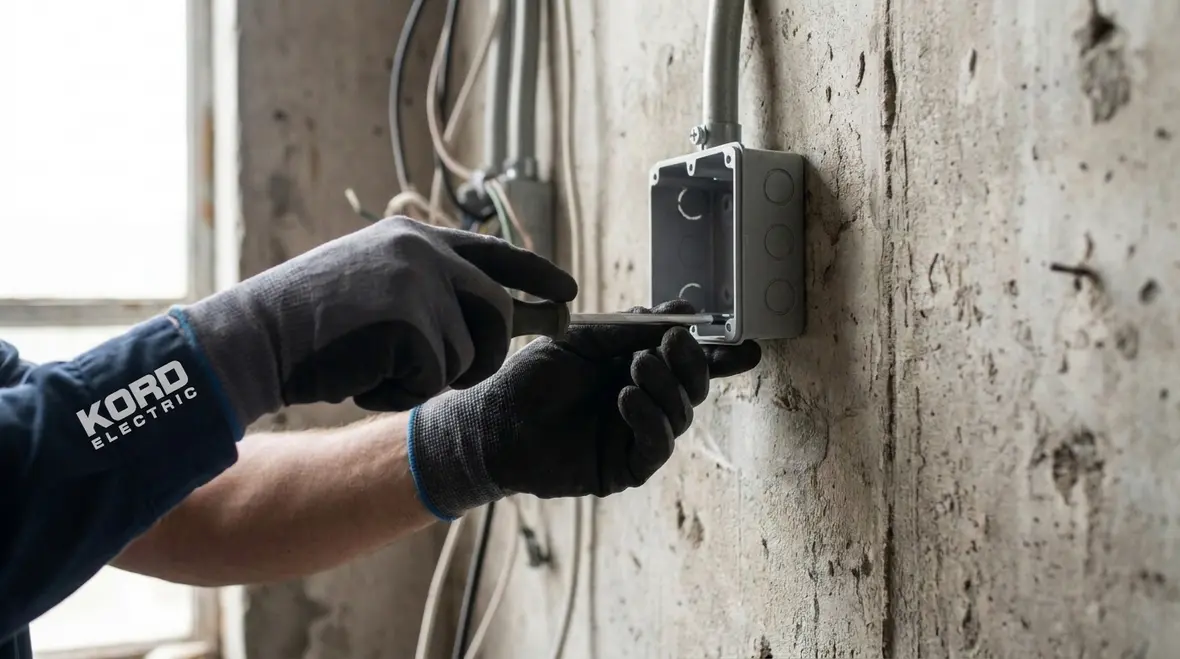
What the NEC nonmetallic boxes guide says about allowable conditions
Within our NEC nonmetallic boxes guide, we emphasize that Section 314.5 does not ask you to guess. It expects you to follow the rules tied to use, location, and installation practice. Then, we connect those rules to how crews work.
First, we help teams understand that nonmetallic boxes must be suitable for their environment. That includes how the box handles exposure to dampness, wet locations, and temperature effects where those conditions apply. Next, we make sure teams know that the box type, cover options, and accessory match the circuit design.
Then we add the practical part. Our expert service staff explains how installers should handle mechanical protection and strain relief. And we do not stop there. We also discuss what documentation to keep, because commercial property owners and major building operators want evidence, not just good intentions.
Finally, we remind decision makers of a simple truth. A box can look fine today and fail later if it was placed in an area where the NEC does not allow the materials. In short, Section 314.5 exists so “later” does not turn into “during an emergency.”
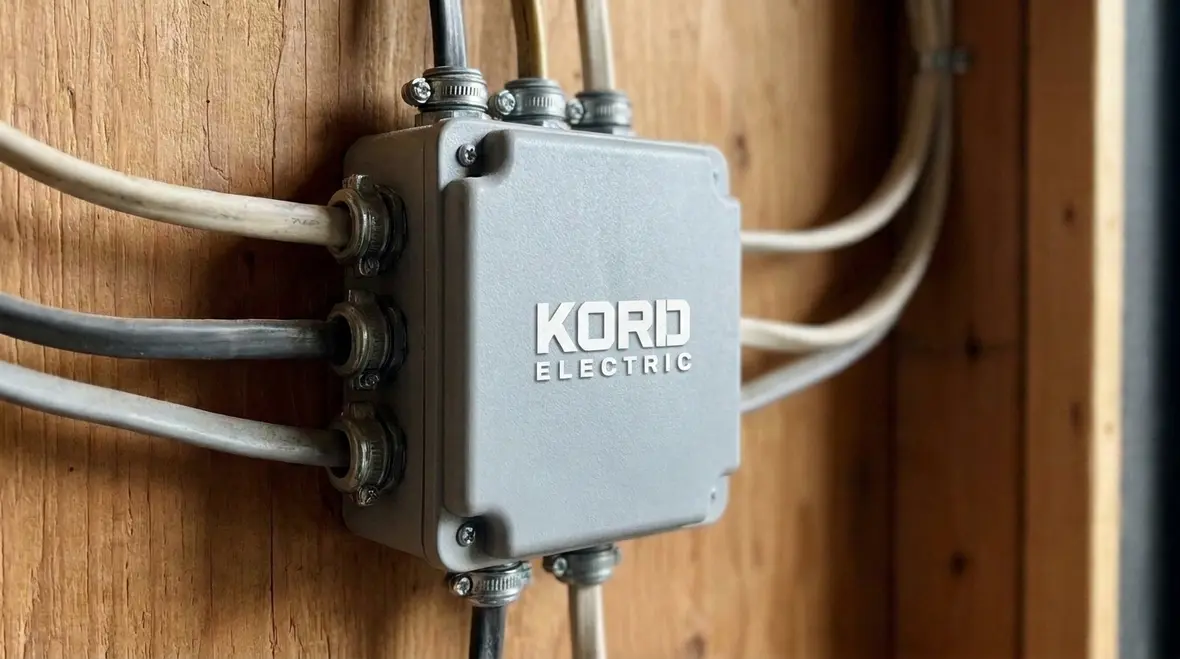
How nonmetallic boxes support wiring method safety and longevity
In the field, safety often depends on small details. Therefore, we look at how nonmetallic boxes interact with the rest of the system. That includes cables, raceways, fittings, and covers. We explain to teams that the box does not work alone. It coordinates with wiring methods so conductors stay protected and connections remain stable.
Our technicians also focus on mechanical strength and secure attachment. They check how boxes mount to surfaces and whether the installation method supports long term integrity. If a box loosens, stresses grow at terminations. Then, those stresses can raise resistance and heat over time. And heat, as everyone learns eventually, loves to turn “planned maintenance” into “unplanned downtime.”
In many commercial and industrial projects, teams also care about service access. Nonmetallic boxes can make future work easier when the system design supports it. However, the code still requires that the boxes meet the right conditions. So, we help the design team balance service access with compliance.
Installation best practices our technicians use to reduce inspection risk
Even when a design selects the right box, installation can still cause failure. So, we set expectations early and we keep them consistent.
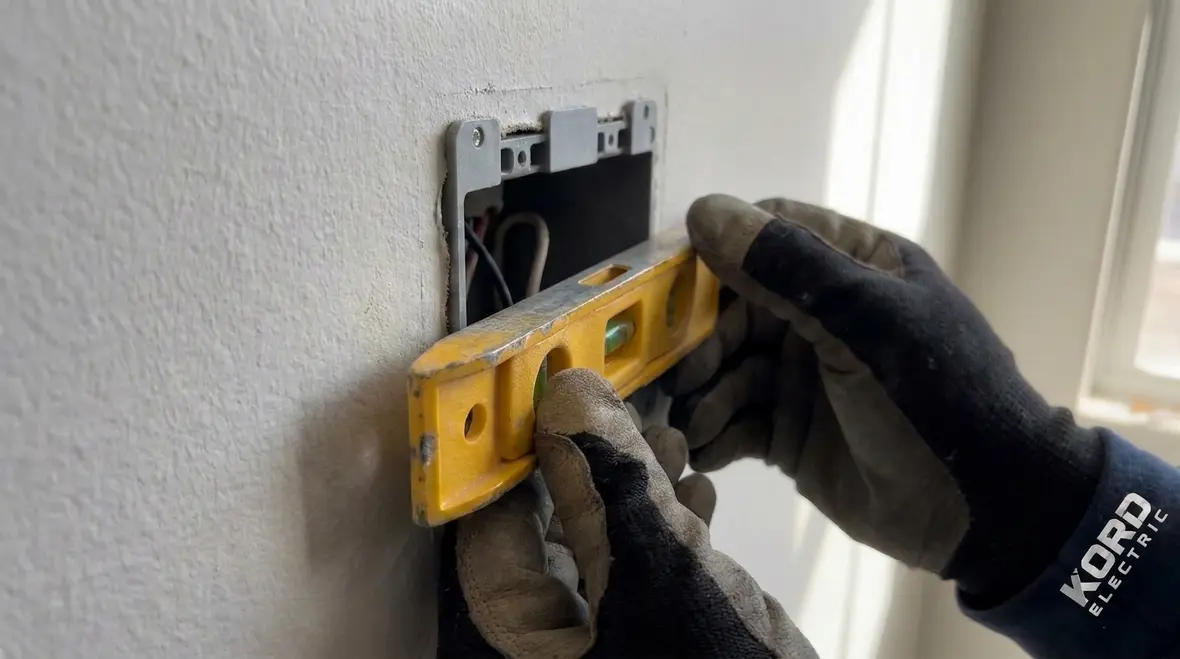
First, our technicians follow correct alignment and mounting. They ensure the box stays flush and secure, and they avoid practices that weaken the mounting surface. Next, they verify that covers, gaskets, and fittings match the installation location requirements. Then, they check that conduit or cable entry points do not force stress on the box.
We also train crews on neat work habits that pay off later. For example, properly supported cable routing reduces strain at the box. Meanwhile, clean connection work reduces the chance of loose terminations. And yes, we say this with a smile, because loose terminations are the electrical equivalent of leaving a hoodie in the rain and then acting shocked when it smells like a swamp.
After installation, we recommend a verification step before the inspector arrives. Our expert service staff can review the locations where nonmetallic boxes appear and confirm the system matches Section 314.5 expectations. This is not about drama. It is about reducing risk.
Common mistakes we see with nonmetallic boxes in major buildings
In commercial and industrial environments, teams often move fast. That is normal. Still, speed can create errors. We see the same mistakes often enough to name them, because prevention works.
One frequent mistake is assuming nonmetallic boxes can handle environments they are not rated for. Another mistake is using mismatched covers, fittings, or accessories in a way that undermines protection. Additionally, teams sometimes skip steps that ensure secure mounting. Then the box shifts, and over time, connections take the strain.
There is also a paperwork issue. Some teams install correctly but fail to document it. As a result, later troubleshooting becomes slower and more expensive. Therefore, we encourage property owners to keep installation records and product data tied to the NEC requirements used on the project.
We also caution against “field substitutions” without review. If a crew swaps materials on site, it can break the code intent. Our technicians will address this early, and they will explain the impact clearly. They do not hide behind jargon, because clients deserve direct answers.
How we connect code compliance with project planning and service
Our approach at Kord Electric for commercial and industrial facilities is simple. We connect code understanding to real project decisions. Therefore, compliance becomes part of planning, not a last minute scramble.
First, we support design and pre install discussions. When teams choose components, we help them match the nonmetallic box approach to the actual conditions in the building. Then, we coordinate expectations for installation methods and inspection readiness. Next, we provide service support that respects how facilities operate, including scheduling around production and minimizing downtime.
We also collaborate with partners when the system includes related fire and life safety elements. For property teams that need a broader code picture, resources like our connected education channels from Kord Electric and Kord Fire support decision making. In addition, teams that focus on pumps and related systems often find helpful technical context through firepumps.org. We do not replace your engineer of record, and we never pretend we do. Instead, we make sure the electrical side stays aligned with safe practices and the NEC approach.
For facility managers who want deeper background on the rulebook itself, our team also points to companion resources such as Understanding NFPA 70: The National Electrical Code Explained for 2026, which connects high level NEC direction to everyday decisions in commercial and industrial projects. That broader view makes it easier to see how Section 314.5 fits into the rest of the code story.
Finally, our expert service staff explains what to expect when inspectors arrive. They review the areas where nonmetallic boxes appear, confirm installation details, and explain how to correct issues without redoing the entire system. That is a calm way to handle a chaotic day.
FAQ about NFPA 70 Section 314.5 and nonmetallic boxes
Next steps for your facility: keep compliance steady
If your team plans new installations or upgrades in a major building, do not treat nonmetallic boxes like a last minute shopping choice. We at Kord Electric bring a calm, expert workflow: we review locations, confirm conditions, and align the installation with NFPA 70 expectations using our NEC nonmetallic boxes guide. Then we help your facilities stay inspection ready with clear explanations from our technicians and service staff.
For facilities across Los Angeles County and the surrounding region, our Los Angeles County electrical services team can also integrate Section 314.5 planning into broader upgrades, maintenance programs, and capital projects so your wiring methods, enclosures, and documentation all move in the same safe direction.
If you want to connect this discussion to the wider NEC framework, you can pair it with resources from Kord Electric and Kord Fire, including their NEC explainers and NFPA 70 overviews, so nonmetallic box decisions never sit in isolation from branch circuits, feeders, grounding, or life safety systems. In short, we help you move from guessing about “what the code probably wants” to knowing where your installation stands.
Contact us to schedule a compliance review for your commercial and industrial project, and keep your nonmetallic box strategy steady, documented, and ready for the next inspection cycle.


