
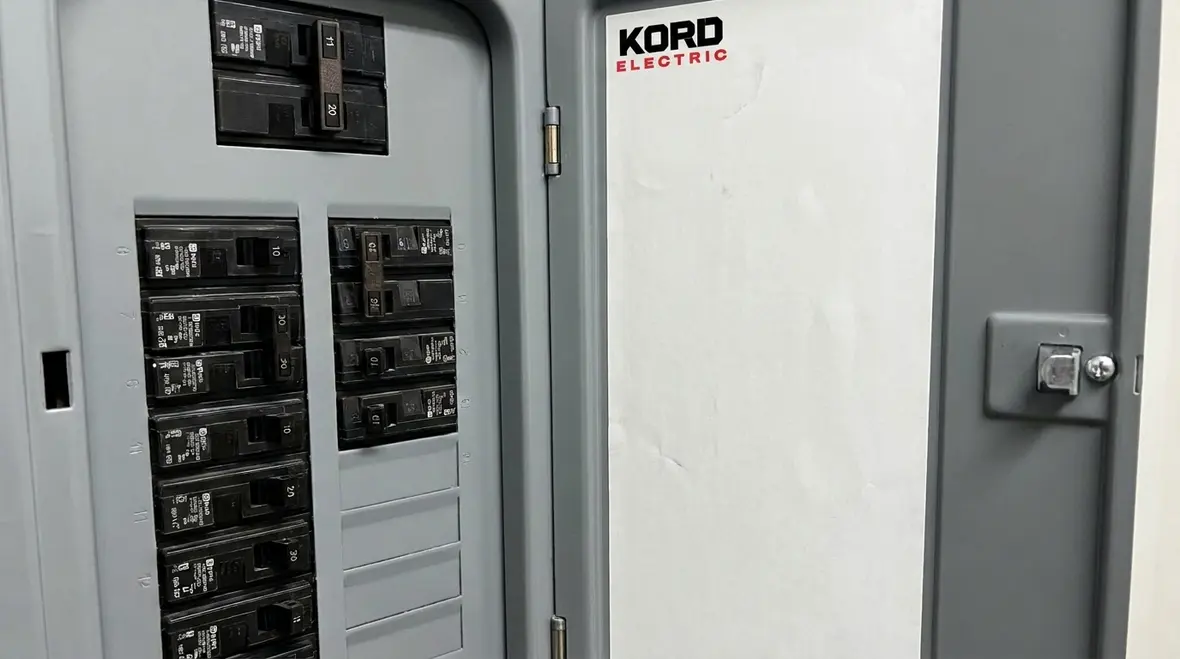
NEC Branch Circuit Identification Requirements 210.5
When people ask about NEC branch circuit identification requirements, we start by pointing to NFPA 70 Section 210.5, because that section sets the rule for how branch circuits get labeled at the panel. In the first place, the requirement is simple: the wiring has to be identified so that electricians and inspectors can trace it without guesswork. Next, we explain the practical side, the part that actually helps our technicians in the field. Our service experts show teams how to mark circuits clearly, keep the documentation current, and reduce the kind of mystery that turns troubleshooting into a game of “guess the breaker.” And yes, we have seen people treat breaker maps like collectible art. In commercial and industrial facilities, that approach gets old fast.
Why Section 210.5 matters on real job sites
In the commercial and industrial world, electricity does not wait for meetings to end, and it does not care about “we thought it was that one.” For that reason, Section 210.5 focuses on branch circuit identification in a way that supports safe maintenance, faster repairs, and more consistent inspection results. When we label circuits correctly, we help prevent accidental shutdowns, reduce wear on staff, and cut down on time spent tracing conductors through crowded equipment.
Moreover, proper identification supports coordination. Facility teams plan loads, electricians add circuits, and inspectors review what is actually installed. Therefore, consistent labeling turns your electrical system into something people can understand at a glance, not a sealed box of secrets.
Our technicians follow the NEC logic the way pilots follow checklists. They do not rely on luck. They rely on clear markings, correct routing, and understandable legends.
What NFPA 70 requires for branch circuit labels
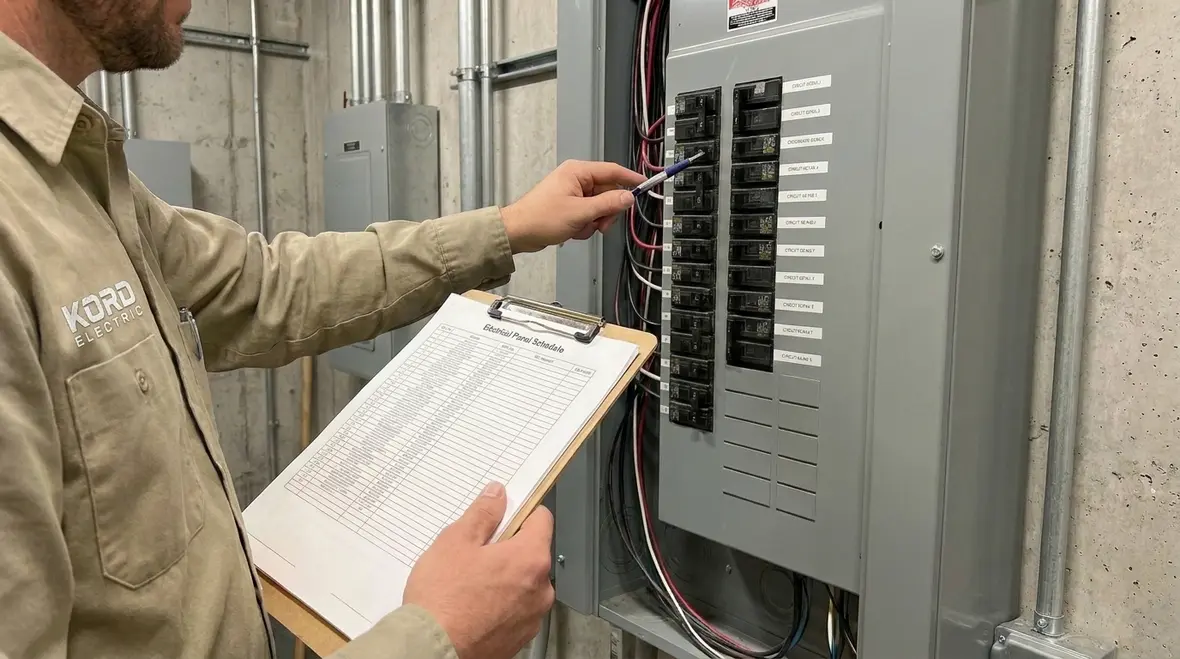
Section 210.5 requires that each branch circuit be identified at its disconnecting means, which usually means the panelboard or similar equipment where the breaker lives. In other words, when someone opens the cover, they should be able to locate the circuit serving a given area or load. The label has to match the breaker, and the breaker has to match the load as installed.
In practice, identification typically includes a circuit number or equivalent designation. Then, the label also describes what the circuit feeds, like lighting, receptacles, HVAC equipment, or a specific process load. For major property buildings, that description cannot be vague. “Office” without further detail can slow down troubleshooting. However, “Office East Wall Receptacles, Deck Level 3” helps everyone move with confidence.
Next, we tell clients the key idea: identification should stay accurate over time. When someone changes a layout, adds an outlet bank, or reroutes feeders, the label must update. If the physical wiring changes but the label does not, the labeling system stops being a guide and starts being a trap. And traps do not make anyone’s day better.
How we apply NEC branch circuit identification requirements in panels
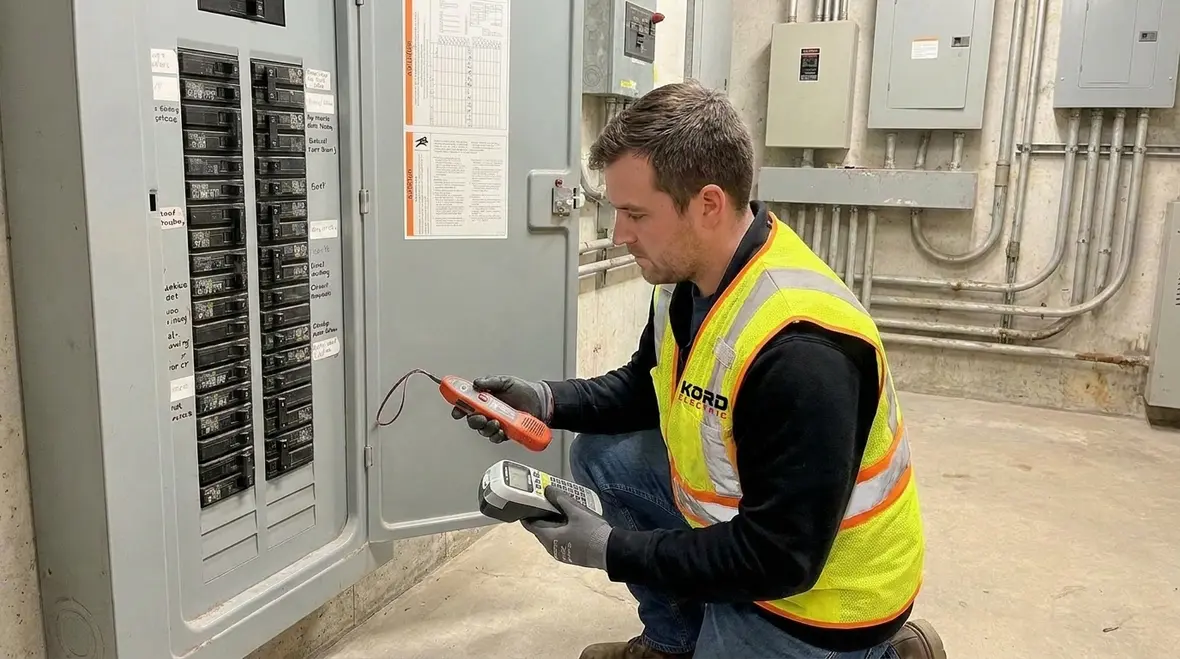
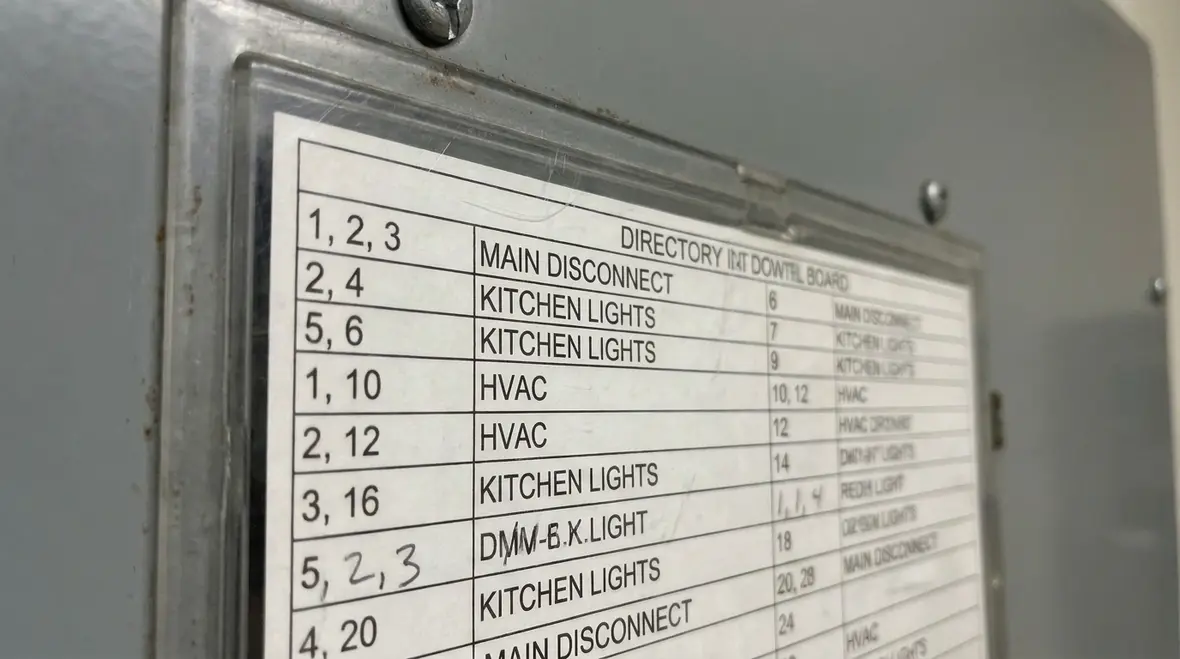
We handle this step like a build that needs to stand up after the first week, not just after the rough inspection. First, our team verifies what the breaker actually supplies, using test methods and jobsite documentation. Then, we confirm that the panel directory and breaker markings match the installed circuit functions.
After that, our technicians apply labeling in a consistent format. They consider how the facility staff will use the information during routine work. For example, maintenance electricians need fast reads. So we focus on clarity over cleverness. Meanwhile, engineering teams often want accurate descriptions for load tracking. So we keep the details useful without making the label unreadable.
Additionally, for multi-tenant or campus style setups, we ensure the identification supports site-wide coordination. Even though the rule targets branch circuits at the panel, the end goal is system understanding across the building. That is why our experts sometimes recommend a coordinated directory structure that aligns with how the building is organized.
Of course, you can label everything perfectly and still cause confusion if the label uses terms nobody recognizes. So we ask questions early, and we listen. Our service team explains the logic behind the labeling so staff can keep it correct long after we leave the site.
Directory accuracy, update habits, and common mistakes
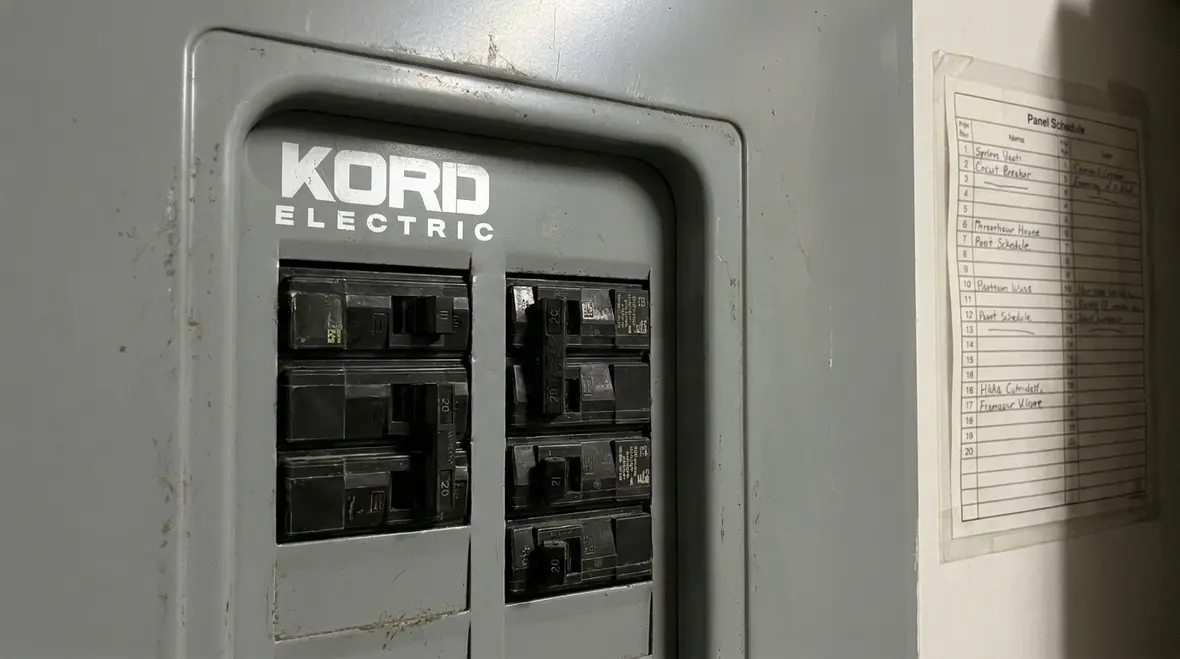
In our experience, the biggest failures do not come from a lack of labels. They come from labels that drift out of sync with the field. Therefore, we emphasize update habits as part of electrical maintenance and project closeout. When equipment changes, when renovations add loads, or when temporary power becomes permanent, we treat labeling as a living record.
Some common mistakes we encounter are easy to spot. A circuit gets labeled as “spares” but then gets reused without changing the directory. Or a breaker gets swapped during troubleshooting, and nobody updates the identification. Another classic issue involves copy paste directories, where someone updates one panel and forgets the adjacent one. Copy paste is great for spreadsheets, but it is not great for electrical safety. The NEC has a sense of humor that we do not want to test.
To avoid these problems, our technicians document changes and explain how to maintain labeling during future work. We also encourage facility teams to keep a simple process: review the panel directory when circuits get added or modified, confirm the match between the label and the breaker, and update accordingly. This reduces repeat visits and it keeps everyone aligned.
And yes, we do explain it slowly. Others may rush, but our expert service staff knows that people remember what they understand, not what they skim.
Special considerations for commercial and industrial facilities
Commercial and industrial buildings often include complex loads, multiple power systems, and lots of work orders. So labeling cannot only follow the letter of the rule. It also needs to support the reality of day-to-day operations. For example, production areas often have circuits dedicated to specific machines or lines. Meanwhile, office floors may blend lighting, receptacles, and data loads in ways that require careful identification.
Additionally, some facilities use panel schedules that get reviewed by operations teams, not only electricians. As a result, the circuit description needs to help non electricians make the right call for shutdowns and lockout. That helps prevent the “turn it off and hope” style of maintenance that we try to eliminate.
Furthermore, major property buildings often plan for expansions. Therefore, identification should anticipate growth. When possible, we recommend a numbering approach that leaves room for additions, and we help teams set conventions early so future work does not become a labeling scramble.
Where does our team bring extra value? We explain the reasoning behind the NEC branch circuit identification requirements in plain language, and we connect it to what inspectors look for. That means fewer surprises at inspection time and smoother coordination with contractors.
NFPA 70 context and how it ties to other electrical code work
We often see clients treat NFPA 70 as a pile of rules rather than a system. However, Section 210.5 fits into a bigger framework that supports safe installation and maintenance. If other parts of the NEC aim to control wiring methods, conductor sizing, and overcurrent protection, then identification aims to control understanding. Without identification, even a perfectly installed circuit can become hard to manage under real conditions.
At Kord Electric, we also connect these ideas to the broader NEC philosophy that appears in the code guidance we review with clients. We follow the same approach many industry resources describe, and we build practical labeling standards from it. That keeps your electrical work consistent with NEC intent and it helps teams avoid confusion during maintenance and upgrades. For a deeper grounding in that philosophy, many facility teams pair this topic with Kord Electric’s guide on Understanding NFPA 70: The National Electrical Code Explained For 2026, which sets the larger code context before we zoom in on circuit labels.
If your facility relies on other electrical systems, identification becomes even more important. Fire and life safety equipment, critical power circuits, and dedicated process loads all require careful planning. We may not be covering every related section in this article, but we do emphasize that identification supports coordination across disciplines. Fire protection teams, electricians, and facilities staff all benefit when the circuit map is accurate and current.
NEC branch circuit identification requirements at a glance with a dual view
Panel side
We mark each branch circuit at its disconnecting means. The breaker designation and the panel directory line up with what the circuit feeds.
Field side
We verify what the breaker actually supplies, confirm load descriptions, and update labels when work changes the circuit function.
FAQ: NEC branch circuit identification requirements
Choose a calm, compliant labeling process with Kord Electric
When your panels carry the right labels, your teams work faster, troubleshoot safer, and spend less time chasing the wrong breaker like it is an episode of a mystery show. Our technicians and expert service staff at Kord Electric help commercial and industrial facilities apply NFPA 70 Section 210.5 in a way that stays accurate through upgrades and maintenance. If you want circuit identification that holds up in the field, contact us for a practical review and labeling support. We will make it clear, organized, and inspection ready.
For facilities that need a broader look at their systems beyond labels, we often pair branch circuit work with structured services like our Los Angeles County electrical services, so upgrades, maintenance, and NEC branch circuit identification requirements all move in step instead of fighting each other on the schedule.
If your site is starting a larger renovation, planning new loads, or simply trying to bring older panels up to current expectations, a calm, code-aligned labeling process becomes one of the easiest wins you can claim. It keeps people informed, keeps inspections grounded in reality, and keeps the next late-night troubleshooting call from turning into a guessing contest.


