
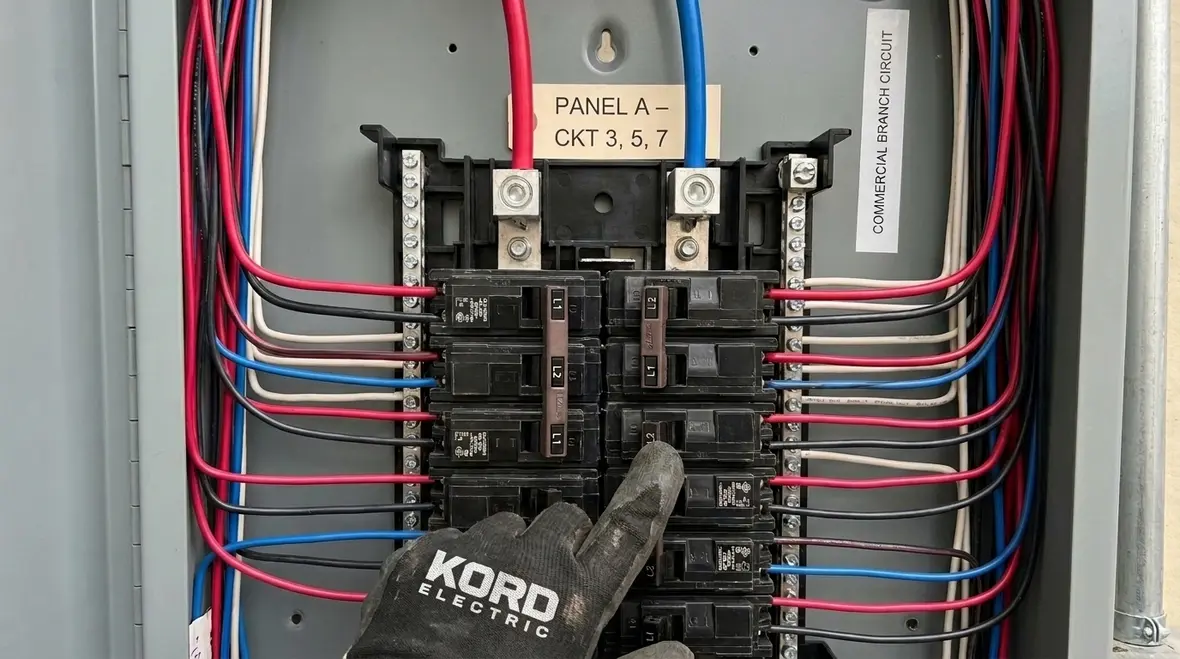
NFPA 70 Section 210.4 NEC Multiwire Branch Circuit Rules
NFPA 70 Section 210.4 sits in the middle of the rules people use to design safe electrical systems, and it matters in commercial and industrial facilities where demand never sleeps. In our experience, NEC multiwire branch circuit rules get misunderstood most often at the moment a contractor is tempted to “simplify” wiring. So we start this guide with the practical idea: a multiwire branch circuit must share a grounded circuit conductor where required, be properly handled at disconnecting means, and have common trip or other means that prevent hazards during service and fault conditions. At Kord Electric, we then let our technicians explain the details, step by step, because a code reference should feel like clarity, not like a riddle written by a bored legislator.
Why multiwire branch circuits show up in commercial buildings
In commercial and industrial spaces, electrical design often has to balance capacity, space limits, and serviceability. Multiwire branch circuit layouts help reduce the amount of cable you pull, reduce panel space strain, and support neat routing in tight electrical rooms. However, this convenience also introduces risk if you treat the circuit like a set of unrelated wires. After all, two or more conductors may live in the same cable, yet they can feed different loads and different paths to faults.
That is where NFPA 70 Section 210.4 earns its keep. It sets the conditions that make the system safer when installers, inspectors, and future service teams touch it. We do not only quote the code. We translate it into what your electricians can verify in the field, such as how the conductors share ground return paths, how disconnection operates, and how the circuit is identified.
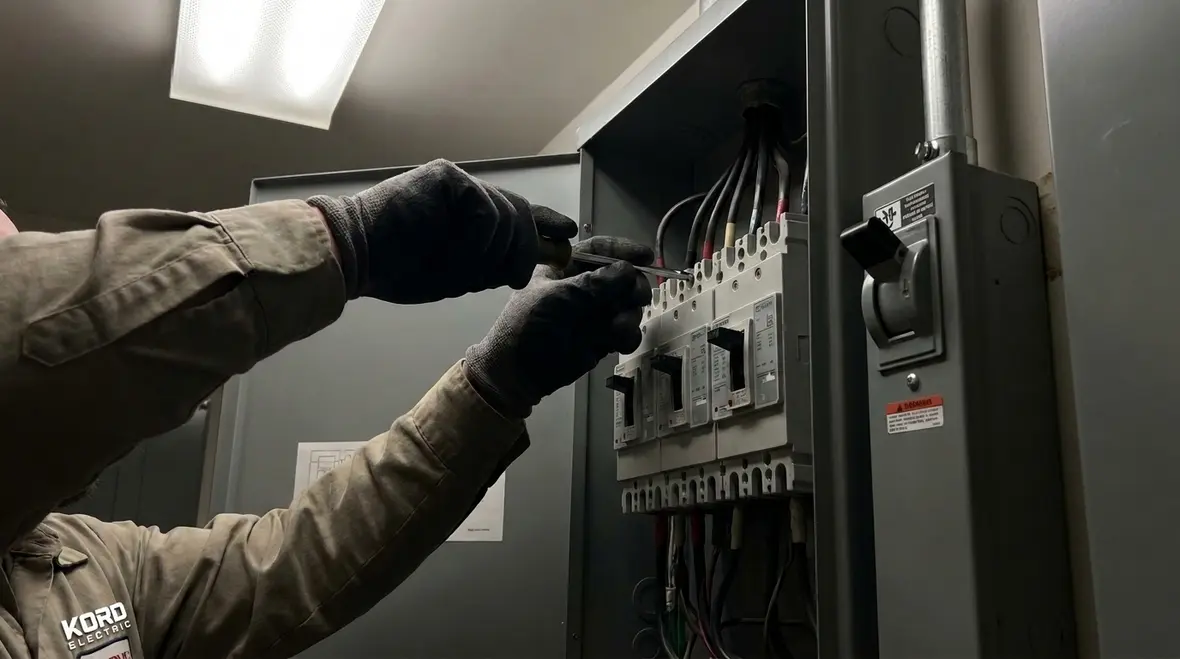
What Section 210.4 requires at the conductor level
To understand the NEC multiwire branch circuit rules, you have to start with conductors, because that is where safety begins. In typical building wiring, multiwire branch circuits share a neutral and sometimes share other characteristics, but they do not share safety by accident. Section 210.4 requires specific handling of the grounded (neutral) conductor and it demands correct pairing of the ungrounded conductors.
Our expert service staff commonly sees three failure points. First, a neutral gets moved or spliced incorrectly, creating uneven load sharing or a neutral that carries current when it should not. Second, the circuit appears to be “one circuit” during rough inspection, yet it behaves as multiple circuits at the loads. Third, the identification and connection method makes it hard for maintenance staff to understand what they are shutting off.
Therefore, we recommend designs and installation checks that keep the neutral relationship clear. When the neutral shares the return path, it also shares the consequences. And yes, that means you cannot treat the neutral conductor like a background extra in the scene. It has lines, and those lines matter.
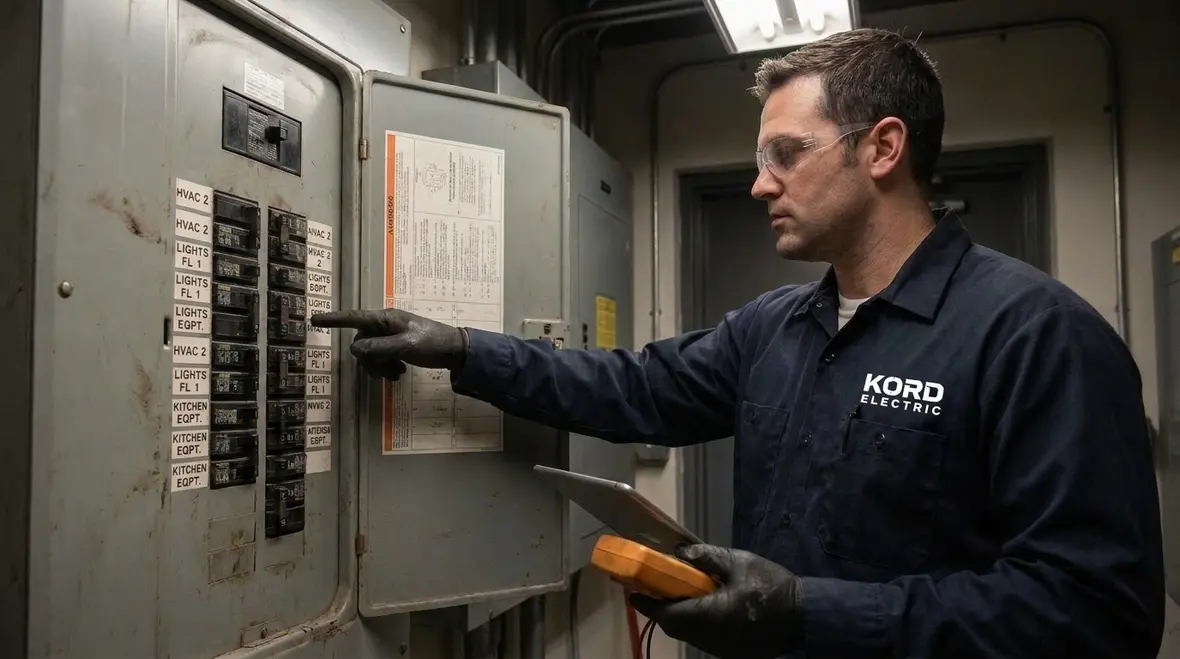
How proper disconnecting means prevent hazards
Next, we look at how multiwire branch circuits are disconnected for maintenance and fault protection. Section 210.4 expects a disconnecting means for the circuit conductors, and it requires that the ungrounded conductors be controlled together in the right way. In other words, when someone turns off the circuit, the circuit should truly be off where it needs to be off.
Our technicians explain it simply: if you shut down only one hot conductor while the other remains energized, the neutral could still carry current, and in some fault scenarios people can get surprised. That is the part that makes the rule feel strict, but also makes it worth following. Commercial facilities rarely get the luxury of long shutdown windows. So when an outage happens, you want it to be predictable.
To stay aligned with code expectations, facilities usually use common disconnecting devices or listed multi pole breaker assemblies that handle both ungrounded conductors together. When facilities use independent disconnects, the work needs to show that the conductors will be disconnected as required. We do not guess. We document. We also verify labeling at the panel so the next person does not have to play “electrical detective” during a live service call.
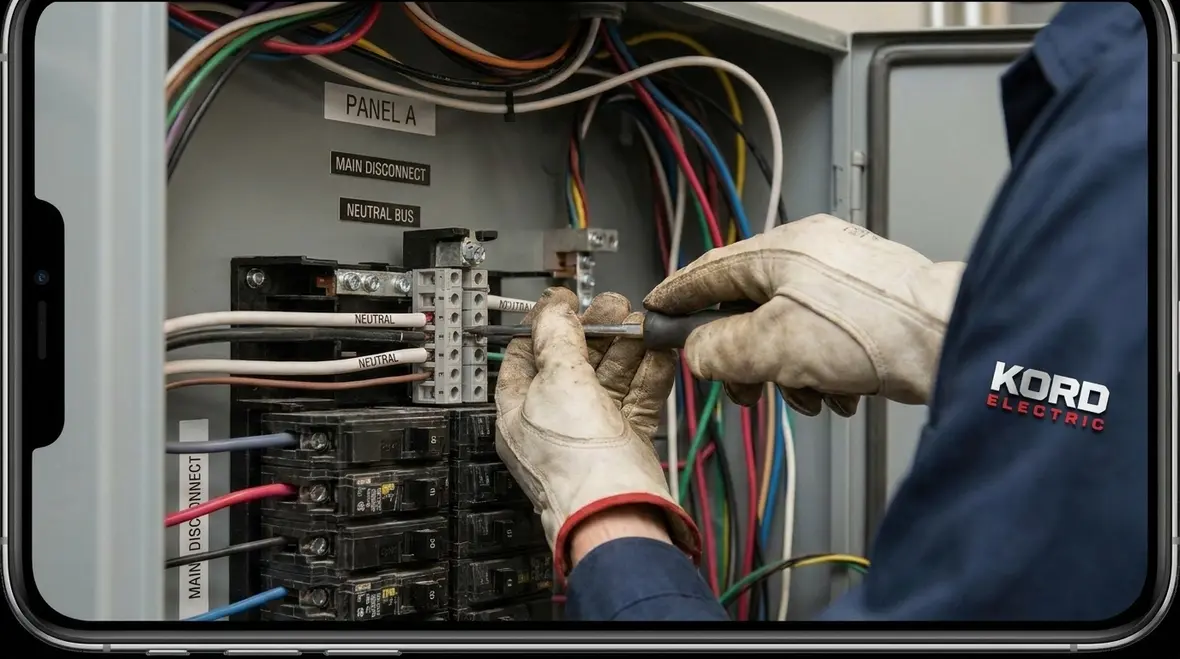
NEC multiwire branch circuit identification and service clarity
Identification is not just paperwork, it is operational safety. When maintenance teams return later, they need to understand which ungrounded conductors belong together and which neutral conductor serves them. If identification falls apart, you get energized parts where a tech expects dead parts. That is not a theoretical risk. It shows up in real service tickets.
Because commercial and industrial buildings often have multiple trades working in sequence, we see label issues when renovations happen. Someone swaps a breaker, a panel gets updated, or a circuit gets rerouted for tenant improvements. Then the physical connections remain correct, but the markings no longer match reality. In those moments, the best wiring plan in the world becomes less useful than you would hope.
So we enforce good habits: clear marking at the panel, consistent circuit numbering, and confirmation that documentation matches field conditions. Our expert service staff helps facility managers train internal teams on how to verify circuit identity without improvising. You do not need a magic trick. You need correct identification.
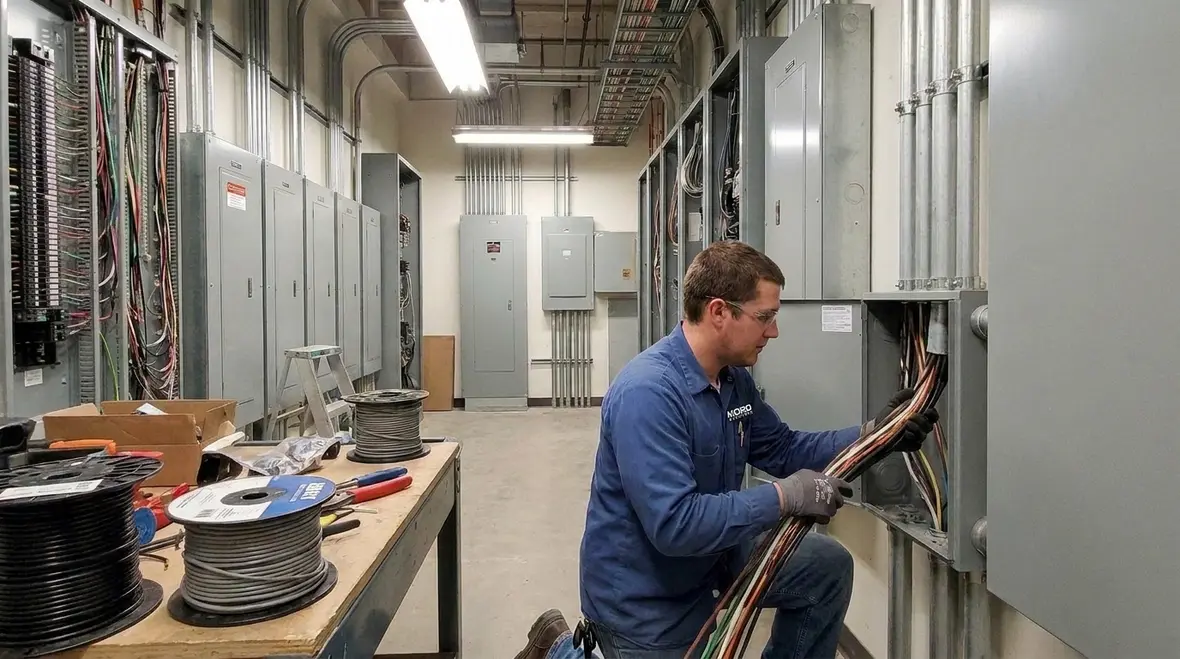
Common installation mistakes we spot during commercial site work
Field work teaches us fast. And at Kord Electric, our goal is to keep your system reliable today and safe tomorrow. During site visits, we notice repeat patterns that create problems even when the original intent was correct.
Neutral misconnection. A neutral conductor gets tied to the wrong bus or spliced incorrectly, especially during panel expansion or load balancing. This can lead to overheating and unexpected current on conductors.
Improper breaker pairing. The ungrounded conductors that should be handled together end up on different switching or protection that does not disconnect them as required.
Routing confusion. Multiwire cables run to multiple junctions or devices, and a later installer replaces a device without preserving conductor grouping. Then the circuit stops behaving like a coordinated system.
Overreliance on “it’s in the same cable”. Shared cable does not guarantee correct circuit relationship. The circuit rules apply to how conductors are connected and controlled.
At this point, we usually hear a joke from someone in the room, something like, “Well, the wires are together, so the rules should be too.” That joke lands, because it is tempting. But the code does not work on vibes. It works on verified installation practices.
How we design and verify compliance for major property buildings
We serve commercial and industrial facilities and major property buildings, and our process reflects that responsibility. We plan first, verify second, and document always. That approach matters because these buildings have high loads, long service lifecycles, and multiple stakeholders who may touch the electrical system over time.
From the start, we work with engineers, facility managers, and electrical contractors to confirm circuit layouts that match the intent behind NFPA 70 Section 210.4. We also check breaker selection, conductor grouping, neutral routing, and disconnecting means. Then we verify labeling and coordination with panel schedules.
When needed, we coordinate with life safety and fire related planning resources, because electrical reliability supports broader system performance. People often focus on lights and power, and they forget that dependable electrical distribution supports emergency operations. For a broader view of code context, you can connect this article with resources like Kord Electric’s guide Understanding NFPA 70: The National Electrical Code Explained for 2026, which walks through how the National Electrical Code sets expectations for safe electrical design, installation, and inspection in modern facilities.
For fire protection planning and building safety context, some teams also review guidance found across Kord Fire for NEC topics and related fire protection insights, keeping electrical design decisions aligned with overall life safety strategies for complex buildings.
Quick reference: what to check before energizing
Before you close up panels or hand over an area for normal operations, we recommend a practical checklist. Our technicians typically verify it as a final pass, especially after tenant improvements or panel modifications.
|
Conductors and connections Confirm neutral conductor pairing and proper terminations Verify shared neutral relationships match the circuit design Check splices and device terminations for correct conductor grouping |
Switching and disconnecting means Ensure required conductors disconnect together Use appropriate breaker assemblies or common disconnecting devices Verify circuit identification on breakers and labels |
Then, we document what we verified so the next service call does not become a guessing contest. In buildings, guesses cost time and cost money. Verified work saves both.
FAQ about NEC multiwire branch circuit rules
Conclusion: get the right inspection-ready answers
If your facility has multiwire branch circuits, we recommend a disciplined compliance approach now, not after something trips, heats up, or confuses a technician during service. Kord Electric serves commercial and industrial buildings and major property facilities, and our expert service staff helps you understand the intent behind NEC rules, then we verify the installation so it holds up under inspection and real-world use. Contact us to review your current layouts, update labeling, or support new projects with confidence. We will make the electrical part of your life calmer, and the paperwork part cleaner.
For facilities planning broader upgrades or new work in Southern California, you can also review Kord Electric’s Los Angeles County electrical services overview to see how our team supports everything from early design coordination and code interpretation through final inspection support for complex commercial and industrial projects.


