
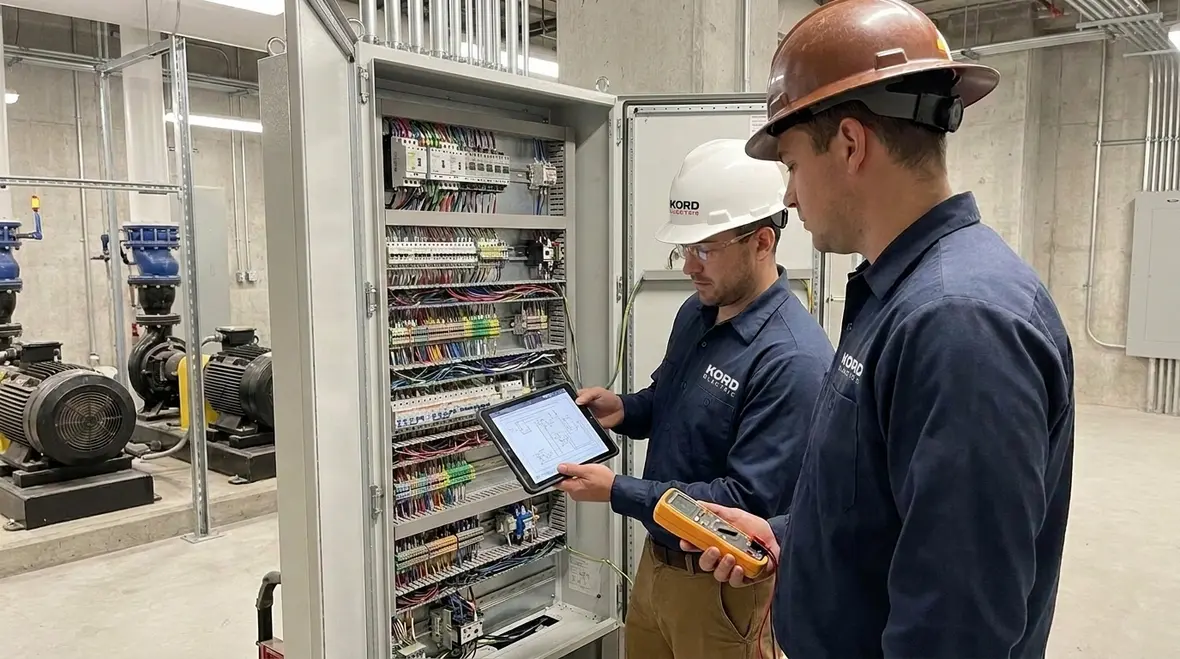
NFPA 70 Section 206.1 NEC Remote Control Signaling Scope
NFPA 70 Section 206.1 and Kord Electric’s NEC remote control signaling scope for facilities that cannot fail
When a building’s systems need to talk to each other from a distance, the electrical rules matter. At Kord Electric, we work with commercial and industrial facilities, and major property buildings where remote operation is not a “nice to have” but a daily requirement. That is why we pay close attention to NFPA 70 Section 206.1, especially the remote-control circuits scope that defines which circuits fall under the code’s rules.
In the first 100 to 150 words of this discussion, we set the stage for what matters in real projects. Then, we explain how our expert technicians walk teams through the NEC remote control signaling scope in plain language, so contractors, owners, and facility managers can make solid choices. And yes, we do it without turning code compliance into a suspense thriller, even though some days it feels like one.
What NFPA 70 Section 206.1 covers for remote-control circuits
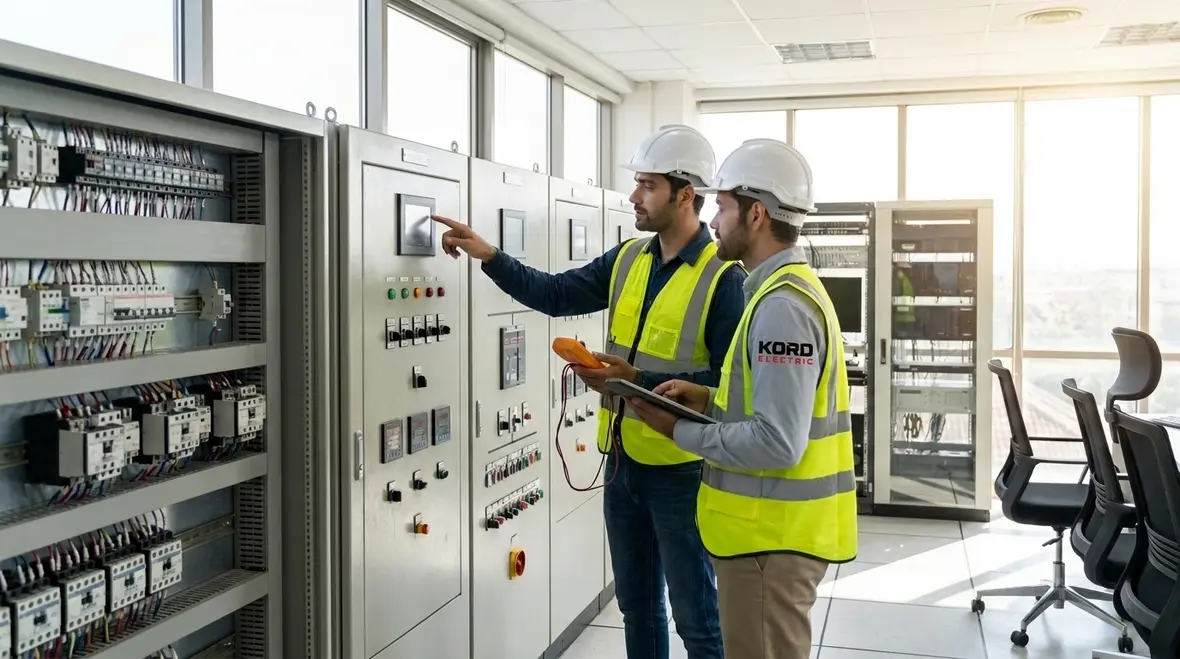
Section 206.1 lays out the scope for remote-control circuits, and it does so with clear boundaries. Put simply, it tells designers and installers which kinds of remote signaling and control wiring must follow the rules in that section, because those circuits can affect safety and reliable operation. Moreover, these circuits often sit near power conductors, switching equipment, and other systems that carry energy and heat. As a result, the wiring method, separation, and installation details matter.
When our technicians review plans, they focus on the “what” and the “where.” They ask how the system controls devices like pumps, fans, dampers, elevators, or fire and life safety related components, and they verify how the control circuit behaves during normal operation and during faults. Additionally, they check whether the wiring arrangement and protection match the requirements for the scope the code defines.
In practice, this means that teams cannot assume all low voltage or all control wiring automatically qualifies. Instead, they confirm the circuit type, its function, and its installation conditions. And if anyone says, “It is just a small control wire,” our expert staff smiles calmly, because we have seen what “small” can do when it fails at the wrong time. Like a pop song chorus, it may seem harmless until it repeats and ruins everything.
NEC remote control signaling scope: how it shapes design decisions
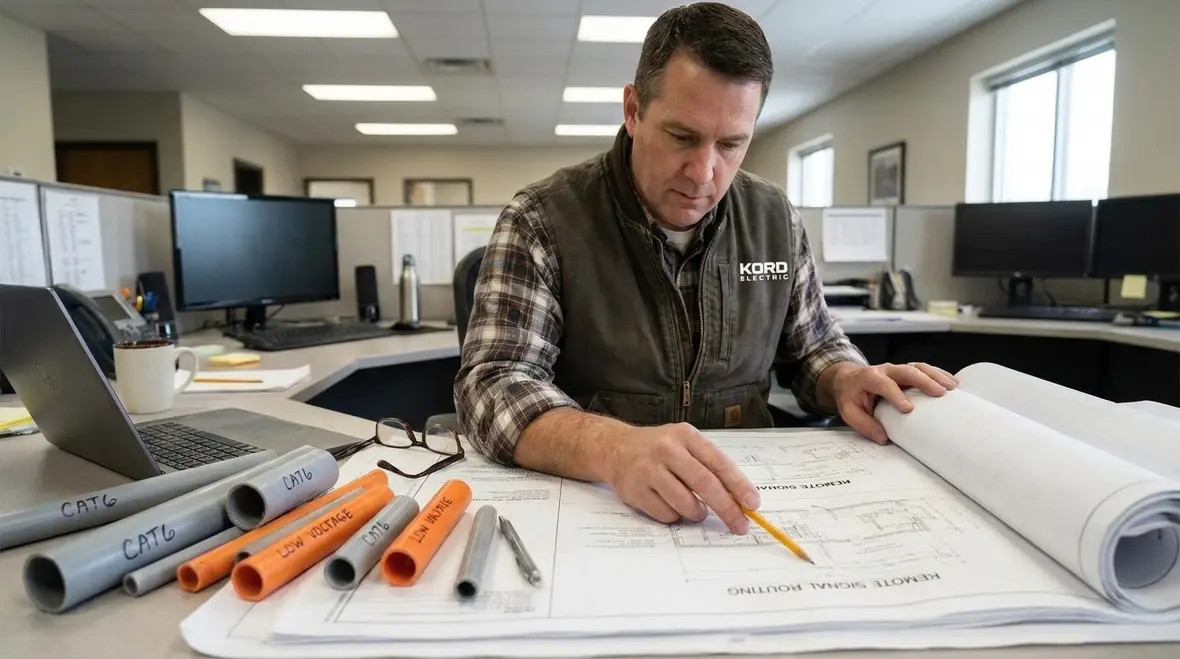
From a design standpoint, the NEC remote control signaling scope influences multiple choices. First, it impacts how remote signals and controls get routed through a building. Then, it affects how conductors get grouped, protected, and separated from other circuits. Finally, it guides how installers verify the system operates as intended under realistic conditions.
Kord Electric serves commercial and industrial settings, and we commonly see systems that integrate many moving parts. Therefore, remote control circuits may connect between multiple rooms, equipment zones, or even floors within major property buildings. In those cases, installation details cannot be “good enough.” They have to be coordinated so the control system stays stable, readable, and dependable.
Our expert service staff also helps teams translate the code into field steps. For example, when remote signaling needs to remain reliable, we encourage proper pathway selection, careful labeling, and attention to termination quality. Furthermore, we remind teams that the electrical design is not done when the drawing looks clean. It is done when the field installation matches the intent, because code compliance lives in the real world, not in the project folder.
Wiring methods, separation, and installation choices that reduce trouble
Remote-control circuits face a real environment. They experience noise from nearby switching, they pass through crowded pathways, and they get connected to equipment that may cycle many times each day. Because of that, NFPA 70 requirements for remote-control circuits push teams to handle wiring methods and installation details with care.
One major area involves how conductors get routed and where they run relative to power and other classes of circuits. In many buildings, control wiring travels alongside feeders, motor branch circuits, and lighting wiring. As a result, good separation practices help reduce interference and reduce the chance of accidental contact. Additionally, proper cable types and installation methods support mechanical protection and long term durability.
Another area involves terminations. Our technicians treat terminations like they matter, because they do. Loose connections, poor lugs, damaged insulation, and rushed labeling can turn a system into a troubleshooting event. And while troubleshooting can be fun for technicians in movies, it is rarely fun for owners who need operations back online quickly.
We also work with teams to make sure labeling and documentation match the actual wiring. Then, when changes happen during tenant buildouts or equipment upgrades, the remote control circuit remains trackable. That reduces downtime and helps keep future maintenance straightforward.
Coordination with other NEC rules for commercial and industrial buildings
Section 206.1 does not live alone. It connects to the broader NEC framework, including rules that govern the National Electrical Code for overall installation practices. Additionally, in the real world, a remote-control circuit may interact with equipment circuits, branch circuits, signaling systems, and other building systems.
For commercial and industrial facilities, the key is coordination. Kord Electric approaches this by reviewing how remote control circuits connect to the equipment they operate. Then we check how those connections line up with other NEC requirements that influence conductors, protection, and installation methods. In other words, we look at the system as a system.
We also make sure our teams understand the national standards context. Resources like the National Electrical Code explainers hosted at Kord Electric and Kord Fire support understanding at a practical level, and teams often use them during planning and review. For example, our article Understanding NFPA 70: The National Electrical Code Explained For 2026 explores how the rulebook shapes real-world design decisions across commercial facilities. Moreover, in large facilities, alignment between electrical scope and the fire related systems timeline can reduce rework. In that same spirit, fire pump organizations and related guidance can help teams think through integrated life safety needs when control circuits involve those systems. When coordination improves, projects run smoother, and that is good for everyone’s schedule.
What our technicians do on site to confirm the remote-control circuit scope
Plans and code talk, but installation proves it. Kord Electric assigns experienced technicians and expert service staff to confirm remote-control circuit scope in the field, especially in commercial and industrial spaces where downtime costs real money. Therefore, our approach uses a blend of verification, smart checks, and careful documentation.
First, we confirm the intended control function. Then we verify the actual wiring paths and terminations match what the design and code scope require. After that, we perform checks that validate the system’s control behavior, because remote-control circuits must work reliably under operational conditions.
When our team spots a mismatch, we address it early. We explain what we see, why it matters, and what changes bring the system back into compliance. This communication reduces confusion and helps decision makers move faster. Also, it prevents the classic “mystery wire” scenario, where the only person who knows what a conductor does has already moved on to a new job, like a character leaving a TV show without explanation.
Moreover, we maintain a professional process that supports repeatability across projects. Teams can then build a consistent standard across multiple floors, multiple buildings, or ongoing maintenance work for major property buildings.
FAQ: remote control circuits, Section 206.1, and the NEC remote control signaling scope
Conclusion: let Kord Electric map the remote-control circuit scope to your real project
In commercial and industrial facilities, remote-control wiring must work cleanly, safely, and predictably. NFPA 70 Section 206.1 provides the framework for the remote-control circuits scope, and our team at Kord Electric helps you apply that framework in the field, with clear explanations from our expert service staff. If you want fewer surprises during commissioning, inspections, or maintenance, contact us. We will review your system, confirm the wiring approach, and help keep operations running, like a well timed plot twist that actually ends well.
For facility leaders planning broader improvements, our dedicated Los Angeles County electrical services connect NEC remote-control circuit work with panel upgrades, modern distribution strategies, and long term reliability planning, so your controls stay aligned with the rest of the electrical system.
Learn more at https://kordelectric.com and for related NEC context visit https://kordfire.com/nfpa-70-all-about-the-national-electrical-code-nec/ and https://kordfire.com.au/ for additional perspectives on code direction and integrated fire and electrical planning.


