
NFPA 70 Section 210.1 Scope for NEC Branch Circuits Explained
Kord Electric serves commercial and industrial facilities and major property buildings, and we treat electrical planning like it deserves respect, not guesswork. Early on, we often hear the same confusion: what NFPA 70 Section 210.1 really means when it sets the scope for branch circuits. In simple terms, the NEC chapter starts by telling us what kinds of branch circuit rules apply, where they begin, and what they cover before the code moves into details. Our electricians and expert service staff then translate that language into real-world systems for offices, warehouses, hospitals, manufacturing sites, and large multifamily properties. And yes, we explain it slowly. Nobody should get shocked by paperwork.
If you want a broader orientation to the code before diving into details like Section 210.1, our team also walks through the big-picture rulebook in our article on understanding NFPA 70 and the National Electrical Code for 2026. From there, it becomes easier to see how the branch circuit chapters fit into the NEC’s overall structure.
What Section 210.1 covers for branch circuits scope explained
Section 210.1 establishes the NEC branch circuits scope explained for the electrical code. It sets boundaries for what the rules in this area address. In other words, it tells us which wiring circuits count as “branch circuits” for the purpose of the requirements that follow. Then, it clarifies how those branch circuits connect within a building’s overall electrical system.
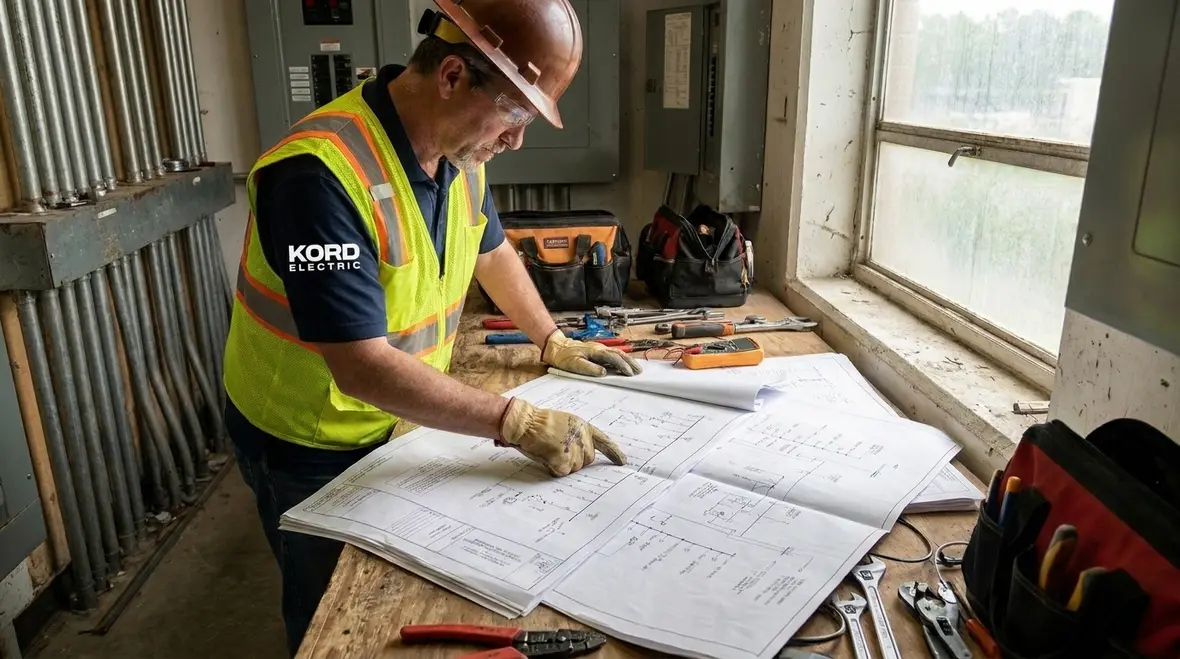
Because we work mostly in commercial and industrial spaces, this matters. A retail suite might only have a few loads, but a production facility can run high draw equipment, continuous processes, and multiple operating schedules. As a result, misreading the scope can lead to oversights in design, installation, and inspection readiness. Therefore, we start the conversation at the code level first, and we let our technicians map that to your site plan second.
Some people treat the NEC like a mystery novel where the answer appears only in the last chapter. We do not. Our team reads the “first lines” with the same care we use on panel labeling and termination checks. And unlike a plot twist, the code actually stays consistent.
Why the scope matters for commercial and industrial design
When the rules apply, they drive decisions like conductor size, overcurrent protection, device arrangement, and how circuits supply loads. When the rules do not apply, people sometimes fill in gaps with assumptions. That is how “it worked last time” becomes “why did it fail during peak hours.”
In commercial and industrial facilities, branch circuits often feed a wide spread of loads: lighting zones, HVAC components, receptacle circuits for tools, critical controls, and equipment with unique startup needs. Meanwhile, large property buildings may also include tenant improvements, renovations, and phased expansions. Consequently, the branch circuit scope affects how owners plan future capacity and how contractors coordinate changes.
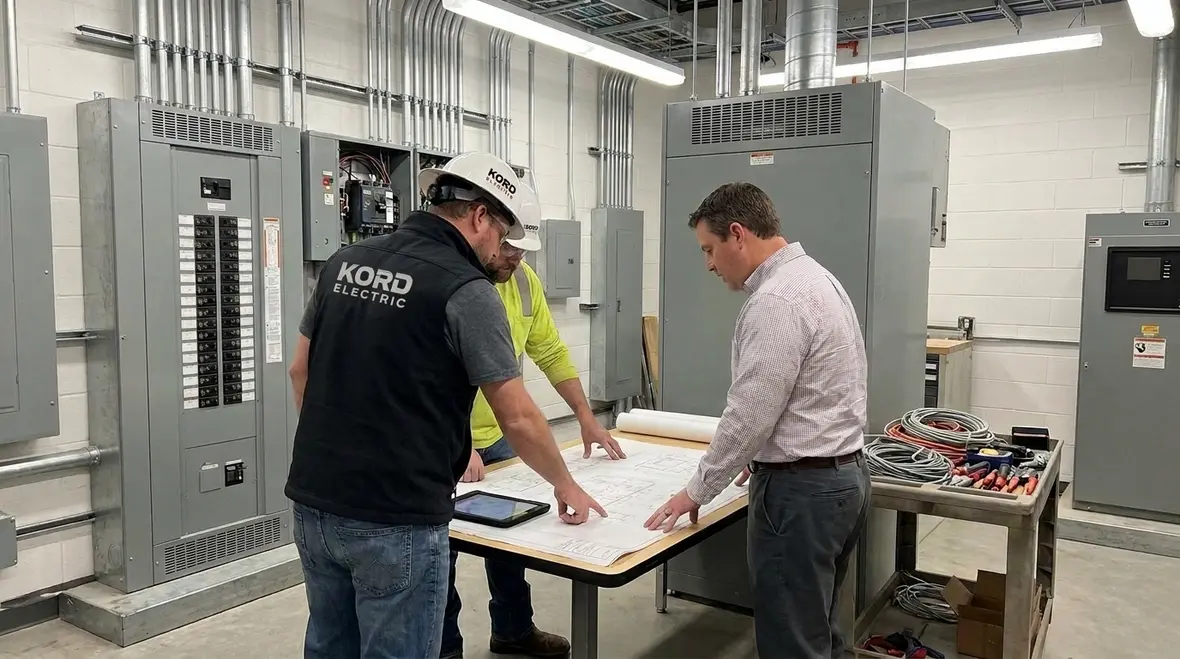
To make this practical, our expert service staff typically walks through the building electrical one-line with facility managers and maintenance leads. Then, we compare that to how the code defines branch circuit coverage. After that, we translate it into a clean install plan that supports safety and reduces rework.
Because branch circuits sit so close to everyday operations, this scope-driven approach pairs naturally with topics like building electrical system design and planning power for commercial facilities. When both the big-picture system layout and the detailed branch circuit scope align, projects move with fewer surprises.
How inspectors and electricians use the branch circuit boundary
In the field, the boundary between branch circuit rules and other parts of the NEC can decide how an installation gets reviewed. Inspectors commonly want to see that the design team applied the correct section to each circuit type. Likewise, electricians need a clear roadmap for what they must follow and what other rules take over elsewhere in the code.
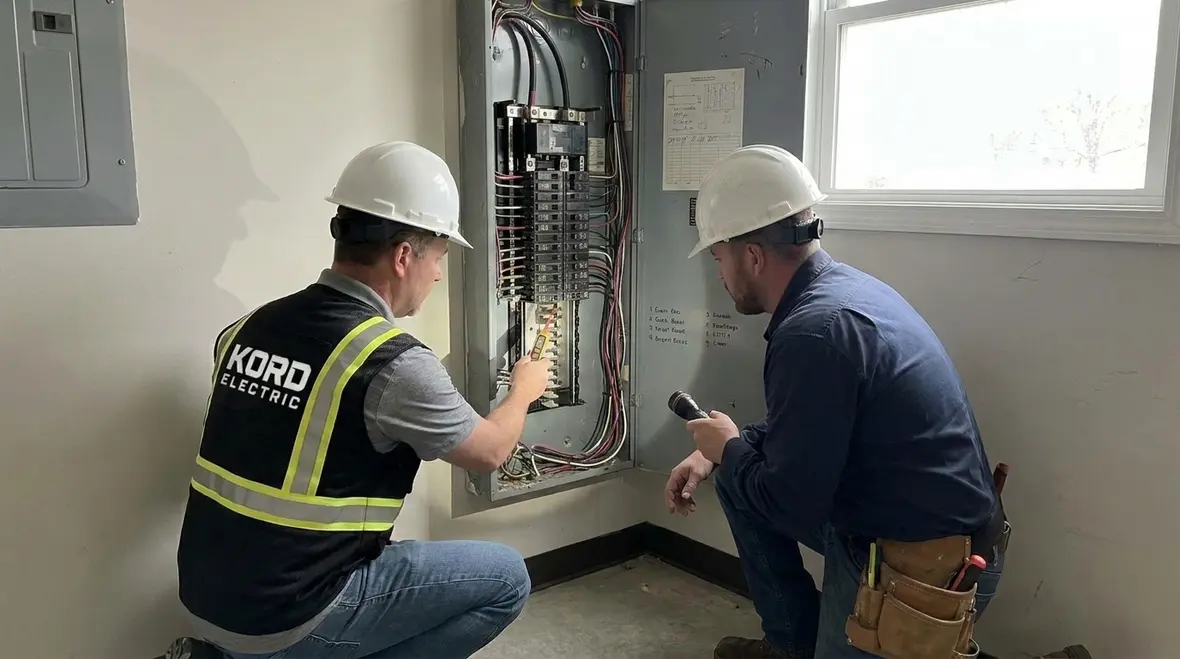
Our technicians see this every week: a contractor may begin installing before confirming circuit classification. Then the questions arrive midstream, usually when conduit is already stubbed, conductors are already pulled, or devices are already mounted. At that moment, a missing scope check turns into scheduling delays, which no one enjoys. Even the most patient facilities director does not enjoy delays, and we have met a few very patient ones.
So we do the scope check early. We use the NEC structure as a guide, and we ask the same question every time: does the circuit fall inside the branch circuit scope that Section 210.1 sets, or do we need to handle it under a different set of rules? That simple step keeps projects smoother, and it protects both people and equipment.
Common misunderstandings we see on branch circuit scope
Over time, we have noticed recurring mistakes that come from treating the scope like a vague guideline instead of a clear starting point.
First, some teams assume that every circuit leaving a panel must receive the same treatment. However, circuits vary by purpose, load type, and arrangement. Therefore, the code’s scope helps separate what belongs in this chapter from what belongs elsewhere.
Second, some people confuse branch circuit wiring rules with general wiring practices. They may install conductors correctly, but fail to align them with the chapter’s scope for requirements like circuit limits and protection approach. In practice, that can show up as improper coordination or devices that do not match the intended load behavior.
Third, teams overlook the way the NEC connects sections. Section 210.1 does not live alone. It sets a frame, and then it leads into specific requirements. If someone jumps into later details without confirming the frame, the install plan can drift.
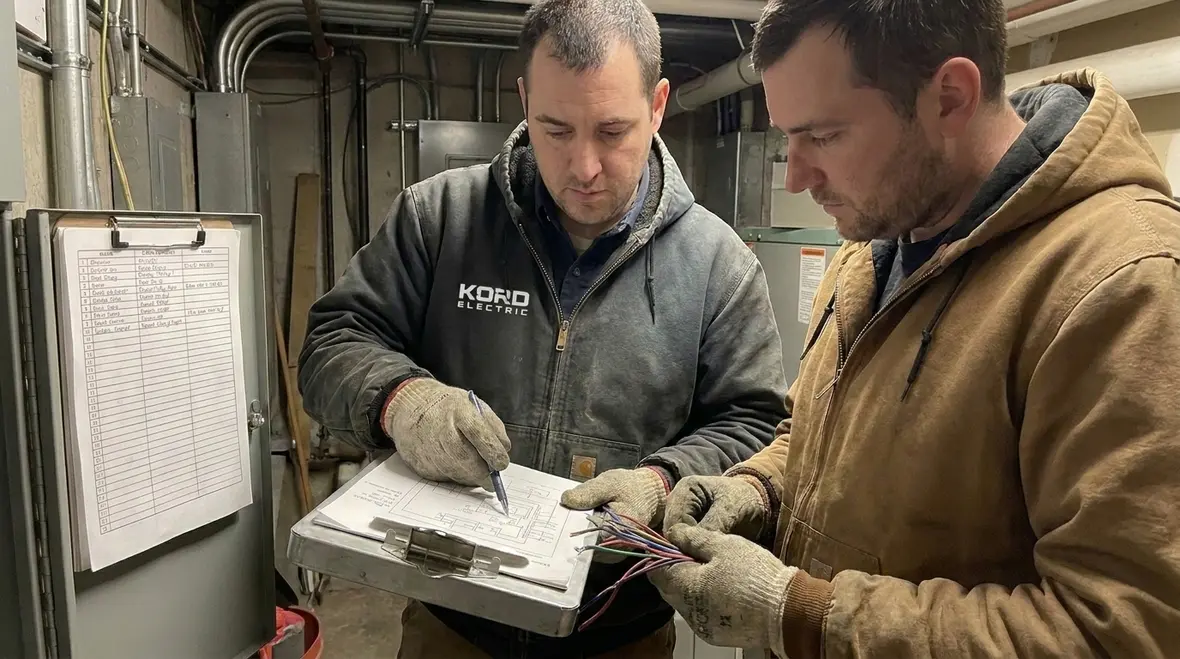
We address these issues with a calm, direct process. Our technicians explain what the scope includes and what it does not include, then we connect it to the equipment and loads in the building. And yes, we use plain talk. Because nothing kills momentum like a room full of people staring at code text like it is a foreign language.
Using the NEC structure for safe, scalable power distribution
When electrical design uses the NEC in the right order, the result feels less like a maze and more like a map. Section 210.1 gives that map its starting point for branch circuit rules. Then the design team applies the relevant subtopics under that chapter, aligning circuit protection, wiring methods, and the way circuits supply load.
In commercial and industrial facilities, scalability matters. Loads expand, operations change, and renovations occur. A building that supports tenant turnarounds or production growth benefits from a clear branch circuit approach that can expand without chaotic rewiring.
Kord Electric and our KordFire partners support this with field-tested guidance and service follow-through. Our service staff often sees how earlier design decisions affect later maintenance. Because of that, we encourage facility teams to document circuit intent clearly, keep panel schedules updated, and plan conduit and load growth with realistic future demand.
Think of it like planning a movie night for a large crowd. If you only consider the first snack, you run out fast. If you plan for the whole run time, you stay ready. Electrical systems deserve that same level of planning, only with fewer popcorn-related surprises.
Real-world examples of scope-driven decisions
Let’s ground this in scenarios our technicians encounter in major property buildings.
Warehouse and distribution centers often need branch circuits that feed lighting zones, dock area receptacles, and controls for equipment. When the design team confirms that the branch circuits fall within the scope set by Section 210.1, they can apply the right requirements for protection and layout.
Manufacturing sites can include motor controls, process equipment, and specialty receptacles. Here, the scope matters because loads behave differently. When teams treat circuit classification carelessly, the system can look correct on paper but fail under real startup and operating patterns.
Office and mixed-use property buildings face ongoing change: new tenant spaces, equipment swaps, and periodic upgrades. When electrical designers follow the scope correctly, maintenance crews can troubleshoot faster. In addition, owners can plan upgrades with clearer boundaries, which reduces the cost of future modifications.
In each scenario, our expert service staff supports the work by reviewing documentation, verifying installed conditions, and explaining the code logic in a way facility teams can use. We do not just comply. We help you understand.
FAQs about NEC branch circuit scope
Next steps with Kord Electric
If your team is planning a new electrical distribution layout, upgrading panels, or preparing for inspection on a commercial or industrial facility, we can help you start with the right code foundation. Kord Electric and our expert service staff will review your circuit intent, explain the NEC branch circuits scope explained approach in plain language, and support the installation with practical field guidance. Reach out today so we can help you move from “confident on paper” to “verified on site.”
Call Kord Electric now to schedule a consult and keep your next project calm, clear, and safely powered. If your facility is in Southern California and you need help coordinating design, installation, and code compliance, explore our dedicated page for Los Angeles County commercial and industrial electrical services and see how our team supports complex projects from planning through inspection.
Whether you are refining NEC branch circuit scope on a new build or untangling decisions made years ago, you do not have to sort it out alone. Our technicians and expert service staff bring field experience, code fluency, and a calm, systematic approach that keeps your project moving in the right direction.
From branch circuits and panel schedules to broader topics like data-driven electrical design and proactive hazard prevention, Kord Electric stays focused on one outcome: electrical systems that work the way your operations actually run. When your next project needs that level of care, we are ready to help.


