
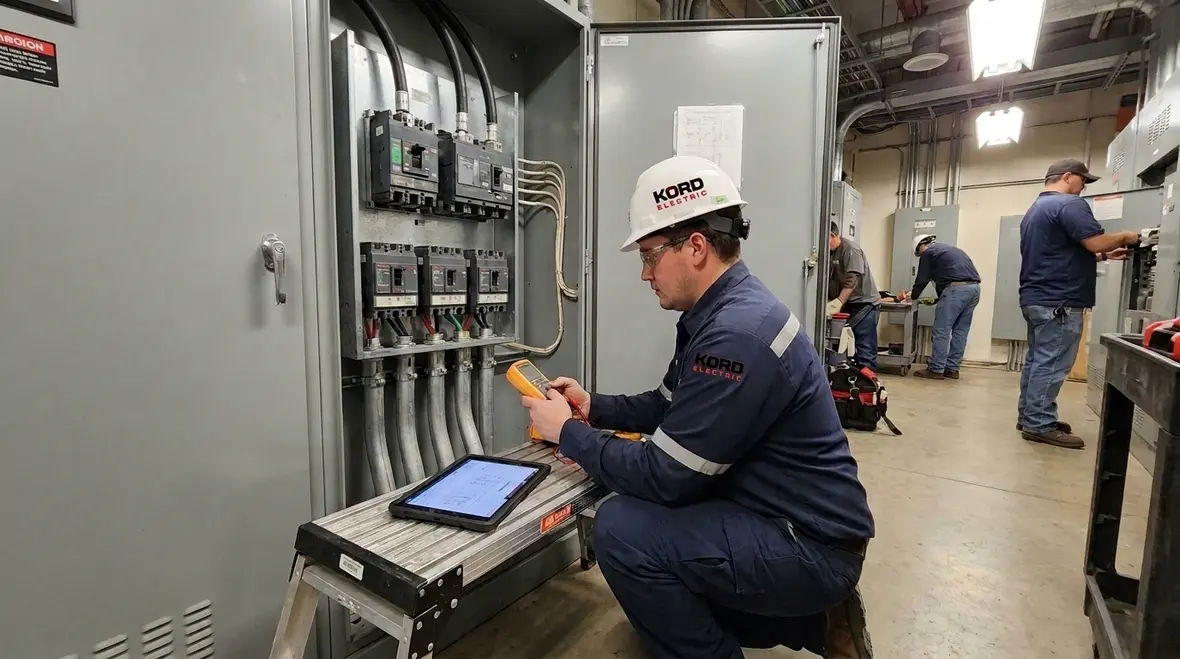
NFPA 70 Section 210.3 Guide for NEC Reconditioned Branch Circuit Equipment
At Kord Electric, we support commercial and industrial facilities with NEC reconditioned branch circuit equipment that helps teams keep power systems reliable and code compliant. We also make sure our customers understand what they are buying, because the National Electrical Code can feel like a book written by someone who never had to maintain a real building. Thankfully, our technicians and expert service staff explain the rules in plain language, step by step.
In this article, we walk through NFPA 70 Section 210.3 and what it means for reconditioned equipment in branch circuits. Then we connect those requirements to real jobsite decisions, test practices, and documentation. And yes, we will keep it serious, even if the code sometimes reads like it is trying to win an argument.
What NFPA 70 Section 210.3 requires for branch circuits
NFPA 70 Section 210.3 focuses on one core idea: equipment used in branch circuits must be suitable for its intended use, and reconditioned equipment must meet specific conditions. In other words, the code does not say “replace everything because we feel like it.” Instead, it sets guardrails so a facility does not end up installing tired parts and hoping for the best.
As our team explains it, the section protects two things at once. First, it protects people by maintaining safe electrical operation. Second, it protects the building by reducing the chance of early failures that disrupt production, operations, or tenant schedules.
Transitioning from theory to practice matters here. When someone reconditions equipment, they must return it to a condition that matches the equipment’s original safety intent. Therefore, we look at condition, suitability, labeling, and how the equipment performs as part of the system, not as a lone object on a workbench.
Reconditioned equipment that actually belongs in a commercial building
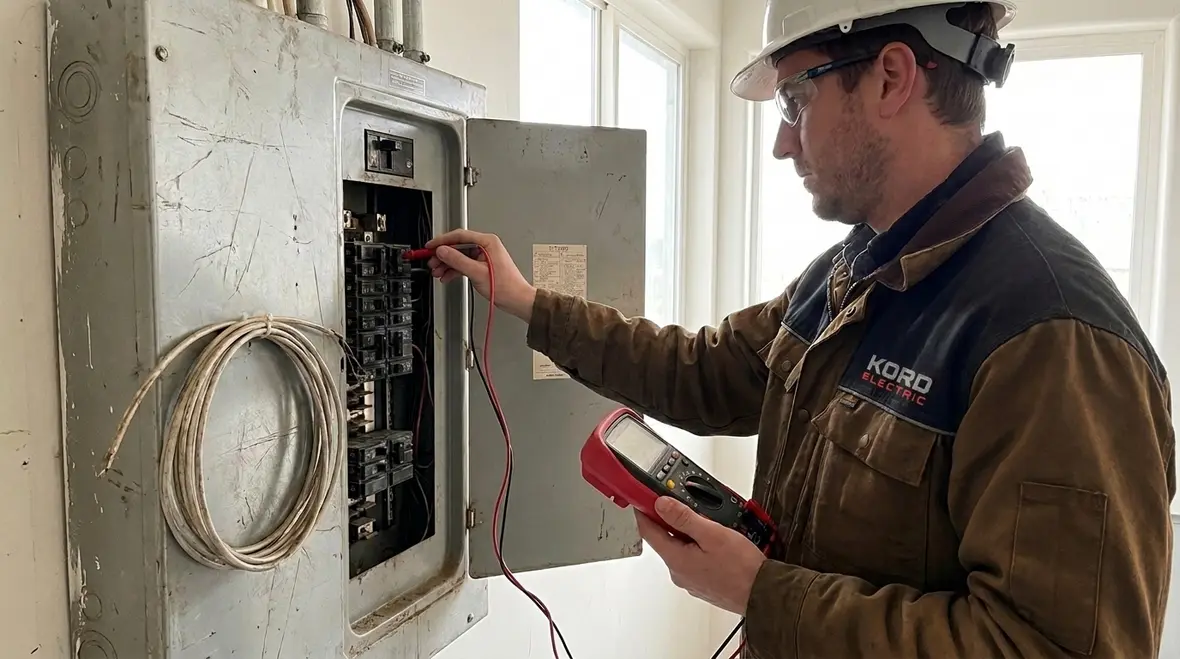
When we evaluate NEC reconditioned branch circuit equipment for commercial and industrial sites, we treat it like a system component that must work under real loads and real duty cycles. A facility manager wants fewer surprises. A maintenance team wants clear records. And the inspector wants evidence, not vibes.
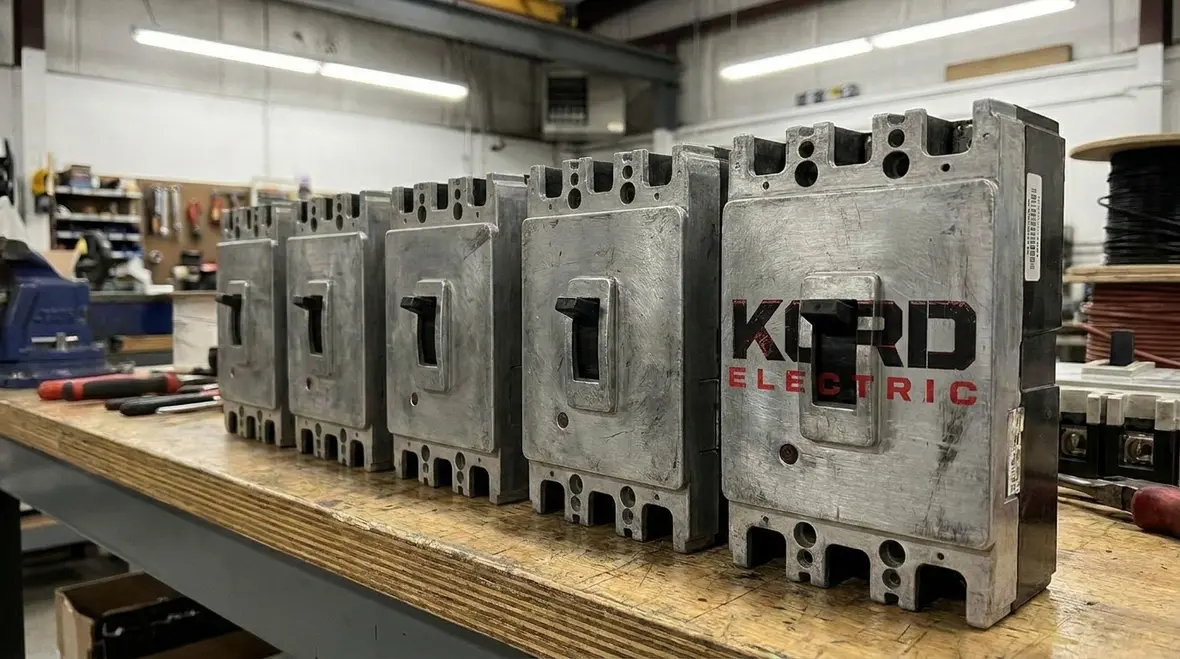
Here is how our technicians approach the “reconditioned” label. They verify that the equipment has been inspected, repaired as needed, and prepared so it performs as intended. Then they confirm that the equipment fits the electrical characteristics of the installation. If a piece cannot be traced to correct settings, ratings, and installation requirements, we do not “trust the old stuff.” We document, verify, and move forward safely.
And if you are thinking, “Isn’t all of this just common sense?” you are not wrong. However, code compliance turns common sense into a repeatable process. That repeatable process is what helps a major property building stay stable through renovations, upgrades, and equipment replacement cycles.
How we verify safety and suitability before installation
Our expert service staff takes the lead on verification because branch circuits sit at the heart of day to day power. Once you install equipment that fails prematurely, you do not just fix a breaker or a device. You can trigger downtime, troubleshooting delays, and repeated inspections. So we verify before we install, and we keep the work organized.
First, we confirm the equipment matches the application. That includes voltage, current rating, and any controlling features required for the circuit design. Next, we inspect the physical condition. We check for damage, wear, improper modifications, and any signs that reconditioning did not fully correct the issues.
Then, we focus on the operational side. We ensure the equipment is assembled correctly, tested, and prepared for reliable performance. Finally, we document what we did. This helps the facility team understand the history and helps others maintain the system later.
Because the National Electrical Code is a “show your work” document, we treat records like an essential part of the job. When a question comes up during inspection or future maintenance, we can point to the process, not just the result. For a deeper overview of how NFPA 70 fits into broader planning, many facility teams also review our resource Understanding NFPA 70: The National Electrical Code Explained for 2026, which connects code requirements to real-world building decisions.
Labels, documentation, and why inspectors care about the details
Many people think that electrical code checks happen only at the moment of installation. In reality, inspectors and maintenance teams keep looking after the first day. That is why documentation carries real weight, especially for reconditioned items.
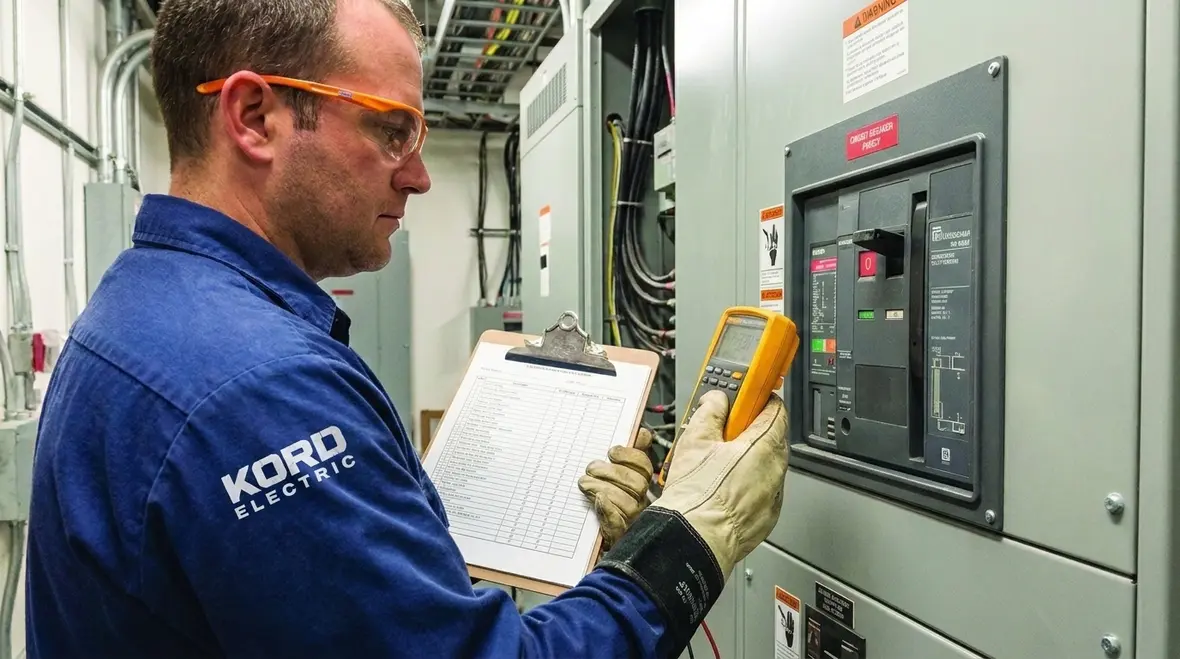
Our approach follows the principle that equipment must be identifiable and installed correctly. Therefore, we confirm that the reconditioned equipment maintains proper markings and that the records clearly show what the reconditioning involved. We also help our clients understand how these documents fit into their broader compliance program.
Also, we make sure the team doing the work uses the correct installation practices. A properly reconditioned device installed with loose connections or wrong terminations can fail anyway. So we build a chain of quality from verification through final torque and system testing.
For customers who manage larger properties, we coordinate this work to reduce disruption. We plan access, schedule testing, and communicate with facility stakeholders so operations continue with minimal interruption. In commercial and industrial settings, that coordination counts as safety too.
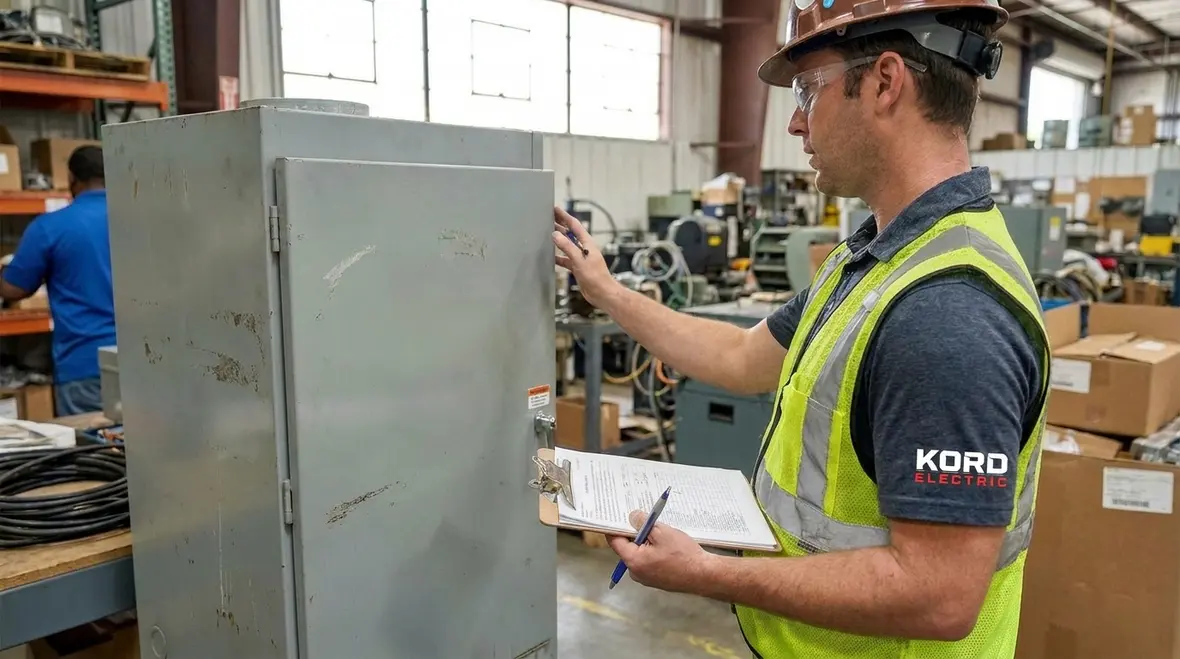
Common mistakes we prevent in reconditioned branch circuit projects
People make mistakes. Electrical teams do too, usually when time gets short or when someone assumes an older component “looks fine.” To keep NEC reconditioned branch circuit equipment compliant and reliable, we prevent avoidable issues that can derail a project or create future failures.
One common mistake involves mismatch. If the device rating does not match the circuit design, the system can heat up, trip early, or fail under load. We verify ratings and application details before install.
Two involves incomplete reconditioning. If a shop reconditions without full inspection, the underlying defect can remain. Our technicians inspect incoming items and confirm that the reconditioning process addressed faults that matter for safety.
Three involves missing paperwork. If records do not explain what was done, facility teams cannot support the installation later. We help keep documentation organized and accessible.
Four involves installation shortcuts. A reconditioned device deserves the same careful termination, routing, and testing as new equipment. We do not cut corners, even when a deadline tries to bully the calendar. The electrical system does not care that your schedule looks tight.
Meanwhile, we also remind teams that fire and life safety outcomes matter in commercial structures. Even when the immediate issue seems “electrical,” the impacts can reach other safety systems. That is why we align our practices with the broader compliance mindset found in code education resources and fire safety guidance.
Choosing the right path for upgrades and retrofits
Commercial and industrial facilities rarely stay the same. Over time, they add loads, expand production, adjust tenant needs, and upgrade aging systems. When this happens, teams face a question: do they replace everything, or do they reuse components responsibly?
Our answer is practical and code minded. We help clients choose based on condition, risk, performance needs, and compliance documentation. When reconditioned items fit the system and meet the requirements under NFPA 70 Section 210.3, they can support cost control and reduce downtime for major property building work.
However, we never treat reconditioned equipment as a shortcut. Instead, we treat it as a controlled option that must pass verification, documentation, and correct installation practices. When a facility wants faster turnaround, we plan the workflow so the team can test and verify without rushing. When a facility wants long term stability, we focus on quality and records.
And if someone insists on skipping the checks, we gently point out that electricity does not reward optimism. It rewards engineering, process, and care. Think of it as the Batman of systems: it does not break rules, but it will punish negligence.
How Kord Electric supports code compliant branch circuit work
We work with commercial and industrial sites, major property buildings, and facility teams that manage real operational risk. Our technicians and expert service staff bring consistent field practices, careful verification, and clear communication that helps project stakeholders stay aligned.
In practical terms, we assist with planning, installation, testing, and documentation that supports safe outcomes. Because the work does not end when power turns on. We help the facility team understand what we installed, why it meets NEC requirements, and how to maintain it later.
We also take a calm, methodical approach when something goes wrong. Troubleshooting in a large building can quickly become expensive if it turns into guesswork. So we use structured checks that isolate issues, verify performance, and restore operation without turning the site into a daily rerun of a bad sitcom.
Finally, we coordinate with the broader compliance goals that many building teams pursue, including fire and safety readiness. That mindset strengthens outcomes and reduces surprises across the whole facility. For facility leaders planning larger electrical work, especially in Southern California, our Los Angeles County electrical services support everything from new installations to upgrades and reliability improvements under the same code-focused approach.
FAQ
| Question | Short answer |
| What does NFPA 70 Section 210.3 cover? | It sets requirements for using reconditioned equipment in branch circuits and focuses on safe, suitable performance. |
| Can commercial sites use reconditioned branch circuit equipment? | Yes, if the equipment meets the code requirements for condition, suitability, and documentation, and it is installed correctly. |
| Do inspectors require documentation? | Often, yes. Clear records and proper identification help support the installation during review and future maintenance. |
| What checks should happen before installing reconditioned equipment? | Match ratings to the circuit design, inspect condition, verify correct assembly, and test operational performance. |
| Does proper installation matter with reconditioned components? | Yes. A correct device installed with poor terminations can still fail, so installation and testing must follow code practices. |
| Why do you emphasize process at Kord Electric? | Because commercial and industrial facilities need repeatable safety and reliability, not one-time hope. |
Frequently asked questions about reconditioning and compliance
Does the code allow reused equipment with missing labels? In general, equipment must be identifiable and suitable. If markings or documentation are missing, the item may not support safe verification.
Can we install reconditioned equipment without testing? No. We expect inspection and appropriate verification steps so the equipment performs as intended in the branch circuit.
Is this only for new construction? No. Reconditioned branch circuit equipment often comes up during upgrades, retrofits, and maintenance work in major property buildings.
Conclusion and call to action
NFPA 70 Section 210.3 matters because it protects people, operations, and building reliability when teams consider reconditioned components for branch circuits. At Kord Electric, we bring structured verification, careful installation practices, and clear documentation through our technicians and expert service staff. If your commercial or industrial facility plans an upgrade, retrofit, or equipment refresh, reach out to us. We will help you make decisions that keep power steady, inspections smoother, and downtime shorter.
When you are ready to translate code language into field results, our team can support branch circuit evaluations, NFPA 70 review, and broader electrical system work that fits your schedule and risk profile.


