
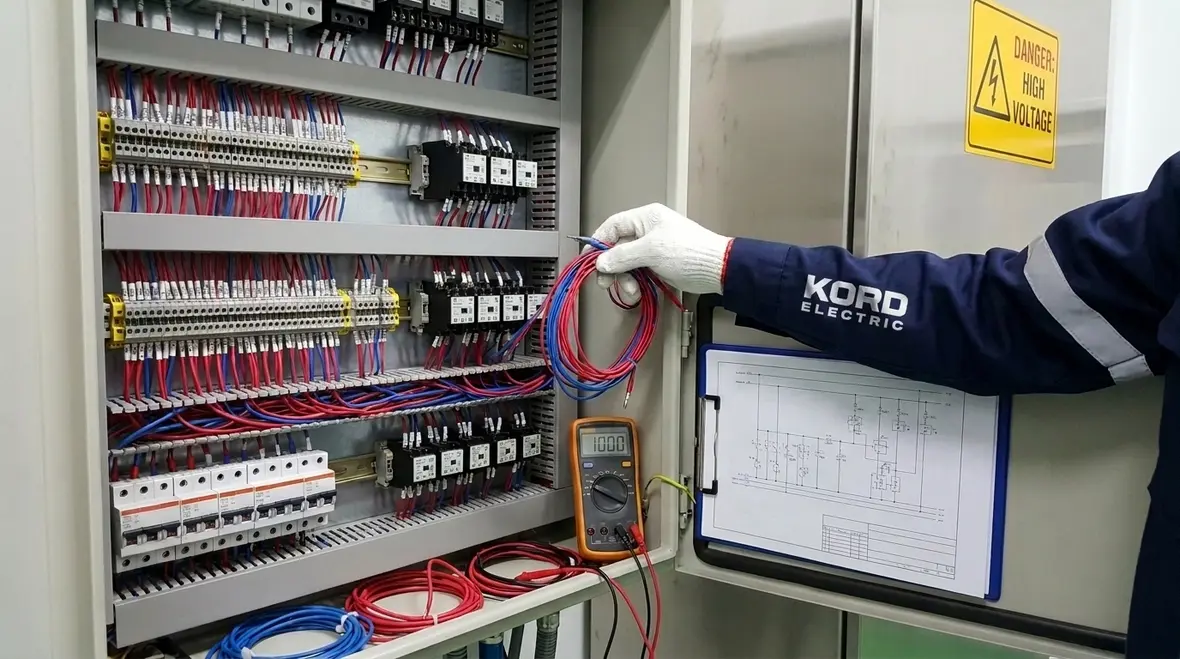
NEC Remote Control Circuit Installation Meets NFPA 70 206.4
NEC remote control circuit installation: what NFPA 70 206.4 really wants
When a facility needs remote control of equipment, the NEC remote control circuit installation rules matter a lot. In the first place, NFPA 70 Section 206.4 sets clear expectations for how remote control circuits get installed, protected, and kept dependable. Then, our team at Kord Electric builds around those rules in real commercial and industrial facilities, where downtime does not get applause. In other words, we do not treat these requirements like optional “nice to have” paperwork. We treat them like a guardrail. And yes, we explain the “why” in plain language, because your operations manager deserves answers, not riddles.
We also make sure our technicians and expert service staff document the work so your maintenance team can follow it later. Besides, one wrong wiring decision can turn a simple remote command into a chaotic situation, like pressing the wrong button on a TV remote and somehow summoning a sitcom from the wrong channel.
Why NFPA 70 206.4 exists for industrial systems
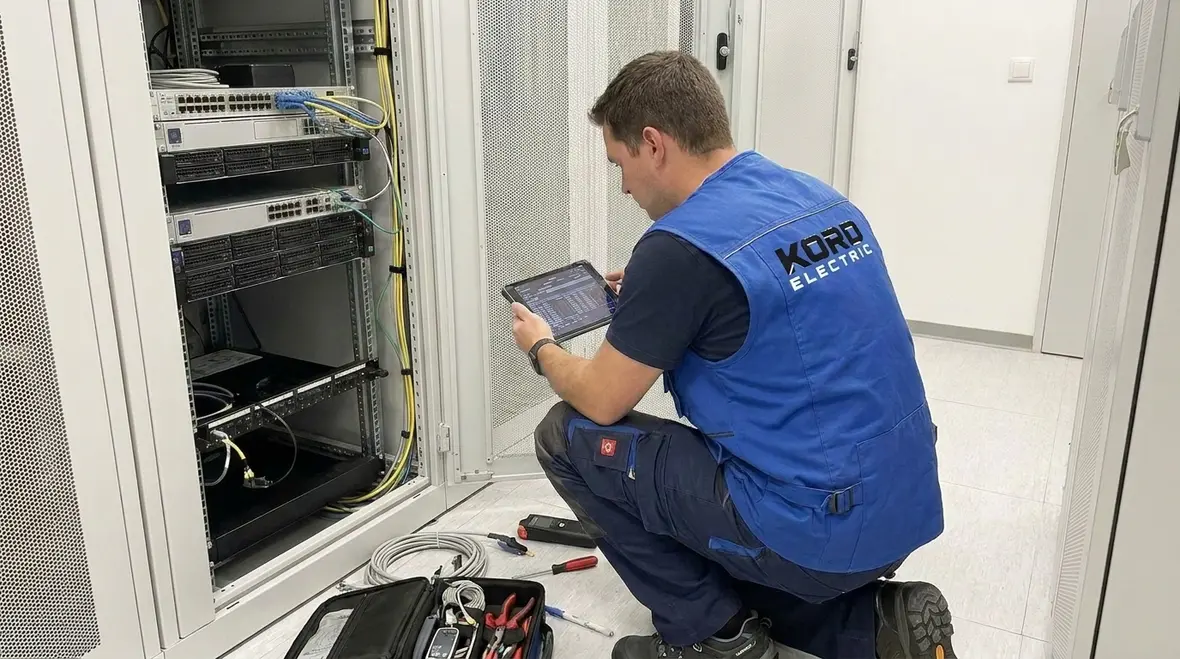
NFPA 70 Section 206.4 exists because remote control circuits connect the human side to the power side. That is the heart of it. When someone presses a start, stop, or transfer command, the circuit must behave predictably. Therefore the code focuses on installation details that reduce shock hazards, prevent unintended operation, and support safe troubleshooting.
In commercial and industrial buildings, remote control frequently ties into motors, switching devices, elevators, ventilation systems, fire pumps interfaces, and emergency loads. For major property buildings, these circuits also affect life safety and operational continuity. Consequently, NFPA 70 treats remote control like it matters, because it does.
Our technicians approach this with a practical mindset. First they identify what the remote control circuit does, then they verify the installation method, then they confirm coordination with protections and labeling. When we explain it, we do it slowly, like a calm hand on a shoulder right before the hard part.
Routing and protection rules that keep circuits dependable
Section 206.4 emphasizes that remote control circuits must get installed in a way that supports safe performance. That includes how wiring gets routed, protected from damage, and secured against physical stress. In practice, we treat this as two jobs: protection and predictability.
For protection, we look at where the cables run. For example, we check whether they pass near equipment that creates heat, vibration, or mechanical wear. Then we plan the route so the circuit does not get exposed to rough handling, sharp edges, or moving parts. After that, we verify support spacing and proper securing methods so the cable stays where it should during normal operation and maintenance.
For predictability, we avoid installation shortcuts that cause intermittent faults. Intermittent issues are the most annoying kind, like a smoke alarm that only screams when you make toast at 2 a.m. Remote control should not act like that. So we pay attention to terminations, bends, strain relief, and integrity of the conductor connections.
- We choose routing paths that reduce physical damage risk
- We secure wiring so vibration does not loosen connections over time
- We verify terminations and continuity before energizing control systems
How we match remote control wiring to the control scheme
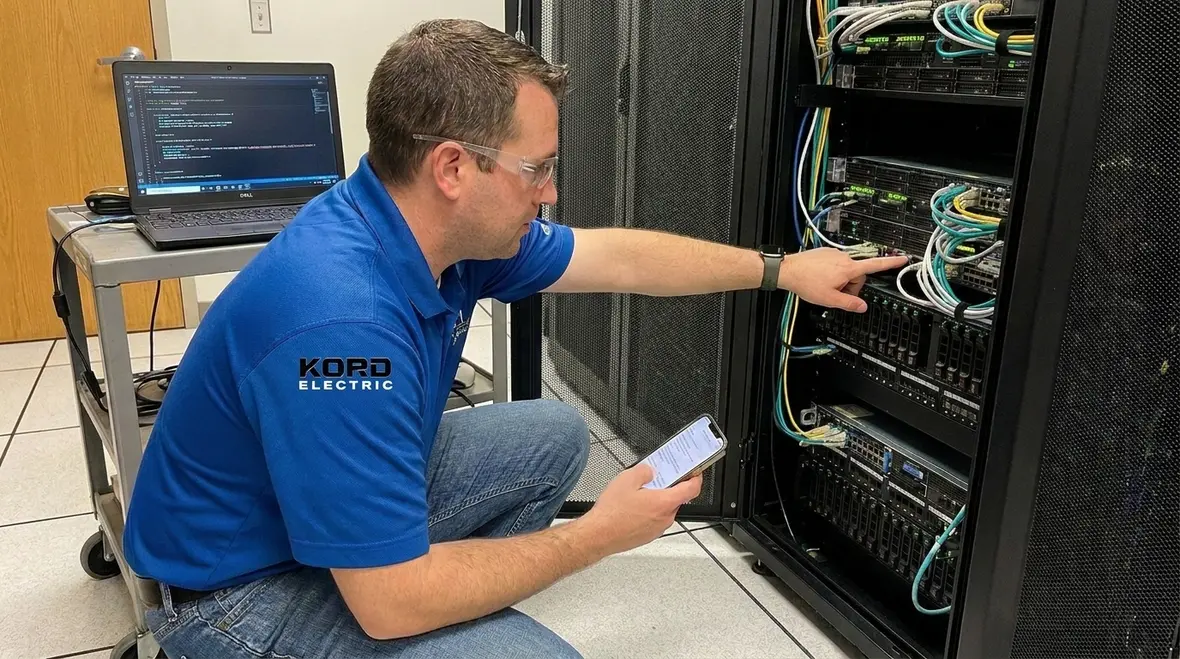
Remote control circuits do not live alone. They connect into control panels, relays, contactors, supervisory devices, and sometimes emergency control arrangements. Therefore the NEC remote control circuit installation needs to align with the system design, not just the cable type. In other words, we match the wiring details to the manufacturer instructions and the project electrical design.
When our expert service staff reviews a design, they verify how the circuit functions under real conditions. For instance, we confirm what happens during a power loss, a fault condition, or an emergency command. Then we check that the wiring method supports that behavior. Afterward, we make sure field labeling and identification support operations staff and maintenance technicians.
We also coordinate with fire and life safety considerations when the project includes those interfaces. Major facilities often involve complex systems where remote control commands must integrate cleanly. When we partner with related trades, we still control the key details: circuit identification, separation practices, and correct termination methods.
And yes, we remind teams that “it turns on” is not the same as “it meets the code intent.” That difference is where safe performance lives.
Testing, documentation, and start up that reduces future headaches
After installation, the next stage matters just as much. Section 206.4 works with the broader NEC mindset that systems must operate safely and consistently. So we test and document the remote control circuit installation so you can trust it in daily operations, not only during acceptance day.
First, our technicians perform verification steps such as insulation checks, continuity tests, and checks for correct conductor mapping. Then, during functional testing, we validate sequence behavior. We observe how the circuit responds to commands, how it handles status feedback, and whether protective devices act as intended. If anything does not match the control diagram, we fix it before energizing permanently.
We also provide documentation that your team can actually use. That includes circuit identification, terminal labeling notes, as built updates, and maintenance guidance. When the facility staff can troubleshoot quickly, operations runs smoother. And that keeps everyone happier, including the person who has to answer after-hours phone calls.
- We verify wiring and terminations before energization
- We test control sequence behavior under safe conditions
- We deliver clear documentation for ongoing maintenance
Common mistakes we see in commercial and industrial builds
Even teams with good intentions can trip on the details. So we look for issues that tend to show up during field reviews and troubleshooting calls. Because remote control circuit work often involves many terminations and many interconnections, small errors can create big problems.
One frequent mistake involves inconsistent routing. When installers place control wiring too close to power wiring without proper planning, noise and interference can cause unreliable operation. Another mistake involves weak support or improper securing, especially where vibration exists. Over time, those conditions can loosen terminations or stress cables.
We also see labeling problems. If the circuit is not clearly identified, maintenance becomes a scavenger hunt. And in commercial and industrial facilities, time is money, not a hobby. Another issue involves skipping coordination with control diagrams. When a circuit gets landed on the wrong terminal, the system can still “work,” but not the way the design intended.
Our approach stays methodical. We verify routing, we check terminations, we compare wire and terminal identification to the control scheme, and we test the sequence. Then we explain what we found in simple terms. That way, the next time someone asks “why did this happen,” the answer is on paper, not in someone’s memory.
How Kord Electric supports code aligned control system work
Kord Electric serves commercial and industrial facilities and major property buildings, and we plan remote control circuit work with that reality in mind. We build with NFPA 70 requirements in view, and we coordinate with project stakeholders so the work supports real operations.
In many projects, the electrical scope overlaps with other disciplines and life safety expectations. So we help teams stay aligned through clear communication, disciplined installation practices, and testing that validates performance. Meanwhile, our technicians and expert service staff take time to explain findings. When something needs correction, we explain the risk and the fix, rather than just pointing at a checklist.
And because the code landscape keeps evolving, we stay current with the national electrical code context that affects these systems. For example, we also reference the same NEC education themes covered in our Kord Electric blog resource Understanding NFPA 70: The National Electrical Code Explained for 2026, so project teams understand the “big picture” while still getting the precise installation rules they need. For additional reading, many clients explore guidance through our related resources at kordelectric.com, and they also review broader NEC explanations through our other sites such as kordfire.com and kordfire.com.au, along with industry context from groups like firepumps.org when the project involves fire pump related systems.
Planning NEC remote control circuit installation for your facility
Every facility brings its own mix of control points, operator expectations, and risk tolerance. When we plan NEC remote control circuit installation for commercial or industrial sites, we start by listening to how your operations team actually runs the plant. Do they need fine control over specific motors? Do they trigger large sequences with a single command? Do they rely on status feedback from remote panels at all hours?
From there, we map those needs into an installation strategy that respects NFPA 70 206.4 requirements and the broader NEC framework. That includes identifying which circuits belong in dedicated raceways, which require physical separation, how control conductors should be grouped, and where labeling must be extra clear so nobody has to guess before they turn a key or press a button. We treat these circuits like the nervous system of the building: if the signals get confused, the whole body stumbles.
For facility managers and owners, this planning step is also where budget and schedule views meet safety realities. Correct routing, termination, and documentation may feel like extra effort during construction, but those choices pay off every time a shift supervisor issues a remote command and the equipment responds exactly as expected—no drama, no surprises, no scrambling to trace wires in the middle of the night.
FAQ: NFPA 70 206.4 and remote control circuits
Call Kord Electric for safe remote control circuit installation
If your facility needs remote control wiring done right, we help you meet NFPA 70 expectations with installation discipline, careful testing, and clear documentation. Our technicians and expert service staff work with commercial and industrial projects and major property buildings, where details decide whether the system runs smoothly or becomes a recurring problem.
When you bring Kord Electric onto a project, we review the control scheme, confirm installation methods, and plan the work so your operations team can trust the results. If your facility is in Southern California, you can also connect our project planning to the broader support described in our Los Angeles County electrical services coverage, aligning remote control work with your wider electrical infrastructure needs. Safe control should feel boring. In a good way.
When you are ready to bring NEC remote control circuit installation in line with NFPA 70 206.4 and the rest of your electrical system, our team is ready to help you plan, build, and document the work so the next inspection and the next shift both feel straightforward.


