
NFPA 70 Section 200.11 Polarity of Connections Code
NFPA 70 Section 200.11 and why polarity matters
At Kord Electric, we focus on the kinds of buildings where electrical mistakes do not stay small for long. That is why, right up front, we take the intent of NFPA 70 Section 200.11 seriously and explain the polarity of connections code in plain terms for decision makers. The rule is about making sure the connected conductors line up the right way, so equipment functions as designed and safety systems behave as expected. In other words, the power should not arrive like a surprise party where everyone shows up at the wrong time. Once we get past that first idea, we detail how this works in real commercial and industrial settings, and how our technicians and expert service staff guide teams through compliance with less stress and fewer “how did that happen” meetings.
What Section 200.11 actually requires in the field
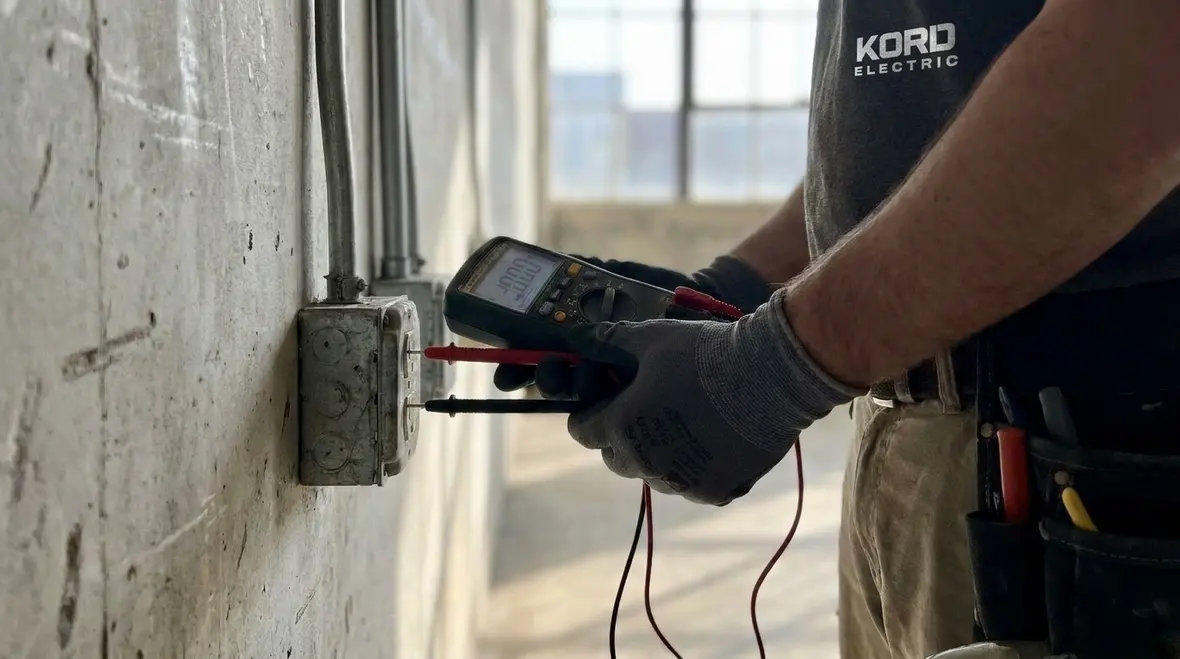
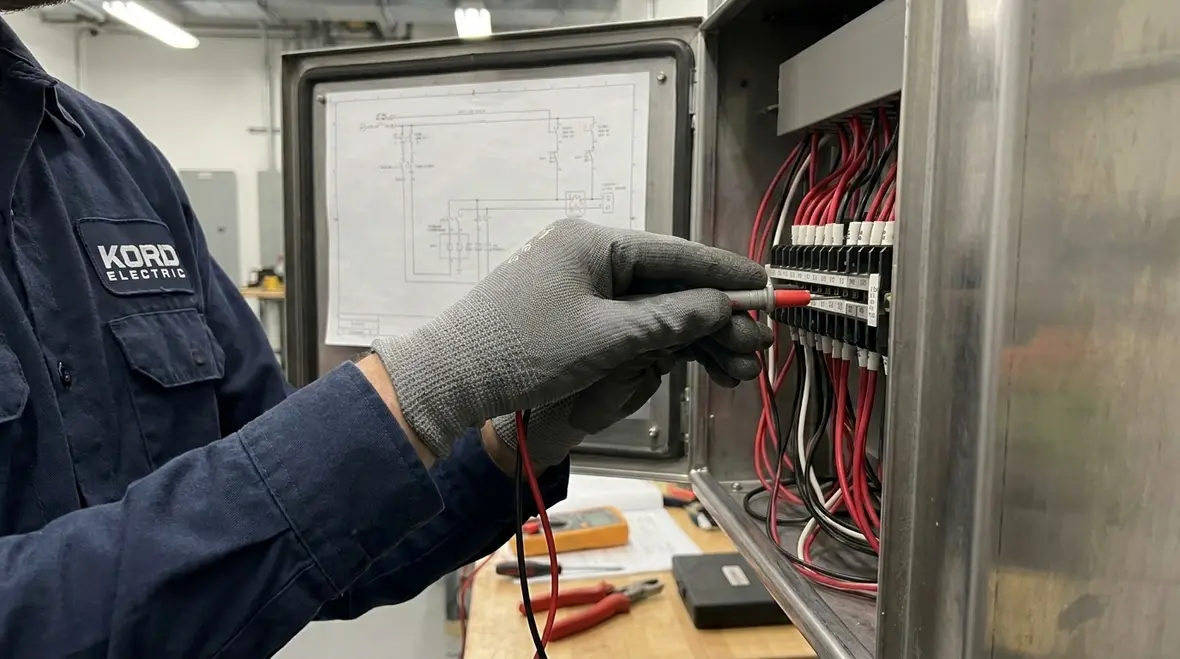
In practice, NEC polarity of connections code means you match conductors correctly when you connect devices, equipment, and wiring methods. However, we do not treat it like a box to check. Instead, we treat it like a chain of cause and effect. When polarity gets reversed, you can create problems that look minor at first, and then grow into real downtime, nuisance trips, or unsafe conditions.
Section 200.11 sits in NEC Article 200, and it ties directly to how circuits connect to equipment. Therefore, when our technicians review wiring diagrams, terminations, and field conditions, they watch for reversal risk at every connection point. They also verify that the field work matches the design intent. If the installation uses devices that depend on correct polarity, then a mismatch can reduce performance. If the installation includes controls and safety related equipment, then polarity issues can confuse diagnostics and delay repair.
We often explain this to facility managers like this: if you wire it “almost right,” the equipment may still turn on. Then it may fail at the worst possible time. That is not a haunting. That is just electricity with a bad attitude.
How wrong polarity creates safety and performance risks
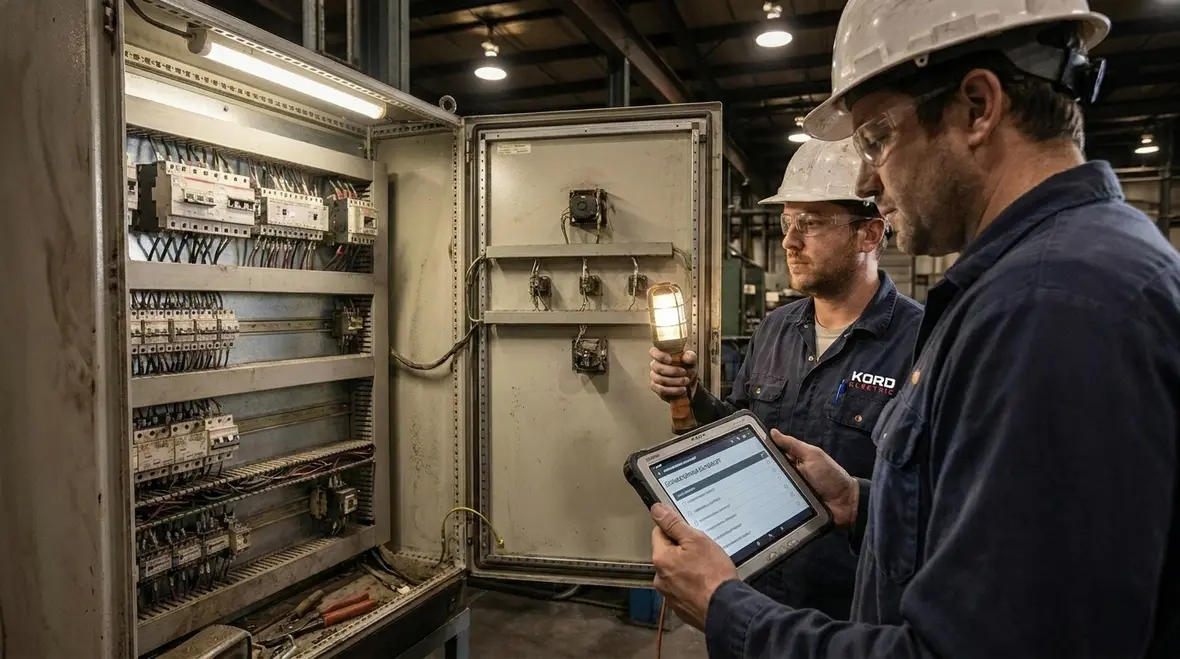
To keep commercial and industrial systems dependable, we connect polarity rules to the outcomes people actually feel. When conductors land on the wrong terminals, several things can go sideways. For example, some devices rely on the correct identification of the grounded conductor and the ungrounded conductor. When those land incorrectly, the device may not behave as designed.
Additionally, many control circuits depend on proper conductor identification for correct operation of indicators, relays, and downstream loads. Even when the load still runs, maintenance teams lose confidence in the system. And once confidence drops, troubleshooting costs rise.
Moreover, polarity problems can complicate how protective devices respond. You can end up with nuisance alarms, inconsistent readings, and troubleshooting that turns into a long detective story where nobody finds the culprit. Meanwhile, production slows and plans slide.
Our expert service staff helps teams prevent these outcomes by verifying polarity during installation and again during commissioning. That second pass matters, because the best plan can still get disrupted by rushed cable pulling, labeling gaps, or last minute change orders.
Where polarity mistakes show up most often in buildings
Commercial and industrial facilities rarely fail because of one mysterious event. Instead, polarity issues usually show up where coordination breaks down. So we focus our field checks on predictable risk points.
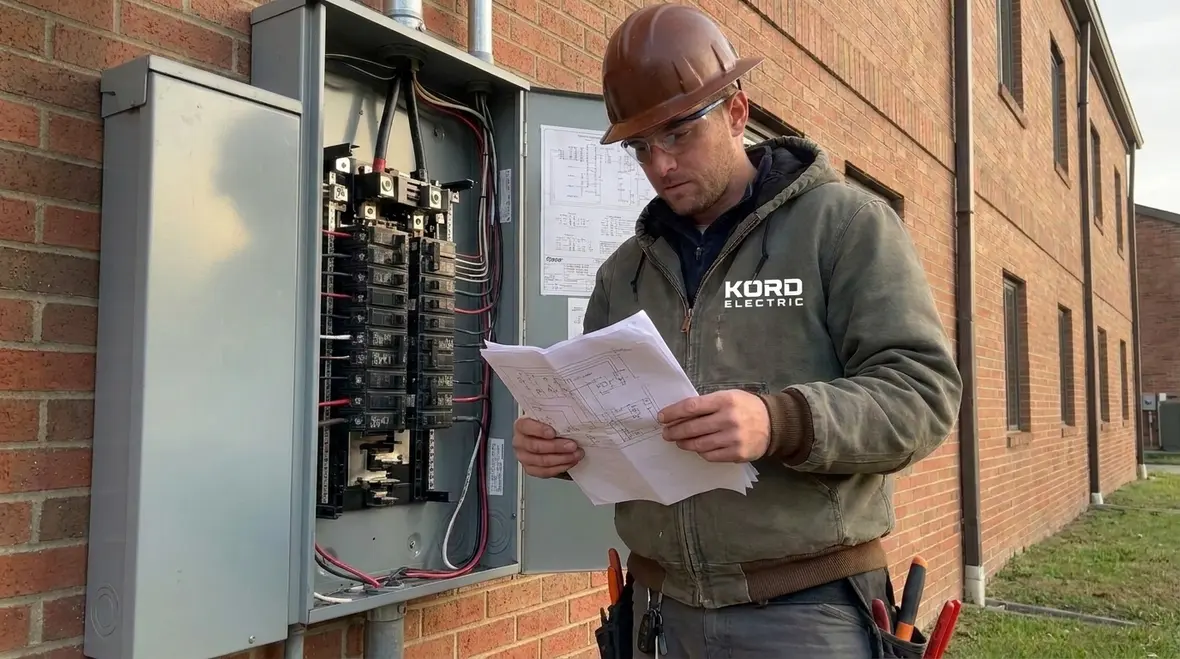
First, we see errors around device termination. Terminal blocks, quick connects, and retrofit devices can tempt crews to follow muscle memory instead of the drawings. Second, changes made during construction and tenant fit out can introduce mismatched conductors, especially when someone labels conductors loosely “close enough.” Third, we see trouble during maintenance when a replacement device gets installed without confirming the existing wiring identification.
Also, wiring runs through junction boxes, cabinets, and pull sections that collect multiple trades. When cables enter a box from different directions, the chance of swapped polarity rises. Then it stays hidden until a test reveals odd behavior. At that point, you pay for the discovery, not the prevention.
So we ask our customers for access during critical stages, and we educate the teams onsite. Our technicians explain what they verify and why, so facility personnel understand what “good” looks like, not just what “passes” on paper.
Best practice workflow for compliance and commissioning
We do not treat polarity as a one time check. Instead, we use a workflow that holds up under real site pressure. That approach helps our work stay clean across commercial and industrial property buildings, from upgrades to new construction.
- Review the design and equipment requirements: We align installation steps to the device data, wiring diagrams, and intended operation, so polarity requirements match the system plan.
- Confirm conductor identification before termination: Our technicians verify labeling, conductor type, and connection points before any wire gets landed.
- Inspect terminations and markings: We check lug tightness, conductor placement, and any polarity related markings on devices.
- Test and document: We run appropriate field tests and record results in a format that maintenance teams can use later.
- Recheck during commissioning: We validate system behavior after handoff, because field conditions can change after rough in.
Of course, not every project has the same schedule. Yet we still push for a consistent standard. Otherwise, polarity compliance becomes a team sport where the rules change each week. And if you ever watched a game where the referee forgets the playbook, you know why that feels bad. We keep the rules steady.
How our technicians explain polarity during service calls
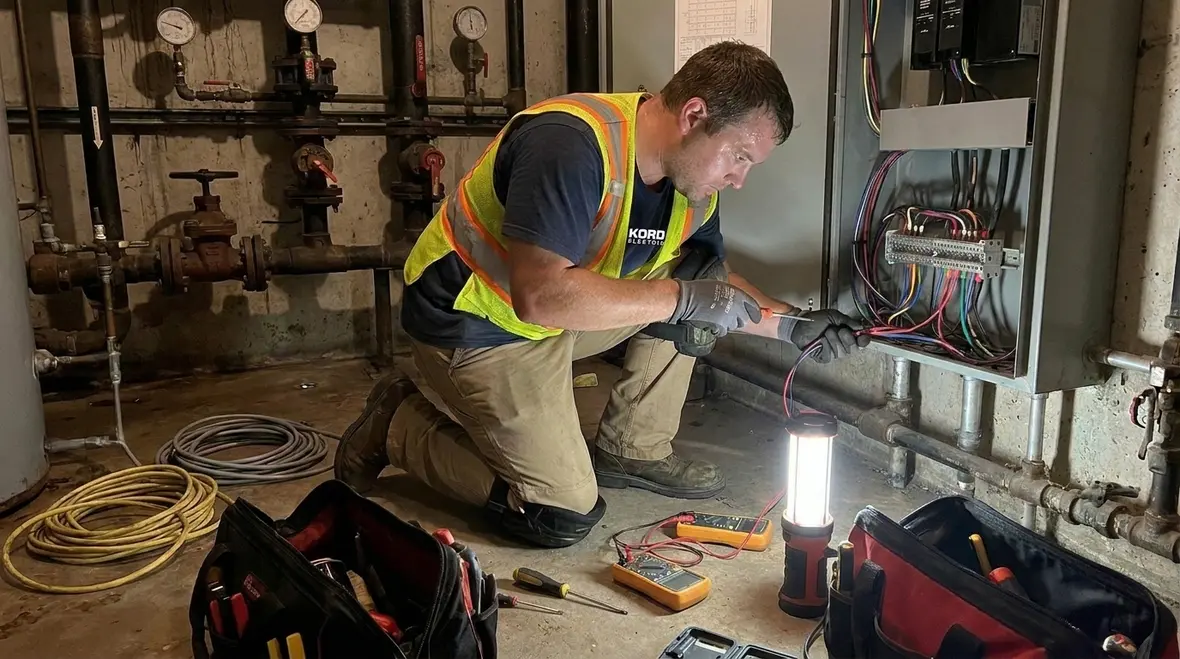
When a facility team calls us, they usually want three things: fast response, clear answers, and no guesswork. Our technicians and expert service staff deliver all three. They start by tracing the circuit, then they confirm polarity and connection points, and then they explain what they found in straightforward language.
In many cases, the issue is not a total failure. Instead, it is an incorrect connection that causes inconsistent operation or confusing test results. Therefore, we document the chain of evidence. We show what changed, what the correct polarity should be, and how the system should respond once it gets corrected.
Also, we help teams avoid repeat events. For example, when replacements happen, we make sure that future maintenance uses the correct terminal identification and labeling practices. We also recommend an inspection rhythm that fits the facility’s risk level, especially for major property buildings where electrical downtime costs real money.
And yes, we sometimes include a joke, because people have to hear the details without feeling like they are getting grilled. Electricity already does enough grilling on its own.
Related NEC resources and how we keep up with updates
Electrical codes evolve, and facilities build new expectations with every project. We stay current with NEC guidance and also use practical resources that translate code language into field realities. For example, our teams rely on our own Kord Electric and Kord Fire blog explanations to connect the official language to what crews see in conduit, cabinets, and device boxes.
If you want a deeper code focused overview, our internal educational materials help readers understand how the National Electrical Code applies to real systems, including the logic behind safety provisions. You can explore more through:
- Kord Electric blog education at Understanding NFPA 70: The National Electrical Code Explained for 2026
- NEC and code articles at Kord Fire’s NFPA 70 overview
- Broader Kord Fire resources via kordfire.com.au and fire pump focused context at firepumps.org when projects include those systems
We still treat the NEC as the final authority. However, our staff uses these references to sharpen training, improve field checks, and help customers make better decisions during design, installation, and service work.
FAQ
For facilities that want help applying these practices across broader projects, Kord Electric’s Los Angeles County electrical services overview shows how we support everything from design reviews and commissioning to ongoing preventive maintenance for commercial and industrial sites.
Final word: choose a team that builds it right
At Kord Electric, we support commercial and industrial facilities with electrical work that respects the intent behind NEC polarity of connections code and the real-world outcomes that follow. Our technicians and expert service staff do more than install and test. They explain what they check, why it matters, and how it protects your operations. If you need a polarity review, commissioning support, or service troubleshooting for a major property building, we are ready. Reach out to Kord Electric and let us bring clarity, not chaos.


