
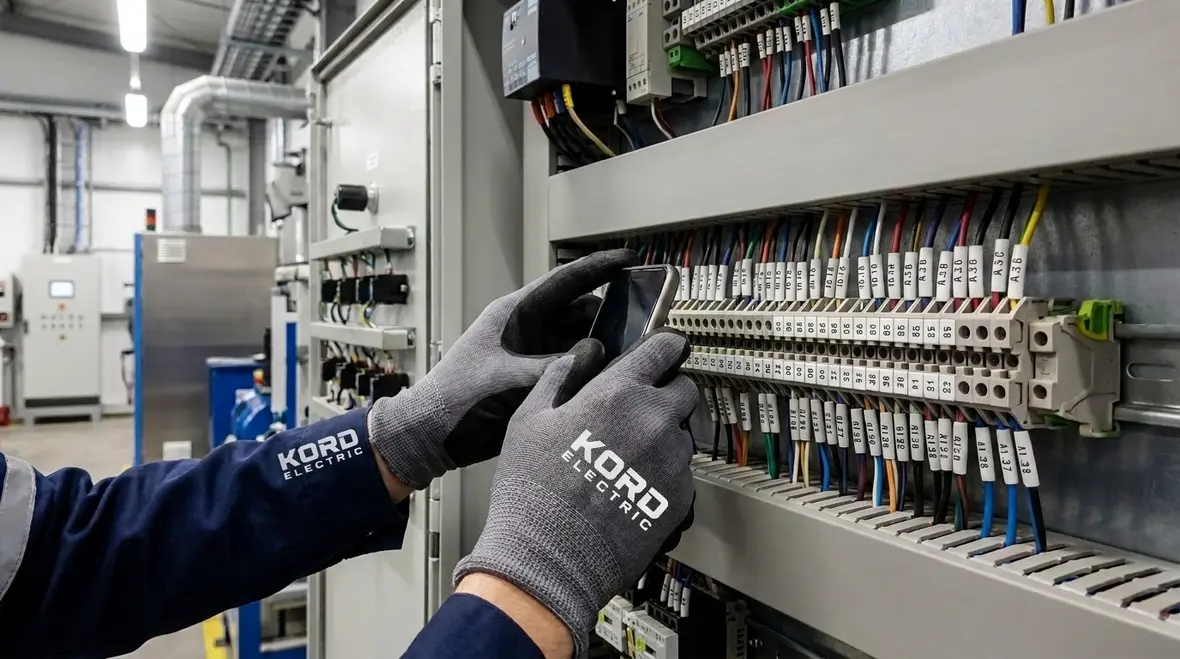
NFPA 70 Section 200.10 Terminal Identification Requirements
Kord Electric helps commercial and industrial facilities stay safe, compliant, and dependable. To get there, we start with one detail that sounds small, but can cause big trouble: the NFPA 70 Section 200.10 terminal identification requirements. In the first place, this rule focuses on how terminals must be marked so qualified people can tell what connects to what, especially during installation, inspection, and service. Then, to keep those marks clear and reliable, the code expects identification to be durable and consistent with the wiring plan. And yes, we have seen what happens when terminals are labeled like a mystery novel. Nobody wants to be the detective on a live panel. So, as we explain in our technician driven guidance, terminal identification is not paperwork. It is a safety system that prevents mistakes.
What NEC 200.10 is really trying to prevent
In our experience working around switchgear, motor controls, and large distribution systems, the biggest risk usually comes from human confusion. A technician steps in for routine service, a contractor swaps a component, or a future team inherits a panel that no longer matches the notes. Meanwhile, the wiring still has to do its job, regardless of whether the label was clear. That is where the NFPA 70 Section 200.10 terminal identification requirements steps in. It forces the electrical system to communicate its connections in a way that trained people can trust.
Here is what the rule protects against, in plain terms. First, it reduces wrong terminations. Next, it supports correct troubleshooting. Then, it helps inspectors confirm that the system you built is the system you intended. Finally, it makes maintenance faster and safer because others can verify the circuit path without guessing.
And to be fair, even good teams can lose track when drawings age, phases get rerouted, or equipment gets replaced. We do not blame people. We build systems that work even when time has opinions.
Why terminal identification matters most in commercial and industrial settings
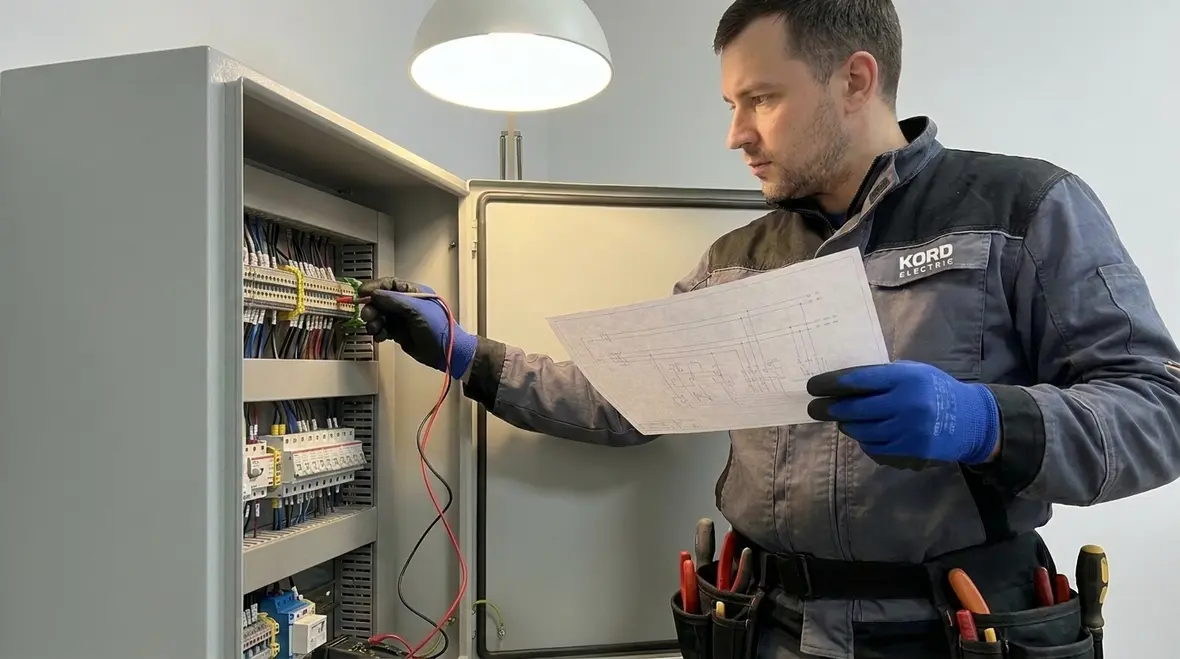
Commercial and industrial facilities live in a busy reality. They run more shifts. They support more loads. They carry more critical equipment. So, when a fault happens, downtime becomes expensive. Therefore, anything that makes restoration slower also raises risk.
Moreover, these sites often involve multiple stakeholders. A facility manager may coordinate service, but an outside contractor may do the work. In addition, the original installer might not be the one who maintains the panel next year. As a result, the terminal identification must remain understandable across people and time.
Kord Electric keeps that in mind for major property buildings, warehouses, office campuses, and industrial sites. Our expert service staff explains labeling practices in a way that fits how these sites actually operate. When we train teams, we focus on what matters for fast verification: terminal markings that match the field wiring, and markings that remain readable where heat, vibration, and wear show up.
How technicians use terminal labels during installation and service
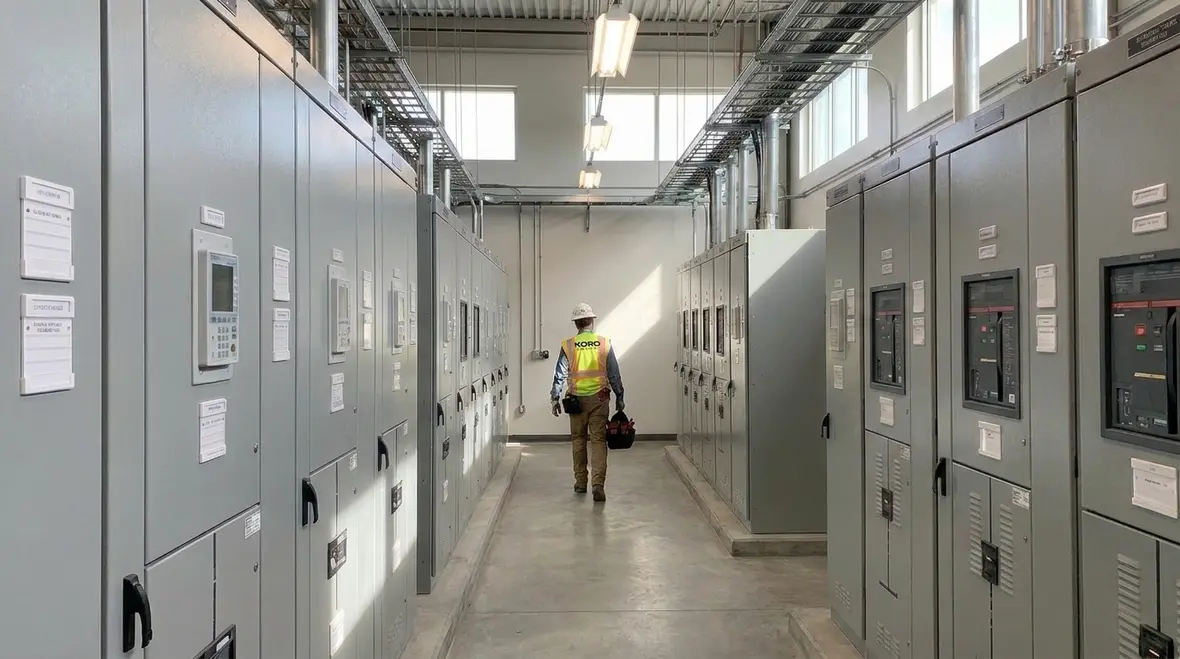
To see why this matters, imagine a control cabinet with multiple devices. Each device ties into terminals for power, control signals, interlocks, and feedback. If the labels are incomplete or unclear, we do not just get annoyed. We create a condition where a wrong wire can look right.
Then, during troubleshooting, terminal identification becomes a compass. Our technicians trace circuits by reading markings that align with the equipment scheme. Instead of flipping through documents while time runs, they confirm connections at the terminal itself. As a result, diagnosis stays consistent, and restoration becomes smoother.
Now, we also deal with the reality that some equipment arrives with labeling that does not match the final field configuration. So, our team checks alignment between the wiring, the legend, and the terminal markings. If something does not agree, we correct it before energizing. We prefer calm problem solving to the kind of chaos that makes people say, “It worked yesterday,” like yesterday is still on duty.
What “proper identification” looks like in the field
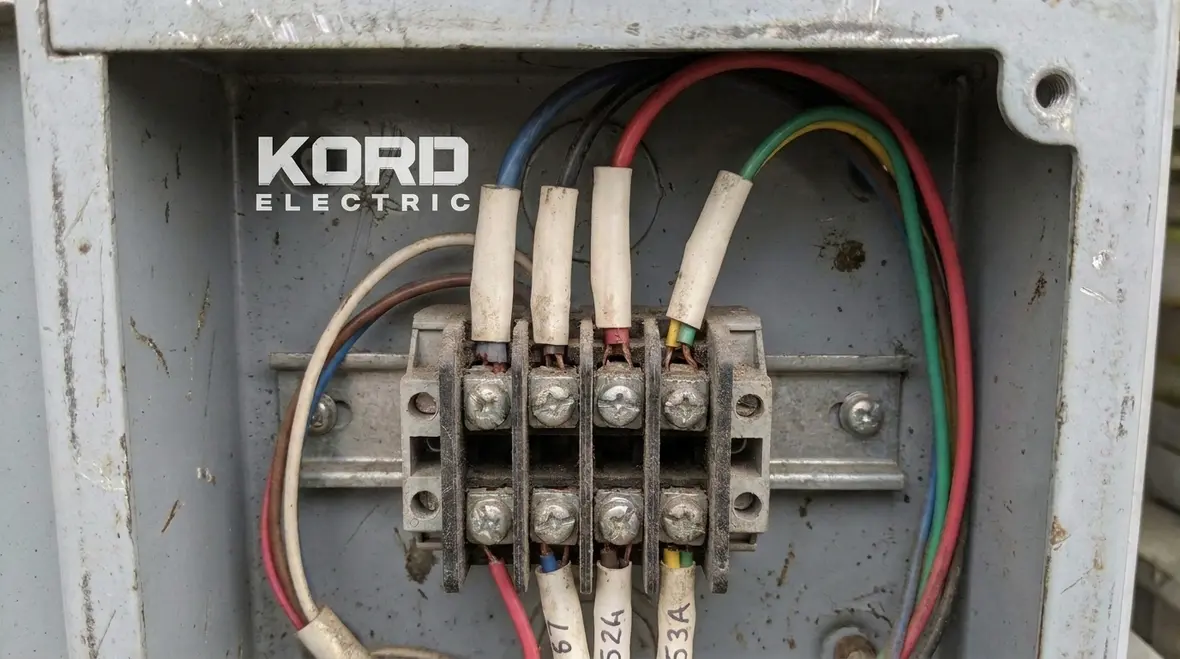
In practical terms, proper terminal identification requirements mean that labels must make the connection obvious to a qualified person. That includes correct numbering or lettering, clear association to the correct circuit, and durability for the environment where the equipment lives.
To make this useful, we advise facilities to treat identification as part of the electrical work, not a final afterthought. First, labels should correspond to the wiring or the equipment scheme. Next, they should remain readable after installation. Then, the marking system should help avoid mix ups between similar terminals, especially where multiple control conductors share the same device family.
Also, in many commercial and industrial cabinets, space is tight. So, our team considers visibility and placement. We want labels in locations that technicians can actually read with gloves on and flashlights in hand. Finally, we emphasize consistency across panels and locations, so teams do not learn a new “label language” every time they enter a room.
For more context on how the National Electrical Code handles structure and intent, we also reference NEC explanations we share with the community, including our in depth article Understanding NFPA 70: The National Electrical Code Explained for 2026. That guidance discusses how the NEC supports safe, organized installation practices for 2026 planning and beyond. And yes, we do read the code so you do not have to. We enjoy it about as much as someone enjoys assembling furniture without the instructions. But we do it.

Common mistakes we see during inspections and maintenance
Even strong teams can miss details, especially when projects move fast. Here are the issues we frequently see, and what we do about them.
1) Labels that do not match the wiring. Sometimes a circuit changes in the field, but the terminal marking stays the same. As a result, future service becomes guesswork.
2) Missing identification on one or more terminals. A few unlabeled points can break the whole troubleshooting chain. Then technicians waste time verifying what should have been obvious.
3) Labels that fade, peel, or wear out. In harsh environments, printed tape does not last. Heat and vibration can turn neat markings into unreadable smudges.
4) Confusing numbering between similar boards. When two panels use different conventions, crews can misread the meaning. Therefore, we help facilities standardize labeling practices.
Our expert service staff explains these risks in a direct way. We show the technician what a safe label looks like, where it should sit, and how it ties back to the wiring plan. That coaching reduces repeat errors during future work. And when someone jokes that the label “looks fine,” we simply guide them to read it at a distance, under real lighting, during real service conditions.
Documentation and labeling work together with drawings
Terminal identification does not live in isolation. It supports the wiring diagrams, one line drawings, and equipment schemes. So, the best outcomes happen when markings and documents stay aligned.
That is why we recommend a simple workflow for major property buildings and industrial facilities. First, the project team finalizes the wiring plan. Next, they update terminal markings to match that plan. Then, they verify the association between markings and the physical conductors during installation. After that, they keep a record of any changes made in the field.
Transitioning from “we installed it” to “we can explain it later” is what separates smooth maintenance from costly troubleshooting. And our approach reflects that. Kord Electric supports systems that remain understandable long after the initial commissioning push ends.
For additional perspective on how code concepts connect to real life safety, we often reference NEC focused resources across our network, including Kord Fire and other NFPA 70 coverage. Together with our Kord Electric blog entries on topics like load calculations and preventive maintenance, these materials reinforce one core idea: clear identification reduces errors, and error reduction reduces incidents.
FAQ: NEC 200.10 terminal identification requirements
More quick answers for featured snippets
Is terminal identification only for new installs? No. It also applies during repairs, upgrades, and when equipment changes create new or altered connections. Any time conductors move or terminals gain a new purpose, identification needs to keep up.
Do labels need to match equipment numbering? Yes. They should align with the equipment scheme and the wiring plan so technicians can verify connections without guessing. When panel numbers, device tags, and terminal IDs all match, troubleshooting becomes faster and safer.
Can we use shorthand labels? Only if they clearly identify terminals and match the system used for the project. Confusing shorthand is just a fancy way of hiding risk. If a new technician cannot understand the code after a brief explanation, the shorthand is too short.
Will clear terminal identification reduce downtime? Often. Clear terminal identification speeds troubleshooting and helps teams restore equipment faster and safer. When everything from the NEC 200.10 terminal identification requirements to local standards is applied properly, technicians spend less time guessing and more time fixing.
Call Kord Electric for NEC aligned labeling support
Kord Electric supports commercial and industrial facilities with expert electrical service and practical code aligned guidance. If your panels look “good enough” but your team still wastes time tracing conductors, we can help you tighten terminal identification so service becomes safer and faster. Our technicians explain the details clearly, then apply changes that match field wiring and your equipment scheme.
For teams planning broader upgrades or new construction, our NEC focused articles and resources help connect rules like the NEC 200.10 terminal identification requirements with larger electrical decisions. You can explore our NFPA 70 coverage, then combine that perspective with services described in our Los Angeles County electrical services overview, where we outline how Kord Electric supports design, labeling, testing, and inspection for complex facilities.
Contact Kord Electric to review your terminal labeling practices, documentation, and field conditions before the next shutdown schedules itself. With the right labeling strategy, your panels become easier to understand, safer to service, and better aligned with how the NEC expects modern electrical systems to operate.


