
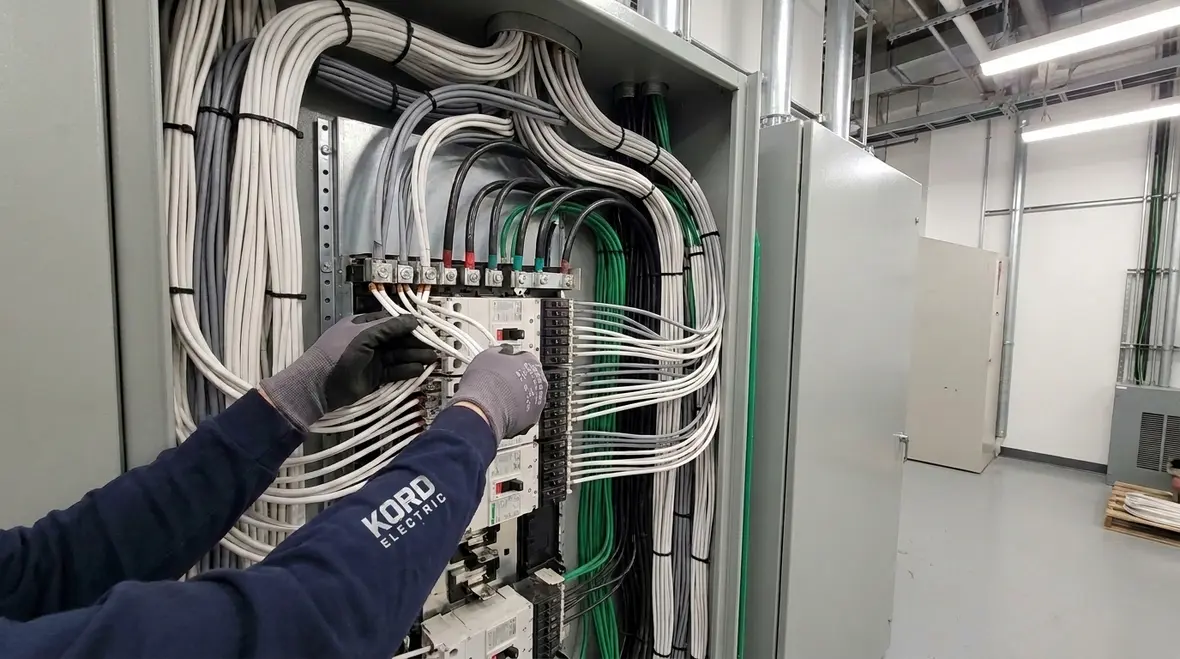
NEC White and Gray Insulation Uses in Section 200.8
NFPA 70 Section 200.8 matters a great deal when a facility needs dependable wiring choices. In particular, NEC white and gray insulation uses often confuse teams during design, bidding, and commissioning. We address this with clear guidance for commercial and industrial buildings, and we do it in a way our customers can actually use. Our technicians and expert service staff explain it step by step, without making it feel like paperwork is starring in a reality show. And yes, we still keep it professional. The code has enough drama on its own.
NEC white and gray insulation uses: why Section 200.8 keeps showing up
In many large projects, wiring color rules become the quiet reason inspections go smoothly or turn into a long week. Section 200.8 focuses on what white and gray insulation are meant for, and why the Code allows certain uses while restricting others. When teams ignore the intent, labeling gets inconsistent, circuits get misunderstood, and troubleshooting becomes slower than it needs to be.
At Kord Electric, we see the real world version of this every time we support commercial and industrial facilities and major property buildings. First, designers choose conductors based on drawings. Next, electricians install and identify conductors in the field. Finally, inspectors and maintenance teams depend on those labels when they need to locate a problem fast. If the NEC white and gray insulation uses are applied casually, the whole chain weakens.
We also notice a common pattern. People treat white and gray like “whatever is available today” wire. That mindset is like grabbing the wrong remote and then blaming the TV. The system still works, but it takes longer to reach the right channel.
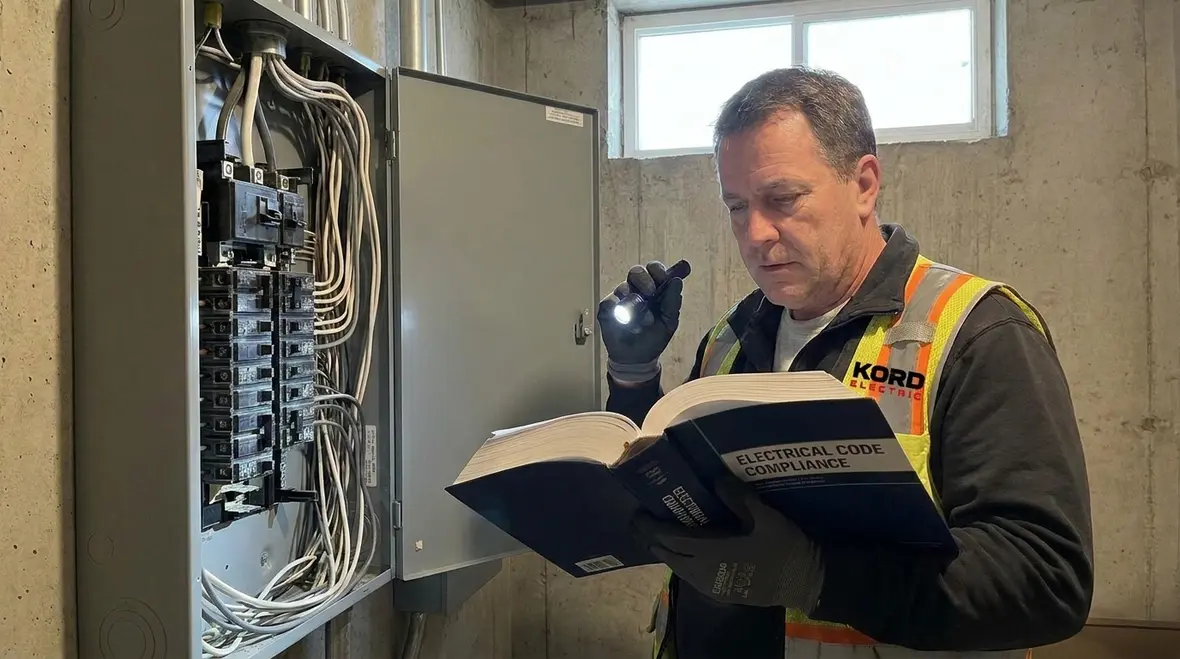
What the code intends when it allows white insulation
NFPA 70 Section 200.8 does not just talk about color for decoration. It ties color to function. Therefore, when white insulation carries a specific purpose, the installation must follow the conditions the Code expects. In many systems, white insulation often connects to a neutral conductor for circuits, but the rules shift when the wiring leaves its usual role.
So, when white insulation becomes a different conductor type, the installation must reflect that change. Otherwise, field techs and maintenance staff may read the conductor by color alone and reach the wrong conclusion. Our technicians explain this clearly to building owners and facility managers: color helps you, but it cannot help you if you change the job and keep the same color story.
Moreover, in commercial and industrial settings, the conductor can support multiple devices, multiple loads, and multiple schedules. Consequently, you need consistency across panels, feeders, and branch circuits. If you allow white insulation in a way that conflicts with the Code intent, you raise the odds of confusion during commissioning and future service visits.
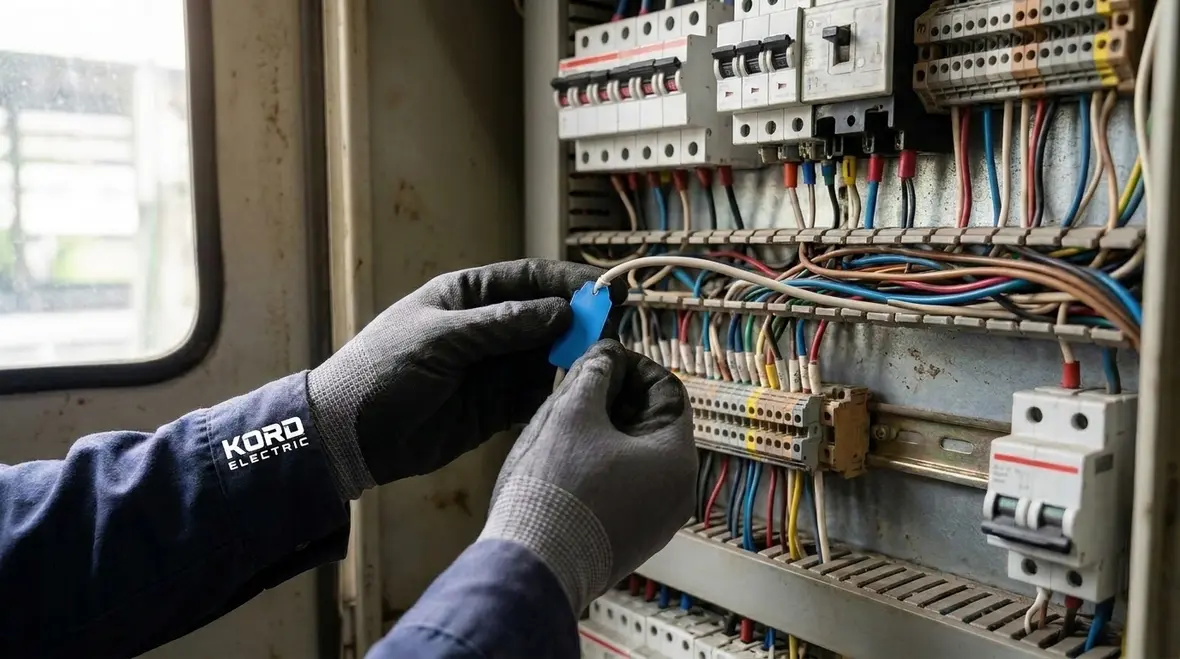
How gray insulation gets used in the same rule set
Gray insulation often gets treated as a cousin to white. However, Section 200.8 addresses how gray insulation can be used based on the conductor’s purpose. We approach this the same way we approach other compliance items: we start by matching the conductor’s intended function to what the Code permits for that insulation color.
Here is the practical point for major property buildings and industrial sites. Gray conductors can show up in systems where isolation, switching, or other circuit roles use insulation colors to provide quick visual cues. Still, visual cues only work when the installation matches the expectations in Section 200.8 and related identification requirements.
As our expert service staff tells clients, the most expensive problem is not the material cost. It is the time lost when a technician opens a panel and needs to confirm what a conductor is supposed to do. When wiring identification aligns with NEC guidance, troubleshooting becomes faster, safer, and less costly.
Identification and workmanship: where compliance becomes real
Even when designers select the right insulation color, installation details decide whether the job truly complies. For commercial and industrial work, we focus on workmanship that holds up under inspection and under maintenance conditions. Therefore, we pay close attention to how conductors are routed, terminated, and identified.
What does “identify correctly” mean in the field? It means the wiring tells the truth. It means labels match the circuit intent. It means markings help future technicians. And it means the installation reflects any permitted changes in conductor function tied to color.
In our experience, many issues come from hurried panel work, unclear labeling practices, or a handoff between teams that never fully happens. For example, one team might follow one convention during rough-in, and another might handle final labeling with a different mindset. Then, months later, a facility team gets the fun assignment of figuring out which conductor actually feeds what. That is the kind of scavenger hunt nobody wants to lead.
So we use an approach that balances field practicality and code requirements. Our technicians explain each step, then we verify the installation with a compliance mindset. If something looks off, we correct it before the job becomes a story that someone tells at the next safety meeting.
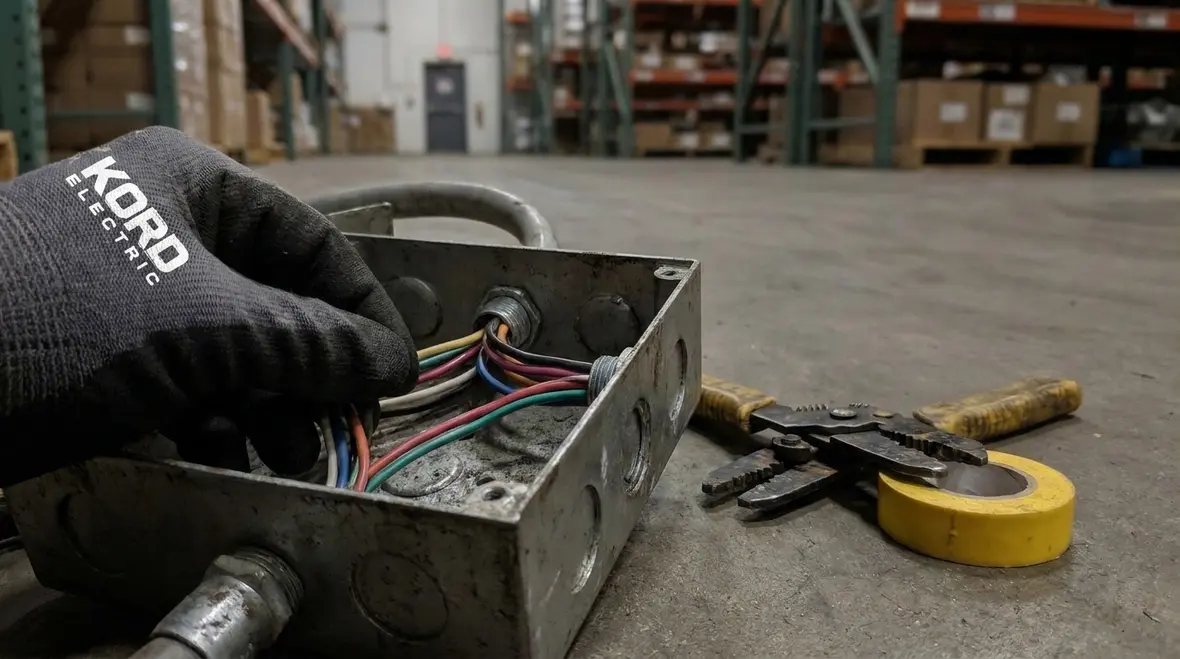
NEC requirements across commercial panels, feeders, and branch circuits
Large buildings rarely stay simple. As a result, the way Section 200.8 connects with broader NEC rules becomes a bigger deal. White and gray insulation rules do not exist alone. They operate within a larger system that includes panel rules, conductor use, and identification practices across branch circuits and feeders.
Our team supports customers by treating the installation like a map. First, we look at what the design documents say the circuits do. Next, we confirm that the insulation choices and conductor functions match those purposes. Then, we ensure identification practices support that relationship across panels and distribution equipment.
Because commercial and industrial facilities often expand over time, identification must remain useful during future upgrades. Therefore, when insulation color decisions connect to conductor intent, the facility can troubleshoot faster during service calls. It also helps with training new maintenance staff. We find that the best long term outcomes come from decisions that are clear today and still clear tomorrow.
And if you think this sounds like common sense, you are correct. The Code still has to say it out loud, because people still forget. Technology changes, but human memory remains stubbornly unreliable. Even in the age of streaming, nobody rewinds a wiring job to fix it quickly.
Partnering with Kord Electric for code focused electrical installs
Kord Electric supports commercial and industrial facilities and major property buildings, and we treat NFPA 70 compliance as part of the business outcome. We do not just install and move on. We build clarity into the work so your team can operate, maintain, and expand the electrical system with confidence.
Our technicians and expert service staff explain the “why” behind the rules, not just the “what.” That means clients understand how Section 200.8 decisions affect inspections and future troubleshooting. We also align our field practices with code expectations in a way that reduces rework and improves reliability.
If you are planning new construction, a tenant improvement, or an upgrade across distribution equipment, we can help you tighten the details before the job reaches the point where fixing becomes expensive. We operate with a steady pace and a careful process, because electrical work does not benefit from speed alone. It benefits from accuracy, coordination, and calm execution.
For more general NEC background and how the National Electrical Code is explained for modern installations, you can also refer to our resources and partners at Kord Fire for additional context, including their guide on NFPA 70 and how it supports real world electrical safety. You can also connect this detail level with Kord Electric’s own resource Understanding NFPA 70: The National Electrical Code Explained for 2026 when you want a broader perspective on how NEC decisions affect planning and upgrades.
Planning upgrades and service work with NEC white and gray insulation uses in mind
Once facility teams start viewing NEC white and gray insulation uses as part of a bigger strategy instead of a last minute material choice, projects tend to feel calmer. Designers write the story clearly. Electricians follow it. Inspectors read it the same way, because the conductors say what they mean. That is where Section 200.8 really earns its place in day to day work.
During renovations or phased upgrades, we often see several generations of work living side by side in the same building. One panel might follow older conventions while a new feeder or branch circuit follows current Code intent. In those cases, we slow down just enough to map which conductors should be neutral, which have been re-identified for other roles, and how white or gray insulation is used so nobody has to guess under pressure.
This mapping step is especially important when facilities add new loads, change production equipment, or reconfigure tenant spaces. Even if the drawings say one thing, reality sometimes says another. By verifying NEC white and gray insulation uses in the field, labeling them clearly, and documenting what we find, we give maintenance teams a baseline they can trust long after the project closes out.
We also encourage facility leaders to treat identification and color use as part of their electrical safety culture. When technicians expect the wiring to be honest, and when they know that white and gray insulation follow a consistent pattern under NEC rules, they can focus on troubleshooting instead of decoding.
For sites that already plan broader electrical improvements, it can be helpful to combine Section 200.8 decisions with a bigger review of wiring integrity and workmanship expectations. Resources like Kord Electric’s guidance on wiring integrity standards and NFPA 70 application scope provide a useful backdrop when you want to tighten installation practices across the board, not just for one color choice.
Where NEC white and gray insulation choices meet local project reality
Every facility operates inside a specific jurisdiction, with an Authority Having Jurisdiction applying NEC requirements and local amendments. That is where NEC white and gray insulation uses move from theory into the real world. Even when Section 200.8 describes what is allowed, the AHJ still looks at how those conductors are identified, how they appear in panels, and whether field labeling lines up with the drawings and the actual load behavior.
Kord Electric’s teams help clients line up those pieces. We review how white and gray conductors are deployed in panels, junction boxes, and raceways, how those conductors are marked when they serve roles other than neutrals, and how that identification appears in documentation. When necessary, we recommend corrections that bring installations back in line with both the Code language and the way inspectors interpret it during walkdowns.
For organizations that handle frequent renovations, tenant buildouts, or equipment swaps, this approach prevents a slow drift away from clarity. Instead of letting color choices become a patchwork of “whatever the last contractor felt like using,” facility leaders can set expectations that keep NEC white and gray insulation uses aligned with Section 200.8 for each new phase of work.
When your facility is located in Southern California and you need help applying these expectations across real projects, Kord Electric can connect you with field proven crews who understand both the book rules and the jobsite realities. Their dedicated Los Angeles County electrical services support commercial and industrial clients that want wiring identification, insulation color choices, and NEC compliance to move together as one plan.
FAQ
Final call from Kord Electric
If your commercial or industrial project involves panel work, distribution upgrades, or long term maintenance planning, we recommend getting insulation and identification decisions right from the start. At Kord Electric, our technicians and expert service staff explain NEC requirements clearly, verify workmanship, and reduce rework before it becomes a costly surprise. Call us to review your scope and wiring plan, so your team can operate with confidence and your inspectors can stop playing “guess the conductor.”
When you are ready to tighten how NEC white and gray insulation uses show up across your facility, you do not need a dramatic plot twist or a surprise ending. You need a consistent plan, clear identification, and a team that treats Section 200.8 as part of everyday electrical quality. That is the role Kord Electric plays for clients across commercial and industrial projects.
If your facility is planning new work in Los Angeles County or the surrounding region, our crews can connect Code theory to the switchgear, panels, and conductors you rely on every shift. We keep the pace steady, the documentation honest, and the wiring choices aligned with the NEC story you want inspectors and maintenance teams to read years from now.


