
NEC Neutral Conductor Rules Explained Section 200.6
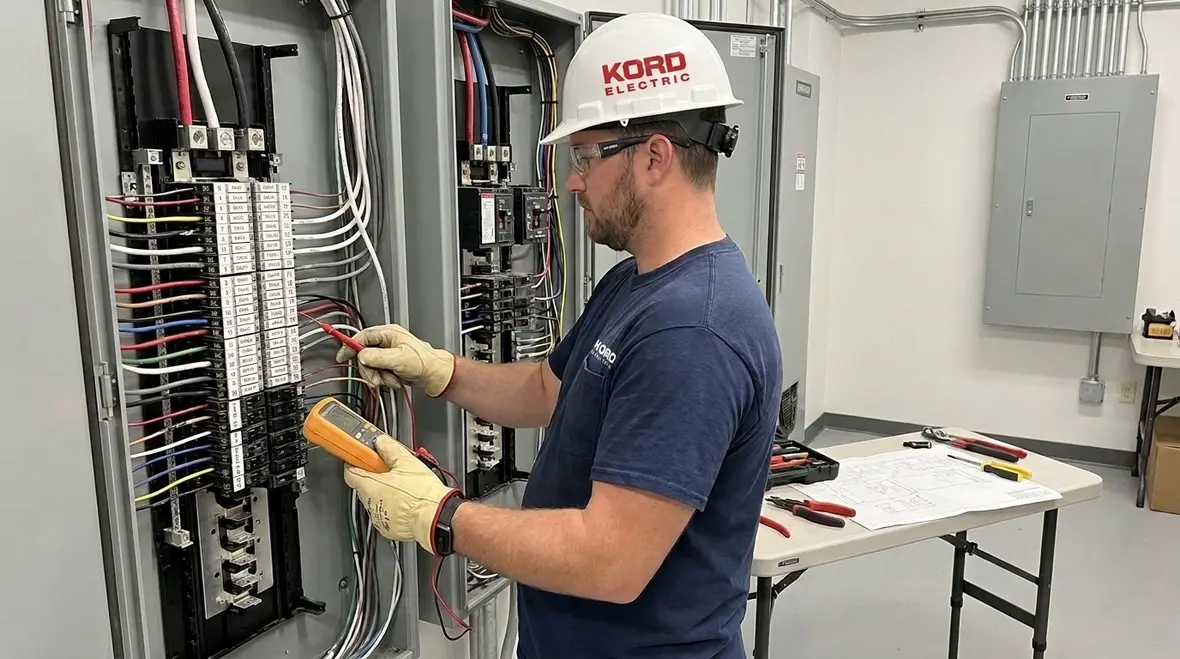
NFPA 70 Section 200.6 is where we spell out how neutral conductors must be handled, including when they carry current and how they must be identified and installed. In our field, we treat those rules like the guardrails on a bridge: if you ignore them, gravity still shows up. Here at Kord Electric, we focus on commercial and industrial facilities and major property buildings, and we explain the NEC neutral conductor rules explained in plain terms so your team can plan work with confidence. Then, once our technicians or expert service staff are on site, we confirm the details with real measurements, real labeling, and real field discipline. Yes, paperwork matters, but we also make sure your system behaves like it should when the load changes.
Why neutral conductors matter in real electrical rooms
Neutral conductors often get treated like the “silent helper” of a wiring system. However, when designers, electricians, or facility teams misunderstand neutral behavior, problems usually do not stay quiet for long. In fact, the neutral can carry more current than people expect, especially when there are unbalanced loads from lighting, receptacles, IT equipment, HVAC controls, and process loads that do not all rise and fall together.
To put it simply, neutral conductors connect to the grounded system and they help complete circuits for line to neutral loads. Consequently, if the neutral is overloaded, loose, misrouted, or incorrectly identified, you risk voltage drift, overheating, nuisance tripping, and harmful noise on sensitive loads. And if you manage a major property building, you already know that “nuisance” problems do not stay nuisance for long. They grow into service calls, downtime, and meetings no one wants.
Our expert service staff at Kord Electric uses this section as a reference point during reviews. Furthermore, we help the facility team understand what the neutral is doing and how the installation must support safe performance under both normal and abnormal conditions.
What Section 200.6 demands for neutral conductors
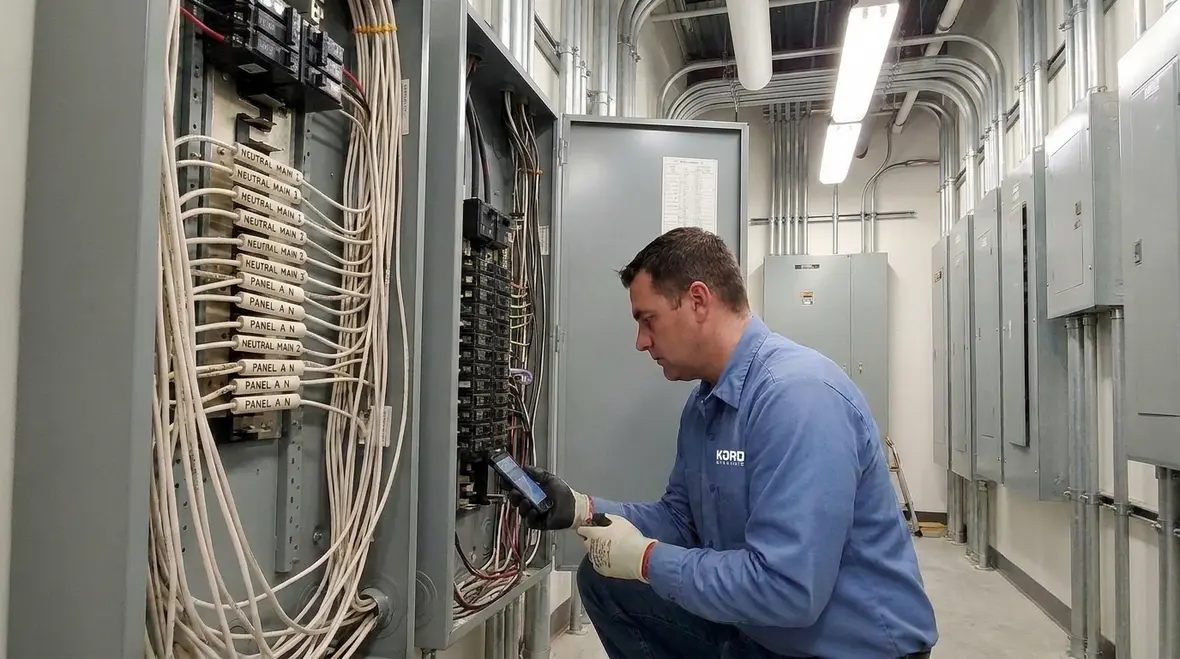
In the context of NFPA 70, Section 200.6 focuses on grounded conductor handling and neutral conductor requirements in certain system setups. While code sections can read dry, the intent stays practical: the neutral conductor must be part of a grounding and wiring scheme that matches how the system is actually used.
Therefore, when we apply NEC neutral conductor rules explained to a project, we look at questions like how conductors are intended to serve loads, how the system is grounded, and how the neutral is routed from source to utilization. We also consider where neutral currents can concentrate due to uneven phase loading. After that, we verify labeling and installation practices that allow field personnel to identify conductors correctly without guesswork.
One more point that our technicians emphasize: if the design uses a neutral in a way that implies it can carry current, the conductor size and terminations must reflect that reality. A neutral that is undersized or damaged does not politely fail. It overheats and it creates conditions that you will feel in the form of callbacks, alarms, and stressed components.
For teams looking for a broader NEC overview that complements Section 200.6, Kord Electric’s resource on understanding NFPA 70, the National Electrical Code explained for 2026 walks through how these code requirements support real-world project planning and inspections.
How unbalanced loads shift neutral current in commercial buildings
In commercial and industrial facilities, loads rarely stay balanced. Lighting circuits may be phased one way, while plug loads and IT loads often respond differently throughout the day. Even if the panel schedule looks tidy, real usage varies by tenant, occupancy, and operating schedule.
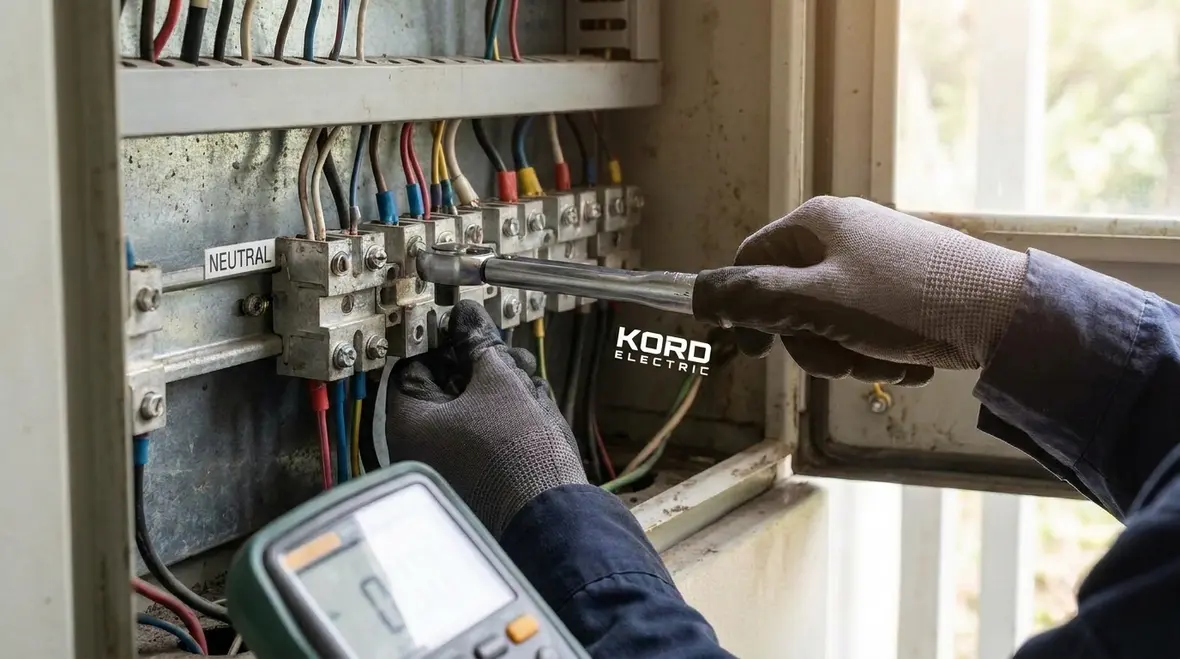
As unbalance grows, the neutral conductor becomes the path that carries the difference between phase currents. So, in practice, the neutral can see significant current even though some people assume it only carries “return current that is always small.” Additionally, the neutral conductor can experience increased heating when current concentrates at terminations, bus connections, or downstream terminations in panels and distribution equipment.
Our approach is to connect code requirements to load behavior. For example, during a facility assessment, we often find that neutral termination quality and conductor cleanliness matter as much as the wire size. We check tightening procedures, look for signs of heat, and confirm that neutral connections match the installation intent. In short, we do not treat neutral conductors like an afterthought. We treat them like a critical system component.
And yes, neutral failures can be as dramatic as a sitcom character insisting they are fine while the smoke detector starts yelling. The smoke detector usually wins.
Proper identification and termination practices
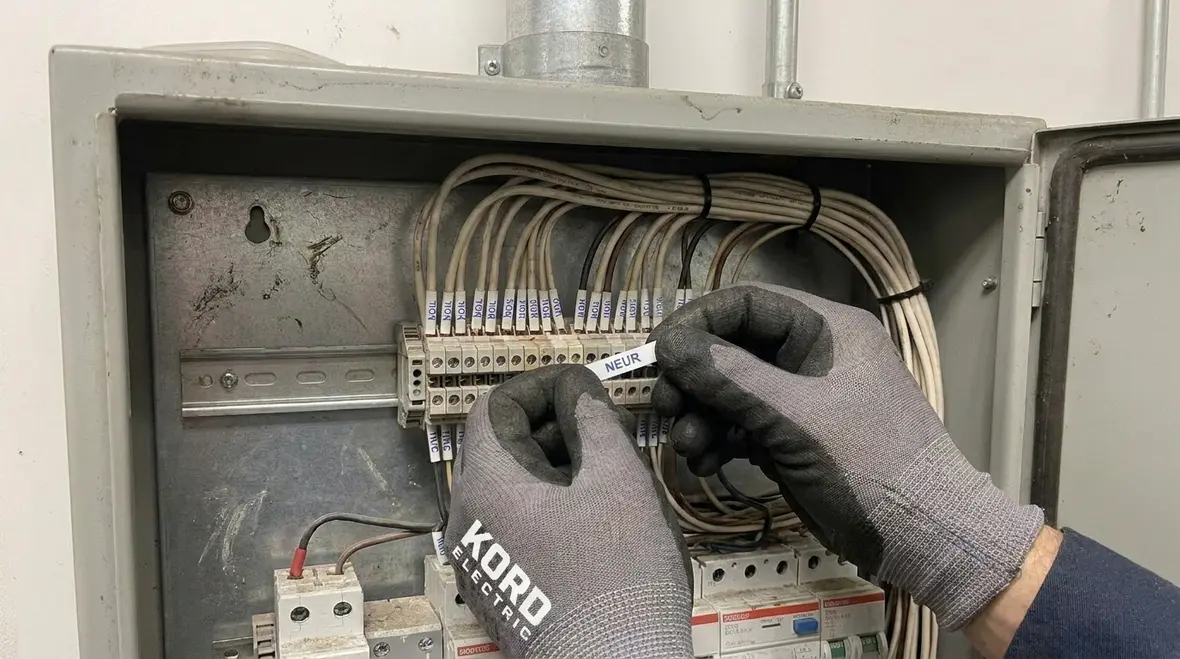
Correct neutral conductor identification is not just a labeling exercise. It reduces the chance of misconnection during maintenance, adds clarity for future electricians, and helps facility teams trace circuits quickly during troubleshooting. When neutral conductors are not clearly identified, the risk rises that someone will treat the wrong conductor as the return path or attempt a repair that does not match the original design.
In commercial and industrial settings, we frequently support teams that operate around the clock. Consequently, work may happen quickly under schedule pressure. We help by emphasizing that identification and termination quality must not be rushed. That means conductors land where they belong, terminations remain properly torqued, and any splices or connections follow safe installation methods.
Our technicians also stress a simple rule: if you cannot explain the neutral routing and grounding logic clearly to your team, you will struggle when something changes. Tenant improvements, new servers, upgraded controls, or shifted equipment loads can all change how the system behaves. Therefore, our expert service staff often documents key neutral conductor details as part of the service record so the next repair does not start from scratch.
Grounding system coordination and troubleshooting approach

Neutral conductors do not work in isolation. They coordinate with the grounding system, bonding points, and distribution layout. If grounding and bonding are wrong, the neutral can become part of unintended current paths. That is how you end up with odd issues like repeated breaker trips, unexpected voltage levels, or high neutral-to-ground readings that send teams chasing their tails.
When we troubleshoot, we follow a logical sequence rather than a guessing game. First, we verify the system configuration and confirm how grounded conductors are supposed to operate. Next, we check terminations, bus connections, and conductor routing. Then we measure key values and compare them to expected behavior based on the load pattern.
Transitioning from measurement back to code intent matters. So, if we find a mismatch, we explain it in clear terms and link it to NEC requirements, including the grounded conductor logic behind Section 200.6. This makes the fix more than “because we said so.” It becomes a code-based correction that your management team can approve with less friction.
For those who want broader context on how the National Electrical Code is applied in practical building work, Kord Electric often points teams to our NEC-focused resources. We also align with the guidance discussed across Kord Fire’s NFPA 70 overviews for the wider NEC picture, including how code updates affect real installations.
Compliance planning for renovations and major property upgrades
Major property buildings do not stay still. Renovations add tenants, modify floor layouts, and shift load profiles. Meanwhile, older electrical systems may not match current standards or may have been installed under different assumptions. When that happens, the neutral conductor rules explained in NFPA 70 become a key risk area during upgrades.
So, we plan compliance with a practical workflow. First, we review the existing one line diagram and panel schedule to understand where neutral conductors route and where grounded conductor connections occur. Next, we verify whether any neutral conductors are shared across circuits where the actual design could lead to unexpected current. Then we check that any modifications, such as new feeders, panel add ons, or equipment connections, keep neutral handling consistent with the system design intent.
Moreover, we coordinate with facility leadership because downtime is expensive. We help schedule work, document neutral conductor handling, and provide clear handoff notes so the facility team can maintain the corrected system. That coordination matters in commercial and industrial environments, where the electrical room cannot become a science fair.
If you are managing fire pump systems or life safety gear, you may also want to coordinate neutral and grounding considerations with the equipment requirements and how they integrate with the building power scheme. For broader fire pump and life safety information, firepumps.org offers useful context, and we help ensure your electrical work aligns with those operational needs.
As renovations and upgrades proceed, our technicians often connect neutral conductor planning with broader reliability strategies. For example, teams that are enhancing emergency or backup power can benefit from reviewing Kord Electric’s guidance on emergency power system design and data-driven electrical planning, so the neutral handling in normal operation supports the same level of clarity when equipment transfers to backup sources.
When your upgrades extend across multiple facilities in Los Angeles County or across a large campus, aligning neutral conductor work with a consistent service approach matters even more. That is where partnering with a provider who understands regional inspection expectations and NEC applications across commercial and industrial sites helps keep the project on schedule.
If you are coordinating larger system improvements and need a team that works across major properties with consistent NEC application, Kord Electric’s Los Angeles County electrical services support commercial and industrial facilities with code-conscious installation, troubleshooting, and upgrades that keep neutral and grounding logic aligned from planning to final inspection.
FAQ: Neutral conductor requirements and field questions
Conclusion: bring neutral conductor clarity to your next project
At Kord Electric, we help commercial and industrial facilities handle NFPA 70 requirements with calm, code based certainty. We explain the NEC neutral conductor rules explained in a way your team can act on, and we back it up with inspections, measurements, and skilled service from our technicians and expert staff. If your building plan includes upgrades, new tenants, or power changes, contact us early so we can prevent neutral conductor problems before they become expensive “surprises.”
From Section 200.6 grounded conductor identification to how neutrals interact with grounding, bonding, and load behavior, our focus is to turn dense code language into field-ready guidance. That way, your project team, maintenance staff, and leadership all share the same understanding of what a safe, code-aligned neutral installation looks like in your electrical rooms.
When you are ready to connect Section 200.6 to a complete system review, our team is prepared to walk your facility, evaluate neutral and grounding conditions, and recommend practical steps that align with your schedule and budget. Clear neutral logic today means fewer surprises tomorrow—and fewer meetings where everyone wonders why the “quiet” conductor suddenly made so much noise.


