NEC Communications Bonding Starts at Ground with 250.94
NEC communications bonding starts at the ground
At Kord Electric, we approach NEC communications bonding like we approach every serious electrical job for commercial and industrial facilities and major property buildings: calmly, carefully, and with the right checks. And yes, the “right checks” part matters, because bonding communications systems to your ground is one of those tasks that can look simple until it is not. Then suddenly everyone is staring at a control panel like it owes them money.
In this article, third person clarity leads the way. Meanwhile, our expert service staff explains what NFPA 70 Section 250.94 expects, how field teams should apply it, and how Kord Electric technicians verify the work so it stays safe and reliable over time.
What NFPA 70 Section 250.94 requires for communications systems
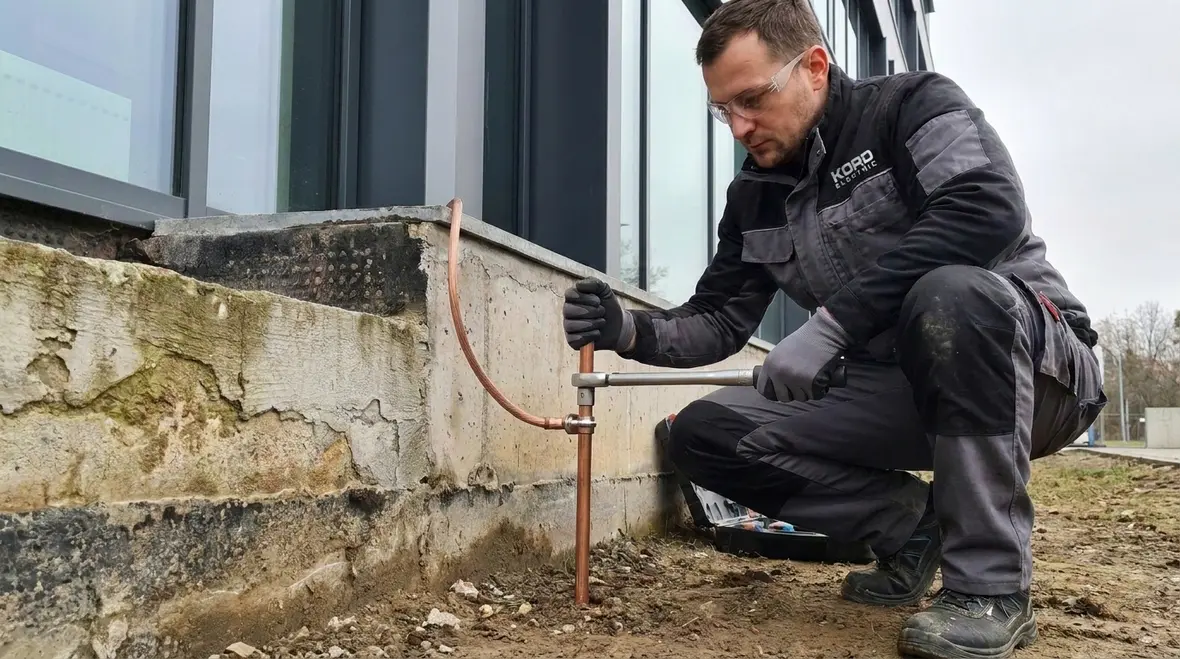
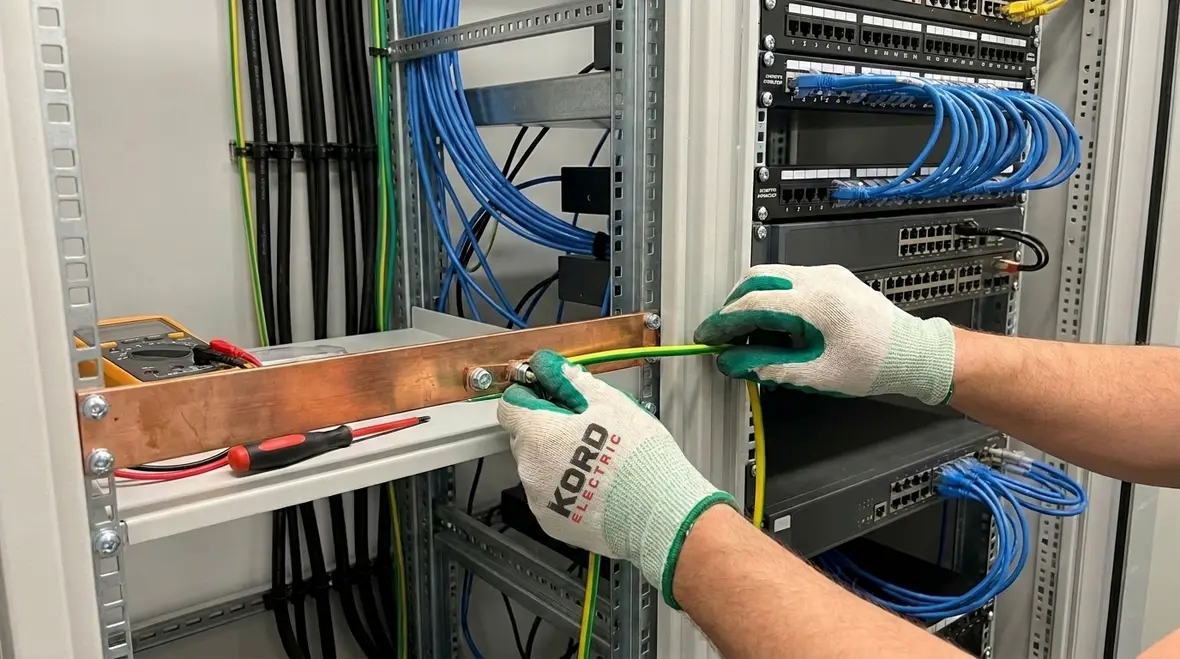
NFPA 70 Section 250.94 focuses on bonding communications systems to the electrical ground. Specifically, it addresses how metallic pathways, raceways, conductors, and related equipment must tie into the grounding system so that fault currents and electrical disturbances do not take unpredictable routes.
Instead of treating communications wiring like a separate island, the code expects it to behave like part of the whole electrical system. Consequently, when a strike, surge, or fault event pushes energy into the building, the bonding helps control where that energy goes. In short, it reduces the chance that stray voltage creates shock risk or knocks out sensitive equipment.
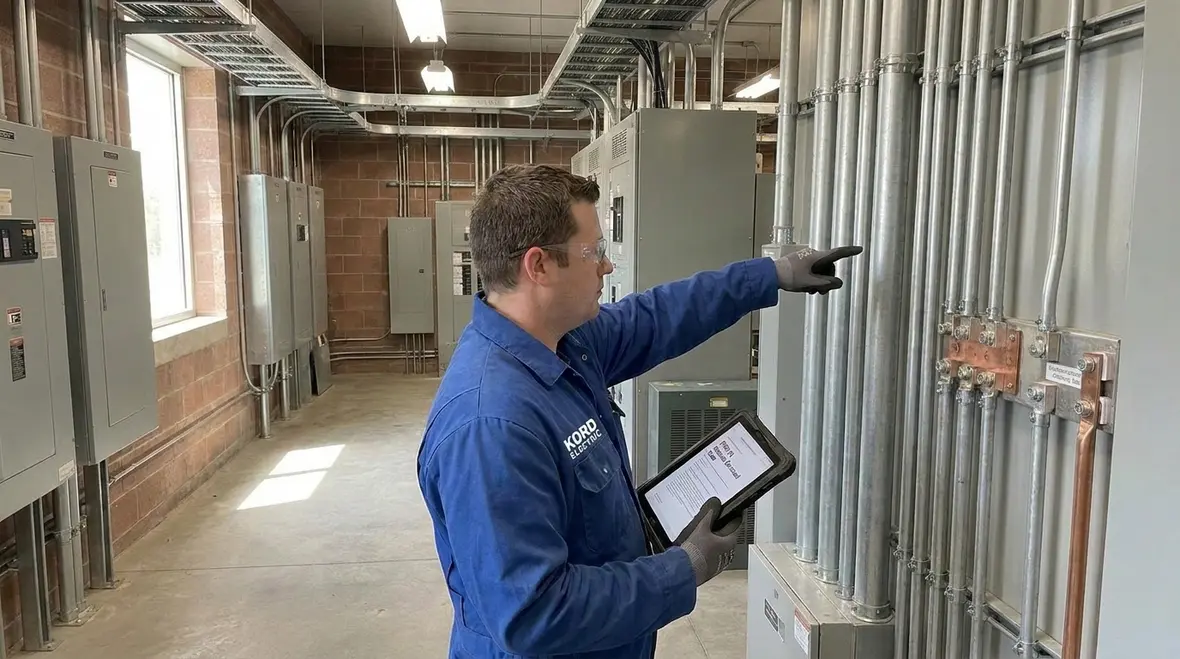
Also, for commercial and industrial facilities, these requirements carry extra weight because the building may serve critical operations. Therefore, Kord Electric plans bonding with the facility’s power distribution, telecommunications infrastructure, and site grounding in mind.
Why communications bonding protects people and equipment
When facilities ignore proper bonding, problems rarely announce themselves with a big dramatic soundtrack. Often, they show up as intermittent faults, noisy signals, nuisance alarms, or devices that fail “for no reason.” Then the maintenance team spends hours chasing a ghost that lives inside the ground.
With NFPA 70 bonding rules followed, the building provides a more predictable path for electrical energy. As a result, personnel face less risk from unexpected voltage on metal components. At the same time, equipment benefits because the reference point for signal systems stays stable.
Moreover, communications systems often connect to life safety devices, security platforms, and enterprise networks. Therefore, even small electrical disturbances can ripple into downtime. Kord Electric treats bonding as part of reliability, not just compliance.
How Kord Electric technicians verify grounding and bonding in the field
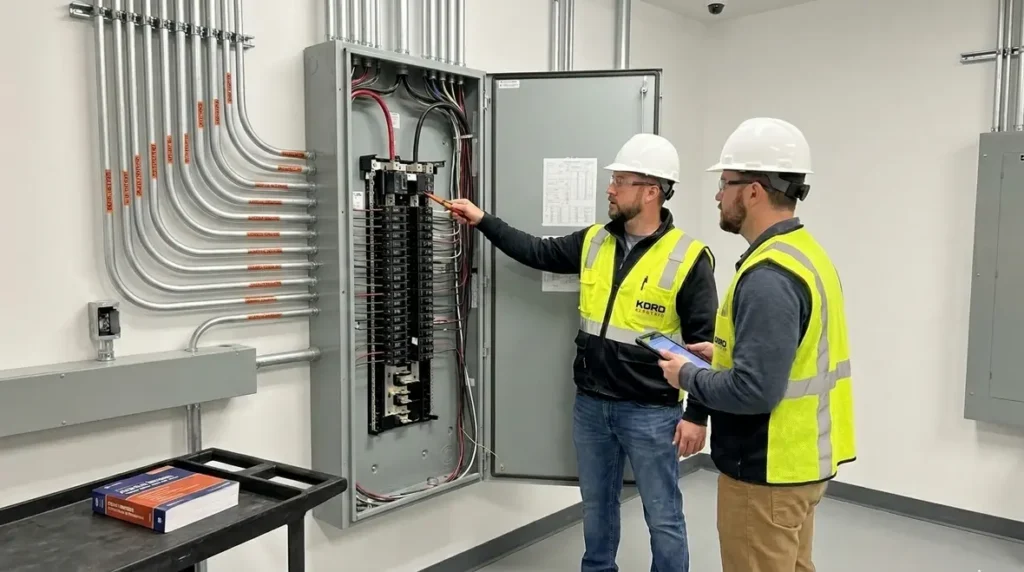
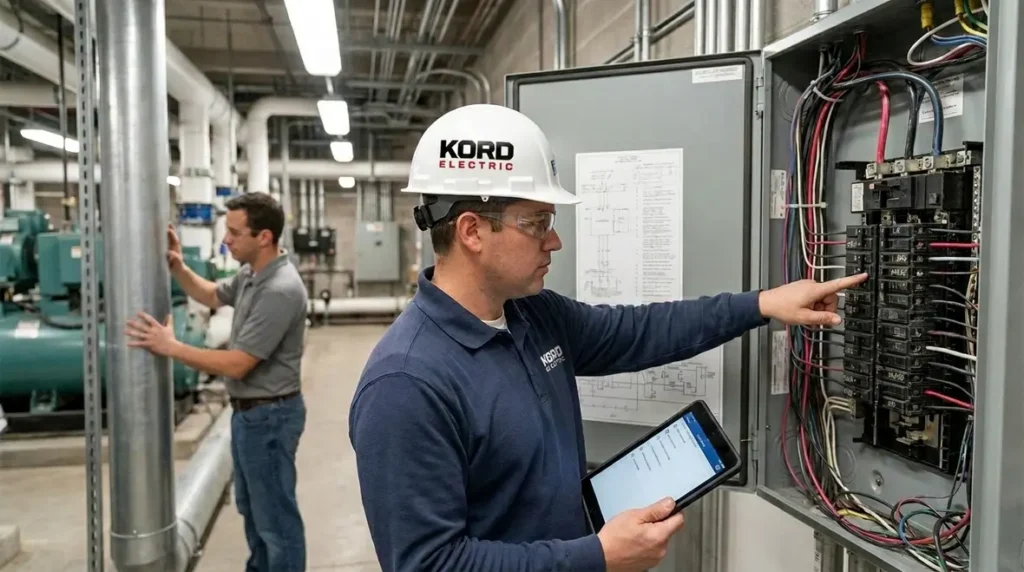
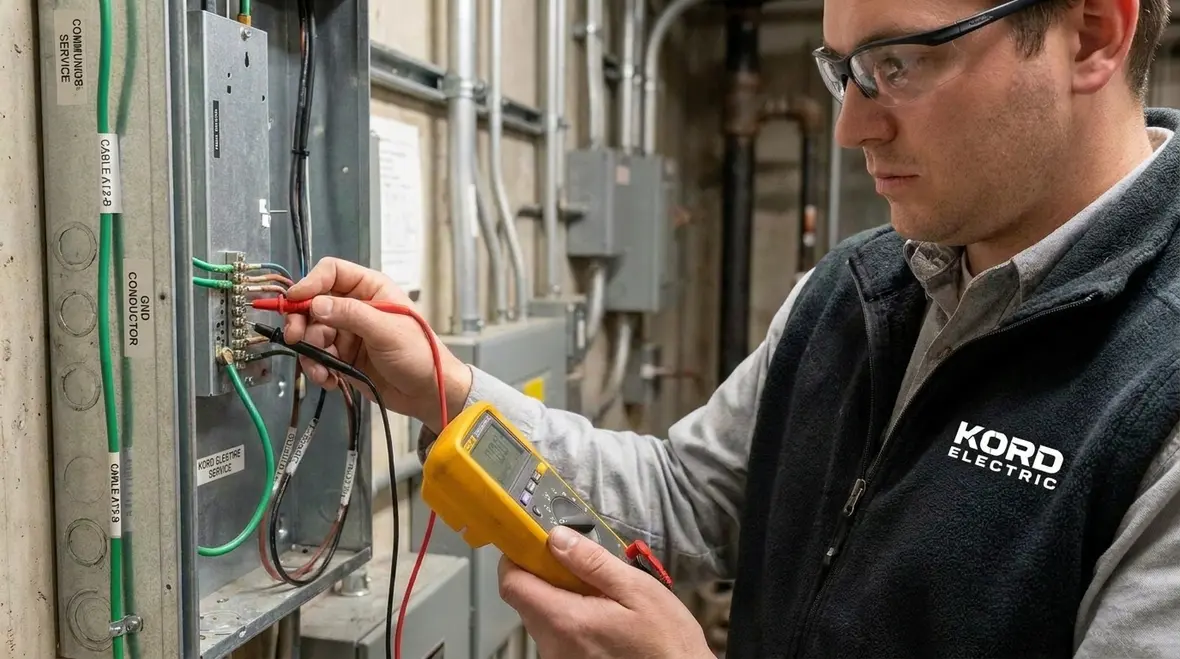
Our technicians do not just “connect a wire and move on.” Instead, our process checks the full path, the connection quality, and the continuity between the communications system and the grounding system. In other words, we build proof, not assumptions.
Typically, Kord Electric’s expert service staff reviews the installation details that control bonding performance, such as these:
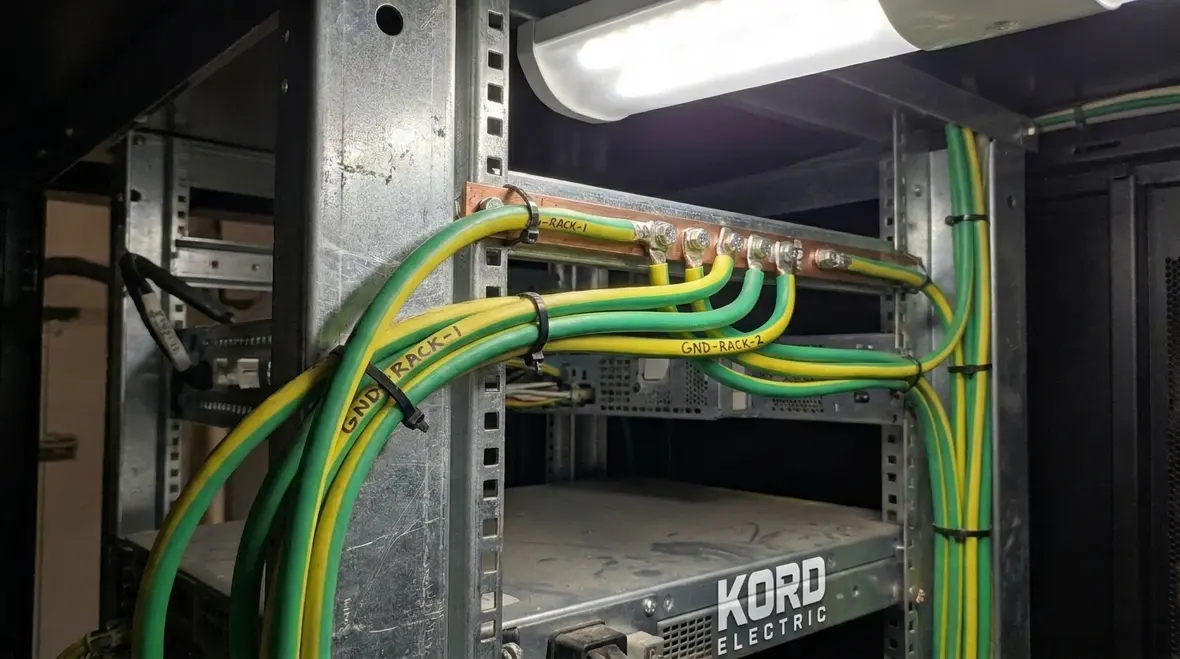
- Bonding jumpers and conductors: We verify the correct conductor size, material, and routing method based on the system design.
- Raceways and enclosures: We confirm metal pathways maintain electrical continuity where they should, and we avoid relying on paint, rust, or loose fittings.
- Connection integrity: We inspect terminations to ensure mechanical tightness and proper contact. A poor connection acts like a bad handshake that never sticks.
- System interface points: We confirm where communications equipment interfaces with other building systems, bonding matches the intended grounding strategy.
Meanwhile, we also coordinate with the facility team so work does not disrupt operations more than needed. That matters in commercial and industrial settings, because nobody enjoys halting a production floor just to hunt a continuity issue.
And yes, we have seen it: a bonding path that looked perfect on a wiring diagram, yet failed because a connector was installed upside down. Electrical work has a sense of humor, but we do not laugh when uptime is on the line.
Common bonding mistakes we see in commercial builds
Even experienced contractors can stumble when bonding rules meet real jobsite conditions. However, Kord Electric technicians commonly spot a few recurring issues, especially when schedules tighten and “good enough” gets invited to the jobsite.
Here are errors that tend to cause headaches later:
- Relying on non-metallic pathways: Communications raceways and fittings must support the bonding intent, and we avoid setups that block continuity.
- Skipping interface bonding: Equipment rooms, telecom closets, and demarc areas often hide connection points. If bonding stops there, the rest of the system can lose its reference.
- Using unapproved grounding methods: Some “field fixes” create risks. Instead, we align bonding steps with the NEC communications bonding approach and the requirements that govern it.
- Assuming paint prevents problems: Paint and coatings can reduce electrical contact. Consequently, we treat coating break through and connection preparation as part of the installation, not an afterthought.
To connect this idea to the broader code picture, Kord Electric also reviews the building’s electrical code approach as described in our resources about the National Electrical Code, including how grounding and system bonding fit into the larger safety framework. For teams who want a deeper backdrop, the Kord Electric blog article Understanding NFPA 70: The National Electrical Code Explained for 2026 connects core NEC concepts to real-world commercial and industrial projects.
For fire and life safety context, Kord Fire resources also help teams connect grounding concepts to protection strategies across different building systems. When one plan covers power, fire systems, and communications, the facility runs with less guesswork.
Plan bonding with the building’s overall grounding strategy
Bonding does not live alone. It depends on how the building grounds everything, from service equipment to structural steel to system enclosures. Therefore, Kord Electric treats communications bonding as part of a full grounding strategy, especially for major property buildings with multiple floors, zones, and equipment rooms.
Accordingly, during planning we coordinate with electrical distribution plans and communications infrastructure layouts. We look at where cables enter buildings, where equipment lands, and how pathways travel through walls and slabs. Then we decide how bonding points connect so the system behaves as one.
Also, surge and transient events do not respect tenant boundaries, marketing slogans, or “this wiring section is out of scope.” Consequently, the facility’s grounding and bonding need to support the entire site, including areas where communications equipment links to other systems.
Even if a project team starts with a tight budget, bonding done correctly prevents expensive troubleshooting later. It is like paying for the correct tool now, instead of using a butter knife and hoping physics takes the day off.
For teams that also study code context related to electrical protection and life safety systems, we point them toward resources that discuss the NEC’s role in safer installations, and organizations that keep practical fire protection knowledge within reach, such as firepumps.org. While each system differs, grounding and bonding still tie back to the same idea: controlled paths reduce risk.
How the right bonding supports inspections and ongoing maintenance
When facilities want to pass inspections smoothly, they do not just want a “done” installation. They want traceable decisions. Kord Electric technicians help build that record by documenting bonding methods, connection points, and the way the communications system ties into the grounded network of the building.
Furthermore, proper NEC communications bonding helps maintenance teams troubleshoot faster. Instead of guessing why a device sees stray voltage, the team can follow a consistent grounding reference and verify continuity where it matters.
That approach also supports change management. When new access control units, network switches, cameras, or security panels come online, our expert service staff evaluates how additions affect existing bonding paths. In other words, we do not treat bonding as a one time event; we treat it as a living part of the facility.
And for property managers and engineers, that reduces operational surprises. Nobody wants a quarterly “mystery outage” that turns into a week-long investigation because a connection loosened or a pathway got altered.
For facilities across Los Angeles County and Southern California, aligning communications bonding with broader electrical maintenance plans also supports long-term reliability. When teams work with a provider who already understands their equipment, documentation, and NEC expectations, every inspection and upgrade becomes easier. That is why many organizations pair NEC communications bonding work with comprehensive Los Angeles County electrical services from the same trusted partner.
Frequently Asked Questions about Section 250.94 bonding
Book Kord Electric for communications bonding on your next project
Kord Electric helps commercial and industrial facilities apply NFPA 70 Section 250.94 correctly, with bonding that supports safety, performance, and smoother inspection outcomes. Our expert service staff works with your teams to plan bonding points, verify terminations, and document the work so maintenance stays simple later. If your facility is building new infrastructure or upgrading communications equipment, contact Kord Electric and we will provide a clear plan, solid workmanship, and calm, dependable results.
Sources referenced for broader code context include Kord Electric and Kord Fire code explainers, including the articles linked on kordelectric.com and kordfire.com.