NFPA 70 Section 250.90 NEC Bonding General Requirements
NFPA 70 Section 250.90 sets the tone for bonding by laying out the general requirements in plain, practical language. In our work at Kord Electric, we follow these NEC bonding general requirements the way a good foreman follows a blueprint: carefully, consistently, and with zero guesswork. Bonding matters because it helps keep metal parts at the right electrical potential, which in turn supports safer fault current paths. At the same time, it helps crews avoid the kind of field “mystery problems” that show up after an install and then haunt everyone’s calendar. And yes, we have seen the “it worked on Tuesday” scenario more times than we would like.
What Section 250.90 asks for in real jobs
NFPA 70 Section 250.90 focuses on general rules for bonding. It does not tell a facility manager to “try harder.” Instead, it explains that bonding must be intentional, durable, and suitable for the job. So when we plan an installation or an upgrade for a commercial or industrial facility, we make bonding part of the design, not a late add on.
Then we apply the rules to real components: enclosures, raceways, frames, and other conductive metal parts. As a result, when a fault occurs, the system can direct current where it should go. Furthermore, bonding supports the operation of overcurrent protective devices, which helps prevent dangerous conditions from lasting longer than necessary.
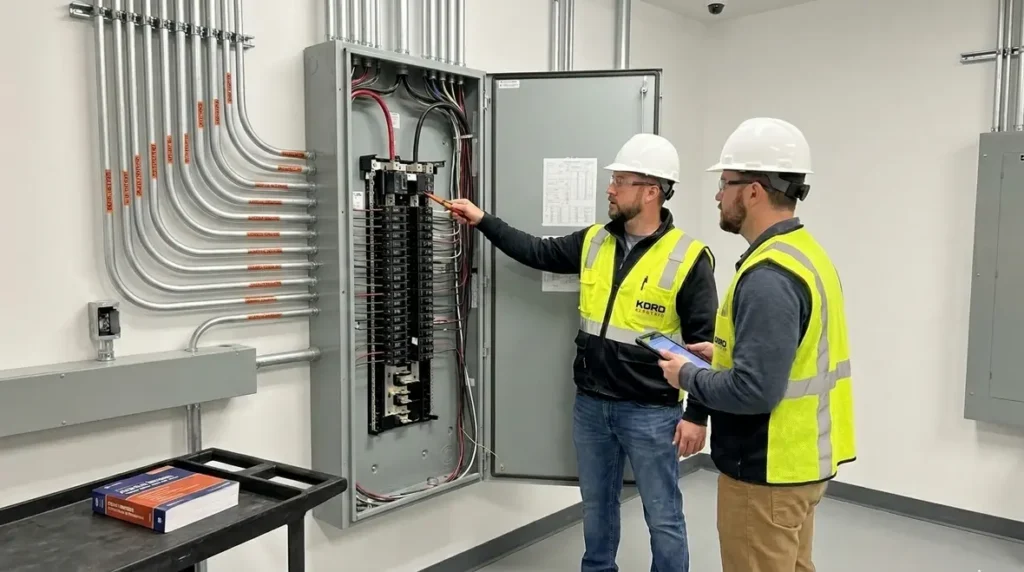
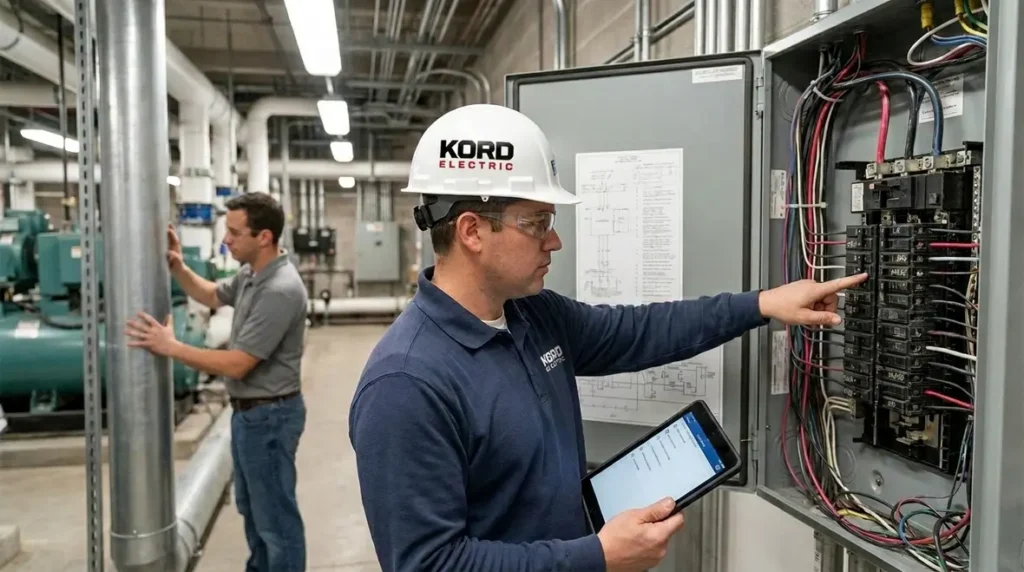
Here is where our technicians earn their keep. They do more than “connect wires.” They inspect, verify continuity where it counts, and document what they find. While other teams might treat bonding like paperwork, we treat it like life safety equipment that just happens to be made of copper and hardware.
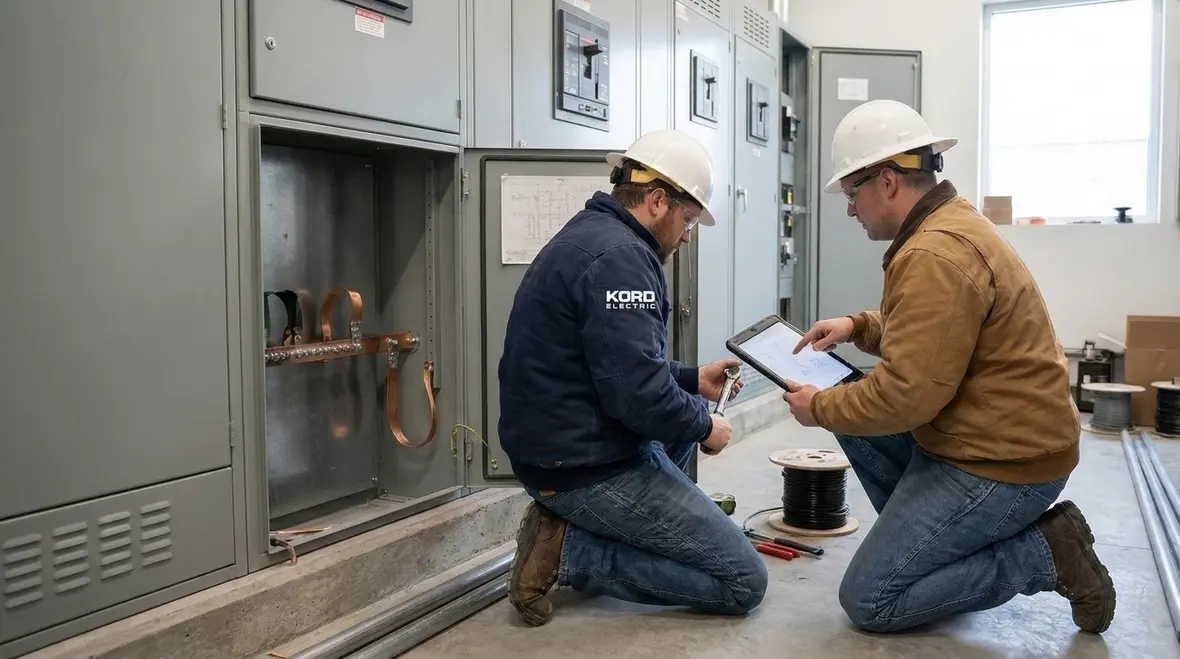
In many of our code-focused projects, we also connect Section 250.90 to broader NEC guidance so facility leaders can see how the bonding story fits into the full code narrative. Resources like Understanding NFPA 70: The National Electrical Code Explained for 2026 help turn the rulebook into a practical roadmap that points the same direction as the field work.
Why bonding general requirements reduce risk, not paperwork
Bonding general requirements work because they control how conductive parts relate to each other electrically. When we connect bonded systems correctly, a fault does not create surprise voltage differences across metal surfaces. In other words, the building does not “invent new hazards” because someone skipped a step during installation.
In commercial and industrial facilities, that matters because equipment gets touched, moved, serviced, and often exposed to wet conditions, vibration, or industrial process environments. Therefore, the bonding approach must match the conditions. For example, if corrosion risk is high, we plan for materials and installation methods that hold up over time.
At Kord Electric, we also consider the human side. People do not read electrical code during lunch. They rely on the fact that our staff did. So we keep the bonding connections solid, properly secured, and properly verified. And yes, we still laugh a little when someone says, “Sure, it is bonded because it looks connected.” Looks connected is not a test. Looks connected is how you get called back on a Friday afternoon.
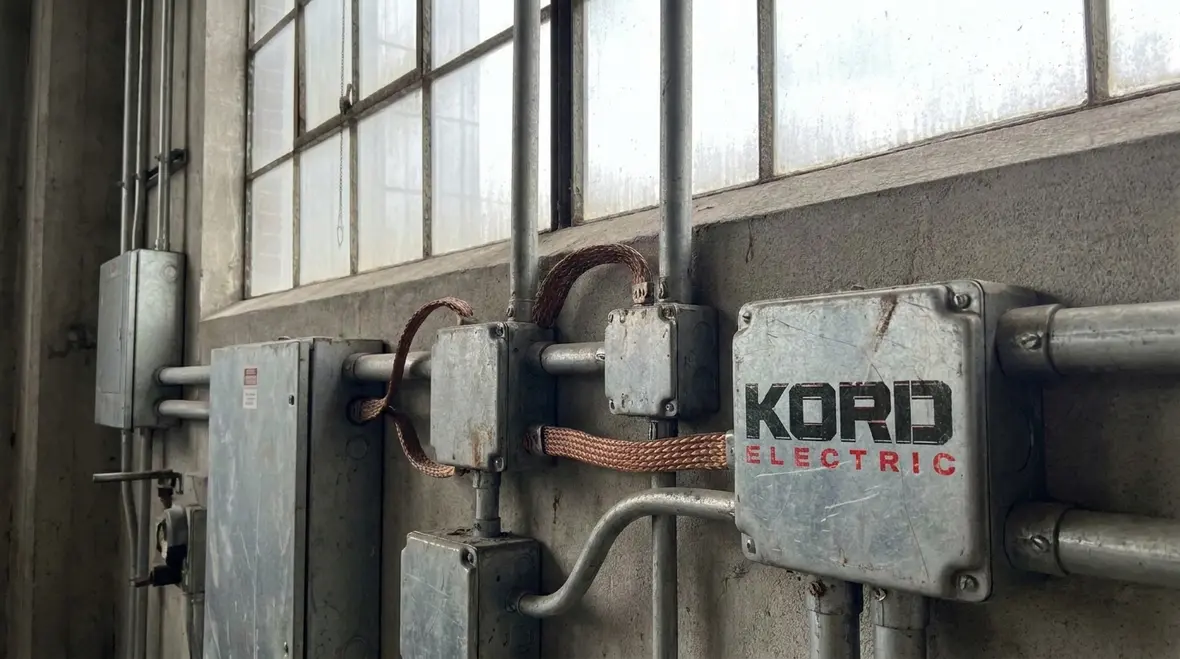
This is where the NEC bonding general requirements become more than checklist language. By intentionally managing connections between enclosures, raceways, equipment frames, and other metal parts, we cut down on nuisance trips, reduce shock risk, and give overcurrent devices a reliable path to operate as designed.
How technicians verify bonding continuity and integrity
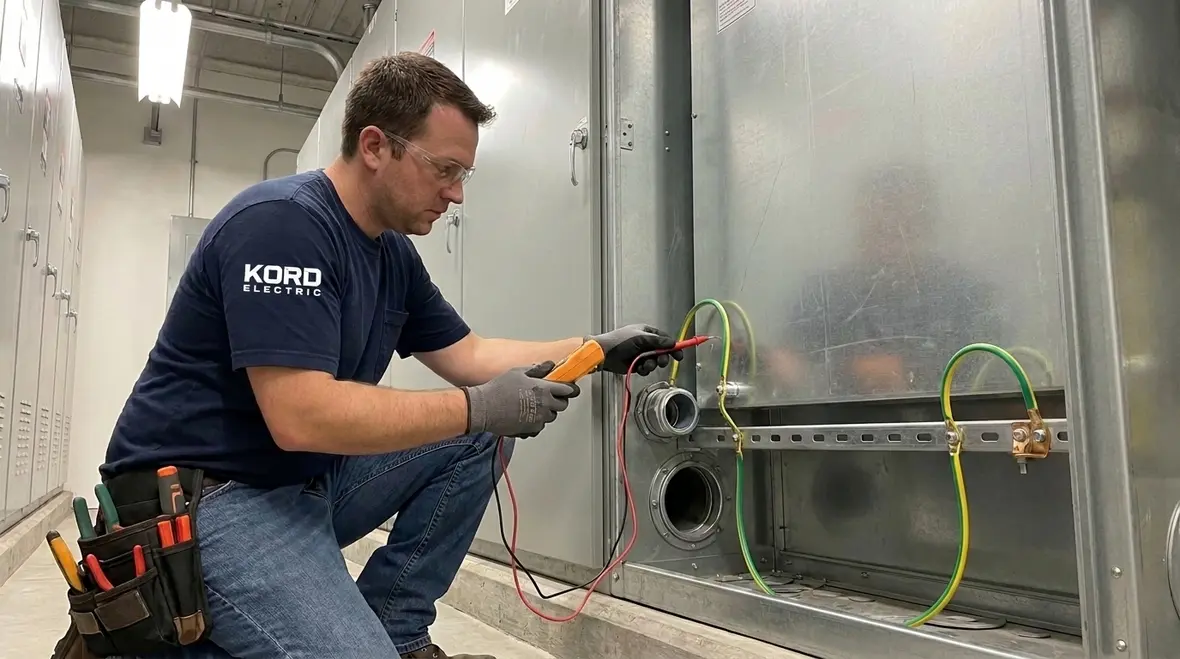
We know that good plans do not guarantee good outcomes unless the field work matches the intent. Consequently, our expert service staff follows a structured verification process. They check connections for correct bonding paths and confirm that conductive parts are tied together as required.
Then we focus on the details that cause failures: loose hardware, poor contact surfaces, missing jumpers, damaged raceway sections, or metal parts that were never meant to be isolated and yet end up isolated. After that, we verify continuity and inspect installation quality. If we find a problem, we correct it before the system moves forward.
Our approach remains steady across major property buildings. Whether we support new construction, facility expansions, or corrective work on existing systems, we treat each bonding point like a checkpoint, not a checkbox. And when customers want an explanation, our team does that too. We explain what we checked, why we checked it, and what it means for safety and compliance.
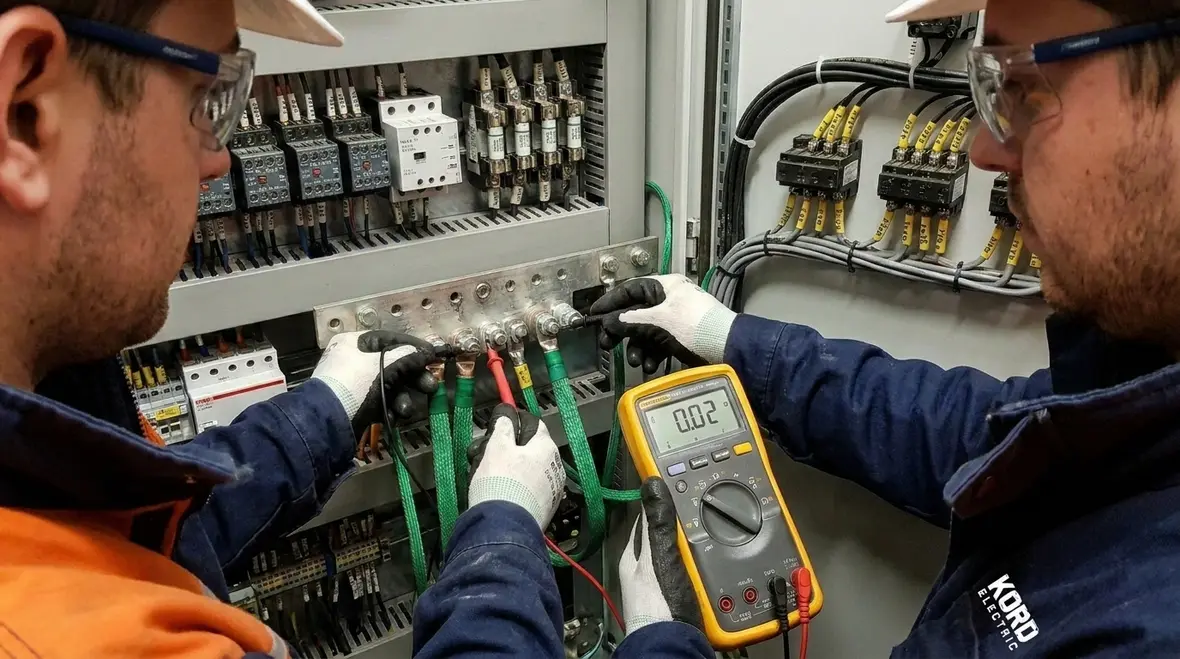
On many projects, our technicians also coordinate bonding verification with related inspection steps for grounding conductors and working spaces. Articles like Kord Electric’s coverage of NEC 110.54 bonding grounding conductor working spaces help facility teams see how these checks align in real equipment rooms and vaults.
Common bonding pitfalls on commercial and industrial sites
Even careful teams can run into predictable problems. So we train and guide crews to avoid them. For instance, teams sometimes assume that mechanical connections automatically provide an effective bond. However, mechanical fastening alone does not always create the low resistance path needed for fault performance. Instead, bonding must follow the NEC bonding general requirements intent.
Another pitfall comes from changes after the first install. Later upgrades add equipment, reroute raceways, or replace enclosures. As a result, bonding paths can be interrupted if nobody updates the bonding connections. In large facilities, this happens quietly and then shows up loudly as nuisance trips or inspection findings.
We also watch for improper use of grounding conductors and bonding jumpers. Conductors get added for function, but they do not always get added for bonding. Therefore, our technicians look at the purpose of each connection. Moreover, we confirm that the bonding arrangement covers the relevant conductive parts without leaving gaps.
And when someone tells us, “We have always done it that way,” we respond with calm confidence. The electrical code does not care about tradition. It cares about performance when something goes wrong.
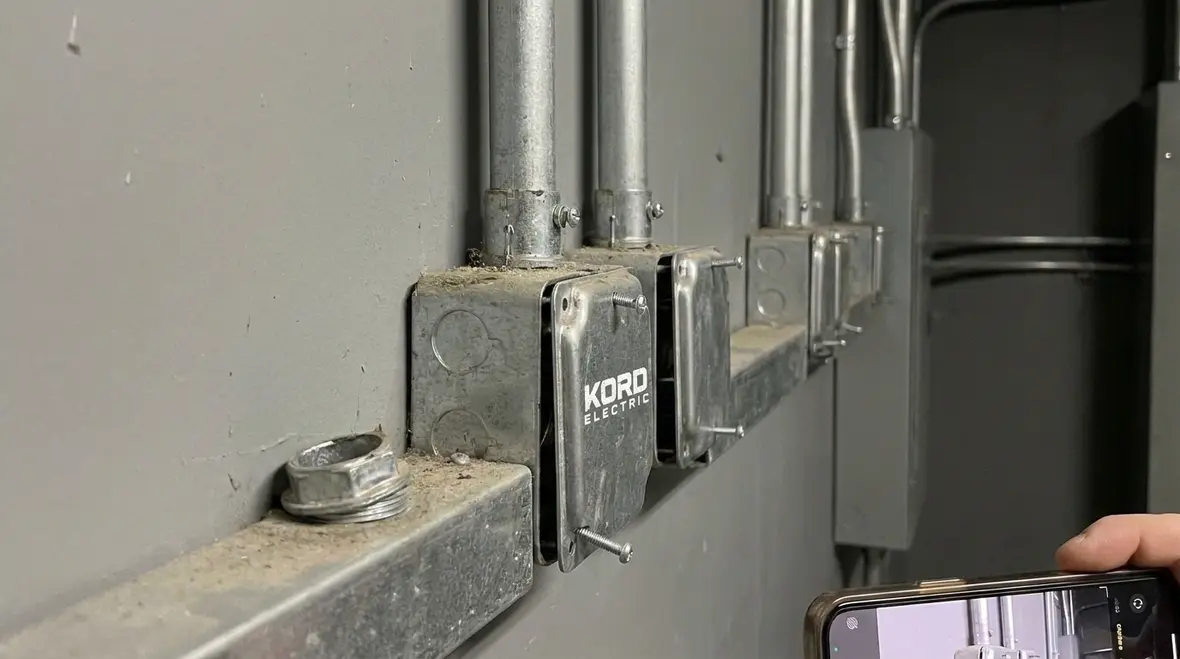
To keep those “we have always done it that way” habits from sneaking back in, we often pair bonding reviews with broader NEC training conversations that draw on resources from both Kord Electric and Kord Fire. That way, facility teams connect Section 250.90 to related topics like overcurrent protection, equipment work space, and branch circuit design.
Coordination with grounding, fault protection, and equipment bonding
Bonding does not operate alone. It works with grounding and protective device coordination. So we connect the dots for customers and facility teams. Once the bonding paths are in place, the rest of the system can do its job: protective devices clear faults and equipment stays within safe voltage limits.
We also coordinate bonding with equipment types common in commercial and industrial settings: distribution equipment, control panels, motors, metal piping systems, and large enclosures. Because these items connect to power networks, our bonding design needs to keep the conductive surfaces at consistent potential under normal and fault conditions.
Additionally, we plan for service access and future changes. When a building evolves, bonding must still remain correct. So we build a bonding approach that can be maintained, inspected, and verified during future work. In that way, the facility does not need emergency fixes every time a panel gets replaced or a new line gets added.
In practice, that often means looking beyond the immediate bonding work and into adjacent NEC topics such as branch circuit voltage limitations, scope rules, and service entrance wiring methods. Our related guides on areas like Section 210.6 branch circuit voltage limitations and Section 230.43 service entrance wiring methods help keep the entire electrical path—from service entrance to equipment bond—aligned instead of fragmented.
Using code awareness to support inspections and long term maintenance
Site leaders want systems that pass inspection and stay stable. For that reason, we support our clients with documentation and field clarity. Our staff does not treat bonding like hidden work that only shows up on a drawing. Instead, we confirm installation and provide information that helps facility teams maintain the system.
Furthermore, long term maintenance depends on understanding what the bond is supposed to do. When staff can see the bonding points and understand why they matter, maintenance becomes simpler and safer. So we explain bonding in practical language, not in vague “trust us” statements.
We also stay aligned with the broader context of NFPA 70 and the NEC approaches used in the industry. You might see related guidance across resources like Kord Electric’s NEC explainers and Kord Fire’s coverage of NFPA 70 themes, which help teams keep their mindset on safety and correct application. If you manage a major property building, you already know that inspections often reward good habits, not luck.
For facility managers who want a structured starting point before diving into specific sections like 250.90, our team often recommends pairing this bonding discussion with big-picture NEC overviews such as “What Is NFPA 70? Understanding the National Electrical Code” and the 2026 NEC application requirements guides. Those articles act like a map, while the bonding work provides the detailed turn-by-turn directions for your actual equipment rooms.
Bonding strategies for major property upgrades and tenant improvements
Large facilities and major property buildings rarely stand still. Tenants change. Equipment gets upgraded. New mechanical systems get tied into electrical rooms. Therefore, bonding must adapt without breaking what was already correct. We help owners and contractors manage that transition.
When we plan an upgrade, we look at what the building already has. Then we design the bonding approach to match existing grounding and bonding methods, while ensuring the bonded metal parts connect as required. At the same time, we prevent conflicts with equipment manufacturers’ requirements and avoid creating new risk points.
For tenant improvements, we also help teams avoid the classic mistake of treating electrical work as “just power and lights.” Instead, we make bonding part of the scope. We coordinate with site schedules so crews can finish without cutting corners. And because our expert service staff communicates clearly, the people doing the work understand what must be bonded and why.
In many Los Angeles County projects, for example, bonding strategies become a natural part of broader service work. When facilities call on our Los Angeles County electrical services, we align upgrades, tenant improvements, and corrective projects with the same NEC bonding general requirements that guide our new installations.
FAQ
Reach out for code driven bonding in your facility
If your commercial or industrial facility needs bonding upgrades, verification, or support during inspections, Kord Electric is ready. Our technicians bring a careful, field proven approach that aligns with NFPA 70 bonding expectations and the NEC bonding general requirements intent. Then we explain what we find in plain language so your team understands the “why,” not just the “what.” Contact us today to schedule an assessment, plan a safe upgrade, and keep your electrical system dependable long after the paperwork is filed.
And if you want to dig deeper into how bonding fits within the overall NEC structure before we step on site, you can explore companion resources like our in-depth 2026 NEC guides and section-by-section explainers on vault work space, grounding and bonding conductors, and service entrance wiring methods. Together, those materials and our field work help your facility move from “it worked on Tuesday” to “it is ready for inspection and ready for the long haul.”