NEC Underground Service Bonding: Section 250.84 Explained
Kord Electric approaches NEC underground service bonding the way we approach every electrical job on commercial and industrial properties: with calm focus, clear reasoning, and field tested discipline. In this article we explain NFPA 70 Section 250.84, specifically how people must bond an underground service cable or raceway so fault current has a safe path. Even if you think you already “get it,” our technicians will still walk you through the details step by step, because the NEC does not care about confidence, it cares about conductors. And yes, it is less fun than a movie plot twist, but it can save a building when something goes wrong.
What Section 250.84 requires for underground service bonding
NFPA 70 Section 250.84 addresses bonding for an underground service cable or raceway. In plain terms, the code wants the system to be electrically tied together so that metal parts do not float at an unsafe potential. For large buildings, the stakes are higher. After all, when an electrical fault happens, you do not want stray metal parts doing their own thing like actors improvising on set.
More specifically, the section centers on how to connect grounding and bonding elements associated with underground runs. Additionally, it guides how to ensure that the service raceway and cable armor, where present, connect to the correct grounding path.
As our expert service staff explains during site walks, the goal is not just compliance. Instead, we aim for predictable fault clearing, safer touch potentials, and better long term reliability, especially on facilities with multiple loads, switching gear, and distribution systems.
Why bonding matters on commercial and industrial buildings
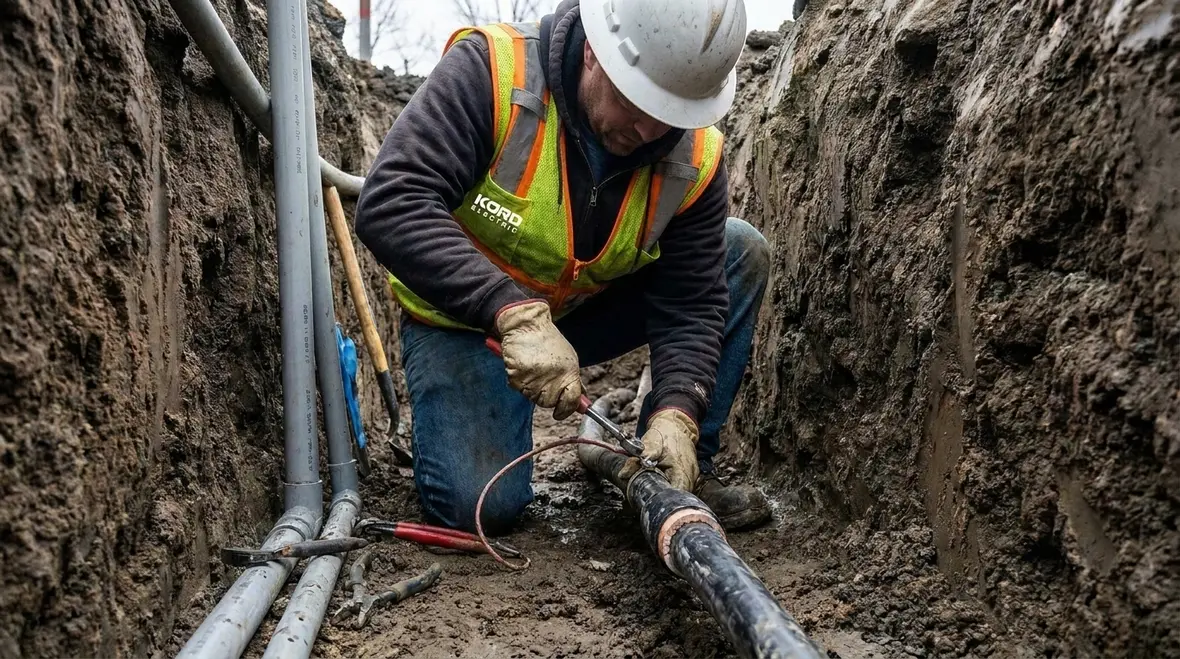
On a major property building, you typically have more than one phase of work happening at once. Therefore, you need a bonding system that holds up during construction, expansion, and maintenance. When underground service components are installed, they often cross areas where people later install conduits, trenches, or equipment pads. If the bonding path is wrong or incomplete, problems can show up months later, and those are the ones that cost real money.
Also, bonding helps control how metal surfaces behave under fault conditions. When fault current occurs, the electrical system must provide a low impedance route. Consequently, protective devices can operate as intended, and the building avoids dangerous potential differences between separate metal components.
In other words, NEC underground service bonding supports safety and performance. It keeps the “electric story” consistent, so the plot does not derail during an inspection or, worse, during an emergency. Our technicians treat it as a critical part of the service foundation, not a last minute checkbox.
Where bonding typically shows up in the field
When we work on commercial and industrial projects, we see bonding needs appear in several common locations. That pattern holds across many systems, though each site has unique constraints. Here are the areas where our team focuses, based on how underground services are usually built.
Service raceways and metal conduit runs that go underground between the service point and the equipment.
Service cable assemblies, including cable armor or metallic sheaths where the installation includes metal parts designed to serve as grounding paths.
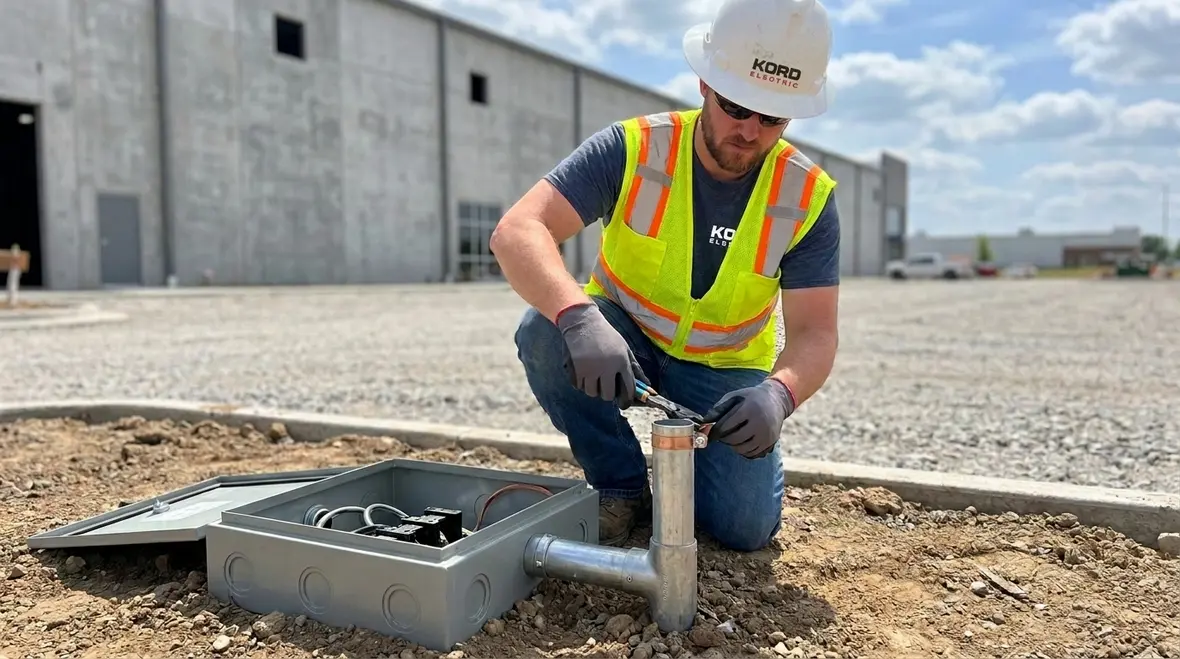
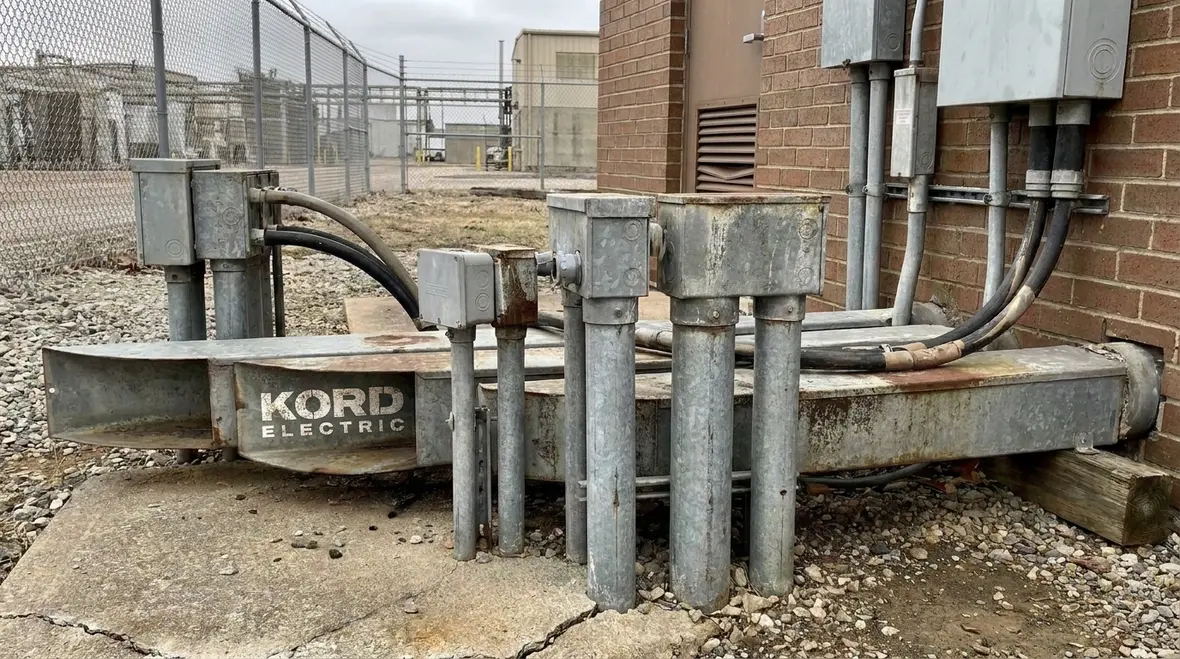
Transitions from underground to above ground, where bonding continuity can be interrupted if installers do not connect all required elements.
Enclosures and equipment connected to the service, where metal parts must share a common grounding and bonding reference.
Then, once those components connect, we verify the bonding continuity and how it interacts with the rest of the grounding system. In practice, that means we look beyond the underground segment alone. We also examine how the service system ties into the facility grounding electrode system and the main bonding points.
And yes, we sometimes hear, “It tests fine right now.” However, our technicians know that testing snapshots can miss future corrosion, loose connections, and installation gaps that only reveal themselves after soil conditions change.
Looking beyond the trench: coordination with the rest of the system
Underground work rarely stands alone. Our field teams coordinate bonding checks with upstream and downstream equipment, including service disconnects, switchgear, and feeders. That way, the underground section supports the same fault clearing strategy used in the rest of the building, instead of becoming the “mystery segment” that nobody revisits until a breaker trips under load.
Step by step: how our technicians verify bonding continuity
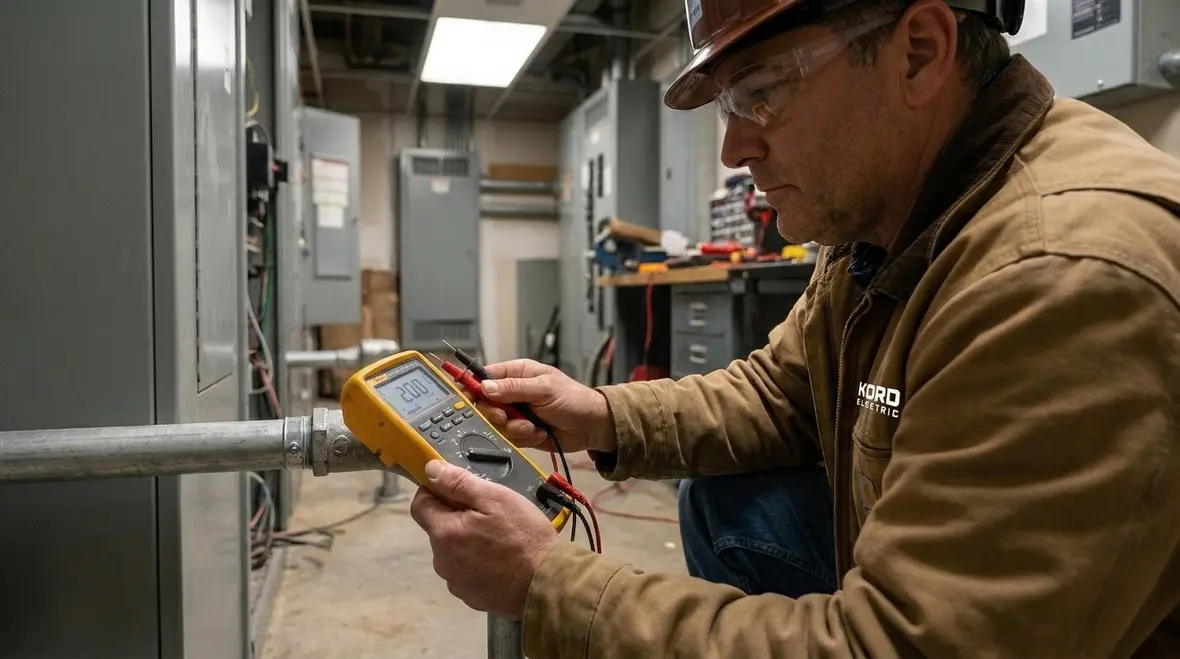
Since the section requires correct bonding of underground service cable or raceway, we take a practical route that fits field reality. First, our technicians confirm the physical components installed match the design intent. Next, we inspect connections at each transition point, because that is where continuity often breaks. After that, we verify that the bonding path is continuous and properly connected to the grounding system.
We also review installation details that influence results:
Connection hardware and listed bonding components, since mismatched parts can create weak points.
Continuity through joints in raceways and where cable armor terminates.
Protection from corrosion, because underground environments punish shortcuts.
Correct grounding reference, so bonding lands in the right place, not “nearby.”
Moreover, our expert service staff explains what they find in simple language that site teams can act on. When something needs correction, we tell the truth plainly. If we see a condition that could fail inspection, we address it before the work becomes expensive. That approach fits commercial and industrial schedules, where downtime is rarely a “nice to have.”
For extra context, we often cross reference how the National Electrical Code is explained for 2026 and the broader NEC concepts discussed by our partners, including fire and electrical resources that stress safe bonding practices. We also align with common expectations described across NEC guidance from our own learning hubs at Kord Fire.
If you want to pair Section 250.84 with a bigger picture overview, many facility teams review our related resource Understanding NFPA 70: The National Electrical Code Explained for 2026 so underground bonding decisions line up with the rest of their NEC planning.
Field documentation that keeps future work on track
When our team completes bonding verification, we document the path in ways that help future crews. That can include marked up drawings, updated one-lines, or photo sets that show exactly how the underground service cable or raceway ties into the rest of the grounding system. Years later, when someone opens a panel or locates a pull box, that record helps them see why Section 250.84 was handled the way it was and where to maintain that continuity.
Common mistakes that cause bonding failures
People make mistakes, and some are predictable. In fact, bonding problems often come from the same handful of issues that show up across facilities, especially during change orders or rushed underground work.
Missing bonding jumpers or incorrect bonding paths at transitions from underground to above ground.
Using non listed connections or skipping required mechanical bonding steps.
Relying on conduit threads alone, because threads do not guarantee lasting electrical continuity under real conditions.
Breaking the continuity when replacing a section of raceway or rerouting around obstructions.
Ignoring cable armor bonding requirements when the design and code call for specific bonding of metal parts.
Then there is the “design drift” problem. That means the installation differs slightly from plans, and the field team assumes it is close enough. However, in bonding, close is not safe. Therefore, we help teams correct deviations early, and we document findings so owners and contractors can move forward with confidence.
We also keep an eye on how grounding systems interact with fire pump installations and other critical electrical loads. For example, resources like Fire Pumps often emphasize that critical systems must maintain reliability and safe fault behavior. Even when the specific topic shifts, the bonding mindset stays the same: control fault current, control potentials, and prevent dangerous surprises.
Connecting bonding work to future upgrades
When owners later upgrade equipment, add a fire pump, or expand a distribution lineup, a solid bonding foundation prevents last minute rework. Our technicians often review NEC underground service bonding during early planning so feeders, raceways, and grounding electrode connections all move in step. That is the difference between a controlled project and a scramble when inspectors start asking hard questions about Section 250.84.
How this fits the larger NEC grounding and bonding picture
Section 250.84 does not work alone. It sits inside a bigger framework where grounding and bonding requirements connect the dots across raceways, equipment, and grounding electrodes. Consequently, when we install or audit NEC underground service bonding, we treat it as part of the whole system, not an isolated detail.
That is also why we reference NEC learning materials that explain the bigger code intent, including guidance we publish and review through our own channels such as kordelectric.com, kordfire.com, and our broader resources at kordfire.com.au. Then, we apply those concepts directly to the job site, where soil, moisture, and physical construction details control performance.
For commercial and industrial facilities, this systems approach matters even more. You may have complex distribution, multiple service entrances, expansion phases, and critical processes that cannot tolerate repeat service calls. With that in mind, we help ensure the underground bonding design supports safe fault clearing and stable electrical reference across the building.
We also coordinate Section 250.84 work with broader service and maintenance planning. For facilities across Los Angeles County and the surrounding region, our Los Angeles County electrical services team helps align upgrades, inspections, and corrective work so NEC grounding and bonding strategies stay consistent from the service point all the way through critical loads.
FAQ
Final word from Kord Electric
NFPA 70 Section 250.84 may read like code language, but in the field it becomes real safety work. At Kord Electric, our technicians and expert service staff help commercial and industrial teams build the correct NEC underground service bonding path so metal parts stay tied, fault current follows the plan, and inspections go smoother. If you want an audit, commissioning support, or a bonding focused review for an underground service, call us. We will walk the site, explain the findings clearly, and help you move forward with confidence.
For facilities planning broader electrical upgrades, including new services, distribution changes, or NEC-driven corrections, our commercial and industrial project teams can bundle Section 250.84 assessments with panel reviews, overcurrent protection checks, and grounding electrode system evaluations. That way, your underground service bonding does not sit in isolation; it becomes part of a coherent plan for safe, reliable power across the entire property.