NEC GEC Bonding Jumper Connections You Can Trust
NEC GEC bonding jumper connections you can trust from day one
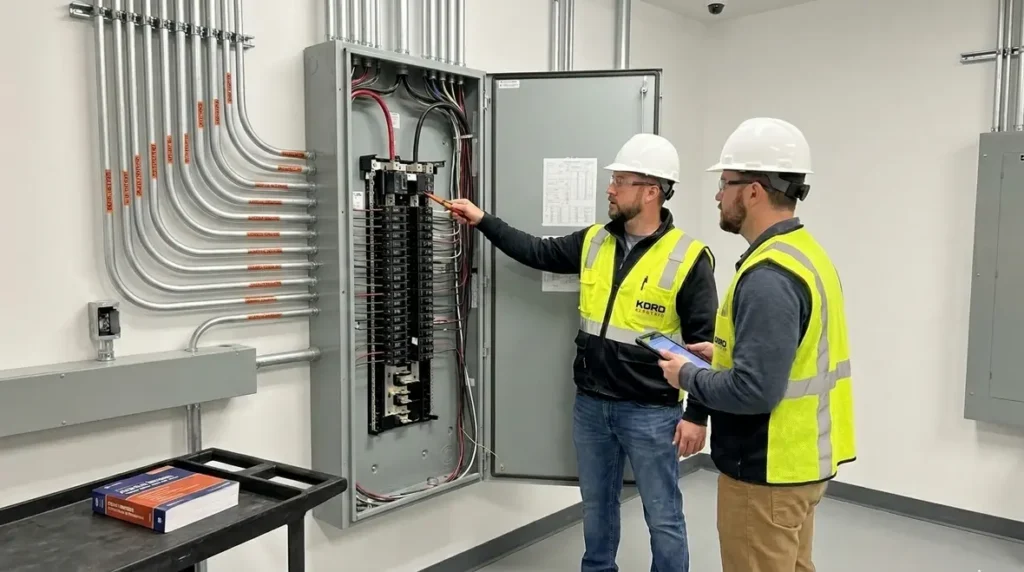
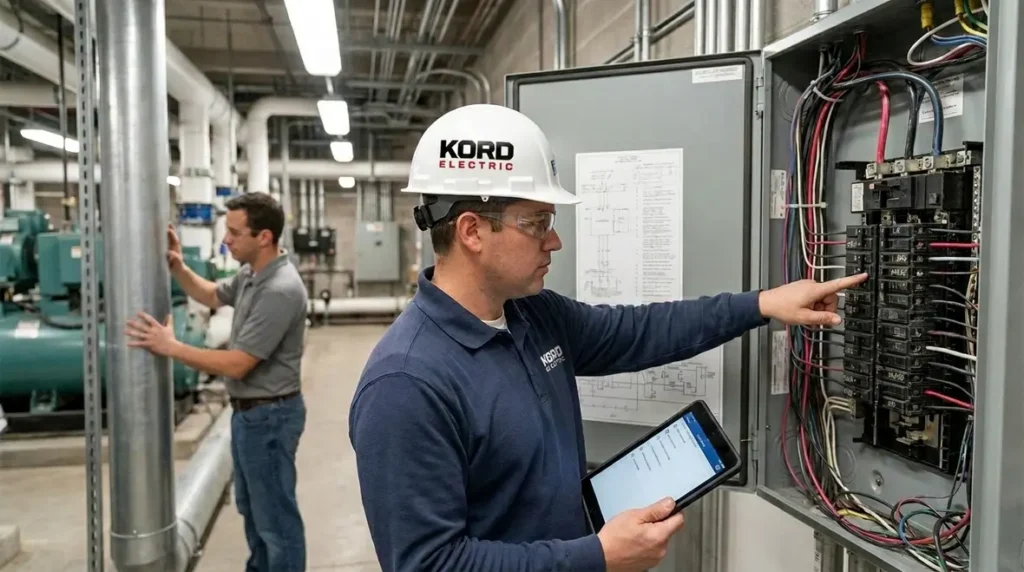
At Kord Electric, we focus on commercial and industrial facilities and major property buildings, because those sites do not get to “figure it out later.” So when we plan NEC GEC bonding jumper connections for grounding electrode systems, we start by following NFPA 70 Section 250.68 and by treating the details like they matter, because they do. Our technicians and expert service staff explain what they are doing and why, and they do it in plain language, not in code-speak that only a robot could love.
In the first part of this guide, we set the foundation. Then, we move into the real-world choices that matter at a job site: where bonding jumpers go, how connections get made, what to document, and how to avoid the kind of “it looked fine at the time” mistakes that become expensive later. And yes, we will keep it professional. But we might still laugh at bad shortcuts, because electricity has a sense of humor and it always charges the bill.
What NFPA 70 Section 250.68 is actually asking for
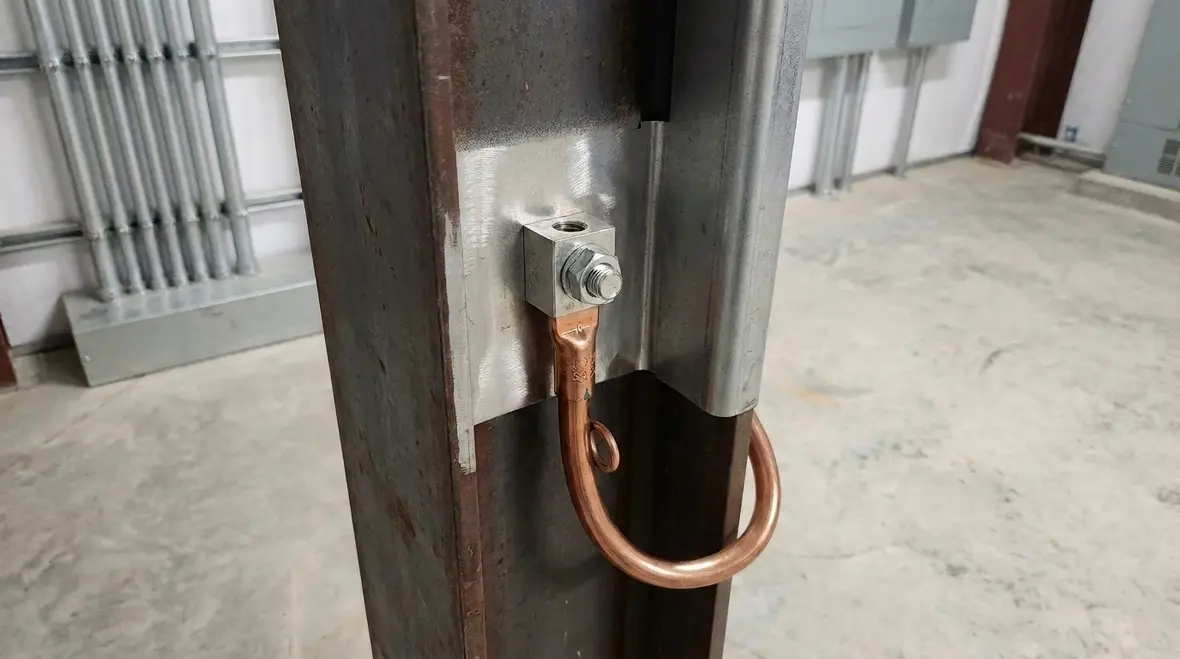
NFPA 70 Section 250.68 covers how to connect grounding electrode conductors and bonding jumpers to electrodes. In simple terms, it tells the installer how to finish the job so the grounding path stays reliable over time. Instead of treating grounding as a one time check, the rule assumes conditions change. Weather shifts. Corrosion builds. Vibration happens on equipment and buildings. Therefore, the code expects solid, durable connections and proper bonding.
Because the NEC works for the whole country, we also expect common issues to show up in our service calls. For example, a bond that was tightened “good enough” can loosen as materials expand and contract. Likewise, a connection that relies on paint as insulation can create a high resistance path. This is why our technicians explain the logic behind the requirement before they touch the hardware.
And for major property buildings, we know stakeholders care about uptime, compliance, and safety. So we treat 250.68 like a checklist with consequences, not a suggestion with vibes.
Where bonding jumpers connect to electrode systems
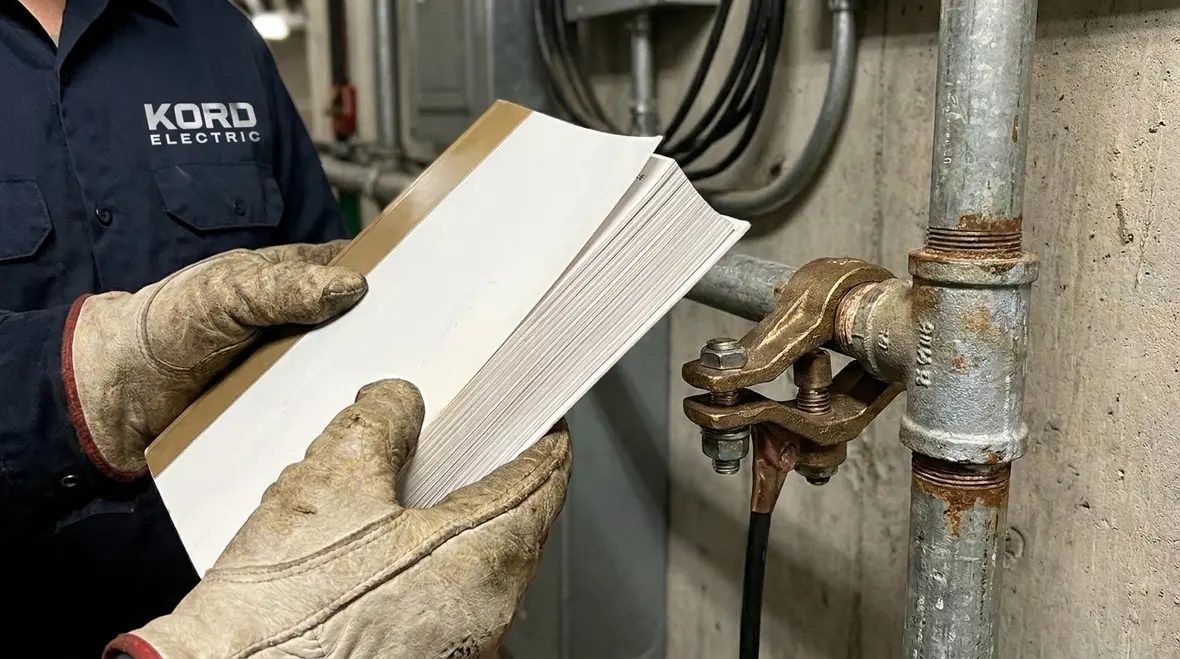
Section 250.68 addresses the link between a grounding electrode conductor (often called the GEC) and the bonding jumpers that tie electrodes together into one system. However, the practical question in the field is not just “where,” it is “how do we keep the connection effective in the real environment.”
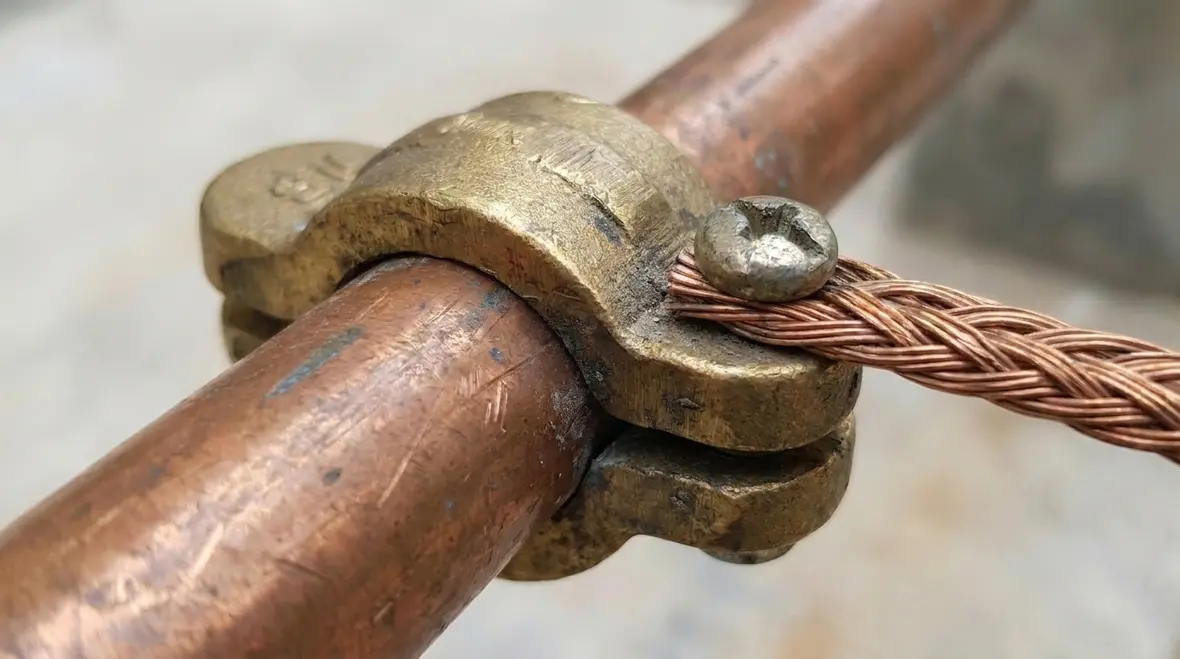
Typically, the work involves connecting to parts that serve as electrodes, such as metal water pipe that meets the rules, building steel when used as an electrode under other sections, or other designated grounding electrodes. Then, bonding jumpers link those electrodes so fault current has a clear path.
At Kord Electric, we guide these tasks for commercial and industrial facilities so the connections support the full grounding electrode system. That means technicians look at location, exposure, and the electrode type, then they choose the connection method that keeps contact dependable.
- We remove non conductive coatings where required and we confirm the metal contact is real.
- We choose listed parts meant for grounding and bonding, not generic fasteners from a hardware aisle.
- We plan routing so connections are accessible for inspection where that matters.
Connection quality: the part that stops failures before they start
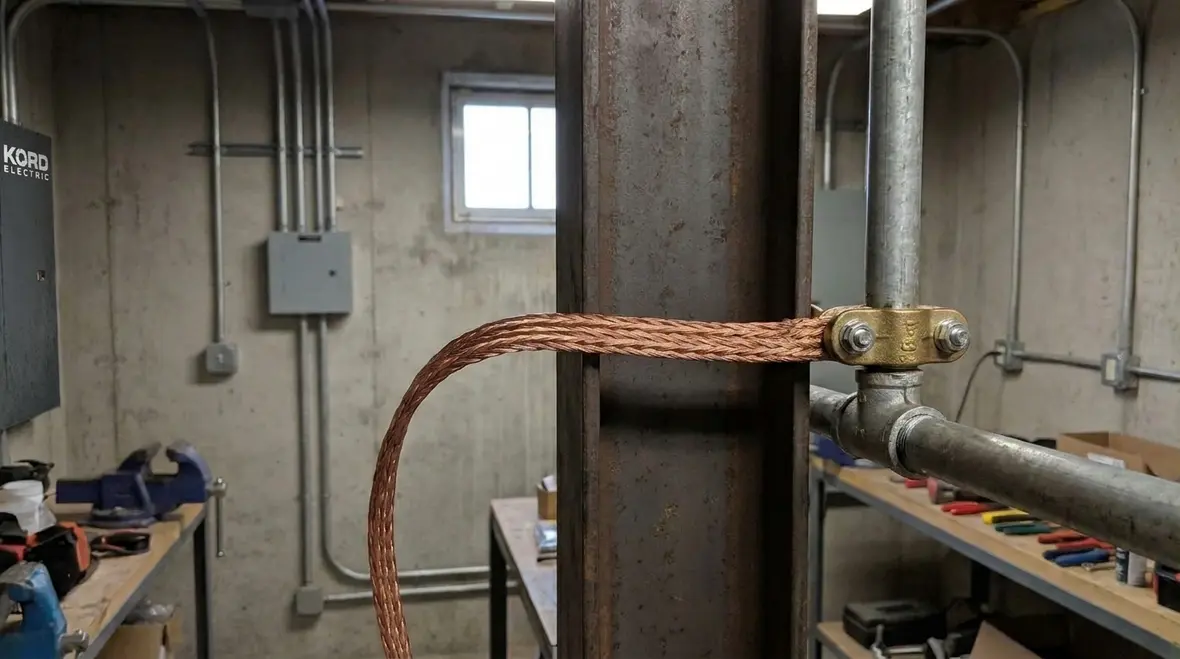
People often think grounding failures come from “no bond at all.” In our experience, many problems start smaller. A connection that looks tight but was made with the wrong material. A connector that corrodes because it was not suitable for the environment. A bond that gets covered in debris and later becomes hard to inspect. Over time, the grounding path becomes less dependable, and the building pays the price.
So when we install NEC GEC bonding jumper connections, we emphasize the connection quality steps that keep the system stable. First, we confirm the parts are listed and intended for the job. Next, we ensure mechanical strength and proper contact area. Then, we protect the connection from conditions that encourage corrosion when the installation location calls for it.
Our expert service staff also explains what inspectors typically look for during documentation and verification. That matters because a clean design means less rework. And rework is expensive, unless you enjoy paying overtime for work you already did. Most teams do not love that plan, and neither do we.
Common job site mistakes we prevent in commercial buildings
On commercial and industrial sites, grounding work competes with schedules, outages, and busy electrical rooms. Still, we do not cut corners, because the code does not care about the clock. It cares about performance.
Here are mistakes we actively prevent, based on what we have seen across large projects:
- Using the wrong connection method that does not meet the intent of 250.68
- Skipping bonding jumper continuity so electrodes are not tied into one system
- Leaving protective coatings in place when they prevent true metal contact
- Overlooking corrosion risk at exterior or below grade areas
- Failing to provide secure attachment that can loosen due to vibration or movement
Then, there is the “we will fix it later” issue. Later becomes never, and never becomes a call to our team after an outage or inspection. As the old saying goes, time flies, but bad bonds fly slower to catch fire because they wait. And when they finally show up, they show up with paperwork and stress.
How we document and verify grounding electrode connections
Compliance is not only about installation. It is also about proof. On major property buildings, owners and facility managers want clarity. Therefore, we plan documentation during design and installation, and we verify during closeout.
Our approach includes clear labeling, photos where appropriate, and consistent notes for inspection readiness. We also align with the broader NEC framework for grounding and bonding so the system works as one unit, not as a set of unrelated parts. In addition, we coordinate with other trades to reduce conflicts around access points and protective enclosures.
When we explain the work, our technicians do it slowly and calmly. That is not just our style. It also helps teams understand what they should look for in future maintenance. In other words, we teach the building how to stay healthy after we leave the site.
For further context on how the National Electrical Code lays out structure and intent, you can also explore Kord Electric’s guide Understanding NFPA 70: The National Electrical Code Explained for 2026 along with Kord Fire’s NEC overview at NFPA 70: All About The National Electrical Code (NEC). Together, they show how the code supports safety across electrical systems in the same plain, field-tested language we use when we talk through NEC GEC bonding jumper connections on site.
Quick FAQ on NFPA 70 Section 250.68 and electrode bonding
When Kord Electric handles grounding electrode connections
Grounding work should feel boring in the best way. That means it goes in correctly, it stays dependable, and it does not demand emergency attention later. If you run a commercial or industrial facility, you already have enough emergencies, and we are not trying to earn a spot on your “top 10 surprises” list.
Our team at Kord Electric brings expert service staff and experienced technicians to NFPA 70 and NEC requirements with clear communication and careful workmanship. If you want to review your NEC GEC bonding jumper connections, tighten up compliance readiness, or plan a grounding electrode upgrade, contact us today and we will help you do it right the first time.
If your facility is located in Southern California and you want to bring the rest of your electrical system up to the same standard, you can also explore our broader Los Angeles County electrical services support. From NEC-driven planning to field-ready upgrades, we keep the focus on safe, buildable work that passes inspection and performs under real load conditions.
For teams that like to dig into the rulebook as well as the hardware, pairing this guide with resources like Kord Electric’s code articles and Kord Fire’s NFPA code overviews gives you a consistent, plain-language framework. That way, every time you look at a grounding lug, an electrode clamp, or a bonding jumper, you know not just what it does, but why it is there and how it fits into the NEC’s bigger picture.