NFPA 70 Section 250.70 Electrode Connection Methods by Kord Electric
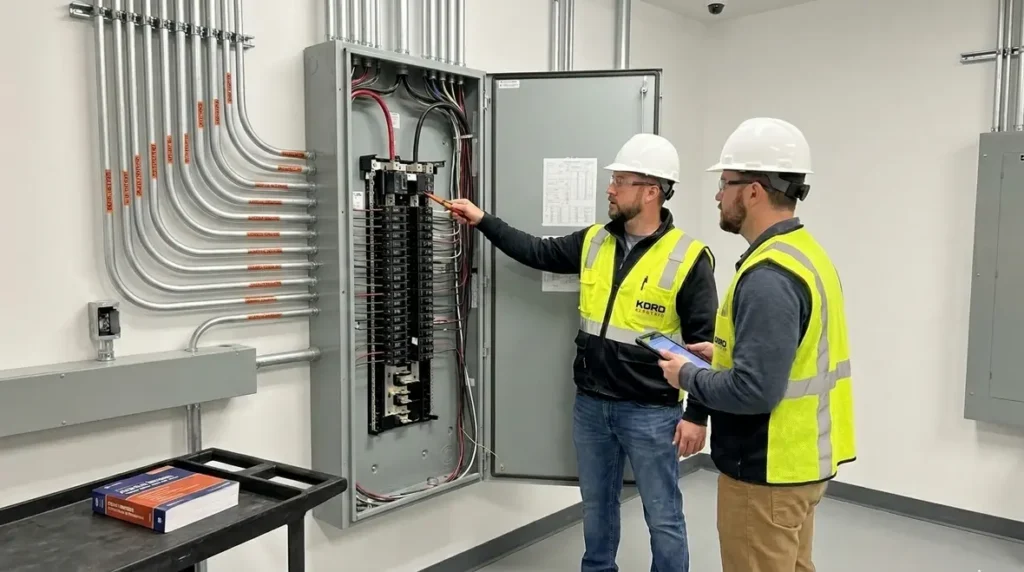
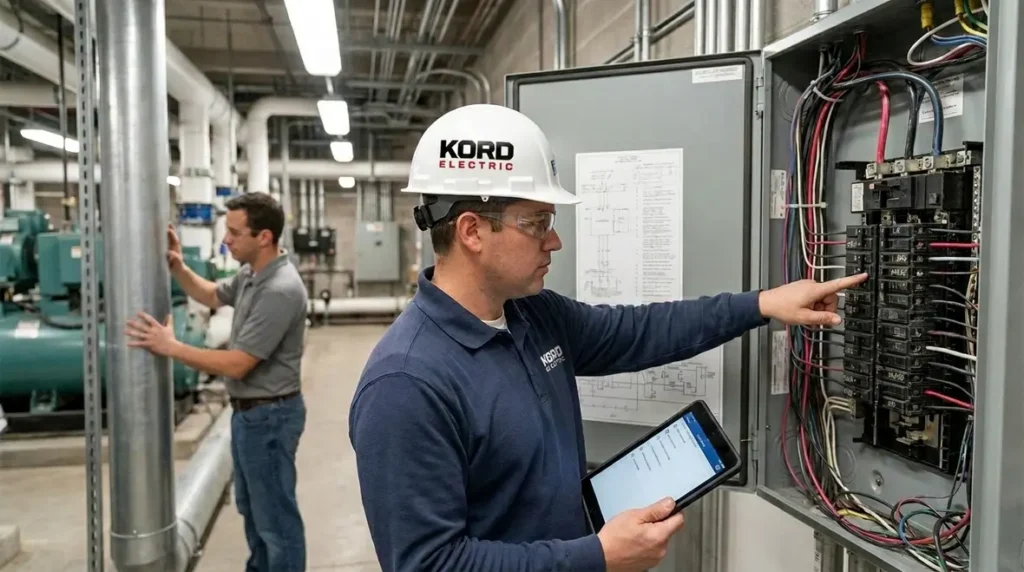
Kord Electric shows up with practical knowledge when facilities ask how they should handle NEC electrode connection methods for grounding systems. In our day to day work, we see crews want quick answers, but Section 250.70 does not run on vibes. Instead, it sets clear rules for how conductors connect to electrodes, so faults clear fast and equipment stays protected. Our expert service staff explains those rules in plain language, and we follow them on commercial and industrial sites where downtime costs real money. In this guide, we walk through NFPA 70 Section 250.70, what it means for electrode connections, and how Kord Electric helps teams build systems that inspectors can respect. And yes, we do it without turning your wiring room into a sitcom. (Unless the breaker is the villain, then we might have to laugh.)
NFPA 70 Section 250.70 sets the connection rules
NFPA 70 Section 250.70 focuses on methods of connecting conductors to electrodes. In other words, it addresses the physical way the grounding conductor ties into the electrode system. Because the job is safety critical, the code does not treat these connections like “close enough.” It expects secure, durable, and listed methods that preserve low resistance paths during normal life and during fault events.
From a facility owner or facilities manager standpoint, this section matters because it links the grounding grid, ground rods, driven electrodes, and other grounding points to the rest of the grounding system. Then, when a fault happens, the system can send energy where it belongs instead of sending it through building materials or personnel routes. And even though no one wants to think about a fault, we all benefit from planning before it shows up.
Meanwhile, our technicians help teams translate the code language into buildable steps. They review the electrode type, the conductor size, the connection hardware, and the required corrosion protection so the final install matches the intent of the NEC. For teams who want a broader code foundation, our article on understanding NFPA 70, the National Electrical Code, explained for 2026 helps connect Section 250.70 to the bigger rulebook that drives commercial electrical decisions.
Which electrode connection methods does Section 250.70 allow
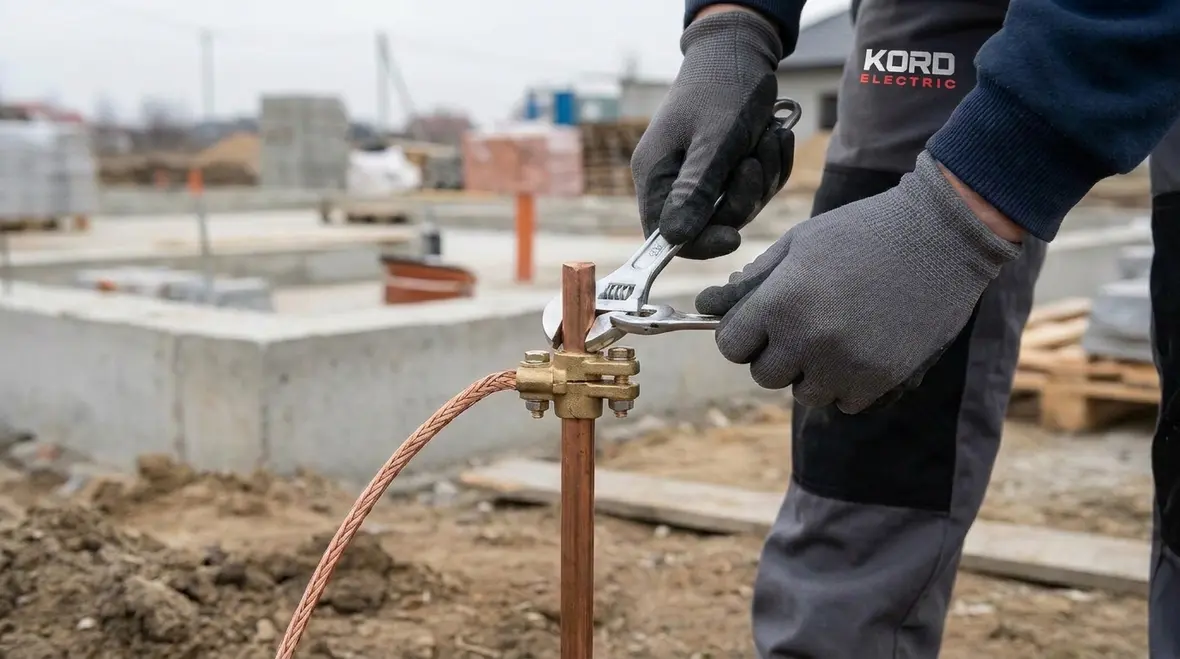
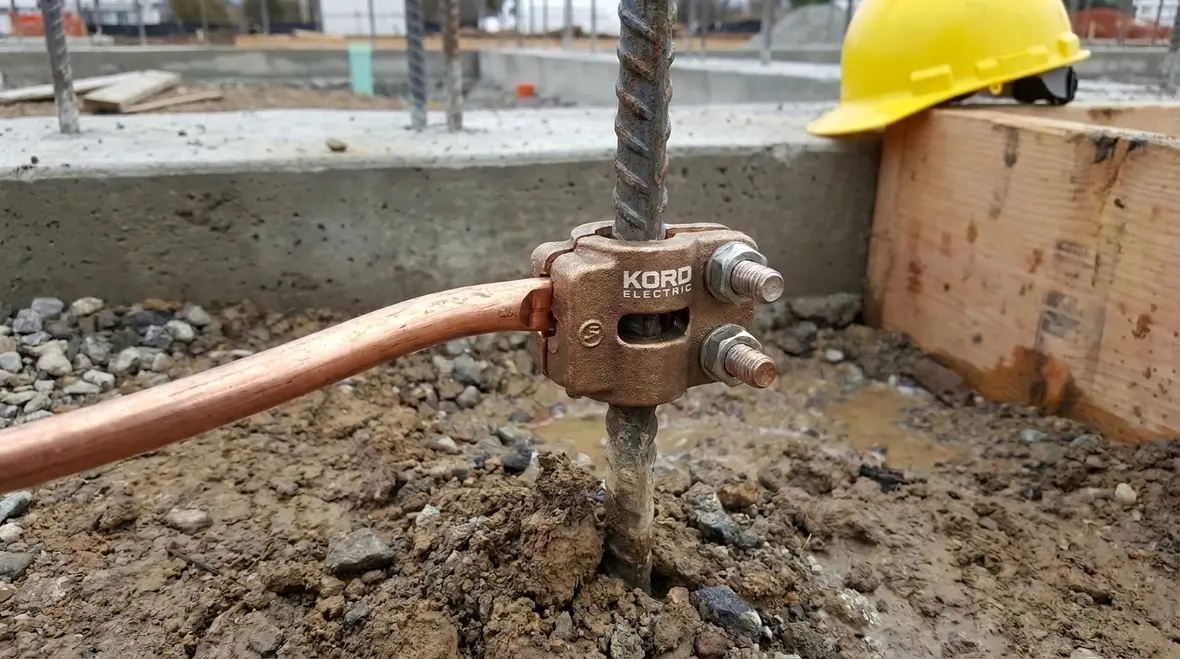
Section 250.70 generally allows connections using specific mechanical or bonding methods rather than random field fixes. As a result, Kord Electric focuses on connection options that provide a strong contact and remain reliable over time. The code recognizes that building sites change, materials differ, and environmental exposure varies, so it expects methods that hold up through those realities.
On many commercial and industrial projects, the practical choices come down to mechanical bonding and listed conductor connection devices. We make sure the method fits the electrode type and the setting, because not every connection detail behaves the same in soil, in concrete, or where moisture and chemicals show up.
Here is what our team usually aligns on during planning and installation, with the goal of meeting Section 250.70 requirements:
Listed clamps and fittings that secure the conductor to the electrode with a designed contact method
Exothermic welding where allowed and where the electrode contact calls for a permanent connection approach
Listed pressure type or mechanical connectors that create a dependable bond without relying on “hand tight” guesses
Proper treatment for dissimilar metals so corrosion does not slowly turn your grounding path into a weak link
Then we verify details during install, including torque, surface prep, and the physical position of the connection so the method stays effective. If someone treats grounding like a checkbox, we treat it like a system. Because it is.
Ground rods, concrete-encased electrodes, and bond integrity
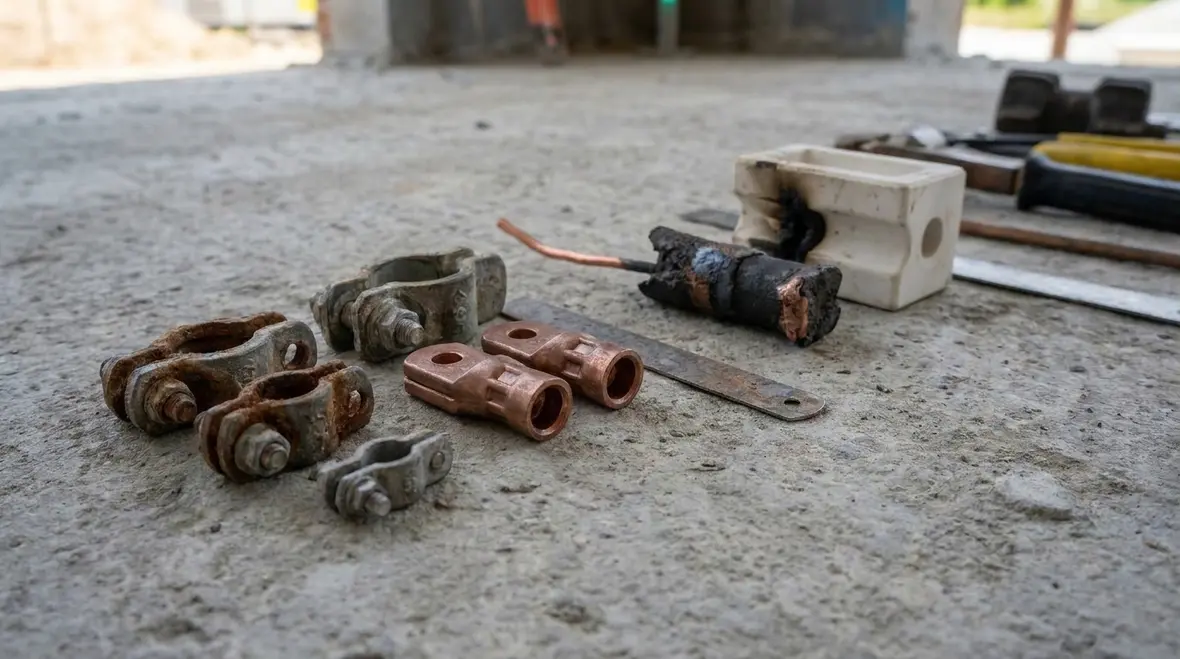
For many major properties, the electrode system includes ground rods or other electrodes tied into the site grounding plan. However, the bond integrity is where the real performance shows up. Even when the electrode exists, a poor connection can raise resistance and reduce fault current paths. That is where Section 250.70 becomes more than a citation. It becomes the difference between a grounding system that works and one that only looks compliant.
Concrete-encased electrodes present a similar theme. They live in a permanent environment, so the code expects the conductor-to-electrode connection to remain durable and to meet connection rules that prevent weakening over time. Likewise, driven rods depend on a solid mechanical or chemical bond so the conductor does not loosen due to vibration, soil movement, or thermal cycling.
Our technicians approach these details in a calm and methodical way. They inspect the electrode location, confirm the conductor routing, and make sure the bonding method matches the installation conditions. Then, they document the work so the facility team has a clear record. In a commercial and industrial setting, documentation often becomes the difference between smooth commissioning and a long week of “where is that detail?”
And if you are thinking, “We will just tighten it and move on,” we get it. People say that. They also say, “The spreadsheet will fix the problem.” Sometimes it does. Grounding connections usually do not.
Materials and corrosion protection for dependable performance
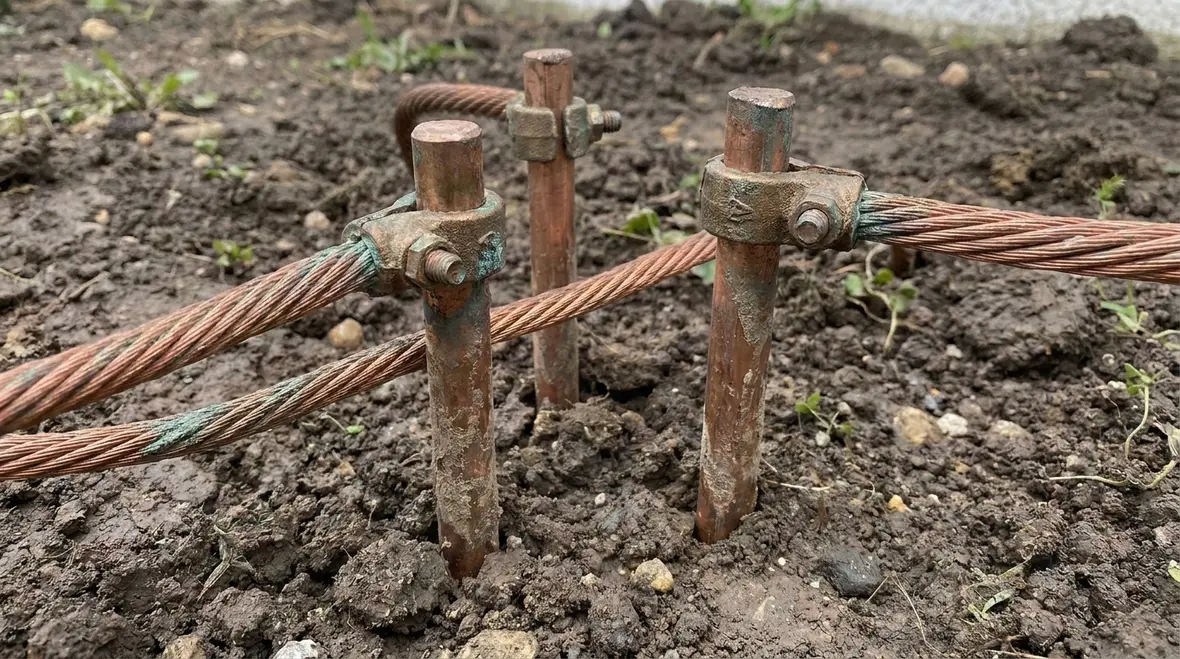
Section 250.70 connects conductors to electrodes, but the story does not end at the physical joint. Materials and corrosion protection decide whether the connection stays strong. If you use mismatched metals without protection, the connection area can corrode and degrade. That can create poor conductivity just when you most need the system to perform.
On active commercial sites, exposure can be harsh. Soil can be aggressive. Concrete can hold moisture. Facilities can include areas with chemicals or industrial conditions that accelerate corrosion. Because of that, we plan the connection method and conductor materials to fit the environment, and we apply the appropriate corrosion protection where the installation requires it.
Our expert service staff also helps owners and contractors avoid “creative substitutions.” When a connector looks similar, it does not always perform the same way. Therefore, we focus on listed parts and correct installation steps so the bonding point stays stable over years, not weeks.
Field installation checks that prevent costly rework
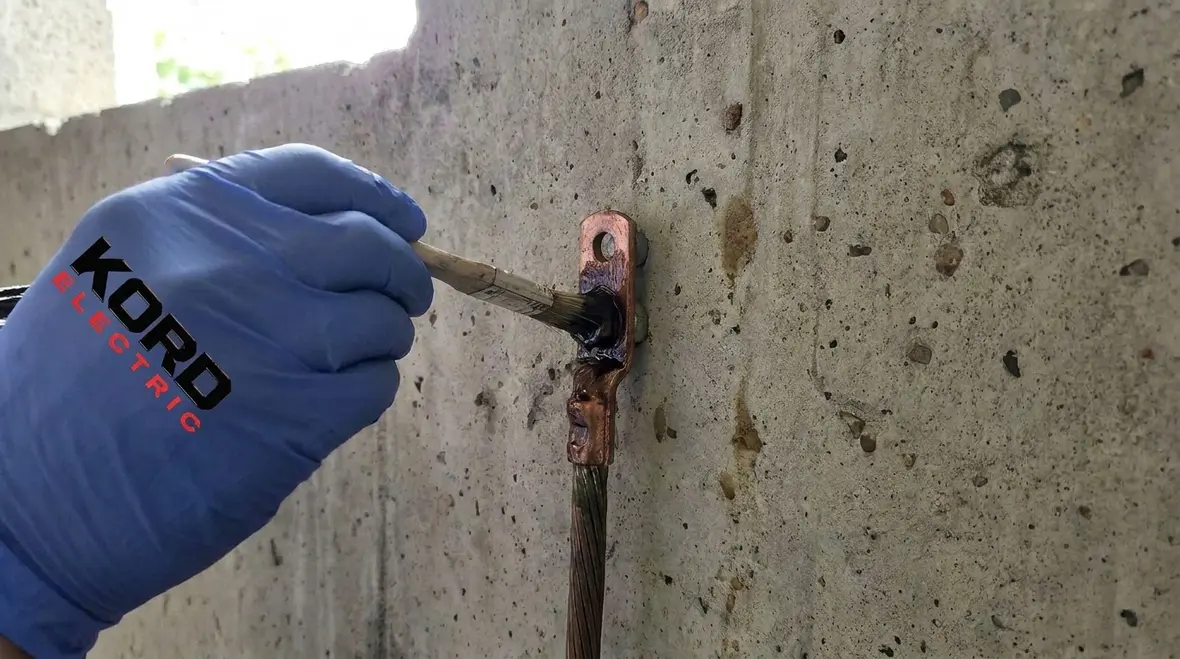
Even when the design is correct, installation quality makes the difference. So we build a repeatable approach for commercial and industrial projects that keeps grounding installation reliable from rough-in through final inspection. As work moves forward, we check the small items that drive big outcomes.
Here are field checks we emphasize, because they reduce rework and keep systems aligned with NEC expectations:
Clamps and connectors seat properly on the electrode and match the electrode geometry
Surface prep removes coatings or oxides where required for good contact
Torque and fastening match the connector manufacturer guidance
Bond continuity stays intact as pathways route through the site
Routing and strain control keep conductors from pulling against the electrode connection
Protection in exposed areas prevents physical damage or premature wear
Then, we coordinate with the broader grounding and bonding plan for the building. That includes how the electrode system ties into service grounding, grounding electrode conductor routing, and bonding for exposed metal parts. When those parts connect cleanly, the entire system behaves as designed, and troubleshooting becomes far less painful later.
As a side note, facility teams already have enough tasks without us adding “mystery fixes.” We keep the process clear, and we explain what we see in the field. That means fewer surprises at commissioning.
How Kord Electric supports commercial and industrial facilities
Kord Electric serves commercial and industrial facilities and major property buildings. We do not treat this like a weekend DIY job, and we do not run shortcuts. Instead, we plan around your site schedule, coordinate with electrical trades, and focus on safe, durable electrode connections aligned with NFPA 70 Section 250.70.
Our technicians and expert service staff explain requirements in an honest way. They also translate code language into jobsite actions so crews know what “compliant” looks like. If a facility team needs clarity for a consultant review, an inspector walkthrough, or an internal safety audit, we help provide clean answers and practical evidence.
Additionally, we align our work with the broader NEC guidance found in resources from Kord Electric and Kord Fire. The NEC themes around grounding and bonding stay consistent: connections matter, integrity matters, and the right method matters. We bring that mindset to every project, whether the electrode system connects in a new build or in a major upgrade where the existing conditions require extra care.
For facilities in Southern California that need a broader electrical partner, our Los Angeles County electrical services support everything from code-driven upgrades to complex grounding and bonding work, so electrode connections become one coordinated piece of a safer, more dependable electrical system.
And if you ever wonder why we sound so serious about grounding: we have watched systems behave differently when the details are rushed. Fault current does not care about your timeline. It cares about conductivity.
FAQ about electrode connection methods and Section 250.70
Closing thoughts and next step
Kord Electric helps commercial and industrial facilities build electrode connections that hold up, perform during faults, and satisfy inspection needs. We use trained technicians and expert service staff to explain what NFPA 70 Section 250.70 requires, then we implement the right grounding electrode connection methods with care. If you are planning a new installation or upgrading a major property, contact us to review your grounding plan and electrode connection details before work starts. That is when you save time, avoid rework, and keep your site safety on solid ground.
If your facility also needs broader electrical support beyond grounding, our team can align electrode work with services like surge protection, panel upgrades, and emergency disconnect design so your system behaves like one coordinated whole instead of a patchwork of separate projects.
Whether you are refining NEC electrode connection methods for a single service or updating grounding across multiple buildings, Kord Electric is ready to help you connect every detail back to NFPA 70, real-world operating conditions, and the inspection expectations that come with modern commercial and industrial facilities.