

NEC Conductor Requirements Basics NFPA 70 300.5 Guide
NEC conductor requirements basics start with one simple idea: conductors must be suitable for where they run, how they connect, and what conditions they face. In NFPA 70 Section 300.5, the code lays out general conductor rules that help prevent overheating, damage, and unsafe connections. In practice, we at Kord Electric guide commercial and industrial facilities and major property buildings through these requirements so electrical systems stay reliable under real jobsite conditions. And yes, we do explain it like a human, not like a robot with a law degree.
Our experienced technicians and expert service staff walk clients through the “why” behind each rule, then we align design, installation, and maintenance with what the NEC expects. When the details matter, we make sure the conductor choices make sense from day one, not after a problem turns up and everyone starts playing the blame game.
So, let’s slow down, read the room, and talk about what NFPA 70 Section 300.5 really means for facilities that cannot afford downtime.
What NFPA 70 Section 300.5 demands for general conductors
NFPA 70 Section 300.5 sets expectations for conductors used in raceways and cable systems. It focuses on basics that sound simple, yet they drive real safety outcomes. First, conductors must meet the NEC rules for the environment they serve. Next, they must remain suitable for the installation method and the physical conditions around them. Then, they must be protected from damage that could happen during pulling, mounting, or normal system operation.
To keep things clear, we break the idea into three layers. First, we look at the conductor type and insulation. Second, we check how the conductor will be installed and where it will travel. Finally, we review termination and connection practices so the system does not fail at the first tight bend, vibration point, or hot spot.
Our technicians often see the same pattern. Someone picks a conductor that seems fine on paper, yet the route, support spacing, and ambient temperature shift the outcome. Then the facility pays the price. If that sounds like a sitcom, it is. It is just not funny when production stops.
For teams who want a wider NEC context while they work through 300.5, we often point them to our broader National Electrical Code resources like Understanding NFPA 70: The National Electrical Code Explained for 2026, which connects individual sections back to overall system design, protection, and inspection planning.
Temperature, moisture, and physical damage: where failures start
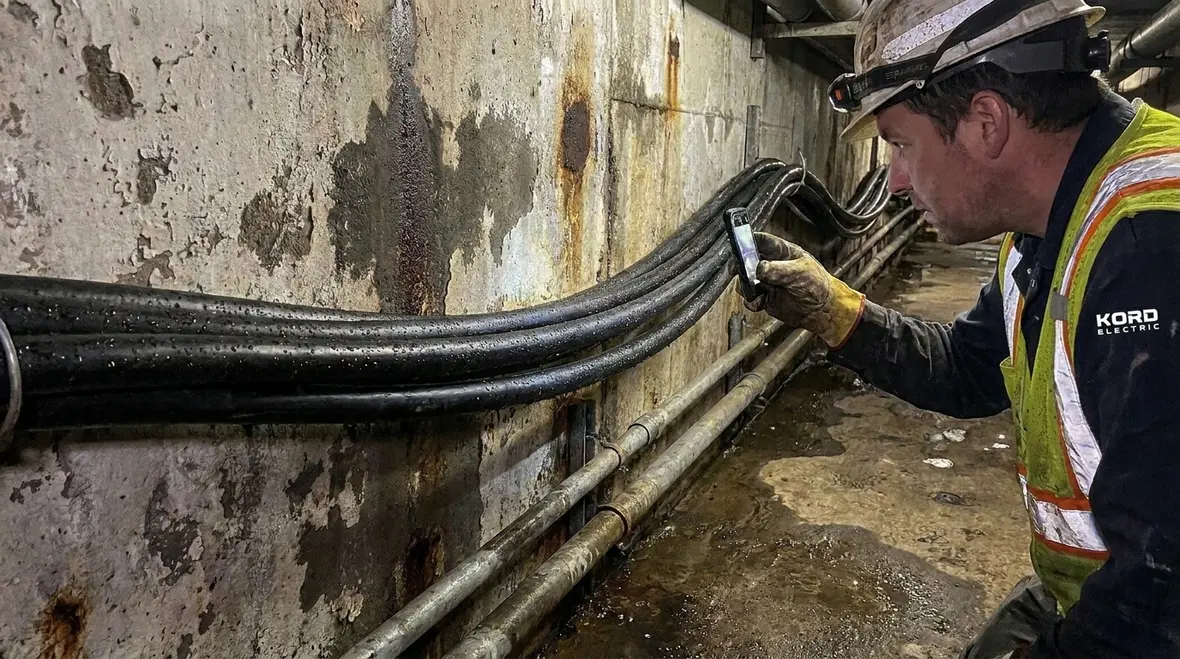
Facilities operate in the real world. Therefore, the NEC conductor requirements basics must account for heat, moisture, dust, chemicals, and impact risk. Section 300.5 supports the rule that conductors must be installed where they remain safe. If moisture collects where conductors sit, or if chemicals attack insulation, conductors can deteriorate over time. Likewise, if physical damage risk exists, the installation must prevent harm.
In commercial and industrial settings, we often encounter harsh routes: mechanical rooms, exterior corridors, service chases, and areas near loading docks. Consequently, the installation method needs to match the hazard level. We help teams decide where additional protection is necessary, and we do it before construction finishes and changes become expensive.
When moisture gets into the wrong places, corrosion and insulation breakdown can follow. When heat builds up, conductor resistance rises, and temperature limits can become a problem. Then, terminals suffer and connections loosen over time. In short, conditions matter. We do not treat them as an afterthought.
Installation methods that protect conductors over time
Once the route and environment get assessed, the next step is the installation method. NFPA 70 expects general conductor rules to align with how the conductor gets placed in raceways or cables. In other words, the physical path and the support strategy help decide whether conductors stay in safe shape.
Our expert service staff focuses on practical details that affect long term performance. We review how conductors get pulled, how they get supported, and how bends get handled. Also, we confirm that raceway fills stay within allowed limits and that conductors do not get scuffed or nicked during installation.
Here is the part people skip when they are in a hurry. Pulling tension and bend radius matter. So does the way cables get handled around corners. A conductor that looks fine on day one can still hide damage that shows up later as abnormal heating or unexpected voltage drop.
To keep work moving, we coordinate with facility teams and contractors so installation stays code aligned. Then we document the decisions so future maintenance staff can understand the “why,” not just the “what.”
Connections, terminations, and safe system performance
Conductors do not fail only in the middle of a run. Often, the real risk appears at connections and terminations. Section 300.5 supports the broader NEC expectation that conductors must remain suitable for the conditions of the system, including where the conductor connects to equipment.
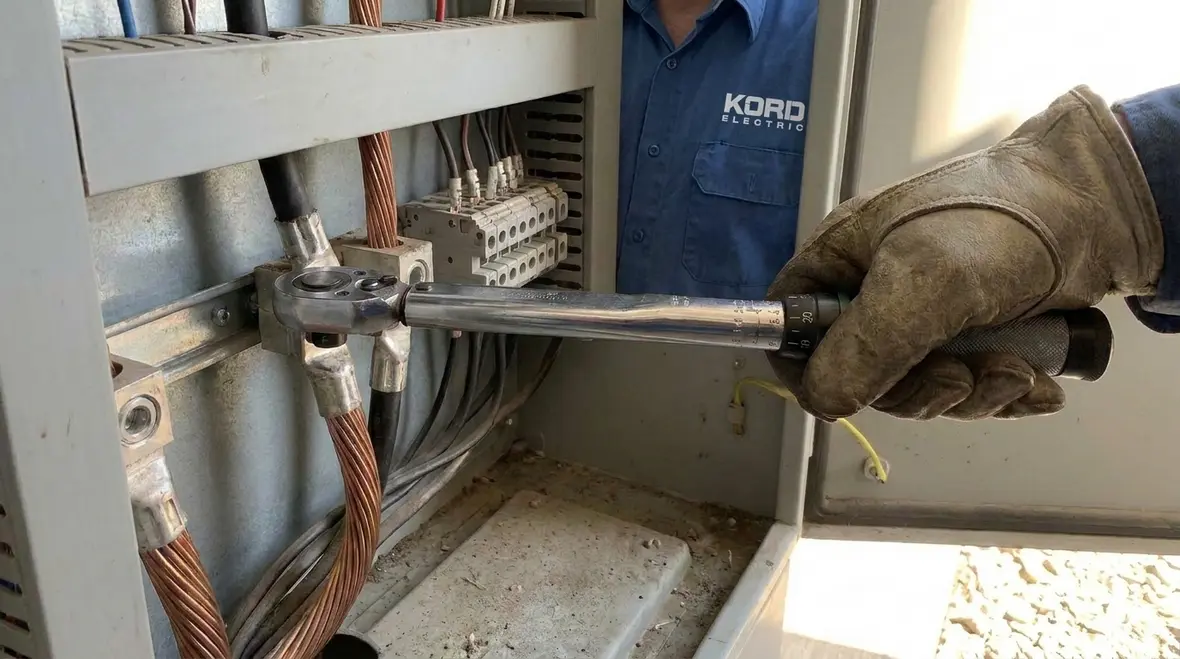
For commercial and industrial facilities, we take connection quality seriously. We verify proper lug sizing, torque practices, and conductor preparation. Also, we confirm that terminations match the conductor material and the equipment rating. A mismatch can lead to heat, oxidation, and contact resistance.
Then comes the part that saves headaches later. We plan for inspection access. Even the best termination loses value if future staff cannot inspect it safely. So, we encourage clear labeling, organized runs, and maintenance friendly layouts across major property buildings.
And yes, we have seen terminations treated like a “close enough” project. That approach usually ends with a thermal camera lighting up the scene like a crime drama. In this story, the villain is shortcuts.
How we apply NEC conductor requirements basics on real projects
Code language becomes useful when it turns into field decisions. Therefore, our teams apply NEC conductor requirements basics through a structured workflow that fits commercial and industrial work. First, we review the design documents and identify conductor types, raceways, routing paths, and load profiles. Next, we confirm that the installation plan supports the conductor’s insulation and rated use in the intended environment.
Then, we walk the facility context with our technicians and coordinate with client stakeholders. We ask about traffic patterns, cleaning methods, chemical use, and expected growth or future modifications. After that, we align the installation method to code expectations for support, protection, and routing.
At the same time, we keep the process calm and clear. We explain requirements in plain language, because a facility manager should not need a decoder ring to understand why we recommend a particular approach.
When Kord Electric works on major property buildings, we also think ahead. We plan for future service, tenant changes, and maintenance cycles. That way, conductor runs stay dependable as the building evolves.
Practical checklist for compliance in commercial and industrial spaces
To help teams stay consistent, we use a practical checklist style approach during install and review. It keeps the work grounded in real tasks, and it supports fast issue detection.
Field checks we run
- We confirm conductor type matches the environment along the full route.
- We verify protection from moisture and physical damage where needed.
- We check pulling, bend handling, and support spacing for safe routing.
- We inspect terminations for correct preparation and secure connection.
Documentation we provide
- We note the reasoning for route and protection decisions.
- We record installation details that affect future maintenance.
- We highlight inspection points and access needs for facilities.
- We support service teams with clear labeling guidance.
That dual focus reduces surprises. It also keeps maintenance teams confident during inspections and troubleshooting. In the end, compliance becomes a system, not a scramble.
FAQ for NFPA 70 Section 300.5 and NEC conductor requirements basics
Choosing partners who understand code, schedules, and safety
Commercial and industrial facilities need electrical work that holds up under pressure. We see it every day: teams want reliable power, minimal downtime, and clear communication. Kord Electric supports major property buildings with expert technicians and an informed service approach that respects NFPA 70 and practical installation realities. When the goal is safe, long lasting performance, we do not guess. We verify, document, and install with care.
If you need help aligning your conductor runs and installations with NEC conductor requirements basics, contact Kord Electric today. We will review your setup, explain the “why” in plain terms, and help you move forward with confidence.
For facility leaders planning broader electrical upgrades around NEC conductor requirements basics, it can help to treat conductor routing and protection as part of a bigger strategy. Resources on the Kord Electric blog that cover commercial electrical systems, modernization, and safety protocols show how conductor choices interact with panels, overcurrent protection, and life safety loads over the life of the building.
When work involves larger renovations or expansion, our team often pairs NFPA 70 Section 300.5 reviews with services that keep the overall electrical backbone aligned with current codes and real operating demands. For facilities across Southern California, our Los Angeles County electrical services integrate conductor selection, routing, and protection into full-service design, installation, and maintenance support.
NEC conductor requirements basics are not just lines in a book; they are the difference between a system that coasts through inspections and one that keeps surprising you at the worst possible time. With the right partner, those rules turn into clear design choices, steady day-to-day operation, and fewer late-night calls about mystery trips and hot spots that will not go away.
When you are ready to turn NFPA 70 Section 300.5 from abstract code language into a practical roadmap for your facility, Kord Electric is ready to help—from conductor selection and routing to terminations, labeling, and long-term maintenance planning.


