
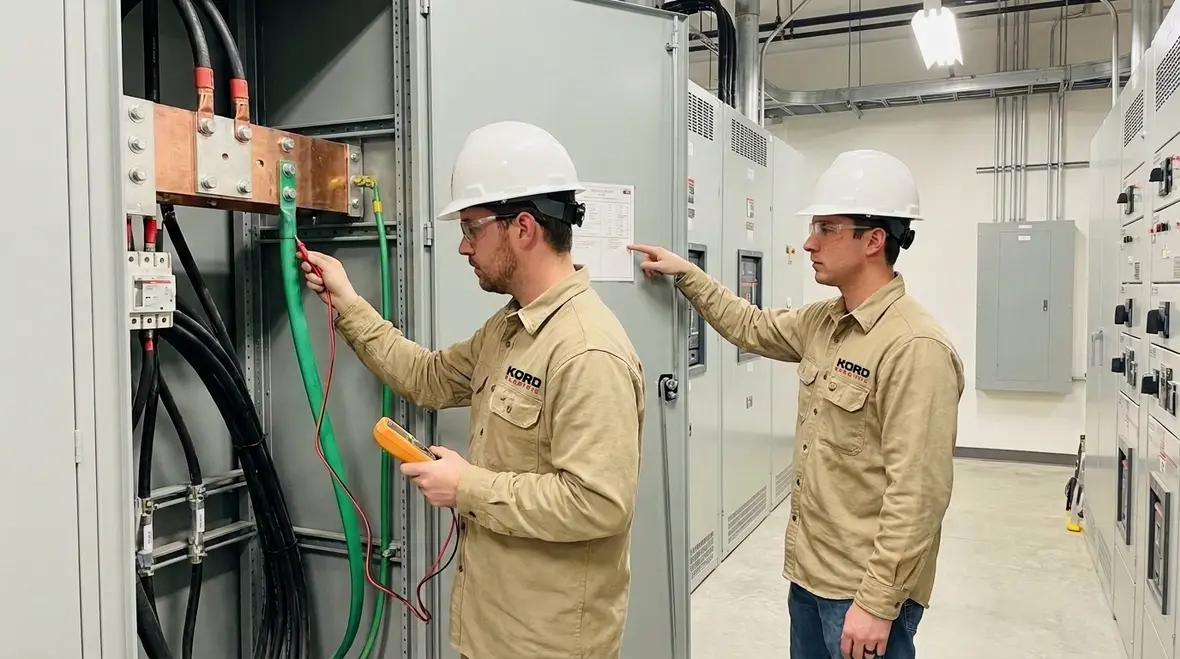
NEC EGC Continuity 2 kV for High Voltage Systems
Kord Electric explains NEC EGC continuity for high voltage systems in commercial buildings
At Kord Electric, we help commercial and industrial facilities keep their power systems safe, reliable, and easy to audit. So when people ask about NEC EGC continuity 2 kV, we usually start by grounding them in what the code requires, why it matters, and how qualified electricians actually check it in the field. In other words, we take the part that sounds like legalese and we translate it into something you can manage without losing your afternoon.
Also, yes, the electrical safety rules can feel like they were written by a committee that never sleeps. Yet when we follow them, you get fewer surprises, fewer downtime events, and a system that behaves the way it should when something goes wrong.
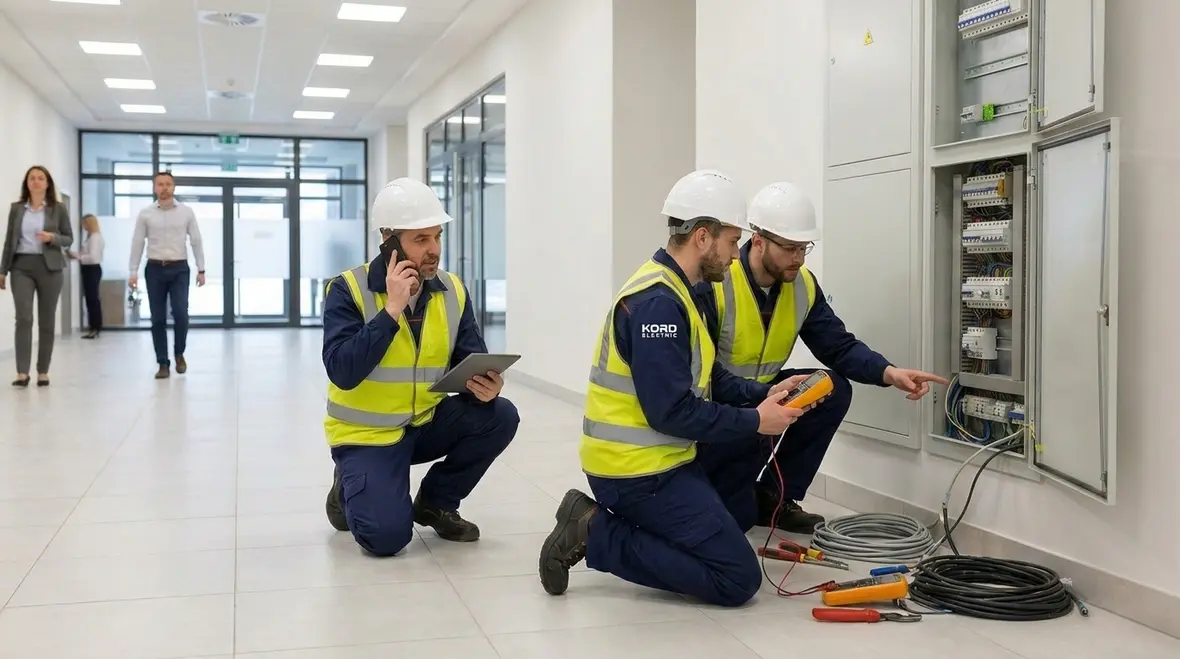
Why Section 270.124 matters for EGC continuity in the real world
Third party standards and internal policies might ask for “best practice,” but Section 270.124 focuses on what the National Electrical Code expects for equipment grounding conductor continuity on high voltage systems. This matters because when a fault occurs, the EGC must provide a clear, reliable path back to the source so protective devices can operate as intended.
As a result, the facility does not just “have a ground.” Instead, the EGC actually stays continuous from connected equipment to the grounding system, with the right connections, the right integrity, and the right verification method. And that is where many teams trip up, because they assume continuity is automatic. It is not. It must be maintained.
Our experienced service staff and technicians explain this process step by step, so operations teams understand what gets tested, what gets documented, and what gets corrected before it becomes a costly outage. Meanwhile, our field teams work with the reality of commercial schedules, so testing does not turn into a multi week disruption.
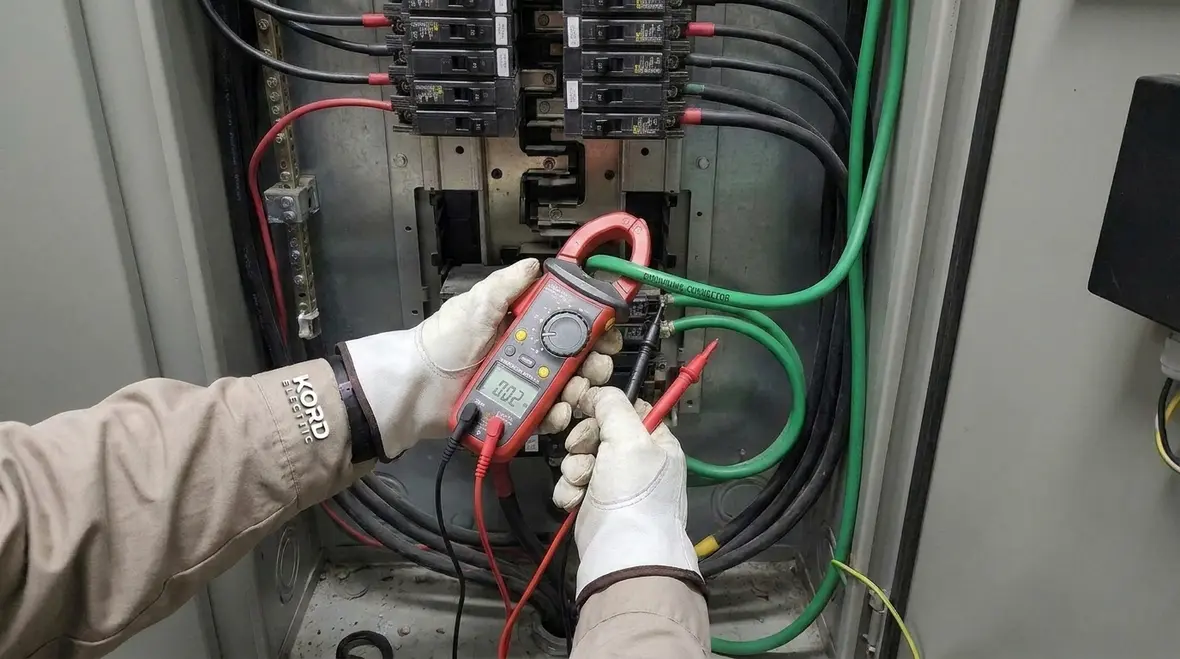
What counts as an EGC continuity check for 2 kV and above
In practice, NEC EGC continuity 2 kV expectations boil down to whether the grounding path remains solid through the full system. Section 270.124 addresses continuity for equipment grounding conductor paths on high voltage systems, which typically means you treat the grounding route as a functional system, not a set of parts.
Therefore, our technicians look at the whole chain, such as:
- Connections at switchgear, switchboard, and distribution equipment
- Terminations at transformers and associated compartments
- Bonding jumpers and metallic paths that must not break continuity
- Routing and installation details that prevent damage during maintenance
- Any point where the grounding path could be interrupted by modifications
Then, when we verify, we do it with care. We make sure the method fits the equipment layout and the facility environment. In high voltage work, a “looks connected” approach can fail. So we treat continuity checks as part of a safety program, not a one time box to tick.
How Kord Electric verifies continuity without disrupting operations
Commercial and industrial sites live on schedules. So we plan our work to reduce downtime, protect installed systems, and keep documentation clean for maintenance and compliance reviews. Moreover, we communicate early with facility managers, electrical supervisors, and safety staff so everyone knows what we will check and how the site will be affected.
Our technicians and expert service staff explain what they are doing as they go. For example, they clarify the difference between a conductor that merely exists and an equipment grounding conductor that truly maintains continuity through the full high voltage pathway. In addition, they help teams understand what to watch after other contractors perform work near the equipment. If a technician removes a panel or replaces a component, continuity can change, even if nobody meant to cause a problem. That is why methodical verification matters.
And yes, we have seen it: someone swapped a part, buttoned everything up, and hoped the “ground was fine.” That is a little like driving with your seatbelt unlatched and telling yourself you will feel it later. You might feel it. The question is whether you want to be the test dummy.
Common continuity gaps we find in commercial power systems
Even well run facilities run into the same categories of issues. As a result, we focus on practical failure points that can reduce EGC continuity quality over time. Here are common gaps our field teams look for, especially on high voltage equipment used in major property buildings and industrial settings:
- Loose or improperly torqued terminations that can loosen due to vibration and thermal cycling
- Corrosion or poor surface contact at bonding points
- Modified equipment configurations where the grounding pathway did not get updated
- Insulation damage or mechanical stress that affects the grounding conductor’s integrity
- Unplanned changes during renovations, tenant improvements, or equipment upgrades
Next, we also consider documentation. A facility may have a grounding plan on paper, but the installed reality might differ. Therefore, we match what we observe in the field to what the electrical drawings and maintenance records describe. When the two do not align, we address the gap before it becomes a problem during commissioning, compliance review, or fault testing.
To keep things calm, we explain the findings in plain terms and we outline the corrective path. Our goal is simple: continuity should stay dependable, and your team should know why.
Where other NEC topics intersect with high voltage grounding practices
High voltage grounding does not exist in a vacuum. Even though our focus here stays on Section 270.124, we often see teams improve outcomes when they connect this requirement with the larger NEC framework for system safety. For example, the NEC approach supports reliable fault clearing and safe bonding across the electrical system.
So, when we guide commercial and industrial clients, we connect dots across the facility’s electrical ecosystem. We do not treat high voltage equipment like an island. Instead, we align grounding practices with how power flows through the building and how protective devices respond under abnormal conditions.
In addition, our team supports clients who reference authoritative code resources and want clarity on how the code applies to their actual setup. Many people read through summaries like those found in Kord Electric’s NEC blog content such as Understanding NFPA 70: The National Electrical Code Explained for 2026 and in NEC focused explainers from Kord Fire. Then they ask us the same practical follow up: “How do we prove it?” That is where we earn our keep.
What facility managers should document to stay audit ready
When a facility undergoes internal reviews or third party inspections, the documentation often matters as much as the work itself. Therefore, after EGC continuity verification, we recommend teams keep a clear record that supports what happened, what got tested, and what changed.
Our technicians typically help clients build documentation that includes items like:
- Equipment identifiers tied to the high voltage system being assessed
- Test scope and the grounding pathways included in the continuity evaluation
- Observed issues and the corrective actions taken
- Verification results after corrections
- Updated notes that reflect any changes to terminations or bonding
Additionally, we encourage teams to connect this documentation to maintenance schedules. That way, when operations teams handle routine inspections, they do not miss the grounding details that keep the system safe. And when the next upgrade arrives, you have a baseline that shows what “continuous” looked like before the changes.
For facilities planning broader improvements, EGC continuity checks often fold naturally into projects like Los Angeles County electrical services for commercial and industrial sites, large scale infrastructure upgrades, or modernization efforts. When continuity verification becomes part of those larger efforts, you get a cleaner commissioning phase and fewer surprises when inspectors review the work.
FAQ
Featured snippet style FAQ answers
How often should EGC continuity be checked?
Facilities typically check during commissioning and after major equipment changes, and then follow a maintenance plan based on risk and history.
Why do facility upgrades sometimes create grounding issues?
Because contractors may change components or routing, and the grounding path updates get missed during reassembly or renovations.
Who should perform EGC continuity work?
Qualified electrical technicians with experience in high voltage equipment should do verification and any required corrections.
Does documenting continuity reduce audit problems?
Yes. Clear records help show what you tested, what you found, and what you fixed.
Final call to action from Kord Electric
If your commercial or industrial facility uses high voltage equipment, you need grounding practices you can trust. Kord Electric works with your team to verify NEC EGC continuity 2 kV requirements, correct real world gaps, and keep documentation audit ready. Our technicians explain what they find and why it matters, so you stay informed without getting lost in code talk. Contact us today to schedule an assessment, plan testing around your operations, and build a safer electrical system for the long run.


