
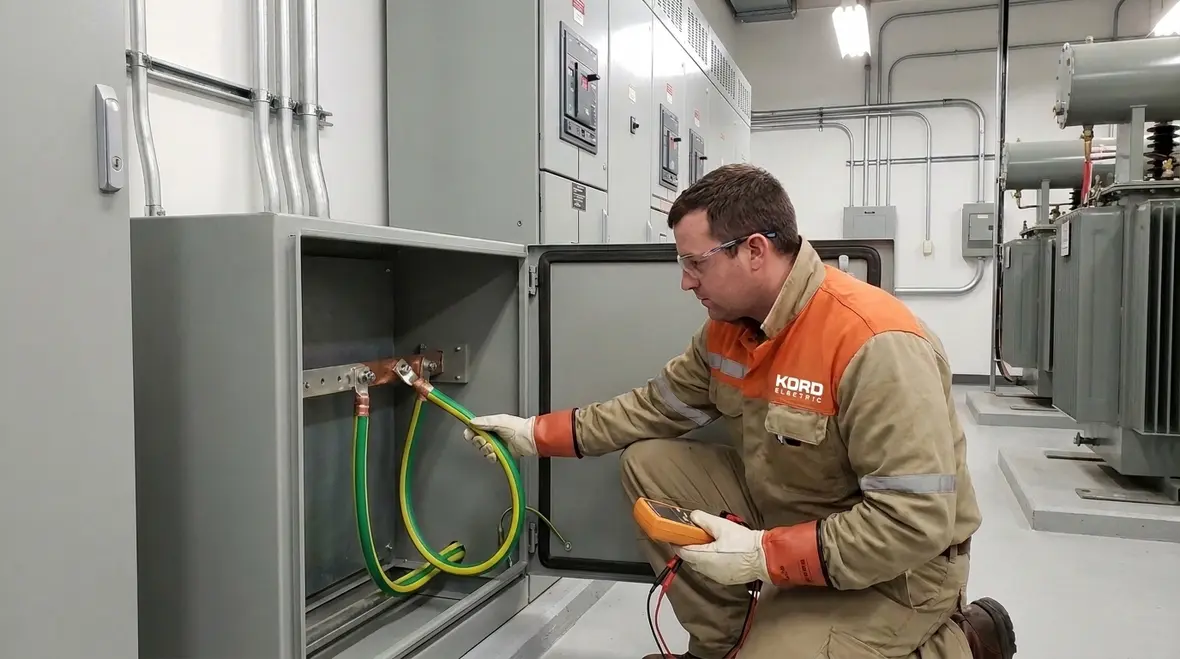
NEC EGC Installation Requirements Above 2 kV NFPA 70 270.120
At Kord Electric, we focus on commercial and industrial facilities, as well as major property buildings where electrical systems get heavy use and uptime matters. In that world, NFPA 70 Section 270.120 sets clear rules for an equipment grounding conductor when the system runs above 2 kV. In plain terms, our NEC EGC installation 2 kV requirements start with the idea that safety cannot be left to guesswork. And if you have ever seen a “good enough” grounding job, you already know how expensive “good enough” can become.
In the sections ahead, our expert service staff will explain, step by step, how facilities should install and verify EGC pathways, connections, and system bonding choices. Then we will connect those rules to real-world practices we see on jobs with switchgear, transformers, feeders, and grounding grids.
NEC EGC Installation Requirements Above 2 kV: What NFPA 70 Section 270.120 Demands
Section 270.120 exists because faults happen. Lightning and insulation breakdown do not send invitations, and a single failing component can create dangerous touch and step voltages. Therefore, the grounding system must provide a low impedance path that supports fast fault clearing and helps protect people and equipment.
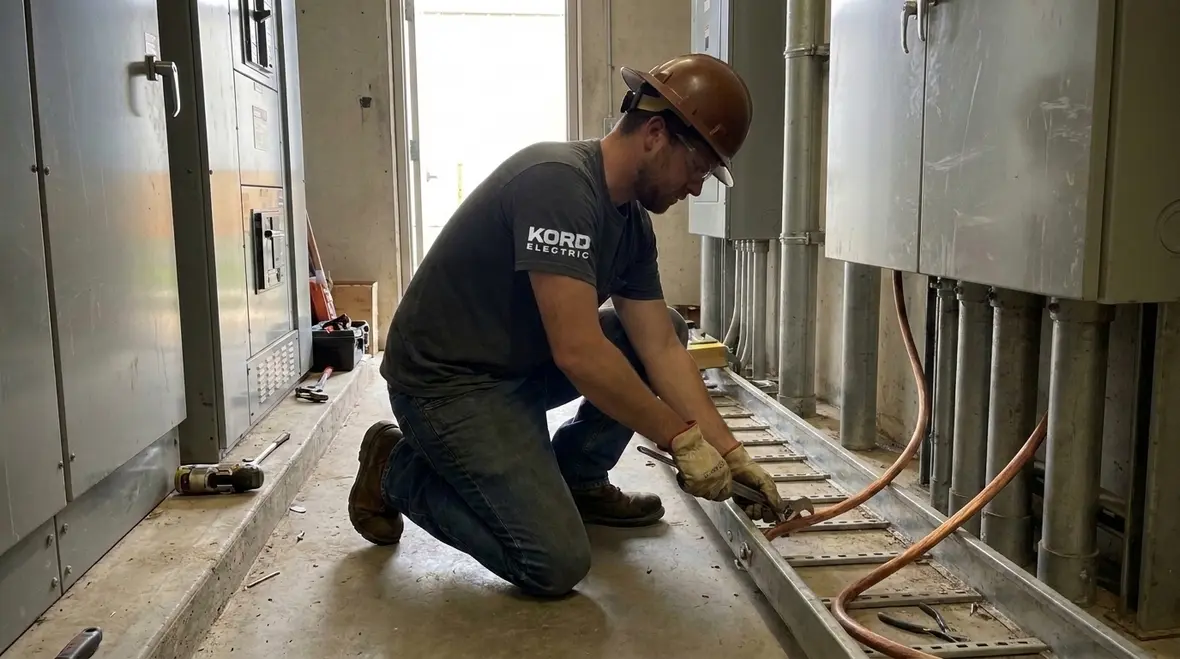
Also, industrial facilities do not “reset” when a problem occurs. Production lines keep moving, critical loads stay on call, and property managers expect stable operations. So, we treat grounding and bonding as a system feature, not a side task. When our technicians review drawings and field conditions, they aim to ensure the grounding system performs during the worst day, not the easiest day.
And yes, grounded conductors still need respect. Think of grounding like the seatbelt in a movie stunt scene: it may look invisible while everything is fine, but without it, the scene ends quickly.
Why Section 270.120 Matters for Commercial and Industrial Power Systems
For facilities, an equipment grounding conductor, or EGC, ties non current carrying metal parts to the grounding system. As a result, if a fault causes those metal parts to become energized, fault current routes through the EGC path and helps protect workers and building occupants.
In projects above 2 kV, the EGC is not just a “wire that goes somewhere.” It connects equipment frames and enclosures back to the system grounding point. Then it works alongside bonding jumpers, grounding electrodes, and other conductors designed to manage fault current and stabilize voltage.
Meanwhile, major property buildings often include multiple voltage levels, utility service gear, pad mount transformers, switchgear lineups, and bus structures. So, our team coordinates those areas so the EGC path does not stop, change direction without plan, or rely on weak connections.
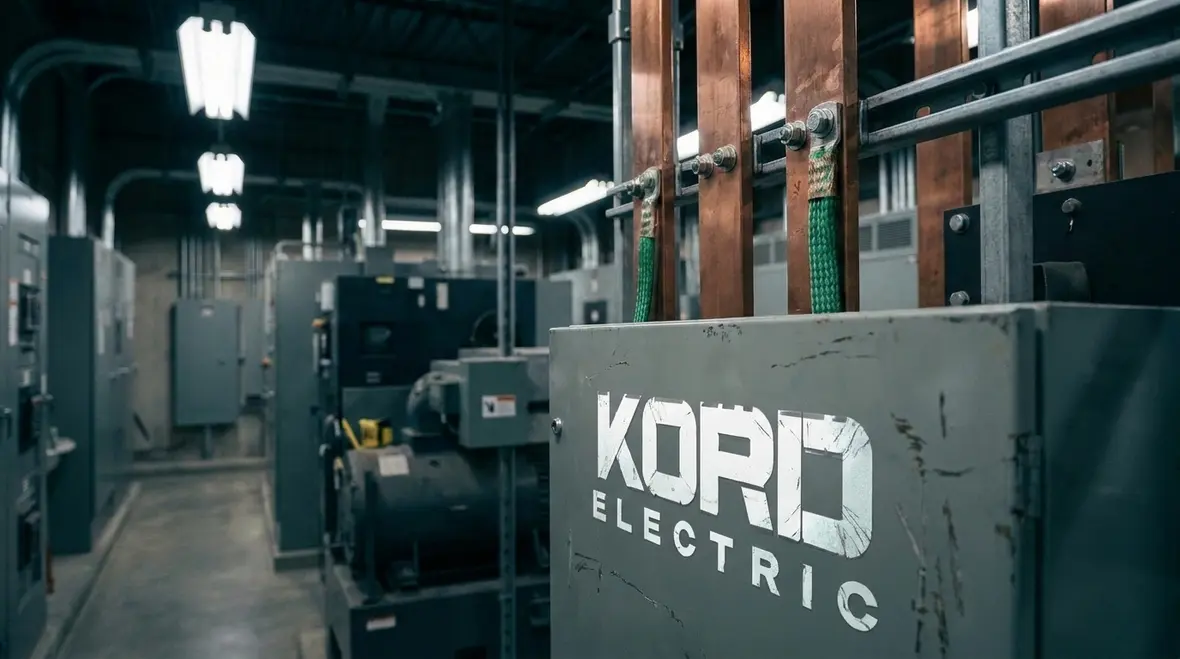
What We Mean by EGC and Where It Shows Up
When a system operates above 2 kV, NEC requirements demand careful EGC installation. At Kord Electric, we translate those requirements into field steps our customers can understand and rely on. Our technicians explain the intent as we work, because the goal is not paperwork. The goal is a system that stays safe and functional.
Key ideas include
- Clear routing so the EGC provides an effective fault current path from equipment to the grounding point
- Proper connection methods that maintain electrical continuity and mechanical strength
- Correct sizing and compatibility so conductors handle fault conditions without failing or overheating
- Secure bonding for metallic enclosures, frames, and raceways where applicable
Then there is the part everyone wishes they could skip: verification. Therefore, our experts document connections, check continuity, and confirm that field modifications did not break the grounding path. It is boring in the best way, like reading the manual before the tool catches fire. Nobody wants the fire drill, and nobody should need one.
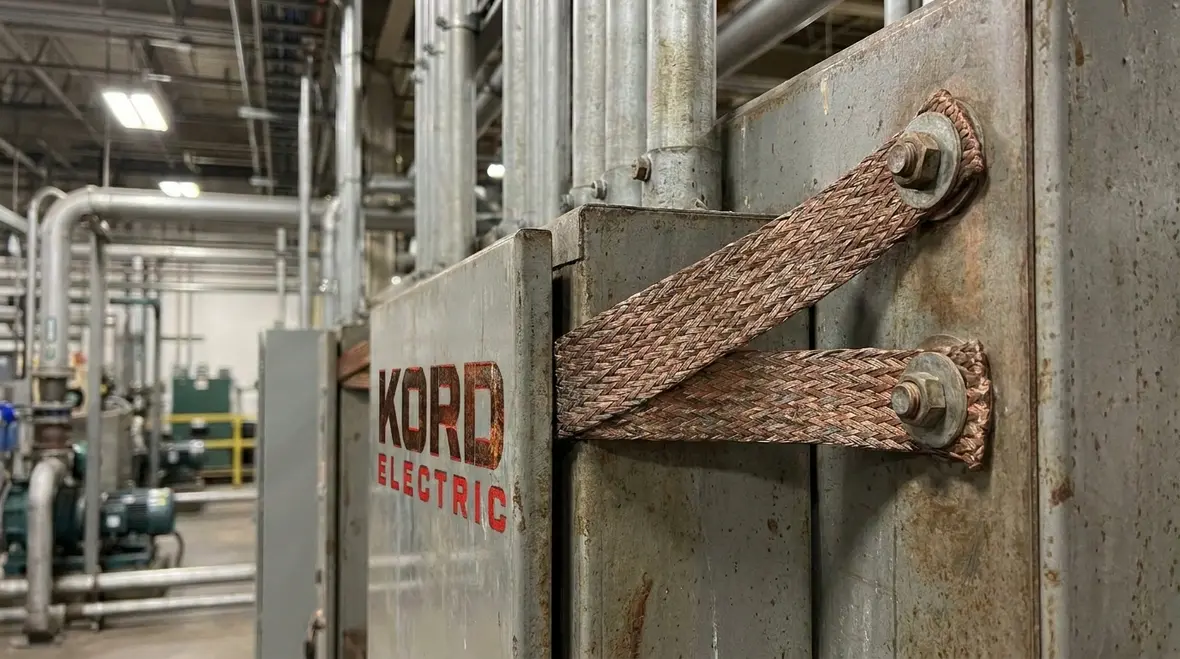
NEC EGC Installation 2 kV: Core Installation Rules in Practical Terms
Even when drawings look correct, field conditions can shift. Raceway changes happen. Equipment gets swapped at the last minute. Crews add supports, reroute cable trays, or modify short runs. Because of that, continuity and termination quality matter as much as the conductor itself.
Our service staff uses a disciplined approach
- We inspect termination points for clean contact surfaces and correct hardware
- We verify bonding jumpers where enclosures and raceways meet
- We confirm conductor identification so the right grounding conductor connects to the right point
- We coordinate with electricians and contractors so installation matches the design intent
Additionally, we pay attention to how crews route and protect the EGC. Above 2 kV systems can involve more complex gear, and the EGC path needs physical protection and reliable access for inspection. So, we design for maintainability, not just initial installation.
And when we explain it to facility managers, we keep it simple. We tell them: if the grounding path fails, safety margins collapse. That is not a metaphor. That is a real outcome we work to prevent.
How We Ensure Proper Continuity and Terminations in the Field
Section 270.120 does not live alone. It links to the broader grounding strategy in the NEC, plus grounding practices used in switchgear and transformer installations. Therefore, when our technicians plan NEC EGC installation 2 kV work, we align it with the grounding grid, building bonding points, and equipment grounding structure.
In typical commercial and industrial settings, EGC work touches several areas
- Transformers where primary and secondary bonding decisions affect fault current paths
- Switchgear lineups where enclosures and compartments require correct grounding interfaces
- Feeders and cable trays where routing and bonding practices influence continuity
- Grounding electrodes and bonding conductors that maintain system stability
At the same time, major property buildings often deal with multiple tenants and evolving loads. So, we also consider future changes. We prefer installations that support upgrades without turning the grounding system into a patchwork quilt.
If you want a deeper look into how the NEC fits together, Kord Electric and our partners often reference NEC guidance, and we encourage customers to review the wider code context through resources like Understanding NFPA 70, the National Electrical Code Explained for 2026 and NEC summaries shared across our sites and fire service partners such as KordFire. Those resources help people see how the grounding rules connect to the rest of the electrical safety picture.
Coordination With Grounding Systems, Transformers, and Switchgear
After installation, we do not consider the job finished just because power turns on. Instead, we treat documentation and inspection support as part of the safety deliverable. That means our team helps customers verify that the installed grounding system matches the engineered intent.
Depending on the project, we support
- Visual inspections of terminations, bonding points, and conductor routing
- Continuity checks that confirm electrical paths remain intact
- As built updates so facility records match reality
- Coordination support for ongoing maintenance work
And because commercial and industrial facilities often run under tight schedules, we plan the work to reduce downtime. We coordinate with the electrical contractor, facility operations, and property management so the grounding activities fit the project timeline, not fight it.
In short, the best grounding system does not just protect during a fault. It also makes your future troubleshooting faster and less stressful. Nobody wants to chase a mystery later, like searching for a hidden remotes in a couch cushion, only this time it can impact safety.
For facilities across Southern California, including Los Angeles County, we often integrate EGC verification with broader programs such as inspections, testing, and targeted corrective work. That way, NEC EGC installation 2 kV work supports other priorities like working clearances, surge protection, and modernization projects, instead of living in its own separate bucket.
Inspections, Testing, and Documentation That Facilities Can Use
When your grounding system lines up with NFPA 70 expectations, it becomes easier to pass inspections without last minute surprises. Our team draws on field-tested processes for inspections and tests so Section 270.120 ties smoothly into other code sections, including those that govern working space, equipment access, and test records. Over time, those habits make the difference between scrambling before every visit and treating inspections like just another calendar entry.
We also help facility teams understand what to log and where. That might include torque records for major terminations, test values for continuity checks, and photos of grounding terminations before covers go back on. The goal is not to create a binder that nobody reads. The goal is to build a record you can actually use when maintenance, troubleshooting, or future upgrades bring the grounding system back into the spotlight.
Frequently Asked Questions
Call Kord Electric for NFPA 70 Grounding Support
When your facility operates with switchgear, transformers, and systems above 2 kV, the grounding work cannot be a last minute task. We, Kord Electric, send our trained technicians and expert service staff to plan the EGC installation, verify terminations and continuity, and support documentation your team can trust. If you are building new infrastructure or upgrading an existing site, contact us now so we can review your scope and help keep your electrical safety on solid ground.
We also support broader project goals. From code-focused planning around NFPA 70 and NFPA 70A to field work that includes inspections, surge protection, and commercial electrical upgrades, our crews help tie grounding decisions into the rest of your electrical strategy. For facility teams in Southern California, our Los Angeles County electrical services bring that approach directly to local commercial and industrial buildings, entertainment venues, and major property sites that cannot afford guesswork.
Whether you are reviewing NEC EGC installation 2 kV options for a new project or trying to verify grounding in an older facility, we are ready to help you connect the details of Section 270.120 with real-world construction, testing, and long-term maintenance.


