
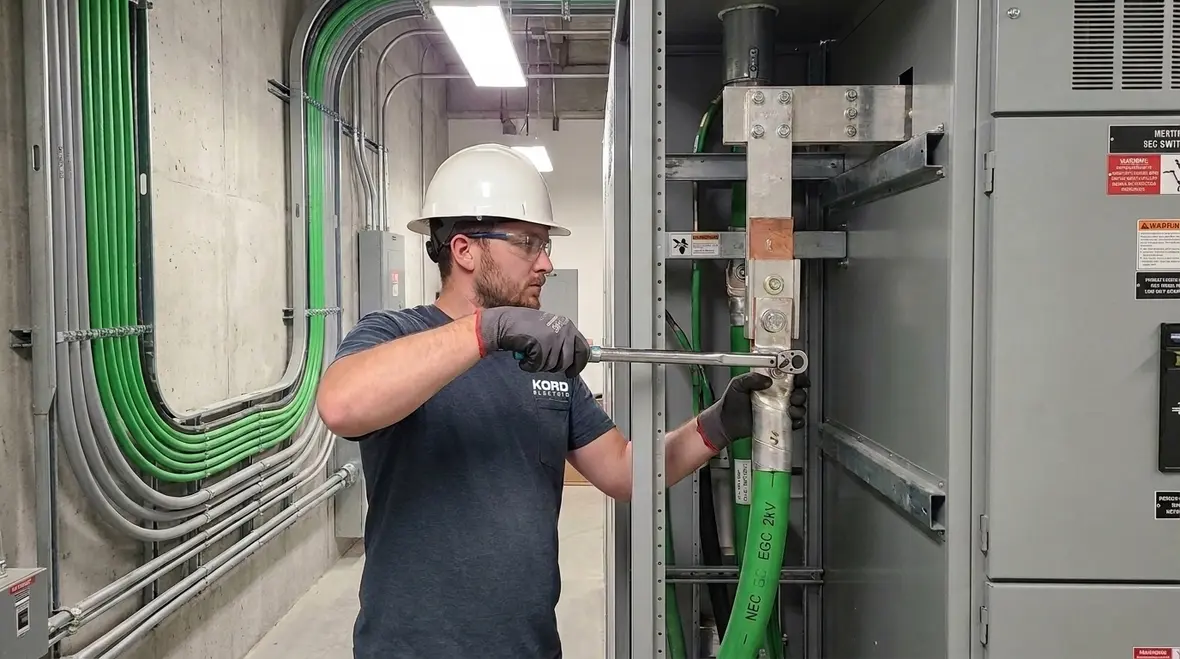
NFPA 70 270.118 and NEC EGC Types 2 kV for Commercial Sites
NFPA 70 and NEC EGC types 2 kV: what commercial sites need to know
At Kord Electric, we work with commercial and industrial facilities and major property buildings, so we see one pattern again and again: high voltage grounding details either get handled carefully, or they get handled after a problem shows up. That is why we take NFPA 70 Section 270.118 seriously, especially when the work involves NEC EGC types 2 kV conductors used for high voltage equipment.
In this article, others can “read the code.” We make it practical. First, we explain what Section 270.118 means for types of equipment grounding conductors. Then we walk through how our technicians and expert service staff translate the rules into field-ready practices, so your team gets safer, cleaner results without guesswork. And yes, we will keep it calm. Even if your site’s electrical room feels like a scene from a sci fi movie, we still want it to operate like a professional one.
What Section 270.118 requires for high voltage equipment
NFPA 70 Section 270.118 focuses on the types of equipment grounding conductors, or EGCs, that you can use with high voltage equipment. The intent is simple: when something faults, the grounding path must work reliably and safely. Therefore, the rules call out specific EGC types that match the insulation and voltage level of the system equipment.
In other words, this section ties protection back to conductor design. For commercial and industrial electrical rooms, that matters because equipment often includes switchgear, transformers, high current feeders, and motor control assemblies. When an abnormal condition happens, grounding conductors must carry fault current long enough to allow protective devices to clear the fault.
Also, this section helps prevent a common site mistake: using a grounding conductor that “looks close enough,” but does not match the system needs. We have seen field crews pick something that seems reasonable, then later deal with rework, inspection delays, or worse. Our technicians explain that the code does not care what the conductor looked like on day one. The inspection cares what it is allowed to be on day one.
Which NEC EGC types 2 kV apply to your high voltage work
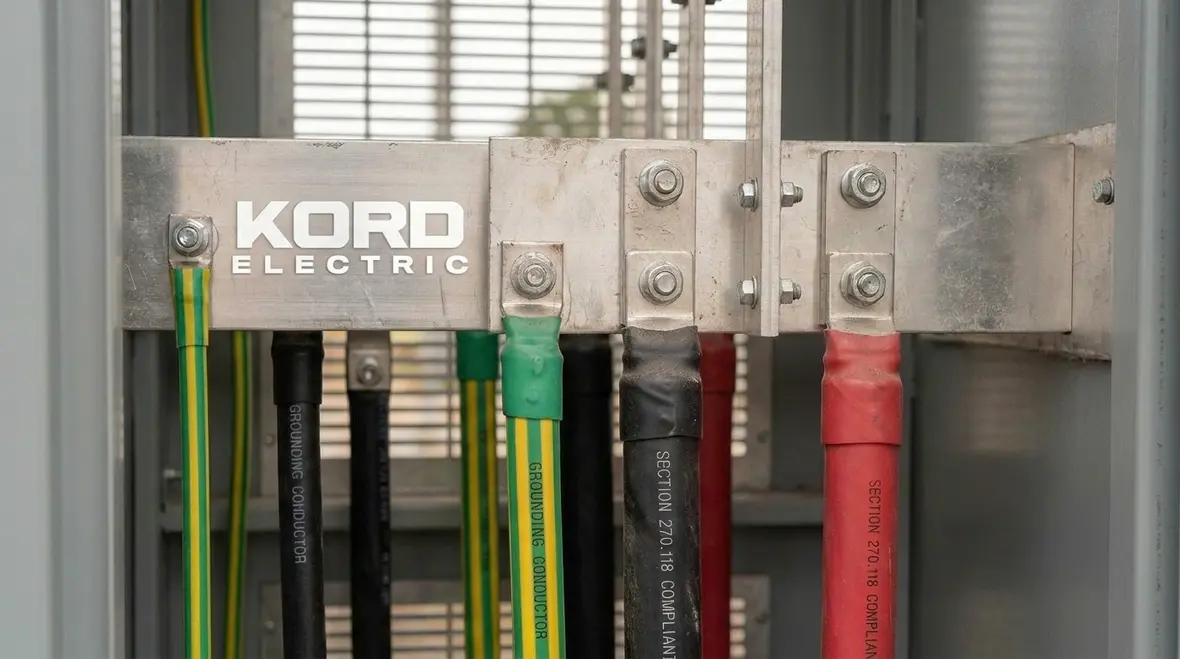
When a facility uses equipment rated for higher voltage, the grounding conductor must be sized and specified properly, including the type that fits the insulation and voltage class. NEC EGC types 2 kV play a role when the equipment and wiring method require this rated grounding conductor type.
Here is the practical idea. For certain high voltage installations, a conductor marked and listed for the appropriate voltage level provides reliable insulation performance under normal conditions and during fault conditions. Consequently, we advise teams to confirm the equipment voltage rating, the wiring method, and the conductor listing requirements before the first pull.
Our expert service staff also explains how this affects commissioning. After installation, we do not treat EGCs like a box to check. We verify continuity, terminations, and routing practices, because those details determine whether the system performs when something goes wrong.
And if you are thinking, “We will figure it out later,” let us gently remind you that “later” is how schedules slip. In commercial and industrial work, time is not a suggestion. It is a deadline with teeth.
How we choose the right EGC type on real projects
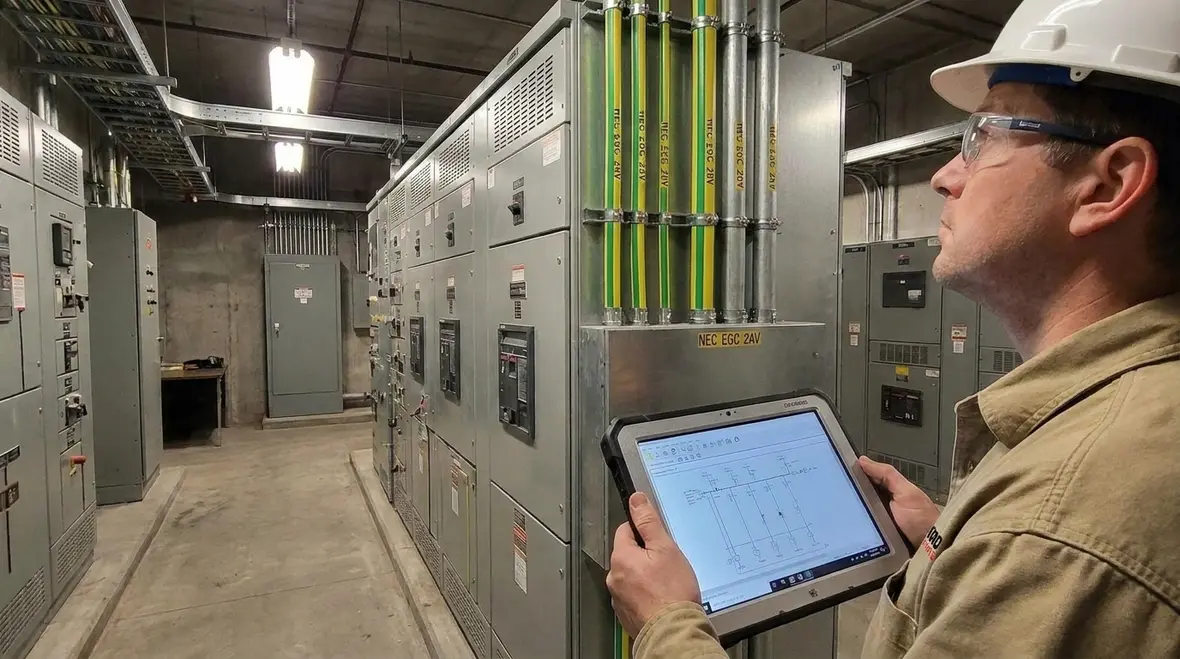
Even when everyone reads the same code text, jobsite choices can drift. So we use a clear process. First, our team reviews the one-line diagram, equipment data sheets, and the electrical room requirements. Then we match the grounding conductor type and insulation rating to the equipment and the wiring method.
Next, we look at terminations and connection quality. A grounding conductor can meet the right type, yet still fail if the termination is weak, loose, or damaged. Therefore, we pay attention to the installation steps: torque values, compatible lugs, conductor preparation, and segregation from non-grounding conductors.
Finally, we confirm how the system will clear faults. Protective devices such as breakers, fuses, and relays must operate in coordination with the grounding path. When the grounding conductor type aligns with NFPA 70 Section 270.118 expectations, the fault path becomes more predictable. In turn, inspections feel less like a surprise exam and more like a verification.
Our technicians explain it this way to facility managers: you can have the best equipment, but if the grounding story is mismatched, you do not truly have a system. You have a collection of parts hoping for the best.
Installation practices that protect the grounding path
Section 270.118 covers types of EGCs, but the job still needs good workmanship. So we focus on the parts that inspections often catch, and that failures always expose.
- Routing and separation: We route EGCs to reduce physical damage and avoid tight bends or abrasion points. Then we keep grounding conductors separated where needed from other conductors and sharp edges.
- Mechanical protection: In commercial and industrial spaces, cables can get bumped by carts, ladders, and daily work. We protect grounding conductors using approved methods for the environment.
- Conductor integrity: We check insulation condition and labeling before termination. If something looks nicked, we address it right away. We do not “cover it and move on.”
- Termination quality: We select the right lugs and ensure proper conductor prep. Moreover, we tighten to spec and document the approach when required by project standards.
Transition matters here. When these steps happen early, the site avoids late conflicts. And when the grounding conductor aligns with NEC EGC types 2 kV requirements where applicable, the installation stays consistent with the intent of the code.
Inspection readiness for commercial and industrial facilities
Inspections do not ask you to explain your feelings. They ask you to show compliance. Therefore, we help our clients and project partners build inspection readiness from day one.
Our process includes jobsite documentation and alignment checks. We verify conductor ratings, confirm grounding paths, and ensure labeling matches the equipment and drawings. Then we support testing and verification work so the inspector sees a system that was built to last, not just built to pass.
For property teams, we also help plan timing around shutdown windows. High voltage work often competes with building schedules, so we coordinate to minimize disruption. That is how we protect operations while still meeting code-driven requirements.
Also, we make it easy for others to understand what we did. Our technicians explain the checks in plain language, and our expert service staff stays available for questions. We learned long ago that “silent compliance” creates confusion later. Better to be clear now, while the crew is still on site and the equipment still looks friendly.
Common mistakes we help teams avoid
We see repeat issues across commercial and industrial projects. None of them are mysterious, and most of them come from skipping a step or assuming a similar conductor is identical.
- Using an EGC that does not match the equipment voltage rating: If the equipment calls for a higher rated EGC, the installation must use the approved type. We clarify this early, so there is no last minute swap.
- Weak or incompatible terminations: Even with the right type, poor termination can break the grounding path. We focus on torque, compatibility, and clean conductor prep.
- Rushed routing in crowded electrical rooms: Tight spaces lead to abrasion and stress. We plan routing and install protection so the conductor survives daily traffic.
- Skipping documentation: When drawings do not match what is installed, inspection becomes stressful. We keep the record aligned with the field reality.
And just like a sitcom miscommunication, these mistakes often feel harmless right up until the moment they matter. Then everyone has the same conversation, only louder. We prefer to prevent the loud conversation.
How other code resources compare
For reference, some teams start with general NEC explanations, like those shared in the Kord Electric blog and other KordFire resources. Those guides help people understand the broader structure of NEC requirements for 2026 and beyond. One example is the overview in Understanding NFPA 70: The National Electrical Code Explained for 2026, which walks through how the standard shapes safe electrical design and inspection practices.
Next, the team should narrow down to the exact section that governs grounding conductor types for high voltage equipment. When you combine high level code understanding with a section-level approach, you reduce interpretation risk. And when your electrical contractor backs it with field checks, you build confidence for inspectors and facility owners.
What this means for property teams
Major property buildings and commercial facilities need reliable uptime. Because of that, the grounding design and installation choices impact more than safety. They impact maintenance cycles, retrofit costs, and how fast the site recovers after faults.
So we help teams treat grounding as a system, not an afterthought. Then we keep communication open through our technicians and expert service staff, so the building team understands what is done and why.
FAQ
Conclusion and call to action
We respect the code, and we respect your operating schedule. NFPA 70 Section 270.118 and the right NEC EGC types 2 kV help commercial and industrial facilities build a dependable grounding path for high voltage equipment. At Kord Electric, our technicians and expert service staff translate the rules into field-ready installs, inspection support, and clear explanations. If you are planning a retrofit, new build, or major electrical upgrade, we can also coordinate with broader system decisions like those covered in our NFPA 70 resources and commercial power design guides, so grounding aligns with your overall electrical strategy.
For facilities across the region, especially in demanding markets like Los Angeles County, the safest option is to work with a team that handles high voltage grounding, inspections, and uptime as a single story. If you are evaluating new equipment, expanding an electrical room, or planning code-driven upgrades, explore our Los Angeles County electrical services to see how we support commercial and industrial projects from planning through final inspection and beyond.


