

NEC Farm Load Calculation General for Commercial Design, Kord
At Kord Electric, we help commercial and industrial teams keep power systems steady, safe, and code aligned. Early on, we explain the NEC farm load calculation general idea because it sets expectations for how loads are counted and why the math matters. In other words, we do not treat load calculation like a guessing game. We treat it like a job. And yes, sometimes people try to wing it the way someone “wings it” during a weekend karaoke night. It works until it doesn’t.
NFPA 70 Section 120.100 supports a clear baseline for Farm Load Calculations General. Even though the name sounds rural, the principles show up in real planning for facilities that handle process loads, agricultural style equipment, pumps, and mixed power sources. Our expert service staff walks clients through the same core logic: identify what loads exist, how they behave, and how the system should be sized to perform under real conditions.
Our teams also tie these calculations back to broader NEC direction so facility leaders can see how load sizing interacts with the rest of the rulebook. For example, when clients want more background on how NFPA 70 shapes everyday decisions, we often reference our own educational resources such as Understanding NFPA 70: The National Electrical Code Explained for 2026, which pairs neatly with the practical load planning work described in this guide.
Section 120.100 sets the rules for how we start sizing loads
NFPA 70 Section 120.100 focuses on farm load calculations general. It guides how people approach the task before they start picking conductors, breakers, and transformers. Therefore, the first step is not buying parts. The first step is defining the loads in a practical way that reflects how equipment runs.
In practice, our technicians review the facility operation, including motor driven equipment, pumps, lighting loads, and control circuits that can cause momentary demands. Then we look at the service arrangement and the way loads get turned on. As a result, the calculation becomes a reflection of how the site actually behaves, not how someone hopes it behaves.
We also help teams avoid a common trap: treating every load as identical. Some loads run continuously. Others start only at certain times. Some draw high current at start. If you ignore that, the rest of the electrical design becomes a domino chain that falls right into the next inspection.
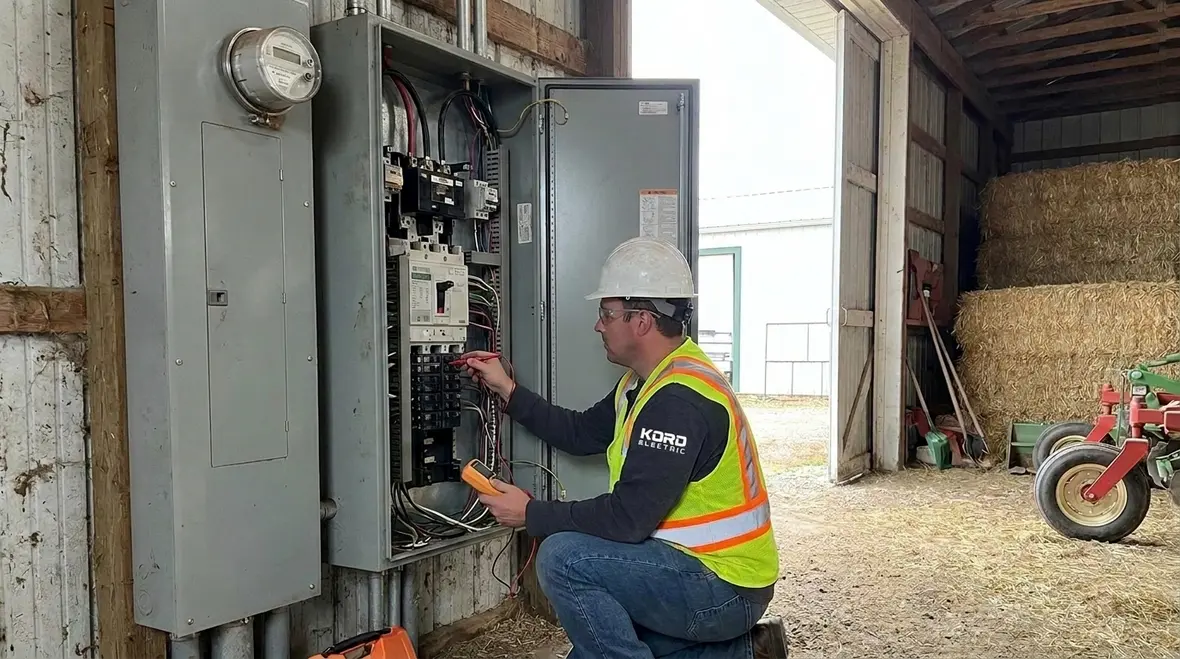
Because Section 120.100 sets expectations early, we use it as a planning lens for commercial and industrial work that might not look like a classic farm, yet still behaves like one electrically. Facilities with mixed processing lines, distributed pumps, or outdoor mechanical equipment can benefit from the same structured thinking, as long as the calculation stays honest about how demand really forms across the day.
How Kord Electric builds a load list that matches real equipment
When we support commercial and industrial facilities, we start by building a load list with the facility’s equipment model in mind. Our expert service staff explains each item in plain language, so project teams can sign off confidently and move forward without confusion.
We typically organize the loads by type, because behavior differs. For example, motor loads can include:
Pump motors that may cycle based on pressure and demand
Conveyance motors that run in phases, often with starting surges
Compressors or other driven equipment that cycles during production
Then we include the supporting pieces that often get overlooked. Control power, HVAC fans, specialty process equipment, and seasonal equipment can change the load profile. In addition, standby or backup arrangements can affect how demand is calculated and how the service equipment should handle transitions.
Once the list exists, we verify the ratings. Nameplate data matters. So does how the equipment runs in the field. And yes, we have seen “nameplate rated” become “field fairy tale,” where the actual duty differs. Our technicians catch those mismatches early.
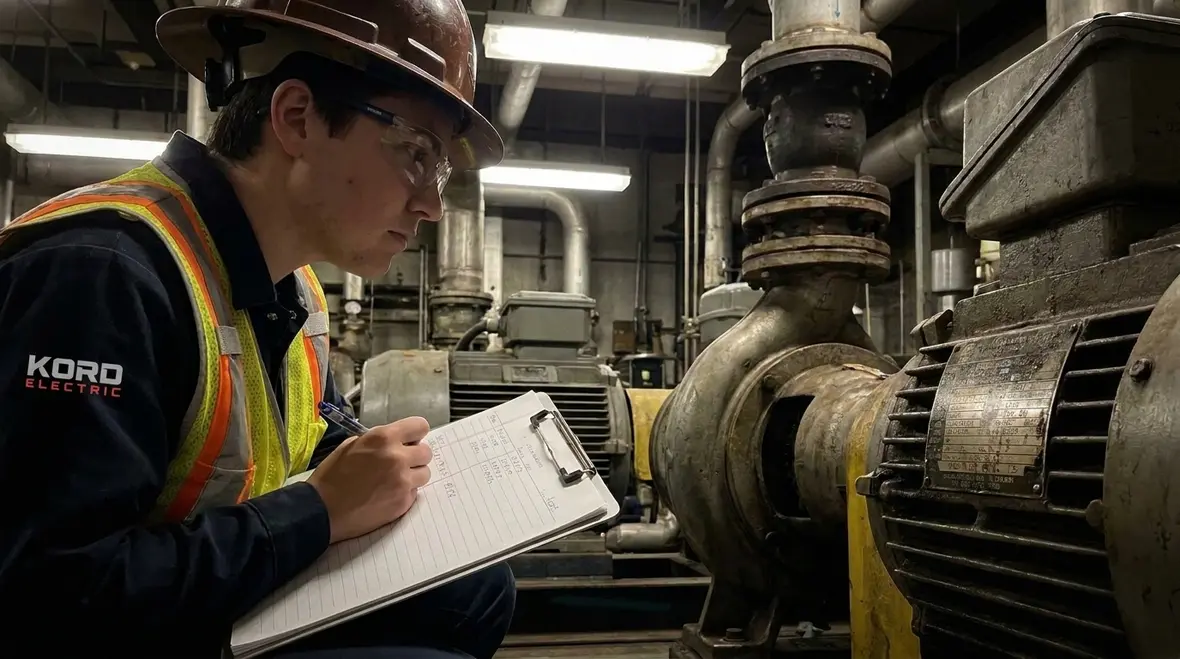
Our internal workflow also aligns the load list with upstream code expectations. When we document equipment, we flag where NEC articles on wiring methods, overcurrent protection, or special occupancies will likely come into play. That way, the load list is not just a spreadsheet; it becomes a roadmap into the right chapters of NFPA 70 so design, installation, and inspection all point to the same picture.
NEC farm load calculation general meets demand, starting current, and duty cycles
Load calculations are not just totals. They are timing and behavior. The NEC farm load calculation general approach works by tying the total to how loads get used, including demand factors where allowed and practical limits that keep systems from being undersized.
Motor loads demand special attention. At start, motors draw inrush current that can stress conductors and protective devices. Even if the steady state current looks manageable, the starting event can cause voltage dips and nuisance tripping. Therefore, we evaluate whether the system needs consideration for starting conditions and whether the protective scheme aligns with the design.
Also, duty cycles matter. A pump that runs for twenty minutes per hour and one that runs for nineteen hours per day are not the same load story. Likewise, a process line that runs in batches can create a repeating pattern of peaks. Because of that, our team looks at operational scheduling so the electrical sizing fits the real workflow.
In short, we do not just total watts and call it a day. We treat the calculation like a timeline with events, not like a spreadsheet that refuses to tell the truth.
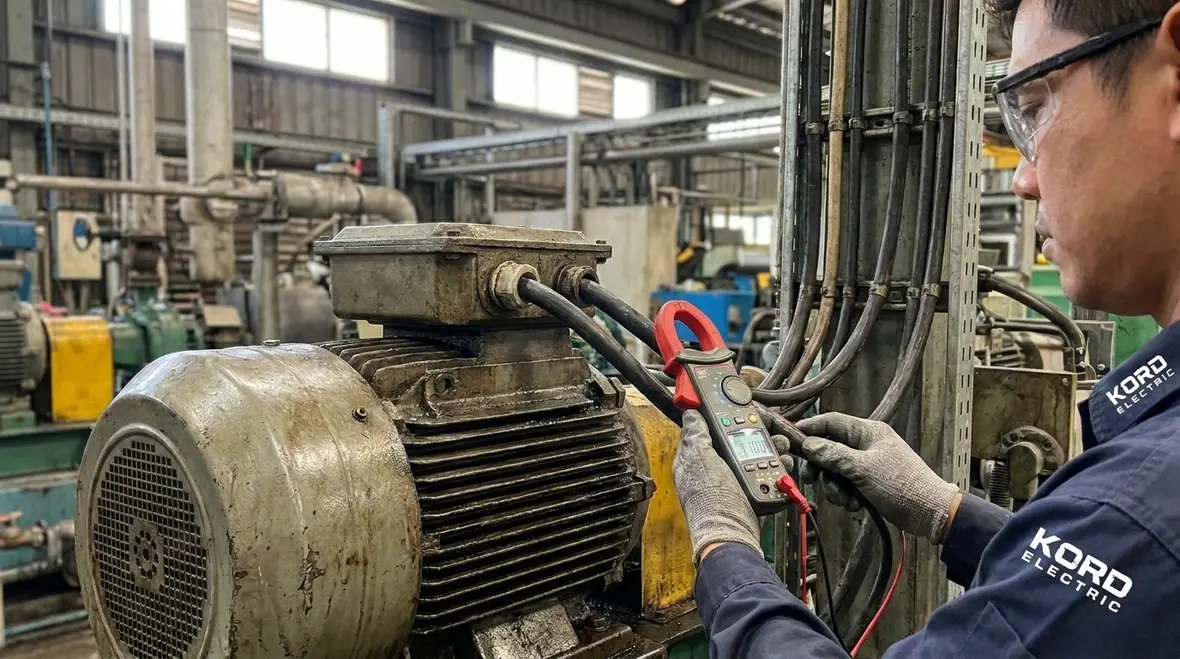
This is also where NEC farm load calculation general logic intersects with coordination studies. When we understand how peaks really form, we can set protective device curves and upstream equipment choices so that motors get what they need without turning every start into a drama. Instead of chasing surprise trips, facilities get predictable behavior that matches the math on paper and the physics in the field.
Service equipment sizing and coordination for commercial and industrial buildings
After the load picture forms, we size the service equipment and coordinate protective devices. For commercial and industrial facilities and major property buildings, this step determines whether the system will stay within safe limits under normal and abnormal conditions.
Our approach emphasizes coordination. We align:
Service disconnect rating with the calculated demand and the available fault conditions
Overcurrent protective devices so they protect conductors without tripping during expected start events
Transformer and switchgear selection to handle continuous and intermittent loads
When teams skip coordination, they often end up with a system that “technically works” until a busy morning or a seasonal peak turns it into a problem. And then everyone acts surprised, like they just learned gravity exists. We help clients avoid that drama by working through the entire chain.
To keep decisions grounded, our technicians explain assumptions. If a demand factor or loading assumption changes, we show what it does to the final design. That transparency helps stakeholders approve the engineering path with less back and forth.
For facilities that need broader context on how NEC expectations shape service design, we may recommend reviewing related resources like the 2026 application guide and scope articles in the Kord Electric Blog. Those pieces complement the farm load calculations by explaining how the NEC frames service equipment, overcurrent protection, and inspection requirements before the first conductor is pulled.
Practical steps for compliance planning teams can use right now
If your team needs a clear process for NFPA 70 compliance planning, we recommend a disciplined sequence. It reduces rework and keeps the electrical design aligned with the way the facility actually runs.
First, confirm what code reference applies to the scope and the facility type. Then collect equipment data from:
Nameplates and motor data sheets
Control cabinet notes
Manufacturer installation guides
As built changes and field revisions
Next, build the load profile using operational reality, not generic assumptions. Then review the service arrangement and verify that the system can handle both normal loads and startup events.
Finally, coordinate the electrical design with commissioning and ongoing maintenance needs. We prefer designs that remain correct after the first year, not ones that collapse after the first retrofit.
Our team often references guidance from NEC learning resources, including explanations we share across our sites like Kord Fire and Kord Electric education posts. The goal stays the same. We help people understand what the code expects and how it connects to real equipment.
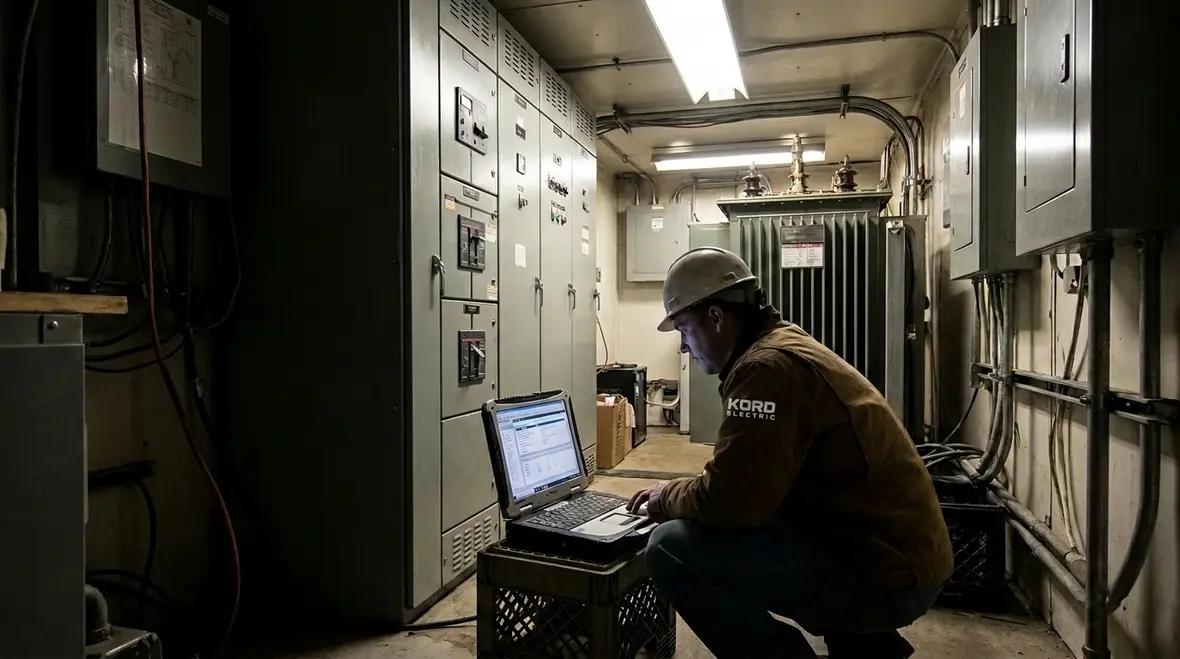
And if you hear someone say “we will deal with it later,” our expert service staff smiles politely. Later is when budgets run out, and later is when inspectors ask for documentation. In other words, later is not your friend. Getting NFPA 70 alignment and NEC farm load calculation general work done early keeps that future conversation short, simple, and much less expensive.
Common mistakes we see during audits and electrical reviews
Even strong teams make predictable errors. We see these most often during plan review, field audits, and change order checks. The fix starts with recognizing patterns early.
One frequent mistake involves incomplete load lists. Facilities add equipment over time, especially in industrial settings. Then the electrical capacity gets stretched without updating the basis for sizing. The result is a design that feels adequate until it meets real peak conditions.
Another mistake involves motor load assumptions. Teams may use the wrong horsepower, ignore voltage differences, or fail to consider starting behavior. Even small inconsistencies can create big outcomes when conductors, protective devices, and switchgear selection do not match the true current profile.
A third mistake involves mismatched documentation. The calculation might be correct, yet the field labeling, the one line diagram, or equipment schedule does not match. Inspectors notice. Clients notice when equipment trips. We help teams keep the record consistent.
Finally, some designs fail coordination between supply and downstream distribution. Therefore, a service might be sized “just enough,” while feeder protection and panelboards are not aligned. That mismatch can cause nuisance trips or unnecessary wear.
Our technicians prevent these issues by verifying assumptions and validating the electrical narrative across drawings, schedules, and field conditions. We keep the project moving because we know the cost of rework can be larger than the cost of doing it right the first time.
FAQ: NEC farm load calculation general for featured snippets
Facility leaders often ask similar questions as they work through NEC farm load calculation general planning. Instead of leaving those answers scattered in email threads, we group them into a quick-reference FAQ so teams can grab the essentials when they need them.
Ready for a safer, code aligned electrical design
If your team needs NFPA 70 support for load sizing and service coordination, Kord Electric is ready. We work with commercial and industrial facilities and major property buildings, and our technicians explain the logic in plain terms so stakeholders can move confidently. We help you build a solid load list, address motor behavior, and keep documentation consistent from plan to field. Contact Kord Electric today to review your current design approach and prevent electrical surprises before they start. We will keep it steady, and we will keep it clear.
For organizations across the region that need ongoing support, our dedicated Los Angeles County electrical services team connects NEC farm load calculation general work with broader design, troubleshooting, and upgrade projects so facilities stay aligned with current code expectations as they grow.


