
NEC Feeder Tapped Conductors Rules Under NFPA 70 215.7
At Kord Electric, we often hear the same concern from facility managers and electrical contractors. They ask whether the NEC feeder tapped conductors rules allow the use of conductors that are tapped and ungrounded on certain feeder setups. In the field, we see people treat this section like a “quick shortcut,” and then they wonder why inspections get tense. We do not do shortcuts. Instead, our experienced technicians and expert service staff explain the details in plain business language, so your electrical system stays safe, compliant, and ready for real-world load.
In this guide, a third person overview will unfold, step by step, around NFPA 70 Section 215.7. We also connect the practical dots for commercial and industrial facilities and major property buildings, because that is where these rules actually matter. And yes, the goal is to keep your electrical equipment from acting like a moody sitcom character, unpredictable until it suddenly isn’t.
What NFPA 70 Section 215.7 covers in plain terms
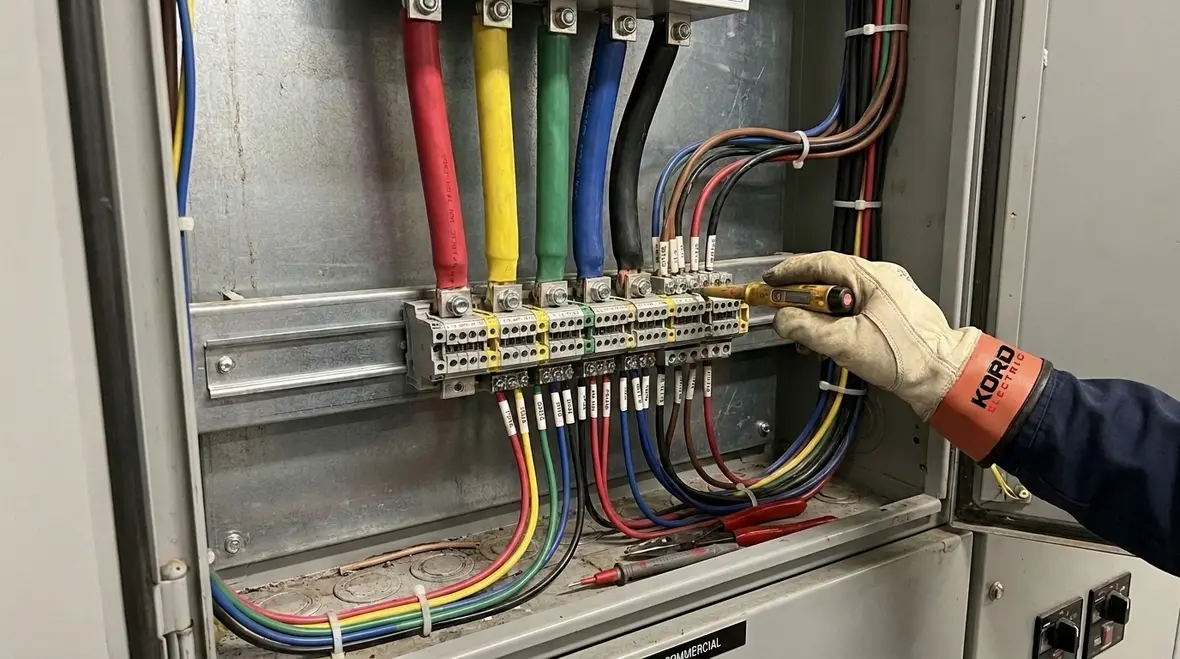
NFPA 70 Section 215.7 addresses conditions for tapped ungrounded conductors on feeders. In other words, it explains when and how a system can take a tap from a feeder to supply equipment loads while the tap conductors remain ungrounded. As a result, the rule focuses on ensuring the tap method does not weaken the feeder’s protection, conductor ampacity, or safety behavior under fault conditions.
Importantly, Section 215.7 does not exist to make life harder for electricians. Instead, it exists because feeders are the lifelines of commercial power distribution. If someone treats them casually, the entire building can pay the price later, often at the worst possible time, like during peak occupancy or the first day of a big contract.
When tapped conductors appear in real commercial service
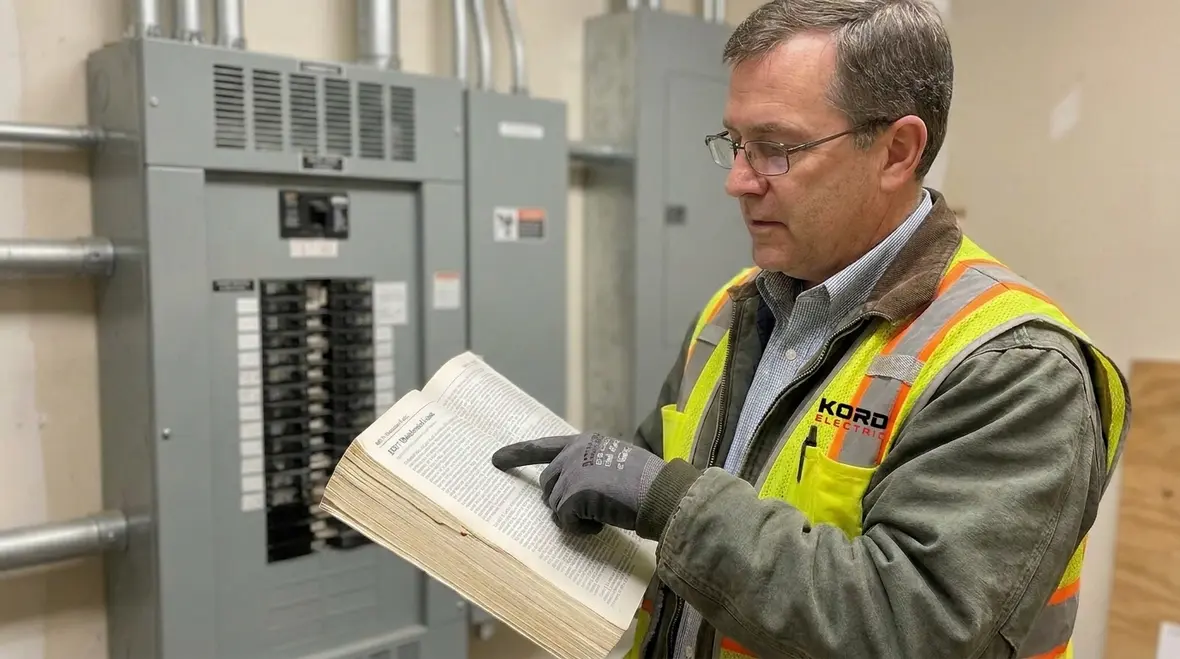
Facilities rarely build power runs in a straight line. Therefore, taps show up in common commercial and industrial layouts such as the following.
- Long feeder runs that must supply multiple distribution points across floors or large zones
- Warehouse and manufacturing areas where equipment clusters are spaced out
- Major property buildings that add tenant improvements and new equipment over time
- Outdoor service corridors and equipment pads where rerouting is expensive
At Kord Electric, our technicians and expert service staff review these scenarios as a system, not as separate cable pulls. Then, they confirm that the feeder tap method fits the installation conditions and the equipment protection plan. This is where many teams get tripped up. They may meet ampacity on paper, yet miss how the tap ties into protection, labeling, and fault clearing behavior.
Many of the facilities we support also ask how feeder taps fit into the bigger NEC picture. For that broader context, we often point commercial and industrial teams to Kord Electric’s resource Understanding NFPA 70: The National Electrical Code Explained for 2026, which connects code structure to everyday design and installation decisions.
NEC feeder tapped conductors rules: key safety themes
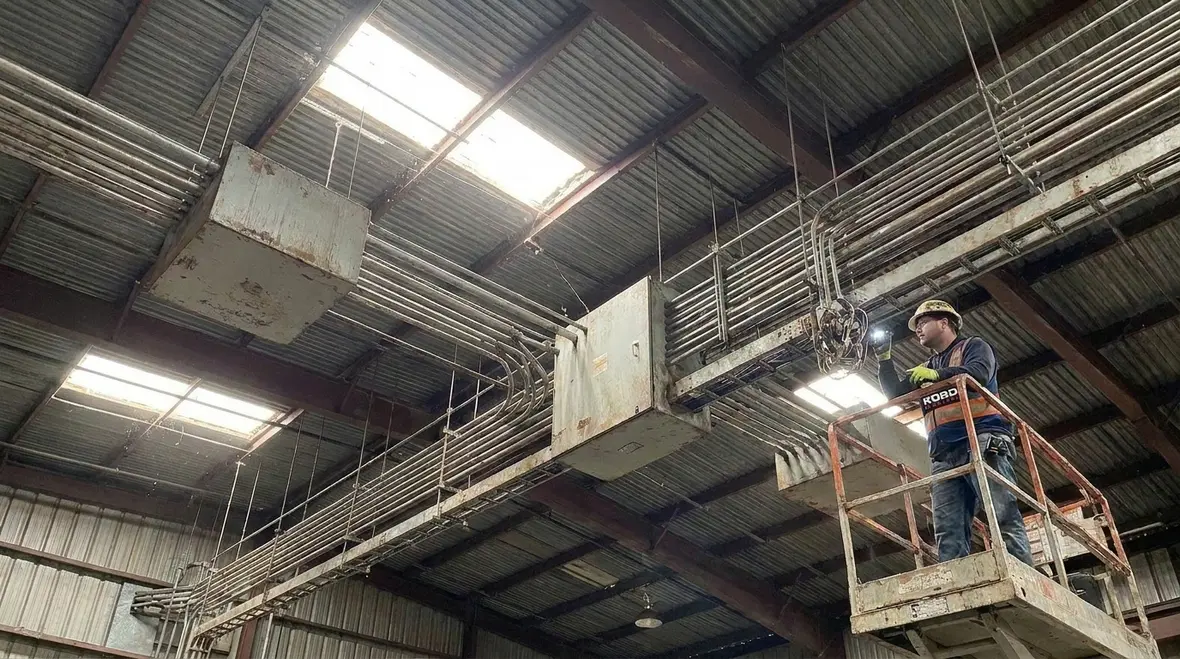
The core safety themes under NFPA 70 Section 215.7 revolve around proper conductor sizing, correct connection methods, and appropriate protection behavior. Additionally, the rule expects that tapped conductors receive the protection and limitations needed for the specific tap arrangement.
To keep the message clear, here is how teams should think about compliance during design and installation.
- Protection matters first. The tap conductors must not create a situation where a fault does not get cleared in a safe time and current range.
- Ampacity and temperature limits must hold. The conductors must carry the expected load without violating conductor ratings in the installed conditions.
- Feeder integrity must stay intact. The tap does not turn a protected feeder into something effectively unprotected.
- Good workmanship controls risk. Tight connections, correct terminations, and proper insulation care prevent heat and failure that inspectors can spot.
And yes, pop culture logic applies here too. If your electrical setup relies on “luck,” it is not a plan, it is a plot twist. We help teams avoid that.
Common mistakes that trigger inspection problems
Even strong electrical crews can run into trouble when tapped conductor rules get treated like optional reading. However, inspections in commercial and industrial facilities often expose the same issues again and again. Below are the mistakes our expert service staff frequently sees, along with how we address them.
- Improper tap arrangement. Someone taps in a way that does not meet the specific conditions for tapped ungrounded conductors on feeders, so the installation becomes a compliance mismatch.
- Overlooking protective device coordination. A tap can look fine until fault current and clearing time get evaluated across the system.
- Conductors sized for the load but not for the installed environment. After ceiling changes, insulation conditions, or conduit fill updates, the reality on site shifts.
- Skipping labeling and clear documentation. Inspectors and maintenance teams need to understand where feeders tap and what each segment supplies.
- Terminations that loosen over time. Poor torque practices, damaged conductor insulation, or inadequate strip lengths can cause heat rise.
When these issues arise, the fix is not just “replace a wire.” Instead, Kord Electric works from a structured checklist approach. First, we verify the feeder parameters. Next, we confirm tap conductor sizing and protection design. Then, we check installation details so the final work matches what the drawings and field conditions demand.
How Kord Electric keeps tapped feeder work organized and compliant
For commercial and industrial facilities and major property buildings, the best compliance method is the one that stays repeatable under pressure. Therefore, we run our projects with clear steps that help reduce surprises.
- Pre-job review. Our technicians and expert service staff examine the feeder layout, equipment locations, and the intended tap points before any cable is pulled.
- Field verification. We confirm conduit routing, termination access, and space constraints so the installation stays consistent from plan to reality.
- Protection plan coordination. We align tap behavior with the protective devices so faults get cleared as intended.
- Quality control at terminations. We verify strip lengths, proper torque, and secure connections because heat problems do not care about your intentions.
- Documentation for maintenance. We provide clear notes and identification so future electricians and facility staff can service the system without guessing.
In short, we help owners and electrical contractors treat feeder tap work like a safety-critical system, not like a quick add-on. That mindset keeps power dependable, reduces downtime risk, and supports inspection success.
Best practices for designing and building feeder taps
Design and installation teams can lower risk before a single conductor gets cut. Additionally, when teams use these best practices, the result tends to be smoother commissioning, cleaner inspection outcomes, and fewer change orders.
Here are practical best practices we recommend for large facility projects.
- Map loads early. Identify which equipment receives power at each tap point, and confirm expected operating loads.
- Confirm conductor sizes with actual routing. Conduit type, length, and temperature conditions affect real ampacity performance.
- Check fault protection behavior. Ensure that tap conductors receive protection consistent with the feeder protection approach.
- Maintain clear conductor routing records. Facility teams should understand what runs where, especially in major property buildings with future modifications.
- Coordinate with fire and life safety planning. Electrical work in commercial settings often interacts with equipment and occupancy requirements, so coordinated planning matters.
For teams that also review broader NEC guidance, Kord Fire and its educational materials reflect the same theme: safety is not a single checkbox. It is a chain of decisions, from design to final installation. Organizations like firepumps.org also underline why dependable electrical power connects directly to life safety outcomes.
If your facility operates in Los Angeles County or the surrounding region, these decisions tie directly into long-term maintenance, upgrades, and inspections. That is why many owners pair feeder tap planning with Kord Electric’s broader Los Angeles County electrical services, so distribution changes, NEC updates, and safety priorities stay aligned instead of scattered across separate vendors.
FAQ on NFPA 70 Section 215.7 and feeder tap installations
Teams working through real projects usually ask the same core questions about NFPA 70 Section 215.7 and NEC feeder tapped conductors rules. Below is a quick-reference FAQ that mirrors the conversations our technicians have with commercial and industrial clients.
If a facility wants a calmer path to compliance, Kord Electric can walk the team through the actual installation plan and confirm each requirement before work begins.
Final thoughts and a clear next step
NFPA 70 Section 215.7 protects people and equipment by setting firm limits on tapped ungrounded conductors on feeders. When teams handle these feeder tap details with care, inspections go smoother and electrical performance stays dependable. At Kord Electric, our technicians and expert service staff review feeder layouts, confirm protection behavior, and verify terminations so your commercial and industrial system stays compliant. If your project includes feeder taps, or you simply want to make sure your NEC feeder tapped conductors rules are being applied correctly, contact us for an engineering-minded compliance review and installation support that keeps downtime low and safety high.
For facilities planning broader upgrades, it can also help to pair a detailed look at Section 215.7 with a higher level review of how the National Electrical Code shapes your overall distribution strategy. That is where resources like Kord Electric’s NFPA 70 explainers and Kord Fire’s code-focused education work together, helping owners treat code compliance as a long-term performance plan instead of a one-time hurdle.


